
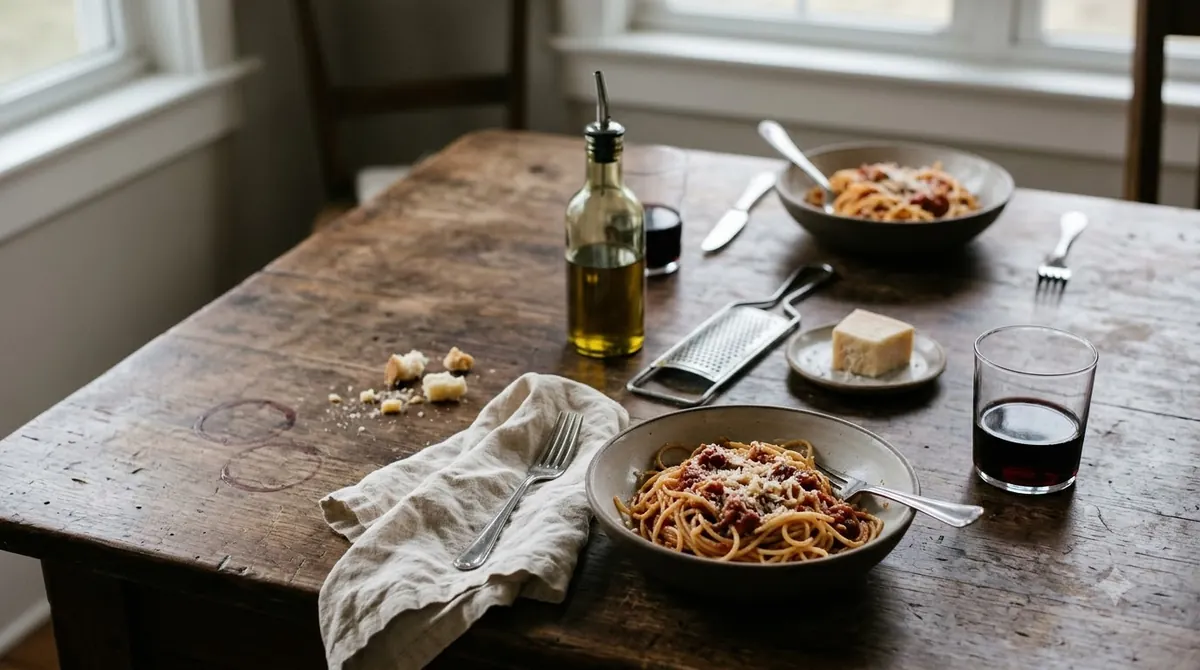

The La Molisana pasta review consensus is positive on texture: people who have tried it describe a firm bite and a surface that holds sauce well. La Molisana is an Italian dried pasta brand founded in 1912 in Campobasso, in the Molise region of southern Italy, and its shapes appear in US and UK retail listings. As of 2026-11-07, most public feedback comes from one detailed written review and short retailer listings, so the verdict below separates what is supported from what is still open.
This La Molisana pasta review covers the texture reviewers describe, the brand background, how to choose a shape for your sauce, and the claims that still need confirmation from the brand itself.
La Molisana pasta review: quick verdict
The evidence in this La Molisana pasta review supports a positive verdict on texture, mainly from one reviewer who called the brand a new favorite dried pasta. Production claims such as bronze-die cutting still need the brand’s own pages to confirm them.
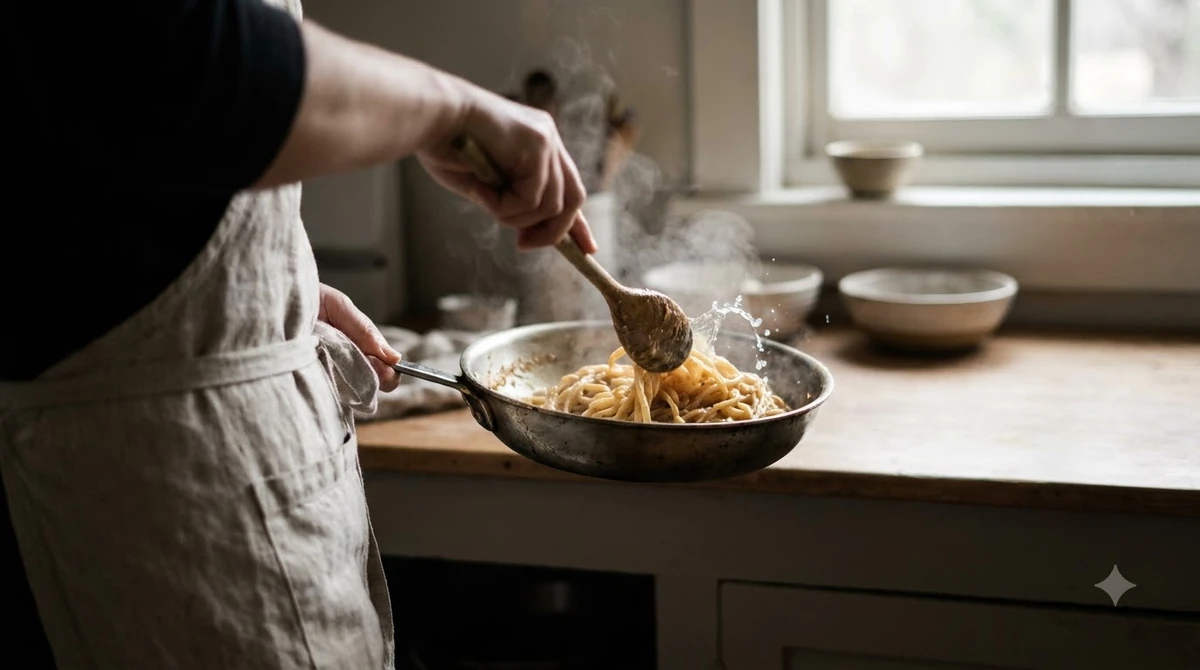
The review in question tested La Molisana Spaghetti Quadrato Chitarra No. 1 with a quick arrabiata sauce. The writer called it the best store-bought pasta he had tried and said it had become his everyday dried pasta. That is a strong personal opinion from one cook, not a controlled comparison with several brands, cooking times and sauces.
Retailer listings across the US and UK show the same basic product type: dried durum wheat pasta sold in many shapes. Shopper ratings appear on some listings and are generally positive, but those numbers change over time and differ by retailer, so this article does not quote them. Check the live listing before you buy.
What reviewers say about texture and sauce
The most repeated praise in any La Molisana pasta review is bite. Reviewers describe the pasta as chewier than many name brands, and they say the sauce sticks to it quickly.
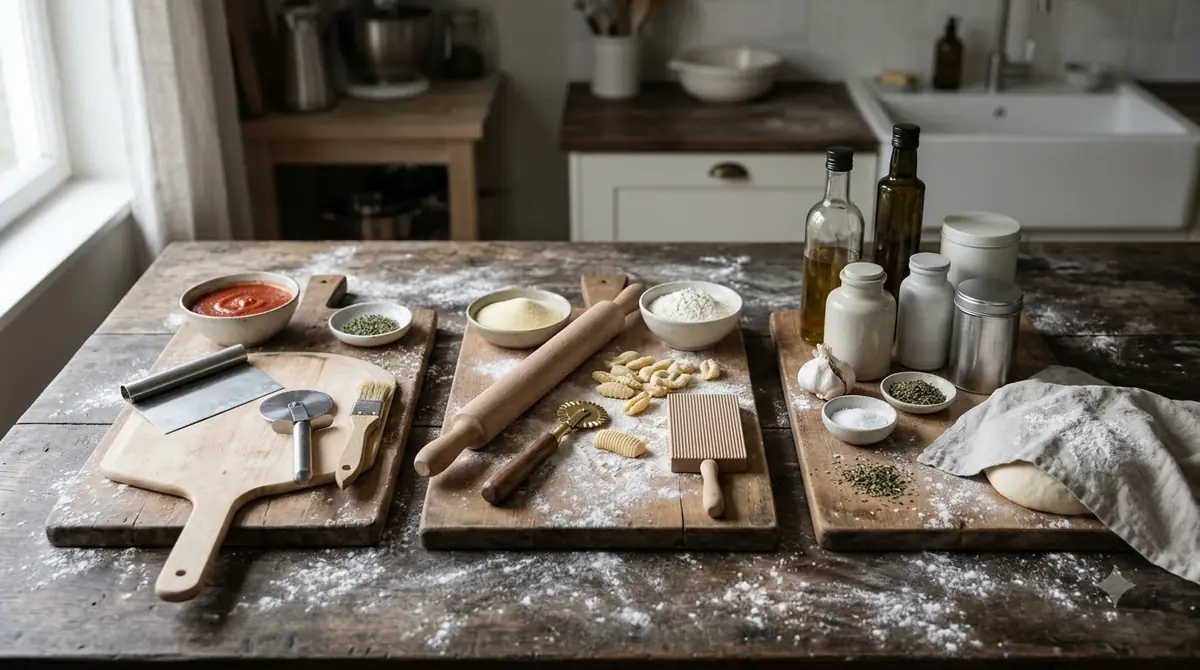
In the Takeout review of La Molisana spaghetti, the writer says the most impressive thing is the bite, which he found noticeably chewier than other name-brand pastas. He also says the sauce clings to the pasta almost instantly, and he links that to the rough, chitarra-cut surface that grips a thin arrabiata.
For a second opinion, look for any recent La Molisana pasta review that names the shape and sauce it used, because that detail makes results easier to compare. Shopper comments collected in search results point the same way. One listing for penne rigate reports that the pasta stays al dente even when cooked a few minutes longer than the time on the box. These are user reports, not lab findings, and they are labeled that way here.
Texture depends as much on your cooking as on the pasta, which is why a La Molisana pasta review should always include your own method. These habits help any dried pasta, including this brand, reach a firm bite:
- Salt the cooking water generously before you add the pasta, and follow the cooking time printed on the pack.
- Taste a piece about two minutes before the pack time, because a firm bite is easy to lose by overcooking.
- Save a cup of the starchy cooking water before you drain, so you can loosen the sauce if it is too thick.
- Finish the pasta in the sauce for a short time over the heat, so the surface can take up the sauce before serving.
Brand background and production claims
The founding year and home city are the best-supported facts about La Molisana. A long history alone does not prove quality, so the texture and sauce evidence above carries more weight in any La Molisana pasta review than the founding date. The production details come mostly from retailer product text, so they should be read as claims to check, not as confirmed facts.
The Takeout review and the retailer pages we could read describe the company as founded in 1912 and based in Campobasso, Molise, Italy. Those two points appear consistently across the sources we could open, so they are treated as supported.
Several retailer listings say the shapes are made from 100% Italian durum wheat, cut through bronze dies that leave a coarser, porous surface, and that the brand mills its own durum. Those are useful clues about how the pasta is made. We did not confirm them on the brand’s own website, which we could not open during this review.
| Claim | Where it appears | Status |
|---|---|---|
| Founded in 1912, based in Campobasso | Takeout review and retailer summaries | Supported by a page we could read |
| 100% Italian durum wheat | Retailer product listings | Retailer claim, not confirmed on the brand site |
| Bronze-die cutting | Retailer product listings | Retailer claim, not confirmed on the brand site |
| The brand mills its own durum wheat | Retailer product listings | Claim as quoted by retailers, not confirmed |
| Drying method and temperature | None found in the pages we read | Not confirmed |
How to choose the right La Molisana shape
Choose the shape by the sauce first. The texture advantage matters most when the pasta has to carry the sauce, so the match between shape and sauce matters as much as the brand. A useful La Molisana pasta review answers one practical question: which shape will carry the sauce you already cook?
Long strands such as spaghetti suit simple tomato, garlic and oil, or light butter sauces, where the coating on the surface does most of the work. Short, ridged shapes such as penne rigate and fusilli fit chunky sauces, sausage, vegetables and baked dishes, because the grooves catch small pieces of food and sauce.
Store dried pasta in a sealed container away from heat and moisture, and keep the pack in a cool cupboard. Use this quick checklist from the La Molisana pasta review before you buy a bulk pack:
- Pick the sauce first, then the shape that suits it.
- Compare price per gram on the live listing, not the price per pack, because pack sizes differ.
- Read the ingredient line and choose a 100% durum wheat product if that matters to you.
- Check the current listing for stock, since availability varies by shape and region.
La Molisana compared with De Cecco in one review
In the one detailed review we could read, La Molisana replaced De Cecco as the writer’s everyday dried pasta. That is a single comparison, so treat it as a lead to test, not a result.
The writer said De Cecco had long been his usual dried pasta and that he rated it above Barilla and Anna. We cover that brand separately in this De Cecco pasta review, and a bronze-die option from Barilla is covered in this Barilla Al Bronzo review. He said La Molisana now takes its place. That is a useful signal about how the texture compares, but one cook’s kitchen is not a blind test, and cooking time, salt level and sauce all change the result.
To run your own La Molisana pasta review, cook La Molisana and your usual brand with the same sauce, the same salt level and the same timing, then compare the bite and how much sauce each one holds. Judge the two side by side, not from memory. If you want more bronze-die options to test, see this list of bronze cut pasta brands.
What this La Molisana pasta review cannot confirm yet
Several points are still open, and it is better to say so than to guess at them.
- The drying method and temperature, which the brand’s own technical pages would need to show.
- Current prices, which vary by retailer and change often, so this article does not quote one.
- Exact rating counts and star averages on shopping sites, which change over time and differ by listing.
- Long-term results across the whole range, since most public feedback covers only a few products.
Until those points are confirmed, read the pack and check the brand’s own website before you buy in bulk.
Frequently Asked Questions
Is La Molisana pasta good?
On the feedback available, yes, especially for texture. The strongest evidence is one written review that praises its bite and sauce-holding surface. The review base is still small, so this La Molisana pasta review calls it a promising choice rather than a settled verdict.
Is La Molisana pasta made in Italy?
Retailer listings describe it as Italian, and the brand is described as based in Campobasso, Italy. This La Molisana pasta review did not confirm a specific factory location, so check the origin line printed on the pack.
Does La Molisana pasta hold sauce well?
The reviewer said the sauce clung to the pasta almost instantly, and retailer text describes a rough surface that helps it grip sauce. Those are the main reasons reviewers give for using it with sauces, and they are the main finding of this La Molisana pasta review.
How should I cook La Molisana pasta?
The cooking advice in this La Molisana pasta review is simple: follow the time printed on the pack, salt the water well, and taste a piece a couple of minutes before that time. Save some cooking water before you drain. Adjust from there to suit your own preference for bite.
Is La Molisana pasta good value?
Prices vary by retailer and pack size, and this article does not quote one. Compare the price per gram on the live listing before you decide.
The short version of this La Molisana pasta review: La Molisana is worth trying if you want a chewy, sauce-friendly dried pasta. Buy one pack of the shape you cook most often, test it against your usual brand with the same sauce, and decide from your own bowl. More pasta and pantry picks are in the gear and pantry guides.
 9 min readGear & PantryRummo vs De Cecco: Which Dried Pasta Brand Should You Buy?Updated Nov 7, 2026
 8 min readGear & PantryBianco DiNapoli Tomatoes Review: What to Know Before You BuyUpdated Nov 10, 2026
 9 min readGear & PantryCalifornia Olive Ranch Olive Oil Review: What to Know Before You BuyUpdated Nov 10, 2026
 9 min readGear & PantryCaputo 00 Flour Amazon: What to Check Before You BuyUpdated Nov 8, 2026
 8 min readGear & PantryRavioli Maker: What to Check Before You BuyUpdated Nov 17, 2026
 8 min readGear & PantryPizza Dough Roller: Types, Uses and What to Check Before You BuyUpdated Nov 8, 2026