

Homemade pizza rolls are pizza dough wrapped around tomato sauce and cheese, then baked until golden. The recipe below uses one pizza-size portion of dough, 1/2 cup tomato sauce, 2 cups part-skim mozzarella and 1 cup Parmesan, and makes about eight rolls. You can change the filling, but the method stays the same.
What Are Homemade Pizza Rolls?
Homemade pizza rolls are small baked dough rolls filled with tomato sauce, mozzarella and Parmesan, usually sized at one roll per serving. They work as a snack, a party appetizer or a quick side for a simple dinner.
The format keeps the filling inside the dough while the outside bakes. Many home cooks add pepperoni or vegetables, so the basic recipe works best as a starting point rather than a fixed formula. Start with the core amounts below, then adjust the toppings to suit your guests.
Homemade pizza rolls also fit into a meal plan easily. Because the recipe is portioned one roll per serving, the same tray can work for a game-day spread, a casual family dinner or a snack platter, with no change to the method.
| Ingredient | Amount | Note |
|---|---|---|
| Pizza dough | 1 container, or one pizza-size portion of homemade dough | Check the package for the dough weight |
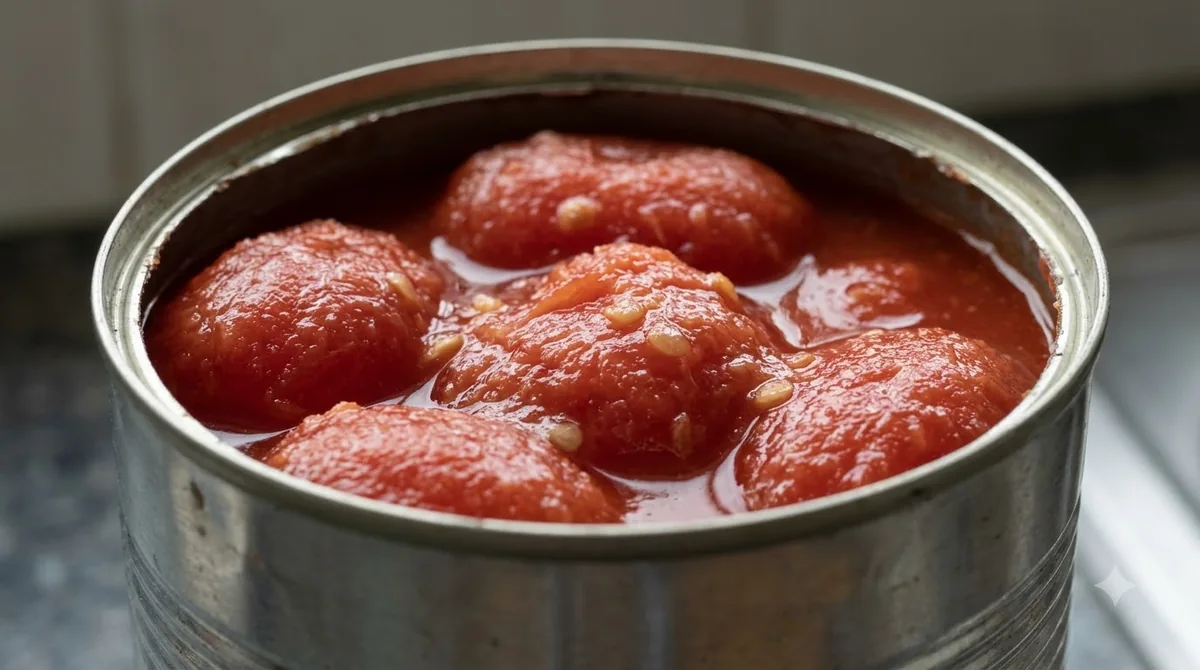
| Tomato sauce | 1/2 cup, spread on the dough | Plus 1 cup for dipping, optional |
| Part-skim mozzarella | 2 cups | Non-dairy cheese can be substituted |
| Parmesan | 1 cup | Non-dairy cheese can be substituted |
Ingredients and Dough Options
A basic batch uses one pizza-size portion of dough, 1/2 cup tomato sauce, 2 cups part-skim mozzarella and 1 cup Parmesan. The same amounts work whether you buy prepared dough or make your own.
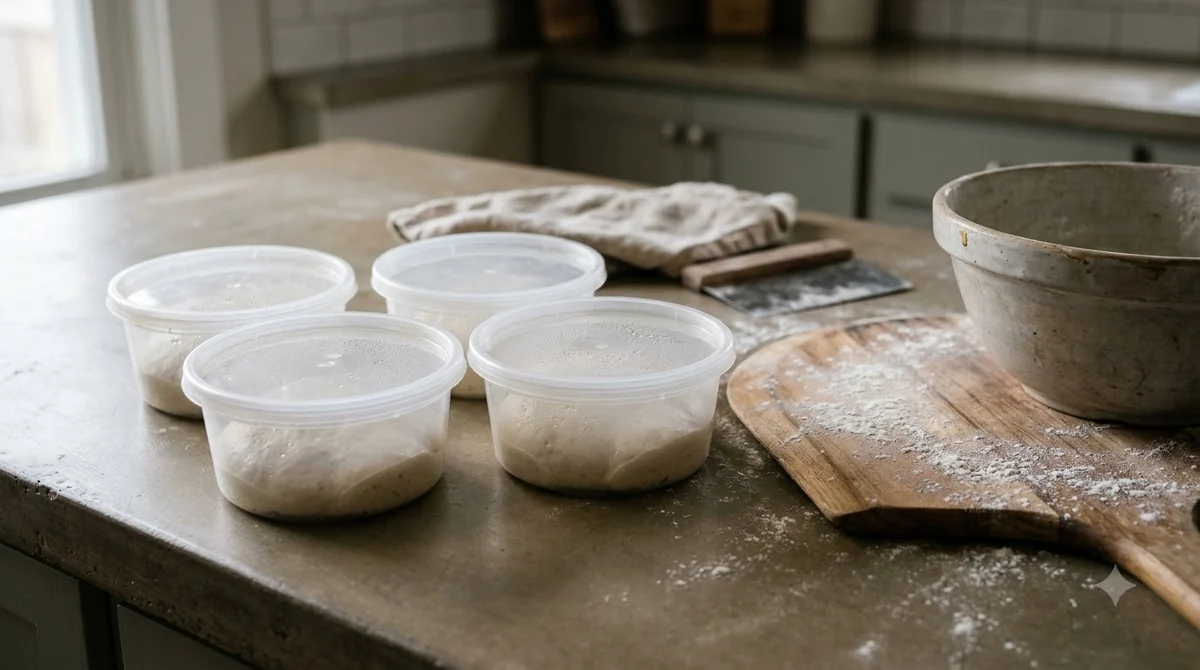
Prepared pizza dough from the grocery store is the simplest choice. The recipe accepts one container of prepared dough, so you do not need to make dough from scratch to follow it.
Homemade dough gives you more control over thickness and flavor, and our stand mixer pizza dough method is one way to make it. The recipe does not state a dough weight, so use a portion that matches the size of a standard pizza base and check the package if you are using prepared dough.
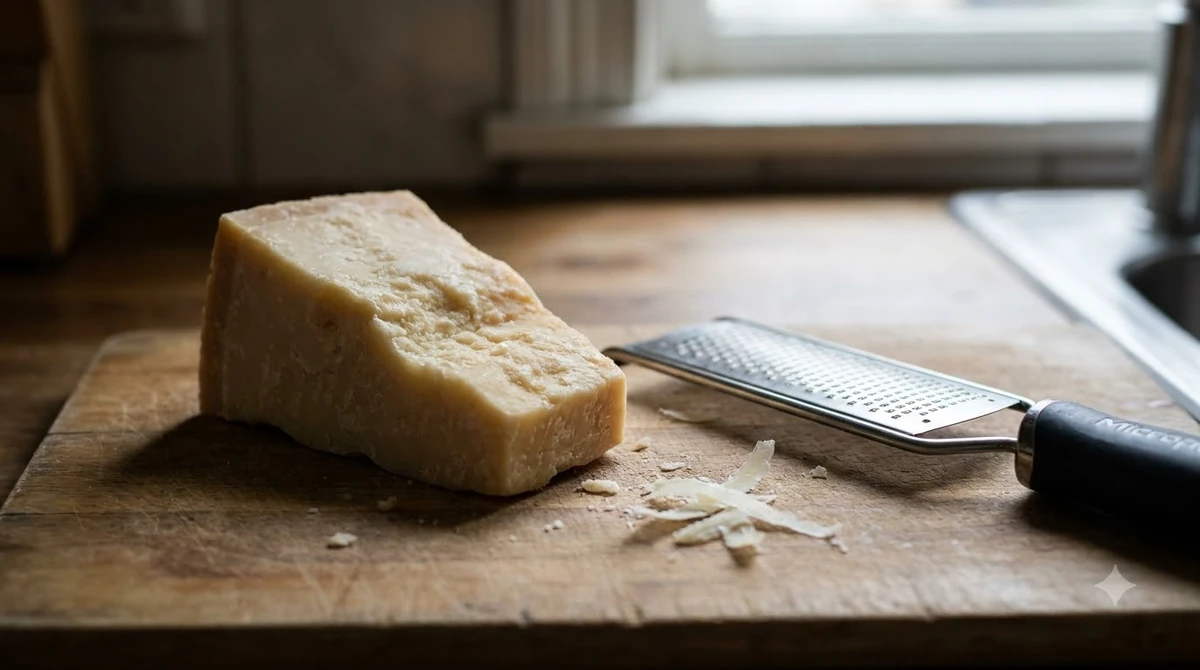
The cheese list for homemade pizza rolls names part-skim mozzarella as the main melting cheese and Parmesan as a second, saltier cheese. Both can be replaced with non-dairy cheese if guests need it.
Pre-shredded cheese is convenient for homemade pizza rolls, but the recipe does not specify a form, so either shredded cheese or a block you grate yourself fits the method. Measure the cheese by the cup so the batch matches the amounts in the table above.
How to Make Homemade Pizza Rolls
Roll the dough, spread 1/2 cup tomato sauce, add the cheese and toppings, then bake at 350°F for around 25 minutes until fully cooked. The steps below follow that order for a batch of about eight rolls.
- Roll the dough into a large rectangle or round, thin enough to roll up without tearing.
- Spread 1/2 cup tomato sauce over the dough, leaving a small border along one long edge so the seam can close.
- Sprinkle the mozzarella and Parmesan over the sauce, then add any toppings in a single layer.
- Roll the dough tightly from the long side and pinch the seam closed.
- Cut the roll into about eight equal pieces and place them on a baking sheet.
- Bake at 350°F for around 25 minutes, or until fully cooked. Serve with the optional 1 cup of tomato sauce for dipping.
The recipe in Cornell Extension’s cheesy pizza rolls recipe gives 350°F and about 25 minutes as the bake time. It describes doneness as “until fully cooked” and does not give a color or internal temperature, so check that the dough is cooked through and golden on top before you remove the tray.

How Many Rolls Does a Batch Make?
This recipe yields around eight servings, with one roll per serving, so a batch covers about eight people as a snack or appetizer.
To match your number of guests, cut the roll into more or fewer equal pieces. If you want fewer rolls, halve the dough, sauce and cheese. A smaller batch may finish baking sooner, so check it before the 25-minute mark.
Plan batch size around leftovers as well. Cook only as many homemade pizza rolls as you can refrigerate within two hours of serving, or freeze.
Count the rolls before you bake them so every guest gets one roll per serving. Cutting the roll into equal pieces from the start makes homemade pizza rolls much easier to portion evenly.
Filling Ideas and Variations
Pepperoni, chopped peppers and meat crumbles are the optional toppings the Cornell recipe names for homemade pizza rolls, and you can add them in any combination.
- Pepperoni, the most familiar pizza topping for rolls
- Chopped peppers for color and a bit of crunch
- Meat crumbles for a heartier roll
- Extra mozzarella if you want a stronger cheese pull
Spread fillings in a thin layer. A thick layer of sauce or cheese makes the roll harder to close, which can lead to leaks during baking. Stick to the 1/2 cup of sauce in the recipe and add toppings sparingly.
Serve the rolls with the optional 1 cup of tomato sauce for dipping, or make your own with a homemade pizza sauce recipe. The dip is a simple way to make the same batch feel more substantial at a party.
Storing, Freezing and Reheating
Refrigerate leftover pizza rolls within two hours of serving, use them within 3 to 4 days, or freeze them for up to 3 to 4 months. According to the University of Illinois Extension leftovers guidance, these limits follow USDA Food Safety and Inspection Service advice.
- Cool the rolls and refrigerate them within two hours of serving.
- Eat refrigerated leftovers within 3 to 4 days.
- Freeze leftovers for up to 3 to 4 months if you will not eat them in time.
- Reheat until the center reaches a minimum of 165°F.
Reheat leftover homemade pizza rolls in the oven or microwave until the center is hot all the way through. For plain pizza slices rather than rolls, see our guide to how to reheat pizza. The 165°F minimum applies to the whole roll, so check the middle of a thick one before serving. Freezer quality is best when you use the rolls within the 3 to 4 month window.
The storage limits apply to cooked leftovers in general, so they cover homemade pizza rolls made with prepared dough or homemade dough alike. Label the container with the date you froze the rolls, so you can track the 3 to 4 month window. Our how to store leftover pizza guide covers slices and whole pies.
Common Mistakes to Avoid
Using more than the recipe’s 1/2 cup of sauce makes the roll harder to seal, so measure the sauce before you spread it. The most common problems come from filling and sealing, not from the bake itself.
Wet toppings can make homemade pizza rolls soggy inside. Pat vegetables such as peppers dry before adding them, and keep the sauce measured to the recipe so the dough can bake through.
- Overfilling the dough so the roll cannot close
- Leaving the seam unpinched, so it opens in the oven
- Pulling the rolls out before they are fully cooked
- Reheating leftovers without reaching 165°F
Some details are not stated in the sources used for this guide. The exact dough weight and any bake time for rolls baked from frozen are not confirmed here, so check the package of your prepared dough and the instructions for frozen rolls.
Frequently Asked Questions
Can I freeze homemade pizza rolls?
Yes. According to USDA guidance cited by the University of Illinois Extension, frozen leftovers keep for 3 to 4 months. Reheat them until the center reaches a minimum of 165°F, and check the package of any frozen dough for its own storage instructions.
How long do homemade pizza rolls bake?
The Cornell recipe bakes them at 350°F for around 25 minutes, or until fully cooked. Oven times vary, so check that the dough is cooked through and golden on top before you remove them from the oven.
How many rolls does the recipe make?
The recipe makes around eight servings, with one roll per serving. To make fewer rolls, halve the dough, sauce and cheese. The storage limits for leftovers are covered in the storage section above.
What dough should I use for homemade pizza rolls?
The recipe accepts one container of prepared pizza dough or one pizza-size portion of homemade dough, and both work with the same method. The source does not give a dough weight, so check the package of prepared dough or the portion size in your own recipe.
How should I reheat leftover pizza rolls?
Reheat them until the center reaches at least 165°F, the minimum reheating temperature in USDA guidance cited by the University of Illinois Extension. Refrigerate leftovers within two hours of serving and use them within 3 to 4 days.
Start with the basic recipe, then adjust the toppings and batch size to suit your guests, and browse more pizza and pasta guides for dough and sauce help. Keep leftovers within the 3 to 4 day refrigerator window or freeze them for up to 3 to 4 months, and always reheat them to 165°F.
 8 min readLearnHomemade Pizza Sauce Recipe: 3 Easy Tomato TipsUpdated Nov 10, 2026
 8 min readLearnProsciutto and Arugula Pizza Recipe: Easy Homemade StepsUpdated Nov 10, 2026
 8 min readLearnGarlic Bread Recipe: Easy Homemade Version in 45 MinutesUpdated Nov 12, 2026
 8 min readLearnHomemade Ravioli: Easy 3-Egg Dough Recipe and TipsUpdated Nov 10, 2026
 8 min readLearnNo Cook Pizza Sauce Recipe: Easy Method and TipsUpdated Nov 11, 2026
 8 min readLearnTruffle Pizza Recipe: Easy Home Method With Real Truffle FlavorUpdated Nov 11, 2026