
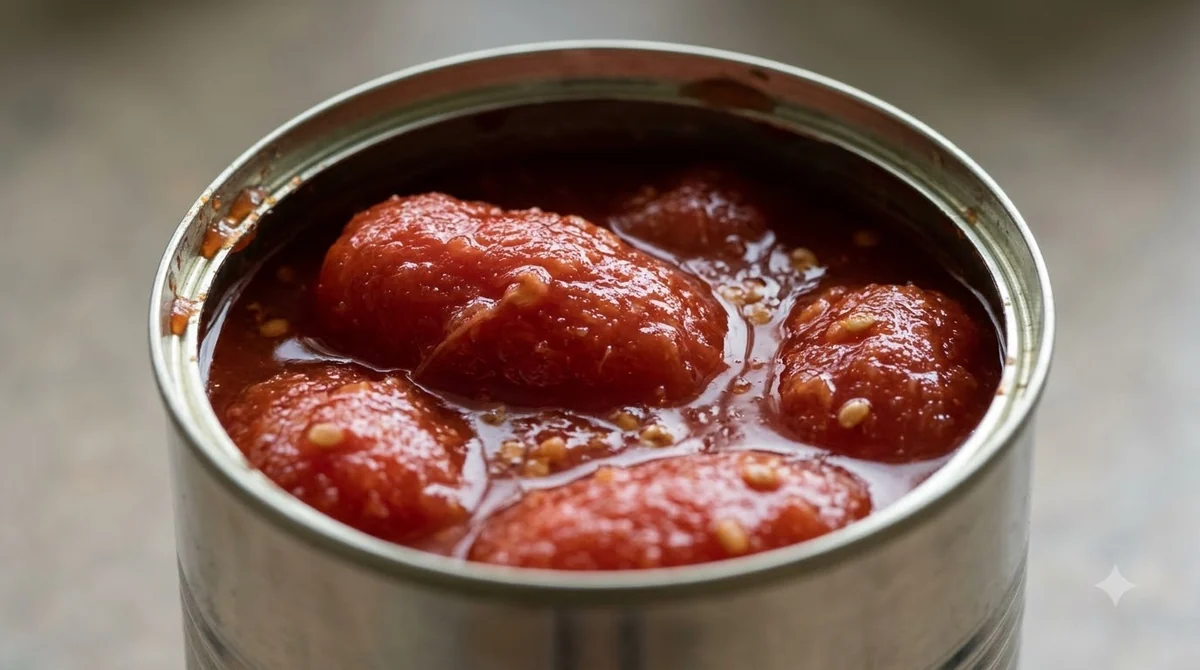

A homemade pizza sauce recipe is built on good tomatoes, light seasoning and a thin layer spread over the dough. The sauce is the simplest part of the pizza, so each small choice shows up on the plate.
Two decisions matter most: which tomatoes you buy and whether the sauce is cooked before baking. This guide covers both, and it includes one tested cooked sauce with exact amounts, times and storage limits from Taste of Home.
Choosing Tomatoes for Your Homemade Pizza Sauce Recipe
Passata is uncooked tomato purée that has been strained of seeds and skins, which makes it the smoothest base for a pizza sauce. Wikipedia’s passata entry describes it as uncooked and strained, unlike purée, which is cooked and then strained.
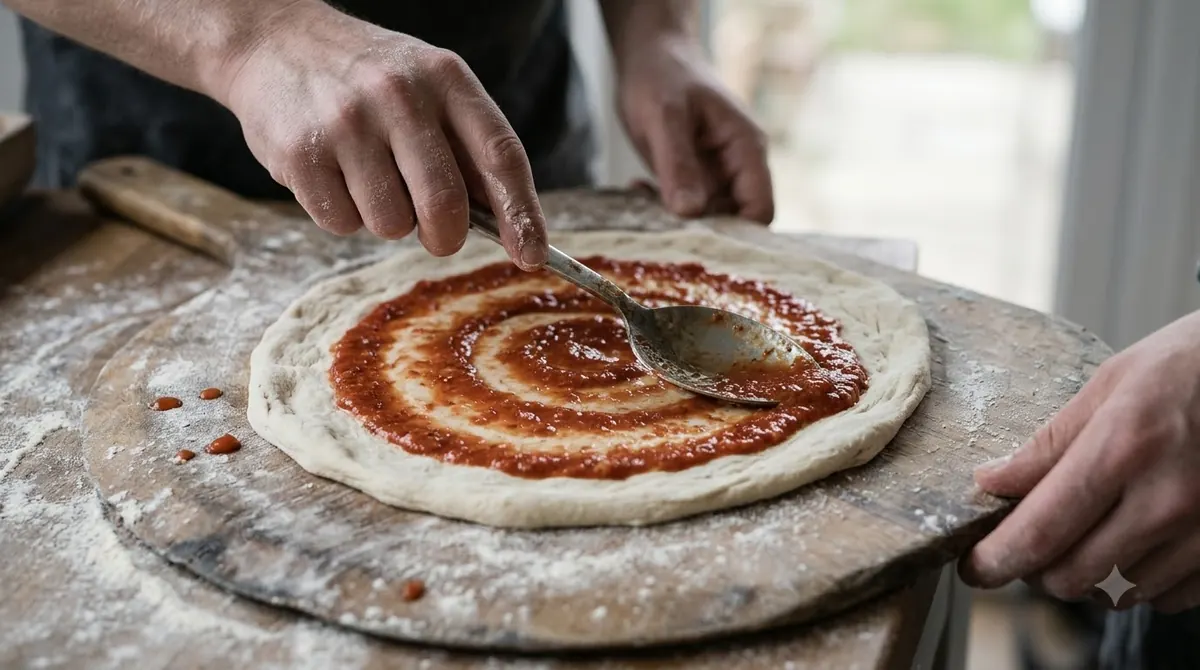
Whole peeled tomatoes and crushed tomatoes are the other common options for a homemade pizza sauce recipe. Whole peeled tomatoes need to be crushed by hand or in a blender before you spread them, and they keep more texture. Crushed tomatoes are ready to spread, though they still contain small pieces.
When you shop, a short list helps you compare the three options:
- Whole peeled: crush by hand or blend before spreading.
- Crushed: ready to spread, with small pieces left in.
- Passata: smooth and already strained, so it needs no crushing.
Pizza maker Anthony Mangieri recommends tasting several tomatoes rather than sticking to one brand, so one can is a weak test for any homemade pizza sauce recipe you plan to repeat.
Whatever brand you choose for a homemade pizza sauce recipe, read the ingredient list. A short list with tomatoes, salt and perhaps basil is the simplest base, and it leaves the seasoning under your control.

The Raw or Cooked Question
Anthony Mangieri, who runs Una Pizza Napoletana in New York, says the basic sauce is never cooked before it goes on the pizza.
In a Tasting Table interview, Mangieri says that cooking the tomatoes first gives a flavor that is not bright and popping. The sauce still heats in the oven, so it cooks once, on the dough.
A cooked sauce is a different choice. Simmering thickens the sauce and changes its flavor, and the trade-off is that you give up the bright taste of a raw sauce. Decide based on the pizza you want, and treat the cooked version of a homemade pizza sauce recipe as a separate recipe with its own timing. The section below gives one tested version with exact amounts.
How Much Sauce to Spread on the Dough
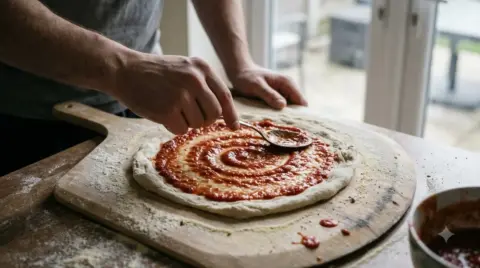
For a homemade pizza sauce recipe, Mangieri recommends a nice light coating of sauce, and a little more when the pizza has no cheese on top.
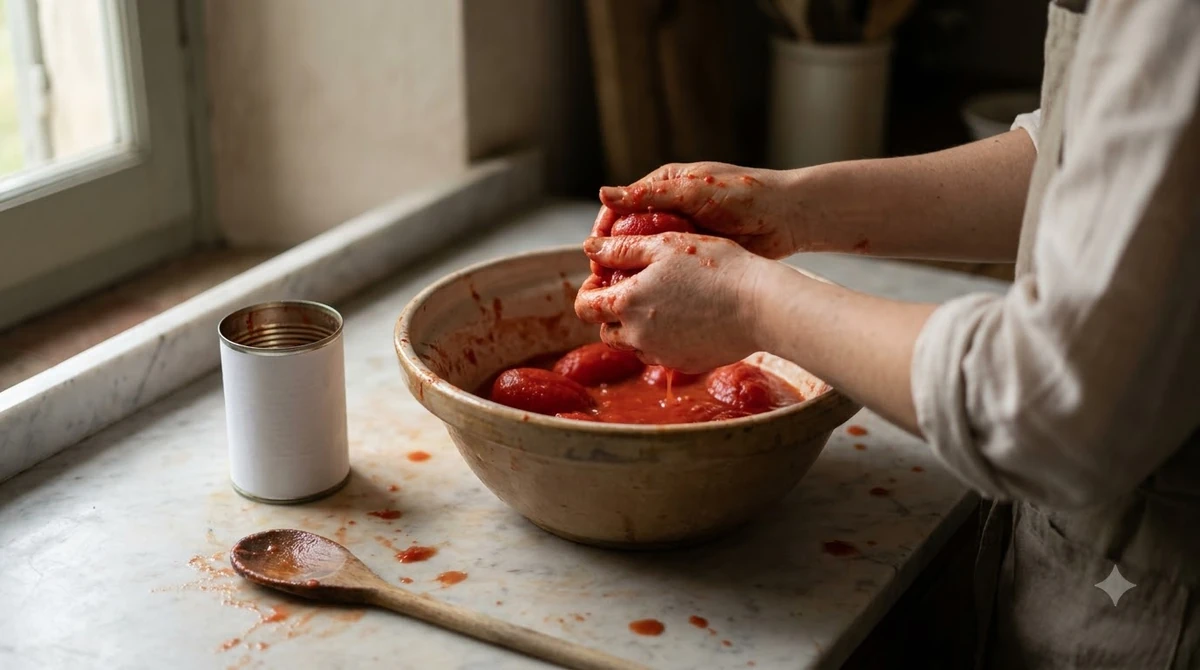
Too much sauce can leave a wet center under the toppings, and a homemade pizza sauce recipe that is spread too thin leaves the crust bare. If the middle stays wet, see why a pizza crust turns gummy. Spread the sauce in a thin, even layer and leave a small border around the edge for the crust. The pizza topping layering order shows where sauce fits.
A common mistake with a homemade pizza sauce recipe is spreading it right up to the edge, where it can run onto the peel or the pan. Stopping short of the border keeps the crust cleaner and makes the pizza easier to slide into the oven.
If your pizza is heavy on cheese and meat, keep the sauce layer thin so the toppings do not push the moisture into the crust. The cheese you choose also affects how wet the pizza gets, as explained in this guide to fresh and low-moisture mozzarella on pizza.
Seasoning and Sodium on the Label
The FDA says the Daily Value for sodium is less than 2,300 milligrams per day, and a food with 5% DV or less per serving counts as low.
Mangieri’s sauce is reported to contain no salt, which is a useful point if your homemade pizza sauce recipe uses salted canned tomatoes, with the pizza seasoned after the toppings go on. That is one professional approach. If you prefer to salt the sauce, taste as you go and adjust before the pizza goes in the oven.
Cheese and cured meats add their own salt, so a salty topping means a lighter hand with the sauce in any homemade pizza sauce recipe. If you buy jarred or canned tomatoes or a ready-made sauce (see how to choose a jarred pizza sauce), read the label. The FDA’s guidance on sodium treats 20% DV or more per serving as high, so compare the serving size on the label with the amount you actually spread.
| Sodium level | Percent DV per serving |
|---|---|
| Low | 5% DV or less |
| High | 20% DV or more |
| Daily limit for adults | Less than 2,300 mg per day |
A Cooked Homemade Pizza Sauce Recipe With Exact Amounts
The Taste of Home pizza sauce recipe is a cooked version that makes about 4 cups, or 18 servings, with 10 minutes of prep and about 1 hour of simmering.
Here is what the recipe uses:
- 2 cans (15 ounces each) of tomato sauce
- 1 can (12 ounces) of tomato paste
- 1 tablespoon of Italian seasoning
- 1 tablespoon of dried oregano
- 1 to 2 teaspoons of crushed fennel seed
- 1 teaspoon of onion powder
- 1 teaspoon of garlic powder
- 1/2 teaspoon of salt
The method is short, and this homemade pizza sauce recipe needs only one saucepan:
- Combine the tomato sauce and tomato paste in a large saucepan over medium heat, then stir in the seasonings.
- Bring the mixture to a boil, stirring constantly.
- Reduce the heat, cover, and simmer for 1 hour, stirring occasionally.
- Let the sauce cool slightly before you spread it on the dough, because hot sauce can make raw dough soggy.
The same page gives storage limits for leftovers. Keep the sauce in a tightly lidded container, preferably glass, for up to 4 days in the refrigerator, because the acidic tomatoes can stain plastic. For longer storage, cool the sauce completely in the refrigerator, portion it into jars or freezer containers with 1/2 inch of headspace, and freeze it for up to 12 months. Thaw it in the refrigerator before use. The recipe is not approved for canning.
This recipe is a cooked sauce, so it sits on the opposite side of the raw or cooked question from Mangieri’s approach. This guide does not give exact amounts for a raw, no-cook version because none was confirmed from a source, so check a named test kitchen recipe for that style. For oven heat, check the manual that came with your oven.
Frequently Asked Questions
Can I use canned tomatoes for pizza sauce?
Yes, canned whole peeled or crushed tomatoes are a common base for a homemade pizza sauce recipe, and the Taste of Home version above starts from canned tomato sauce and paste. Whole peeled tomatoes need crushing, while crushed tomatoes are ready to spread. Check the sodium on the label, since the FDA thresholds apply per serving.
Is passata the same as tomato sauce?
No. Passata is uncooked tomato purée strained of seeds and skins. Wikipedia describes tomato purée as a thick liquid made by cooking and straining tomatoes, so the key difference is whether the tomatoes were cooked.
Should I cook pizza sauce before baking?
Not necessarily for a homemade pizza sauce recipe. Anthony Mangieri says the basic sauce is never cooked before it goes on the pizza, because cooking flattens the bright flavor. A cooked sauce is still a valid choice, and the Taste of Home version above simmers for 1 hour for a thicker base.
How much salt should go in pizza sauce?
Taste the sauce and season it to your liking. The FDA says the Daily Value for sodium is less than 2,300 milligrams per day, so keep the total for the whole pizza in mind. Some professional sauces use no salt at all and season the finished pizza instead.
How long does homemade pizza sauce keep?
The Taste of Home recipe says its cooked sauce keeps for up to 4 days in a tightly lidded container in the refrigerator and up to 12 months in the freezer. Raw sauce was not covered by a source, so treat it more cautiously.
How much sauce should go on a pizza?
A light coating is the usual advice. Spread it thinly and leave a border for the crust. Mangieri recommends a little more sauce when the pizza has no cheese on top.
Whichever homemade pizza sauce recipe you choose, start with good tomatoes, season the sauce lightly, and spread a thin layer so the crust can bake through. Check that any amounts and times come from a named source, as the cooked recipe above does.
 8 min readLearnHomemade Ravioli: Easy 3-Egg Dough Recipe and TipsUpdated Nov 10, 2026
 5 min readLearnHomemade Strozzapreti: 3 Easy Steps and SaucesUpdated Nov 13, 2026
 8 min readLearnNo Cook Pizza Sauce Recipe: Easy Method and TipsUpdated Nov 11, 2026
 9 min readLearnWhole Wheat Pizza Dough: Easy Home Recipe and TipsUpdated Nov 10, 2026
 8 min readLearnHomemade Pizza Rolls: An Easy Recipe for Home CooksUpdated Nov 12, 2026
 8 min readLearnProsciutto and Arugula Pizza Recipe: Easy Homemade StepsUpdated Nov 10, 2026