
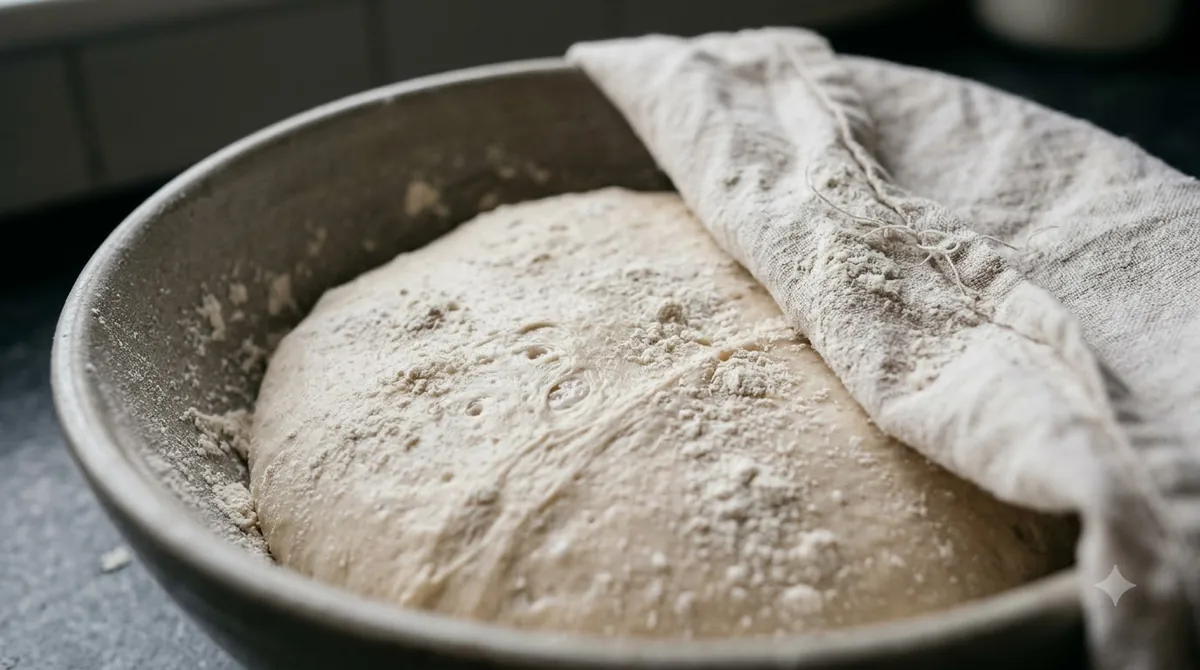

How to make pizza dough in a stand mixer means combining flour, water, salt and yeast with the dough hook, mixing on low speed, then kneading until the dough is smooth and pulls cleanly from the bowl. The machine does the hard work of kneading, so learning how to make pizza dough in a stand mixer gives a faster and more even result than mixing by hand. Following your recipe and your mixer manual keeps the motor safe and the dough consistent.
What You Need Before You Start
A stand mixer with a dough hook, a mixing bowl, a digital kitchen scale and a covered container are the core tools for how to make pizza dough in a stand mixer at home.
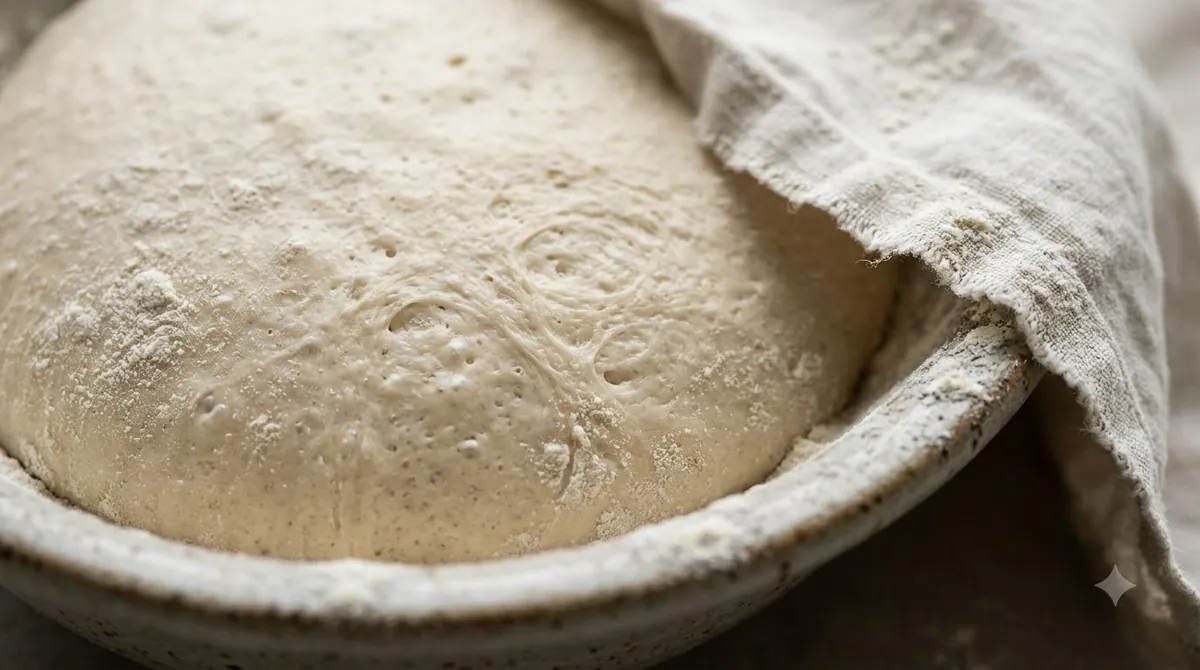
For how to make pizza dough in a stand mixer, the dough hook is the attachment built for stiff yeast dough. The flat beater can combine ingredients at the start, but it is not designed to develop gluten the way a hook does. Use the hook for the kneading stage.
Weigh your flour, water and salt when your recipe gives grams. Weighing is more accurate than scooping cups, and small differences in flour change how wet or dry the dough feels. A good digital kitchen scale makes this step quick. Keep a covered container nearby so the dough can rise without drying out.
- Stand mixer with a dough hook attachment
- Digital kitchen scale for flour, water and salt
- Lightly oiled bowl or covered container for the rise
- Flour for dusting the bench when you shape the dough
How to Make Pizza Dough in a Stand Mixer: Step-by-Step Method
The method for how to make pizza dough in a stand mixer has three stages: mix, knead and rise. Mix on low speed first, add salt and yeast in the order your recipe gives, then knead with the dough hook until the dough is smooth and elastic.
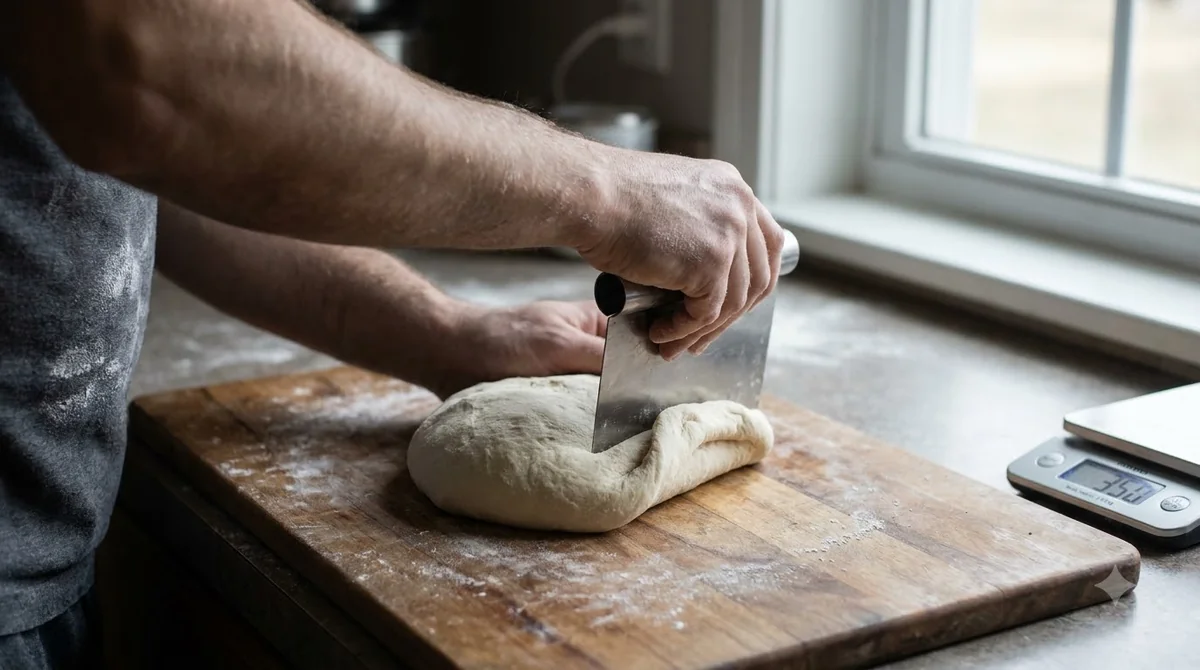
Mix on Low Speed First
Start by combining the flour with the water, the first move in how to make pizza dough in a stand mixer, then add the yeast and salt. Keep the speed low so the flour stays in the bowl.
As a worked example for how to make pizza dough in a stand mixer, King Arthur’s pizza crust recipe uses 360 g (3 cups) of all-purpose flour, 198 to 255 g of lukewarm water, 2 teaspoons of yeast, 25 g of olive oil and 8 g of table salt. Choosing the right flour matters, so see our guide to the best flour for pizza dough. Many recipes ask you to rest the mixture briefly so the flour hydrates before kneading. Check your recipe for that step, since not every pizza dough needs a rest.
Knead Until the Dough Is Smooth
Raise the speed only as your recipe or manual allows, then knead until the dough is smooth and pulls away from the sides of the bowl. Kneading time depends on the flour, the hydration and the mixer, so check the recipe and the manual for the exact time. In that King Arthur recipe, the dough is kneaded on second speed for about 4 to 5 minutes, until it barely cleans the sides of the bowl and may still stick a little at the bottom. It can look rough on the surface, and the recipe warns against over-kneading. Stop the machine if the motor sounds strained, and let it cool before continuing.
Stand mixers can overheat when they knead stiff dough for a long time. Work in short bursts, and avoid running the machine on high for extended periods. This protects the motor and gives the gluten time to develop evenly.

How to Tell When the Dough Is Ready
When you make pizza dough in a stand mixer, ready dough is smooth, elastic and springs back slowly when you press it. It may cling to the bowl at first, then start to pull away as the gluten builds.
- The surface looks smooth, with no dry patches of flour.
- The dough pulls away from the sides of the bowl and mostly lifts off as one piece.
- A small piece stretches thin without tearing right away.
If the dough is still very sticky after the recipe time, add flour a spoonful at a time rather than adding more water. The same recipe gives a water range for a reason: use less water in summer or humid weather and more in winter or dry climates. Our guide to fixing pizza dough that is too sticky covers more fixes.
Rising and Resting the Dough
Move the dough to a lightly oiled, covered container and let it rise until it has grown in size. The rise time and temperature depend on the recipe and the yeast, so use the times given in your source. In the King Arthur recipe, same-day dough rises in a lightly greased, covered bowl until very puffy, about 1 hour with instant yeast or 90 minutes with active dry yeast.
This is the third stage of how to make pizza dough in a stand mixer.
Some cooks prefer a slow rise in the fridge for more flavor. This is a choice made in the recipe, not a requirement, and it changes the timing. For make-ahead pizza, that recipe lets the dough rise for 45 minutes at room temperature, then refrigerates it for 4 to 24 hours and takes it out 2 to 3 hours before baking. Our pizza dough proofing times guide explains how to judge a good rise. Let the dough come back toward room temperature before you shape it, so it stretches more easily. When you are ready to shape, see how to stretch pizza dough by hand.
Common Mistakes and Fixes
When you practise how to make pizza dough in a stand mixer, most problems come from the water amount, overkneading or overheating the motor. Change one thing at a time and keep notes on what you did.
| Problem | Likely cause | Fix |
|---|---|---|
| Dough is too sticky | Too much water or flour not weighed | Add flour a spoonful at a time and knead again |
| Dough is dry or crumbly | Not enough water for the flour | Add water a little at a time |
| Dough is tough and tears | Overkneading or a rest step was skipped | Cover and rest the dough, then shape gently |
| Motor runs hot or strains | Stiff dough kneaded too long on high | Knead in short bursts and let the machine cool |
Frequently Asked Questions
Do I need a dough hook to make pizza dough in a stand mixer?
Yes, the dough hook is the attachment built for kneading yeast dough, and it is the key tool when you learn how to make pizza dough in a stand mixer. You can use the flat beater for the first mix if your recipe says so, but switch to the hook for kneading.
How long should I knead pizza dough in a stand mixer?
To make pizza dough in a stand mixer, knead until the dough is smooth, elastic and pulls from the bowl. Use the time given in your recipe and your mixer manual, since flour and hydration change the result.
Why is my stand mixer pizza dough too sticky?
The most common cause is too much water, or flour that was scooped rather than weighed. Add flour a spoonful at a time and knead again before adding more.
Can I make pizza dough in a stand mixer without a dough hook?
You can combine the ingredients with the flat beater, but kneading is harder to do well. Finish the dough by hand on a lightly floured surface until it becomes smooth, which still counts as a way to make pizza dough in a stand mixer when no hook is available.
Should pizza dough rise in the mixer bowl?
It can, but a separate lightly oiled, covered container is easier to shape from and to clean. Move the dough once kneading is finished.
Learning how to make pizza dough in a stand mixer takes most of the effort out of the process, but the recipe still decides the result. Keep a note of the flour, water and times you used each time you make pizza dough in a stand mixer, so the next batch is easier to repeat.
 6 min readLearnHow to Make Pasta With KitchenAid Mixer Dough OnlyUpdated Nov 13, 2026
 8 min readLearnHow Long to Knead Pizza Dough (By Hand and in a Mixer)Updated Nov 10, 2026
 9 min readLearnGarlic Knots from Pizza Dough: How to Make Them at HomeUpdated Nov 10, 2026
 8 min readLearnHow to Make a Pizza Dough StarterUpdated Nov 11, 2026
 8 min readLearnPoolish Pizza Dough: How to Make It for Better FlavorUpdated Nov 10, 2026
 8 min readLearnSame Day Pizza Dough: How to Make It Start to FinishUpdated Nov 10, 2026