

When you compare bow tie pasta vs farfalle, you are comparing two names for one shape. Farfalle is the Italian word for “butterflies,” and bow tie is the name used in the United States. The real differences are in size and cut, such as ridged farfalle rigate or the larger farfalloni, not in the name.
Bow Tie Pasta vs Farfalle: What the Names Mean
Farfalle is the Italian name and bow tie is the English name for the same shape. Neither name points to a separate recipe, dough or cut of pasta.
The name farfalle comes from the Italian word for butterflies. According to Wikipedia’s farfalle entry, the pasta is called bow tie in the United States. Each piece is a small rectangle or oval with two sides trimmed to a ruffled edge and the middle pinched together, and that shape is the reason both names exist.
The Pasta Project also notes that the pasta is often called bow-tie pasta outside Italy, and that the name comes from how the shape looks. Read that way, the two names are a question of language and region rather than a question about the pasta itself.
| Name | Language | Where it is used | What it means |
|---|---|---|---|
| Farfalle | Italian | Italy, where the shape originated | Butterflies |
| Bow tie pasta | English | United States, and often outside Italy | Describes the shape |
| Strichetti | Local word | Emilia-Romagna, and Lombardy in one source | Bow ties |
Shoppers often search for bow tie pasta vs farfalle when a recipe uses one name and the shelf uses the other. Because the shape is the same, a bag labeled bow tie can stand in for farfalle in a recipe without changing the cooking method.
Where Farfalle Comes From
Farfalle dates back to the 16th century in Lombardy and Emilia-Romagna, according to The Pasta Project.
The Pasta Project’s article on farfalle describes the shape as one of the oldest pasta shapes and names Lombardy and Emilia-Romagna as its home regions. See our farfalle pasta guide for the shape on its own.
The local name strichetti shows up in the same regions. Wikipedia describes it as a local word for bow ties in Emilia-Romagna, while The Pasta Project places it in Lombardy and Emilia-Romagna. The two sources do not match exactly on the regions, so Emilia-Romagna is the point both sources share.
Knowing that history helps explain why bow tie pasta vs farfalle appears in two languages on the same shelf. The origin explains the name, but it does not change how the pasta cooks.
The Variants Within the Farfalle Family
The main variants are ridged farfalle rigate and two sizes, farfalline for the small size and farfalloni for the large one.
Wikipedia lists these variants of the same basic shape. When you compare bow tie pasta vs farfalle on the shelf, the variant matters more than the name.
- Farfalle: the plain version, with ruffled ends and a pinched center.
- Farfalle rigate: the same shape with ridges on the surface.
- Farfalline: the miniature size.
- Farfalloni: the larger size. The Pasta Project spells it farfallone.
None of the fetched sources describes a difference in flavor or cooking method between plain and ridged farfalle. The ridges are the only visible difference the sources name, so check the label for the size and surface you want.
How the Shape Is Made at Home
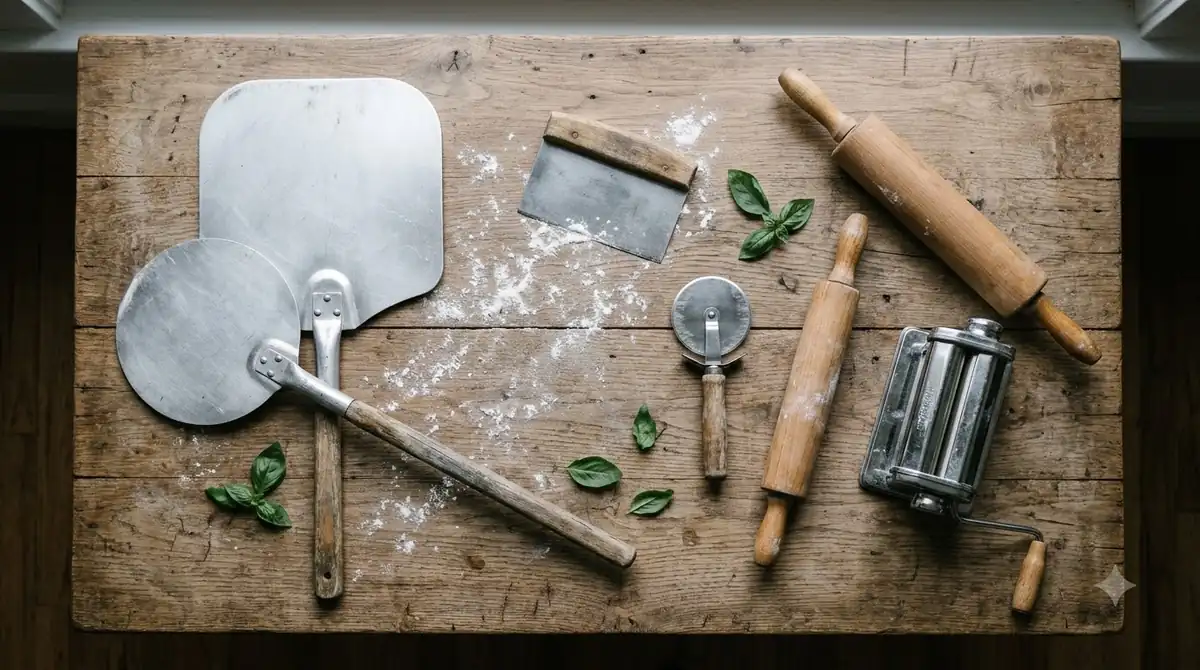
Farfalle starts as a small rectangle or oval of rolled dough, with two sides trimmed to a ruffled edge and the middle pinched together.
The Pasta Project says farfalle can still be made by hand, as it was in the past (our fresh pasta dough recipe covers the basic dough). Its home recipe uses 400 g of durum semolina, a pinch of salt and 220 ml of water for four people, with eggs able to replace the water; see semolina pasta vs egg pasta for how the two doughs differ.
Caputo’s recipe page gives these shaping steps for a semolina pasta dough:
- Rest the dough at room temperature for at least 30 minutes.
- Roll it into thin sheets with a rolling pin or a pasta machine (our guide on how to use a pasta machine helps).
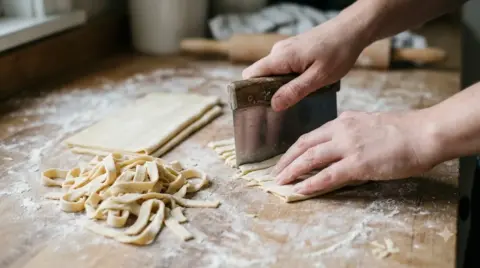
- Cut the sheet across its length with a knife, then across the width with a serrated pasta cutter.
- Pinch the straight edges toward the center, fold them inward and press to seal.
- Dry the shaped pieces on a semolina-dusted tray until you cook them.
Anyone comparing bow tie pasta vs farfalle for a homemade batch will shape both the same way, because the steps produce the same bow-tie form.

Does the Name Change How You Cook Farfalle?
No. Both names refer to the same pasta, so cooking depends on whether the pasta is fresh or dried and on the brand you buy.
Fresh homemade farfalle cooks fast. Caputo’s recipe page says to place it in a pot of boiling salted water for 2 to 3 minutes, and to add 1 to 2 minutes if you cook it from frozen.
Dried farfalle is different. The fetched sources do not give a reliable cooking time for dried boxes, and times vary by manufacturer. Read the cooking time printed on your package, and taste a piece before that time ends.
For a cook weighing bow tie pasta vs farfalle, the practical question is freshness, not the name on the bag.
Which Name to Use When Shopping
Use whichever name the package uses, because both describe the same shape and the size and ridges matter more than the label.
If you are shopping in the United States, you will usually see bow tie on the shelf, so bow tie pasta vs farfalle often comes down to which label the store prints. Searching for both names will likely show overlapping results, so try each if one returns few products.
Read the label for the size and whether the pasta is ridged. A bag labeled bow tie and a bag labeled farfalle rigate belong to the same family, and only the surface differs. In short, bow tie pasta vs farfalle is a naming question, and the size, surface and cooking time are what to check on the label.
Frequently Asked Questions
Is bow tie pasta the same as farfalle?
Yes. Bow tie pasta and farfalle describe the same pinched, ruffled shape. Farfalle is the Italian name, meaning butterflies, while bow tie is the name used in the United States. The Pasta Project notes that farfalle is often called bow-tie pasta outside Italy, which is why bow tie pasta vs farfalle is mostly a naming question.
What does farfalle mean?
Farfalle is the Italian word for butterflies, and the name refers to the shape. For bow tie pasta vs farfalle, that meaning is the reason the two names exist. Wikipedia gives the same meaning and describes the pasta as having trimmed ruffled edges and a pinched center, which gives it the look of a bow tie.
What is strichetti?
Strichetti is a local name for farfalle, and according to Wikipedia it is a local word for bow ties. The Pasta Project places the name in Lombardy and Emilia-Romagna. The two sources differ on the regions, so both are worth noting for anyone reading about bow tie pasta vs farfalle in Italian sources.
Is farfalle rigate different from plain farfalle?
Only in surface texture, as far as the fetched sources show. Farfalle rigate is the ridged version of the same shape, according to Wikipedia. None of the sources describes a difference in flavor or cooking method between the two, so bow tie pasta vs farfalle does not change the cooking advice.
How long should you cook farfalle?
Fresh homemade farfalle needs about 2 to 3 minutes in boiling salted water, according to Caputo’s recipe page, and 1 to 2 minutes more if cooked from frozen. Dried farfalle times vary by brand, so use the time printed on your box.
If you are choosing a package, bow tie pasta vs farfalle matters less than the size and whether the pasta is ridged. Pick the size that suits your sauce, check the cooking time on the box, and if you make the pasta at home, use fresh dough and time the cooking by the minutes listed in the recipe.
 6 min readLearnHow to Make Farfalle by Hand: Shaping Bow-Tie Pasta at HomeUpdated Nov 13, 2026
 6 min readLearnHomemade Farfalle: Cutting and Pinching Bow TiesUpdated Nov 13, 2026
 8 min readLearnFarfalline Pasta: The Miniature Bow-Tie ExplainedUpdated Nov 10, 2026
 8 min readLearnSame Day Pizza Dough: How to Make It Start to FinishUpdated Nov 10, 2026
 8 min readLearnFarfalle Pasta: What It Is, Best Sauces and How to Make ItUpdated Nov 7, 2026
 10 min readLearnHow to Cook Pasta in the Oven: Two Simple MethodsUpdated Nov 10, 2026