
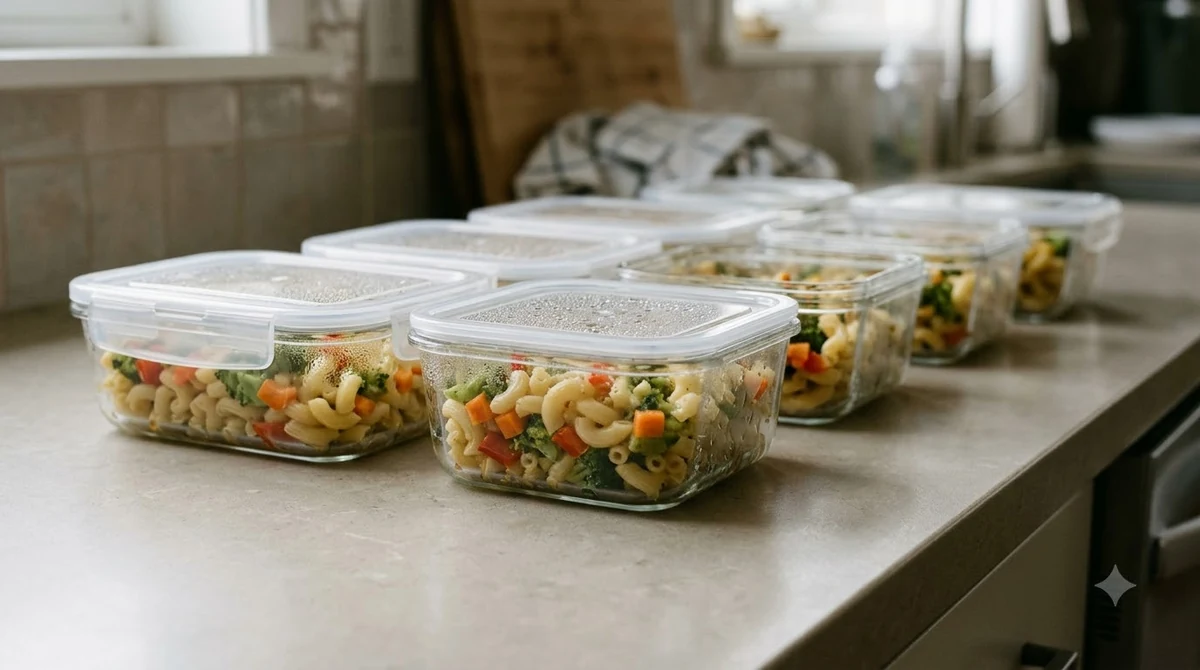

Knowing how to freeze fresh mozzarella helps you save leftover balls, but expect a softer, drier cheese after thawing. Fresh mozzarella holds more water than almost any other cheese, and that water forms ice crystals that damage its texture. Freezing works best when you plan to cook the cheese later rather than eat it cold.
Why Fresh Mozzarella Freezes Poorly
Fresh mozzarella has the highest water content of any cheese style, so freezing damages its structure more than it does firmer cheeses.
When water inside the cheese freezes, it expands. The Takeout’s report on freezing fresh cheese quotes a cheese expert who says that expansion can damage the cheese’s structural integrity. Once thawed, the cheese often turns rubbery, grainy or wet, which is why the loss is most visible when you eat it plain.
The same expert says the quality loss will be significant if thawed fresh mozzarella is served alone or in a salad. In other words, the problem is not safety but eating experience. A ball that looks fine after thawing may still feel softer and crumble more easily than a fresh one.
Decide Whether Freezing Is Worth It
Before you learn how to freeze fresh mozzarella, decide whether it is worth doing. Freeze only good-quality cheese that you cannot use before its date, because poor cheese does not improve in the freezer.
The Center for Dairy Research cheese storage bulletin from the University of Wisconsin-Madison says a poor-quality mozzarella comes out of frozen storage worse than it went in. A good-quality mozzarella, frozen and thawed correctly, comes out in about the same condition. That line is about mozzarella in general, so the warning about fresh balls above still applies.
The same bulletin, written for cheese manufacturers, says that for cheese expected to be sold within about six months, holding it at low temperatures just above freezing (28 to 32 °F, colder than a home fridge) is probably better than freezing, and that freezing may be the better option for longer holds. Read that as a sign that freezing suits a surplus you will not use for a long time, not a few days of leftovers.
Refrigerate or Freeze: A Quick Comparison
Before you choose how to freeze fresh mozzarella, compare it with simply refrigerating: refrigeration suits fresh mozzarella you will eat within days, while freezing suits a surplus you plan to cook later.
| Option | Best for | Main trade-off |
|---|---|---|
| Keep in original brine, chilled | Cheese you will eat within a few days | Adds only a short extra shelf life, per the sources reviewed |
| Drain, vacuum pack and freeze | Surplus you will cook later | Texture changes after thawing |
| Freeze in brine | Not recommended | The bulletin says fresh mozzarella should not be held in water |
How to Freeze Fresh Mozzarella: Drain, Dry and Portion
Remove the balls from their brine before freezing, because the liquid is what makes the texture worst in the freezer. Home-cooking and retail guides agree on the basic prep, although they do not cite a dairy source for each step.
- Pour off the brine and discard it.
- Pat each ball dry with paper towels and let it sit for a minute so extra liquid drains off.
- Divide the cheese into portions that match one meal, so you never need to refreeze leftovers.
Portioning is the step most people skip, and it matters. A large frozen block has to thaw in full before you can use any of it, and every thaw cycle adds stress to the texture.
Step 2: Vacuum Pack or Wrap Airtight
When you learn how to freeze fresh mozzarella, vacuum packing is the best option, because the Wisconsin bulletin says fresh mozzarella may need to be vacuum packed before freezing, and it should not be held in water.
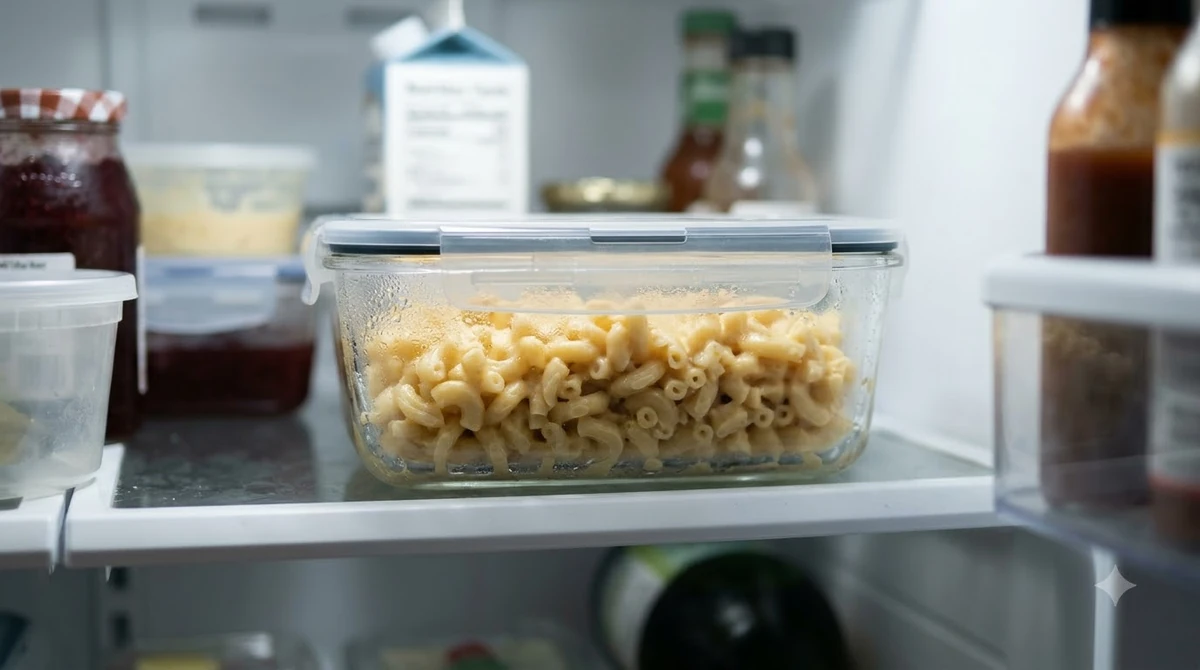
If you do not have a vacuum sealer, wrap each portion tightly in plastic wrap, then place it in a freezer bag with the air pressed out. Label the bag with the date so you can track how long it has been stored.
Freeze the portions flat on a tray or shelf. The bulletin advises freezing cheese as quickly as possible, and small, flat packs freeze faster than a bulky bag. Arla also advises keeping packs away from crushing pressure in the freezer.
Check your freezer type before you start. The bulletin warns that a self-defrosting freezer cycles through freezing and thawing, which damages cheese texture, so use a standard freezer that holds a steady temperature.
How to Thaw Frozen Mozzarella
Thawing is the second half of how to freeze fresh mozzarella. Thaw it slowly in the refrigerator, flat in its bag, and do not refreeze it once it has thawed.
Arla Pro’s freezing and thawing guide recommends thawing its mozzarella flat in a fridge at 2 to 5 degrees Celsius for 3 days, or 72 hours, for the best functionality. Arla also advises freezing a small trial batch first to check the timing and the post-thaw quality. Arla’s product is a foodservice mozzarella, so treat its timing as a starting point for fresh balls rather than a guarantee.
The Wisconsin bulletin says the general rule for cheese is to thaw as slowly as possible, under refrigeration. It suggests allowing around a week so the moisture can settle back into the cheese, although some companies accept a couple of days. That guidance is written for commercial cheese, so treat the longer end of the range as a cautious starting point for fresh balls.
After thawing, keep the cheese below 5 degrees Celsius in a closed container and use it as soon as you can. Arla advises against refreezing thawed cheese, because a second freeze adds more ice crystal damage to a texture that has already suffered.
What Texture to Expect After Thawing
However carefully you follow how to freeze fresh mozzarella, expect a softer, drier and more crumbly cheese after thawing, and the change is most noticeable when you eat it cold.
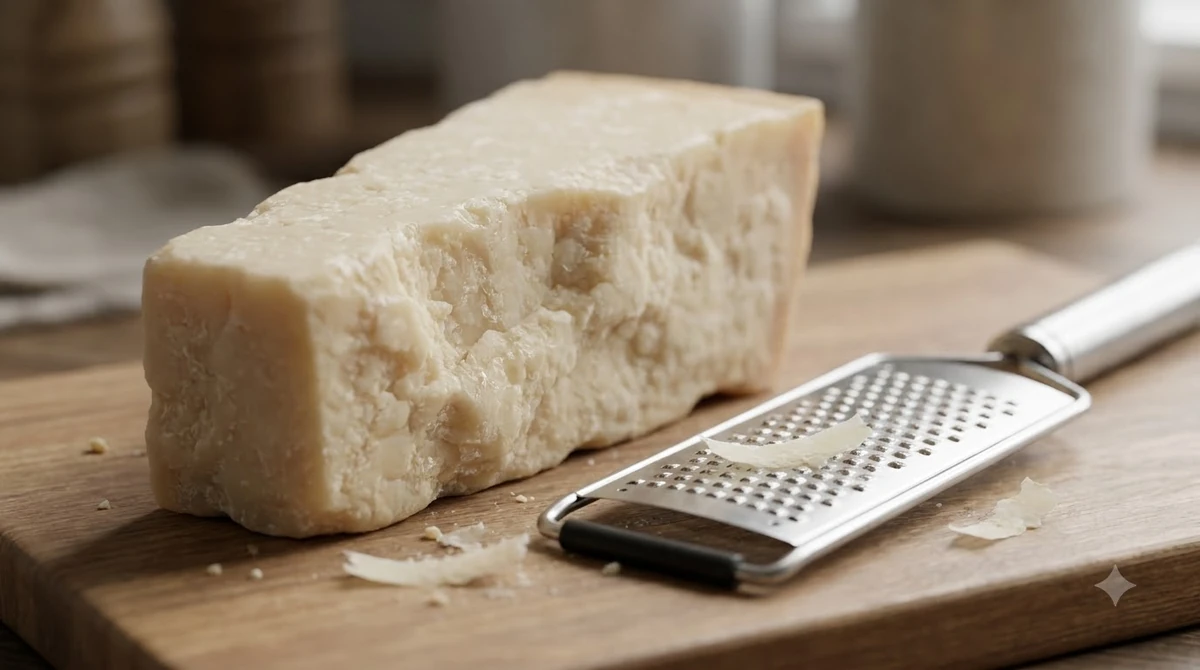
Shredded or grated mozzarella tolerates freezing better, because shredding has already broken up the structure. The Takeout’s expert says shredded mozzarella is fine for melting on pizza, since the extra damage from freezing matters less once the cheese is hot.
Good-quality cheese can come back close to its original condition if it is handled correctly, according to the Wisconsin bulletin. Fresh balls have a higher water content than most cheeses, so the difference is still easy to notice on the first bite.
If texture matters most for the dish, freeze a single test portion first and compare it with a fresh ball. That one check tells you more than any general rule about how your particular cheese will behave.
Best Uses for Thawed Fresh Mozzarella
Once you know how to freeze fresh mozzarella, use the thawed cheese in cooked dishes, where the texture change is least noticeable, and save fresh cheese for meals you serve cold.
| Use | Suitability after freezing |
|---|---|
| Caprese salad or cold sliced cheese | Poor. Use fresh cheese instead |
| Eaten plain or in a cold salad | Poor. The texture loss is significant |
| Pizza topping, torn or shredded | Good. Melts well when hot |
| Baked pasta or casseroles | Good. Cooking hides most of the change |
The ratings above follow the sources reviewed for this article. They are a practical guide, not a lab test, so a thawed portion that still tastes good in a hot dish is a fair result. For pizza night, see low-moisture vs fresh mozzarella for pizza and this cheese pizza recipe.
Common Mistakes to Avoid
The most common mistakes in how to freeze fresh mozzarella are freezing cheese in its liquid, freezing cheese near its use-by date and thawing it too fast.
- Freezing fresh balls in brine or water, which the bulletin advises against.
- Waiting until the use-by date, since Arla advises freezing before the last day of shelf life.
- Thawing quickly in warm water or on the counter, when the bulletin says to thaw as slowly as possible.
- Refreezing a portion after it has thawed.
- Using a self-defrosting freezer, which cycles temperature and damages texture.
What We Could Not Confirm About Storage Time
We did not confirm a safe freezer duration for fresh mozzarella balls from a primary source, so check the date on the pack and the guidance from your dairy.
The sources we read disagree. Some blogs suggest one to three months, while the Wisconsin bulletin says mozzarella can be held up to a year in a freezer as a general cheese statement. Neither figure was written for fresh balls specifically, so the safest approach is to test one portion before you freeze a large batch. For other freezer questions, see can you freeze cooked pasta.
Frequently Asked Questions
Can you freeze fresh mozzarella in its brine?
It is not a good idea. The Wisconsin bulletin says fresh mozzarella may need to be vacuum packed first and should not be held in water before freezing. Drain the balls, pat them dry, and wrap each portion before it goes into the freezer.
Can you refreeze mozzarella after thawing?
No, whatever you decide about how to freeze fresh mozzarella. Arla advises against refreezing thawed cheese, because a second freeze adds more ice crystal damage to a texture that has already changed. Keep the thawed portion below 5 degrees Celsius and use it as soon as you can.
Is shredded mozzarella better for freezing?
For cooking, yes. Shredded or grated mozzarella holds up better because its structure is already broken up. The Takeout’s expert says it is fine for melting on pizza, while fresh balls eaten cold are the hardest case.
Should you freeze mozzarella for a Caprese salad?
Usually not. The sources we reviewed say thawed fresh mozzarella loses too much texture to serve cold, so buy fresh cheese for salads and freeze any surplus for cooking.
How long can you keep frozen fresh mozzarella?
We could not confirm a duration for fresh balls. Blogs disagree, and the Wisconsin bulletin gives a general figure of up to a year for mozzarella. Check the date on your pack and test one portion before you rely on it.
If you have surplus fresh mozzarella, learn how to freeze fresh mozzarella properly: drain and dry it, vacuum pack it if you can, and thaw it slowly in the fridge. Reserve the frozen cheese for cooked dishes, and buy fresh balls when you plan a cold meal such as a Caprese salad. More kitchen explainers are in our Learn guides.
 5 min readLearnHow to Make Fresh Mozzarella at Home: Step-by-Step MethodUpdated Nov 13, 2026
 5 min readLearnHomemade Strozzapreti: 3 Easy Steps and SaucesUpdated Nov 13, 2026
 9 min readLearnHow to Store Fresh Mozzarella at HomeUpdated Nov 11, 2026
 8 min readLearnWhat Is Bocconcini? Small Fresh Mozzarella Balls ExplainedUpdated Nov 11, 2026
 8 min readLearnLow Moisture vs Fresh Mozzarella for Pizza: Which to UseUpdated Nov 10, 2026
 8 min readLearnHow to Freeze Pesto: Ice Cube Trays, Storage and ThawingUpdated Nov 11, 2026