
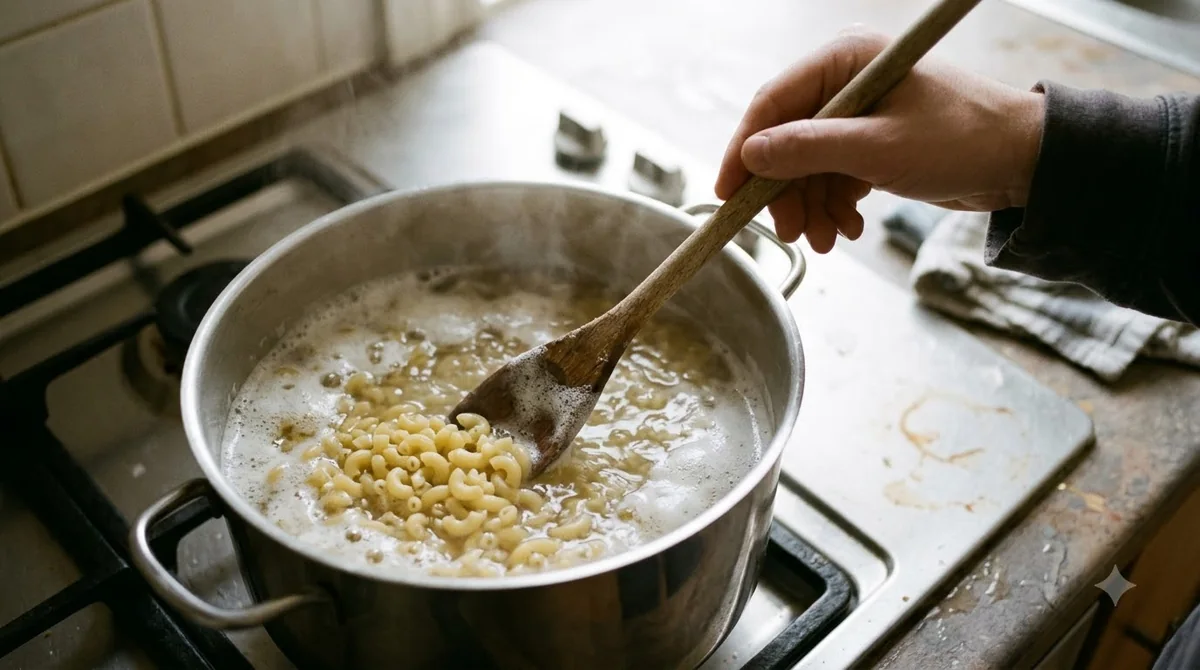

Learning how to make risotto is a matter of patience and warm stock. Toast arborio rice in olive oil, add warm broth a half cup at a time, stir often and stop when the grains are tender with a slight bite. The starch from the rice does the work of making the dish creamy, so no cream is needed.
Risotto has a reputation for being difficult, but the method is the same every time. The guide below covers the rice, the broth, the stirring and the finish, using a classic recipe and the rice guidance from the sources listed at the end.
Why Arborio Rice Works Best for Risotto
Arborio is a medium-grain Italian rice from the Po Valley in Piedmont. Its grains are high in starch, which is released slowly as the rice cooks in liquid and gives risotto its creamy texture.
Other rices such as carnaroli and vialone nano are also used in Italian kitchens. Long-grain rice does not release enough starch, so it will not turn creamy the same way. Use arborio or a similar short, plump grain for the best result.
How to Make Risotto: Ingredients and Amounts
A classic risotto for four uses about 2 cups of arborio rice and about 8 cups of vegetable or chicken stock. Not all of the stock is always needed, so keep a little extra on hand. The recipe checked for this guide also uses 1 cup of diced onion, 1 tablespoon of minced garlic, 2 tablespoons of olive oil and 1/2 cup of dry white wine.
Finish with 1 cup of grated Parmesan, 1/2 teaspoon of kosher salt and 1/8 teaspoon of black pepper. Butter is optional. Some cooks stir a spoonful into the finished rice for extra richness.
| Ingredient | Amount for four | Role |
|---|---|---|
| Arborio rice | 2 cups | Starch for a creamy body |
| Stock, kept warm | About 8 cups, used as needed | Cooks the rice gradually |
| Dry white wine | 1/2 cup | Acidity and depth |
| Onion and garlic | 1 cup diced onion, 1 tablespoon garlic | Flavor base |
| Parmesan | 1 cup, grated | Stirred in off the heat |
How to Make Risotto Step by Step
Start by warming the stock in a separate pan over low heat, aiming for about 120°F to 130°F before it goes in. Keeping the stock warm matters, because cold liquid cools the pan and slows the rice, which can make the texture uneven.
Soften the onion and garlic in olive oil for about 3 minutes, then add the rice and stir for about 2 minutes until the grains are coated and lightly toasted. Pour in the wine and stir until it has evaporated. The Jessica Gavin risotto method follows this order, and the toasting step helps the grains hold their shape.
- Warm the stock in a separate pan and keep it at a low simmer.
- Soften onion and garlic in olive oil for about 3 minutes.
- Toast the rice for about 2 minutes until the grains look slightly translucent at the edges.
- Add the wine and stir until it evaporates.
- Add warm stock a half cup at a time, stirring often, and wait for most of it to absorb before adding more.
- Taste from about the 20-minute mark. Stop when the rice is tender with a slight chew.
- Turn off the heat, then stir in the Parmesan, salt and pepper.
How Long Does Risotto Take to Cook?
Most risotto takes about 25 to 30 minutes of adding stock and stirring, once the rice is in the pan. The exact time depends on the rice brand, how hot the pan is and how much stock you add at once, so taste the rice rather than watch the clock.
The RiceSelect arborio guide gives a different starting point, about 1 1/2 cups of rice with 5 cups of hot broth added about 1 cup at a time. Ratios vary from one recipe to another, so treat the amounts as a starting point and add liquid until the texture is right.
Simple Variations on a Basic Risotto
Once you have the method down, changing the flavor is straightforward. Mushrooms are a classic addition, and they should be cooked separately first so they brown and release their liquid before the rice goes in. Add the cooked mushrooms near the end so they keep their texture.
Peas, lemon zest or fresh herbs can be stirred in during the last few minutes. Saffron is another option, bloomed in a little warm stock before it joins the pot. Add delicate ingredients late, and taste for salt once the Parmesan is in, since the cheese adds salt of its own.
How Stirring Affects the Texture
Stir often enough to keep the rice moving and prevent it from sticking to the pan, but you do not need to stir without pause. Frequent stirring rubs starch off the grains and helps the sauce become creamy as the liquid is absorbed.
Keep the heat at a steady simmer. If the rice cooks too fast and dries out, lower the heat and add stock sooner. If the liquid pools and the rice seems soupy, let it simmer a little longer with the lid off before you serve.
Frequently Asked Questions
Do you have to stir risotto constantly?
Constant stirring is not required. Stir often, especially as the liquid reduces, so the rice cooks evenly and does not stick. Stirring frequently is enough for most cooks.
Can you make risotto with cold broth?
Warm broth is the better choice. Cold stock slows the cooking and cools the pan, so the rice cooks unevenly. Keep the stock at a low simmer in a separate pot while you cook the rice.
Should you rinse arborio rice before cooking?
No. The surface starch on the grains is needed for a creamy texture, so do not rinse the rice before you cook it.
Why is my risotto gluey?
Gluey risotto usually means too much stirring or too much stock added at once. Cook the rice over moderate heat and let each addition of stock mostly absorb before adding the next.
Learning how to make risotto gets easier with practice. Warm the stock, toast the rice well and taste as you go. Once you know how the rice behaves in your pan, you can change the flavor with mushrooms, peas or saffron and keep the same method.
 6 min readLearnHow to Make Arancini: Crispy Fried Risotto Rice BallsUpdated Nov 13, 2026
 6 min readLearnHow to Make Risotto alla Milanese: Saffron Rice Step by StepUpdated Nov 13, 2026
 5 min readLearnHow to Make Calzone Dough: Flour Blend, Rise Time and Make-Ahead TipsUpdated Nov 13, 2026
 6 min readLearnHow to Make Gnocchi Without Potato: Ricotta Method and TipsUpdated Nov 13, 2026
 5 min readLearnHomemade Penne: Dough, Shaping and Cooking TipsUpdated Nov 13, 2026
 5 min readLearnHomemade Macaroni: Dough, Shaping, Drying and Cooking TipsUpdated Nov 13, 2026