
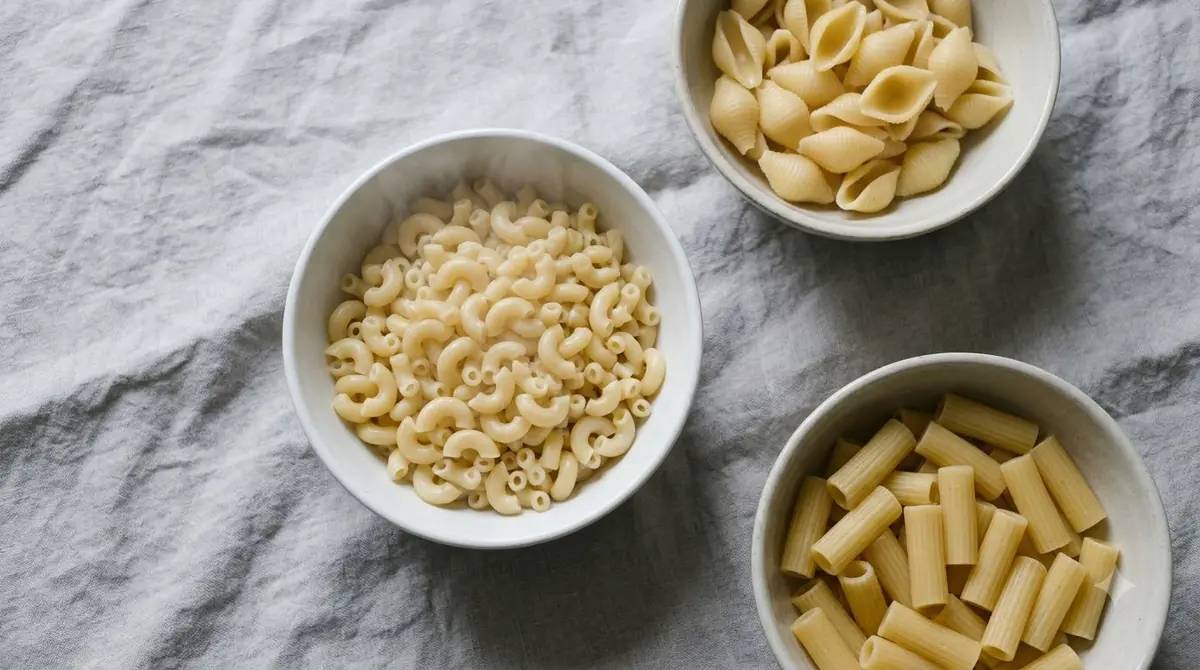

Is pasta healthy? Yes, it can be part of a healthy diet, as long as you pay attention to the type, the portion, and what you put on top. Whole-wheat pasta has more fiber than refined pasta, a cup of cooked spaghetti is a reasonable serving for most meals, and vegetables and lean protein make the plate more balanced. Pasta is high in carbs, so it works best as one part of a meal rather than the whole thing.
The question is less about whether pasta is good or bad and more about how it fits into your day. The sections below cover the nutrition in a cup of cooked spaghetti, the difference between refined and whole-grain pasta, and the toppings that tend to change the calorie count the most.
What Is the Nutrition in Pasta?
A cup of cooked spaghetti contains a moderate amount of calories and a large share of carbohydrates, with a useful amount of protein. The exact numbers depend on the type of pasta.
According to the nutrition figures in a guide from Healthline on whether pasta is healthy, one cup of cooked spaghetti looks like this:
| Nutrient (1 cup cooked) | Whole-wheat | Refined or enriched |
|---|---|---|
| Calories | 174 | 220 |
| Protein | 7.5 g | 8.1 g |
| Carbs | 37 g | 43 g |
| Fiber | 6 g | 2.5 g |
| Fat | 0.8 g | 1.3 g |
The figures show the main trade-off. Whole-wheat spaghetti gives you more fiber and slightly fewer calories and carbs per cup, while refined pasta is still a source of protein and carbohydrate energy.
Is Whole-Wheat Pasta Better Than Refined?
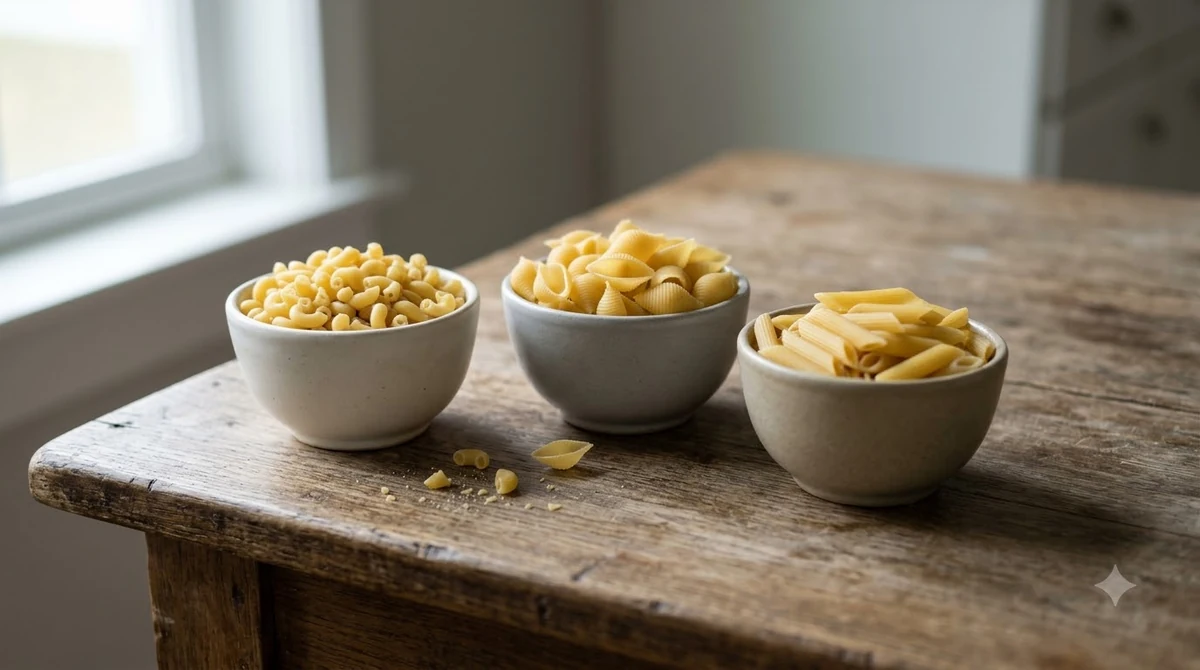
For most people, whole-wheat pasta is the better everyday choice because of its fiber, but refined pasta still has a place in a balanced diet.
Healthline notes that refined pasta is higher in calories and lower in fiber. In one study it found, whole-grain pasta increased fullness more than refined pasta, which can help with portion control. Whole-grain pasta also supplies more manganese and selenium, while refined enriched pasta typically has more iron and B vitamins.
Whole-grain pasta is made from finely milled flour, so it does not offer all the benefits of intact whole grains such as oats or brown rice. The evidence on blood sugar is also mixed. The same guide cites one small study of 16 people that found no difference between whole-grain and refined pasta, so the choice should rest on fiber and taste rather than on a promise of better blood sugar control.
How Much Pasta Is a Healthy Portion?
A common reference is about one cup of cooked pasta per meal, which matches the serving used in the nutrition figures above. Portion size matters more than the pasta type alone, because the calories add up quickly.
Healthline advises that you keep portion sizes in check. A practical way to do this is to fill half the plate with vegetables, add a palm-sized portion of protein, and then place a modest serving of pasta alongside. This keeps the carbohydrates present without making them the bulk of the meal.
Dry and cooked pasta are measured differently, which is a common reason people overeat without realizing it. Dry pasta swells as it cooks, so a cup of cooked spaghetti comes from a smaller amount of dry pasta than most people expect. If you cook by eye, use a measuring cup once or twice to learn what a portion looks like on your plate, then keep using that size.
Eating out is another place where portions grow. Restaurant plates often hold two or three times the amount in the nutrition figures above. You can still enjoy a restaurant pasta by sharing it, asking for a half portion, or eating a salad or vegetable starter first.
Which Toppings Make Pasta Healthier?
Toppings often decide whether a pasta meal is light or heavy. Cream sauces and large amounts of cheese add calories quickly, while olive oil, fresh herbs, and vegetables add flavor with less fat.
The same guide says that cream-based sauces and cheeses add calories fast, and that olive oil, fresh herbs, or vegetables are lighter options. Lean protein such as fish or chicken makes the meal more filling, and vegetables such as broccoli, bell peppers, and tomatoes add nutrients and fiber. A simple tomato sauce with vegetables and a little grated cheese is usually a better everyday base than a heavy cream sauce.
- Start with a whole-wheat or high-fiber pasta when you can.
- Measure a cooked portion of about one cup, or weigh the dry pasta if you are tracking closely.
- Add at least one vegetable and a lean protein to the plate.
- Use a tomato, olive oil, or herb sauce more often than a heavy cream sauce.
When Should You Avoid Pasta?
Most people can eat pasta, but wheat-based pasta is not safe for everyone. People with celiac disease or gluten sensitivity should avoid it and choose certified gluten-free pasta instead.
Healthline also points out that diets high in carbs have been linked to diabetes, metabolic syndrome, and obesity, but those studies show an association rather than cause.
Frequently Asked Questions
Is pasta healthy for weight loss?
Pasta can fit into a weight-loss plan when the portion is measured and the sauce is light. Pair it with vegetables and protein, and it becomes easier to feel full on fewer calories.
Is whole-wheat pasta healthier than regular pasta?
In the figures above, whole-wheat pasta has more fiber and slightly fewer calories and carbs per cup. It is generally the better choice for daily meals, though the two types are similar in protein.
Does pasta raise blood sugar?
Pasta is a carbohydrate, so it does raise blood sugar. The effect depends on the portion, the type of pasta, and what you eat with it. Anyone managing blood sugar should check the plan with a healthcare professional.
Is fresh pasta healthier than dried?
The guide we read did not compare fresh and dried pasta, so the nutrition figures above refer to cooked spaghetti. Check the label on the package you buy, since egg content and flour type change the numbers.
Pasta is not a food to fear. Choose whole-wheat when you can, keep the portion to about a cup, and build the rest of the plate around vegetables and protein. With those habits, pasta can be a satisfying part of a balanced week.
 7 min readLearnFarfalloni Pasta: 5 Simple Facts and the Best SaucesUpdated Nov 11, 2026
 7 min readLearnTagliatelle Pasta: Easy Recipe, Sauces and Facts for 2026Updated Nov 6, 2026
 5 min readLearnFresh Pasta for 4 People: How Much Dough to MakeUpdated Nov 13, 2026
 5 min readLearnRigatoni Substitute: 4 Pasta Shapes That Work Just as WellUpdated Nov 13, 2026
 6 min readLearnRotini Substitute: Fusilli and 4 Other Pasta SwapsUpdated Nov 13, 2026
 5 min readLearnBest Sauce for Orecchiette: 4 Pairings That Cling to the PastaUpdated Nov 13, 2026