
Pansoti pasta is a stuffed pasta from Liguria, in northwest Italy, filled with wild greens and cheese and usually served with walnut sauce. The name comes from the Italian word for belly, a nod to its round shape. Recipes differ on dough, filling and sauce, so the choices matter.
Recipes for pansoti pasta disagree on egg dough, the herb mix and the sauce base. Each section below covers one of those choices, with quantities from published recipes.
What Is Pansoti Pasta?
Pansoti pasta is a Ligurian stuffed pasta, named after the Italian word for belly, and it is traditionally eaten in Genoa and its province.
The dish is a typical part of Ligurian cooking. Genoa’s official guide says pansoti are served in restaurants and trattorias across the city and its province, and that fresh pasta shops sell them too. The Genoese name comes from “pancia” (belly), which describes the round, bundle-like shape of a well-filled piece.
The shape of pansoti pasta is not fixed. Sources describe pansoti as triangles, half-moons or a large round tortello. The triangle is the form most readers picture, and it is the shape this guide follows.
How Pansoti Are Shaped
Pansoti pasta is shaped by cutting dough into squares, adding a small spoonful of filling, folding the square into a triangle and sealing the edges firmly.
Square size for pansoti pasta varies by source. Guida di Genova describes squares of about 5 cm, The Pasta Project says 5 to 7 cm, and Ciao Italia uses 2-inch squares.
- Roll the dough thin and cut it into even squares.
- Place a scant teaspoon of filling in the center of each square. Ciao Italia uses that amount for its Rapallo-style pansotto.
- Fold the square into a triangle, pressing along the edges to enclose the filling.
- Seal the edges firmly so the filling stays inside while the pasta cooks.
Some cooks join the two outer corners of the triangle to make a tortello shape. For a larger filled shape, see the larger tortelloni, and for a plainer square fold, try homemade ravioli.
Egg Dough or Egg-Free Dough
Pansoti pasta dough is either egg-free, as in the Genoese style, or made with one or two eggs, as in the Rapallo style, and both rest for about 30 minutes before rolling.
| Style and source | Flour | Egg | Liquid |
|---|---|---|---|
| Genoese style (GialloZafferano) | 300 g plain flour | None | 85 ml dry white wine and 100 ml water |
| Rapallo style (Ciao Italia) | 1 cup 00 flour and 1 cup all-purpose flour | 1 egg | 1/3 to 1/2 cup white wine and 1 teaspoon olive oil |
| Egg-rich style (The Pasta Project) | 500 g Italian 00 or all-purpose flour | 2 eggs | 2.5 fl oz white wine and 4 fl oz lukewarm water |
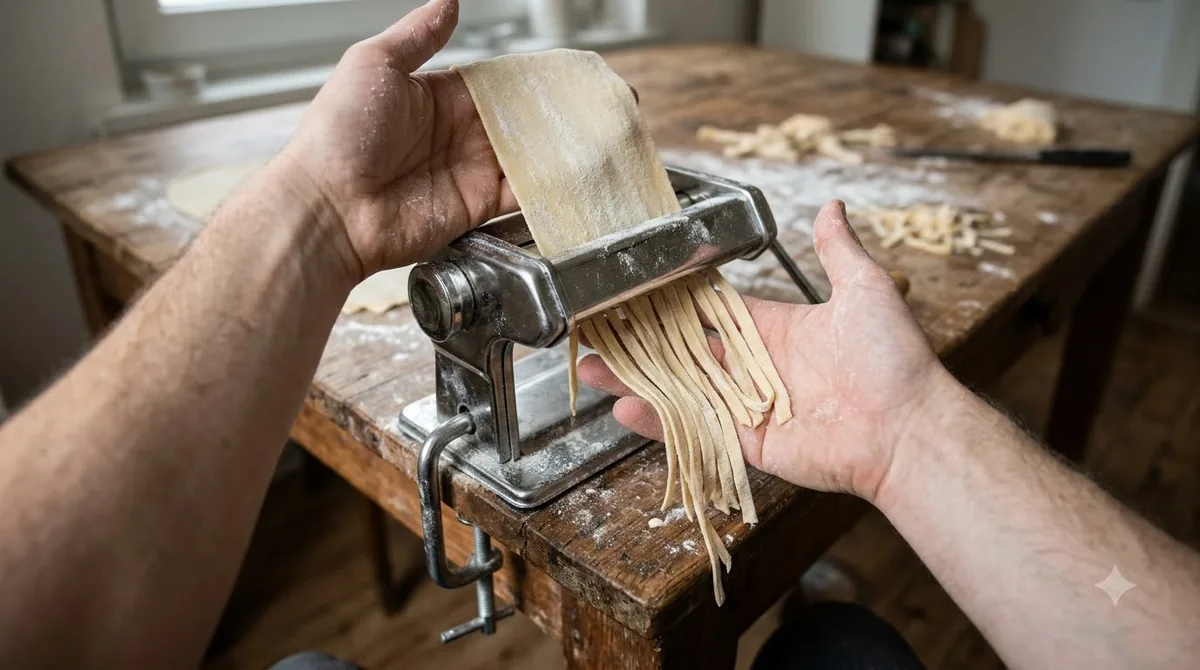
Choosing a dough for pansoti pasta comes down to texture and tradition. A basic fresh pasta dough recipe covers the egg version, and rolling sheets with a pasta machine keeps the squares thin. The Pasta Project notes that an egg-free dough works by increasing the water and wine slightly.
If you want the Genoese texture, choose the egg-free dough. Both egg-rich recipes in this guide also put egg in the filling.
What Goes Inside the Filling
The traditional filling for pansoti pasta is preboggion, a mix of wild herbs bound with a soft fresh cheese, and many recipes replace it with chard, spinach or borage.
For pansoti pasta, preboggion is hard to find in shops, and the herb mix changes with the season. Ciao Italia says the traditional mix uses at least seven wild herbs, while The Pasta Project’s author cites 14 herbs in the full mix and notes that no one uses all of them in one filling.
The Pasta Project quotes the official Rapallo recipe as requiring at least four types of herb, at least half borage and no more than one fifth Swiss chard. Borage makes up a large share of the official mix, so it is worth finding if you can.
A Genoese filling from GialloZafferano uses these ingredients:
- 700 g preboggion, or chard, spinach and borage
- 250 g prescinsea, or ricotta mixed with yogurt
- 30 g grated Parmesan
- Marjoram, salt and pepper to taste
Prescinsea is a Ligurian fresh cheese, and outside Liguria the usual swap is ricotta blended with yogurt. The Rapallo-style filling from Ciao Italia takes a different route, with two eggs, half a cup of ricotta, one cup of cooked greens, one cup of cooked spinach and one cup of grated Parmigiano Reggiano or Grana Padano.
Walnut Sauce and Other Ways to Serve
Pansoti pasta is traditionally dressed in walnut sauce, usually made from walnuts, garlic, marjoram and Parmigiano, with milk, bread or ricotta added to make it creamy.
The Pasta Project’s walnut sauce recipe uses 200 g shelled walnuts, one tablespoon of pine nuts, 40 g Parmigiano, one garlic clove, 200 ml milk, two slices of country bread soaked in the milk, olive oil and one teaspoon of fresh marjoram. Ciao Italia’s version swaps the bread and milk for half a cup of ricotta and uses about half a pound of walnuts.
The sauce for pansoti pasta is thick, so it needs thinning before it coats the pasta. The Pasta Project suggests adding about half a ladle of the cooking water, and keeping a cup of water in reserve in case the pansoti look dry.
Two other options appear in the sources:
- Sage butter and Parmesan, which Guida di Genova lists as an alternative to walnut sauce.
- Basil pesto, which The Pasta Project says traditionalists do not consider a match for pansoti.
The Pasta Project also lists vegetarian Parmesan as an alternative to Parmigiano Reggiano in both the filling and the sauce.
Cooking and Freezing Pansoti
Cook fresh pansoti pasta in salted water for 8 to 10 minutes, taste one before draining, and freeze any extra uncooked pieces on floured trays.
- Bring a large pot of salted water to a boil and warm the walnut sauce in a separate pan.
- Cook the pansoti for 8 to 10 minutes, then taste one before draining.
- Toss the pasta gently in the sauce, adding pasta water to loosen it.
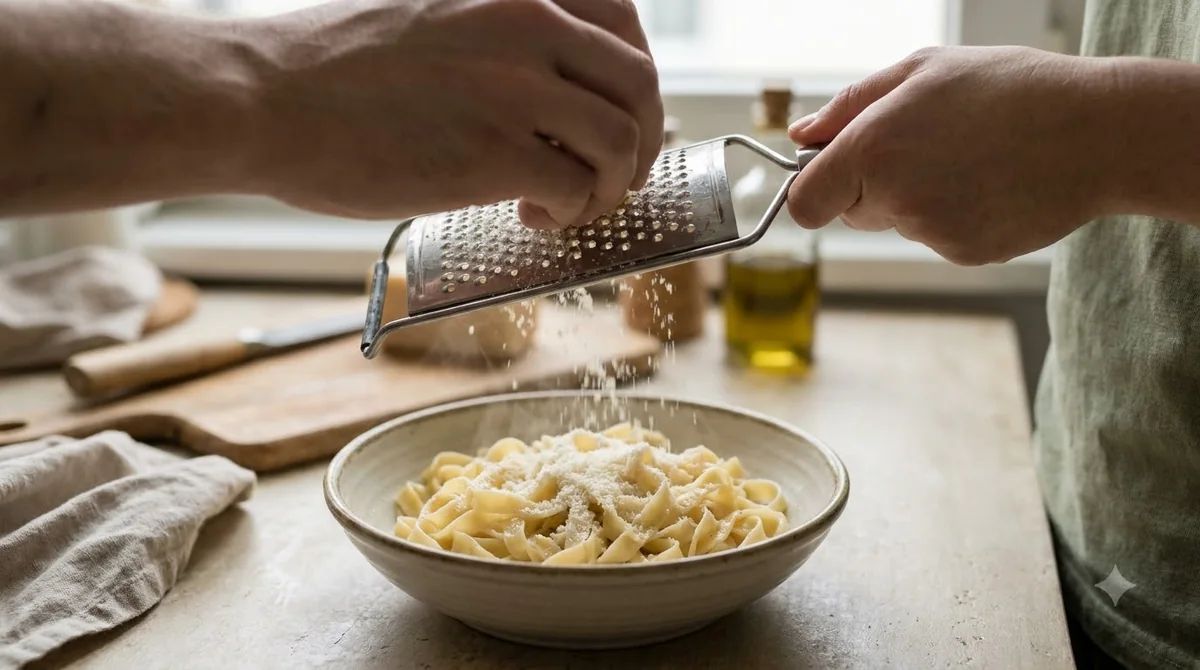
- Serve hot and pass grated Parmigiano Reggiano at the table.
Ciao Italia also advises keeping the walnut sauce warm while the pansoti cook, so the sauce is ready the moment the pasta is drained.
To freeze pansoti pasta, place the shaped pieces on floured trays, cover them and freeze. After 12 hours, move them to a bag. GialloZafferano says they can be cooked from frozen, so there is no need to thaw them first.
Where the Name and Recipe Come From
The dish now called pansoti pasta has its earliest print mention in a 1931 Italian guide from Touring Club Italiano, according to The Pasta Project, but the origin story rests on a few secondary sources.
The name of pansoti pasta is tied to “pansa,” the Genoese word for belly. The Pasta Project quotes the 1931 guide, which described a Rapallo recipe written in dialect as “pansoti cu a salsa de nuge,” meaning pansoti with walnut sauce. Ciao Italia places the origin in San Martino di Noceto, a small village near Rapallo where walnuts were plentiful, and says locals used wild herbs to make a cheap filling.
These accounts come from recipe and food sites, and this guide could not check the 1931 guide directly. Treat the date and village as the best available account rather than settled history. For another regional stuffed pasta, see Sardinian culurgiones.
Frequently Asked Questions
What does pansoti mean?
Pansoti pasta gets its name from the Italian word for belly, pancia, which describes the round, bundle-like shape of the pasta. In Genoese dialect the root appears as pansa. Spelling varies between pansoti and pansotti depending on the area.
Is pansoti pasta made with egg?
It depends on the recipe. The Genoese style from GialloZafferano uses no egg, while the Rapallo-style recipe from Ciao Italia uses one egg. Both use white wine and rest the dough for about 30 minutes before rolling.
Can you use ricotta instead of prescinsea?
Yes. GialloZafferano suggests ricotta mixed with yogurt as a substitute for prescinsea, a Ligurian fresh cheese that is hard to find elsewhere. Ricotta keeps the filling soft and mild.
How long do pansoti take to cook?
The Pasta Project recommends cooking pansoti for 8 to 10 minutes and tasting one before draining. Ciao Italia says to boil them until al dente. Frozen pieces can go straight into the water, according to GialloZafferano.
Where can you eat pansoti pasta?
Guida di Genova says pansoti are traditionally served in restaurants and trattorias in Genoa and its province. Fresh pasta shops and delicatessens sell them too and prepare walnut sauce to go with them. Check current menus before visiting.
For a traditional result, choose an egg-free dough, a walnut sauce thinned with pasta water and a filling built on greens and fresh cheese. If the pasta needs to handle easily or you want a firmer sheet, an egg dough is the safer choice.