
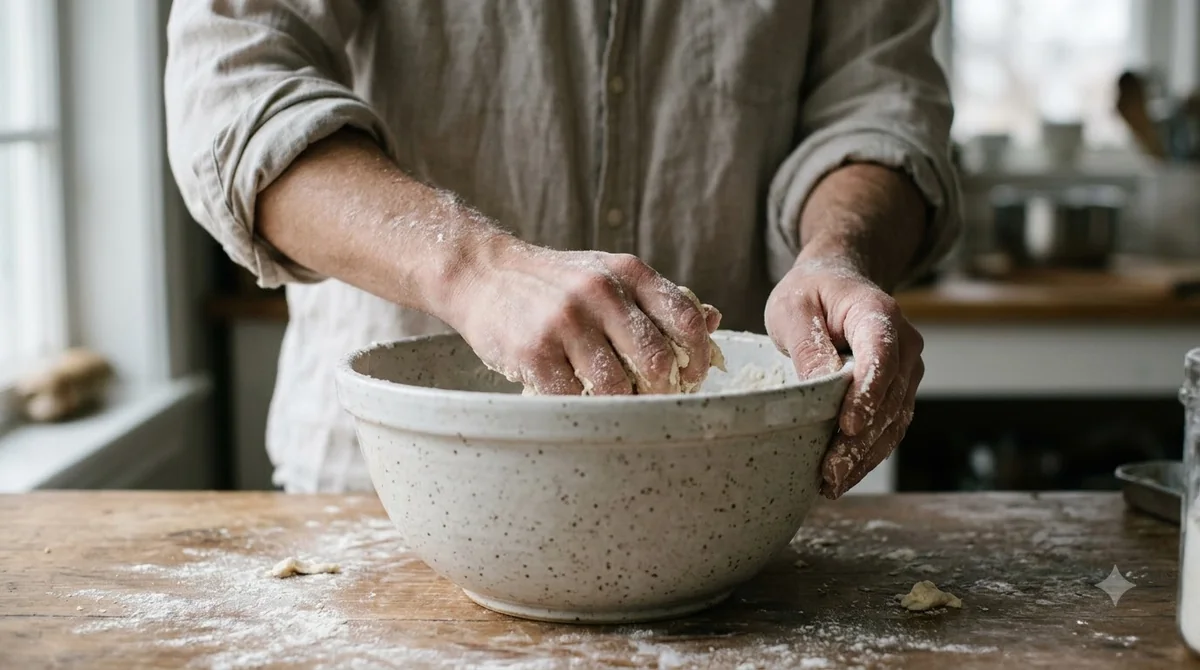

A panzerotti recipe makes small fried Italian turnovers filled with tomato and mozzarella, using a simple yeast dough and oil heated to 350 F. Panzerotti come from Apulia in southern Italy, and they look like small calzones with a fried finish. This panzerotti recipe is forgiving once you know how much filling to use and how to seal the edges.
The main risks are overfilling and wet tomatoes, which both push the dough open in the hot oil. Dry the tomatoes, use the amounts below, and seal each pocket firmly before frying. Follow the steps in order for the best panzerotti recipe results.
What Is a Panzerotti?
Panzerotti are fried, folded pockets of dough from Apulia. A panzerotti recipe starts from that dough. According to Wikipedia’s panzerotti entry, the name comes from the regional word panza, a form of the Italian pancia meaning belly, which describes how the pastry swells when cooked.
The dough is close to calzone dough, and the pastry is folded into a turnover. The key difference is cooking method. Panzerotti are usually fried, while calzones are typically baked in an oven, so a panzerotti recipe is really a fried pocket recipe. In parts of Italy the same fried product goes by other names, including calzoni fritti and pizze fritte. For another fried dough pocket, see the pizza fritta recipe.
Because the dough is a yeast dough, panzerotti need a rise and a short rest before frying.
Panzerotti Recipe Dough You Can Make at Home
The Recipes from Italy dough uses about 500 grams of flour, half of it fine “00” flour and half fine durum semolina, with 300 grams of room-temperature water. The Recipes from Italy panzerotti recipe, a traditional version from Puglia, adds 20 grams of extra virgin olive oil, 10 grams of fine salt, 7 grams of active dry yeast and 1 teaspoon of granulated sugar.
- Combine the “00” flour, semolina, yeast and sugar in a large bowl, then add the water and oil and mix until a shaggy dough forms.
- Knead until smooth, then let the dough rise until it has noticeably increased in volume, about 2 hours.
- Divide the dough into 10 pieces of about 80 grams each and shape them into rounds.
- Let the rounds rest at room temperature for about 1 hour before filling.
A different version from Lidia’s Italy uses 2 cups of all-purpose flour, 1 1/2 teaspoons of instant yeast, 1 1/2 teaspoons of kosher salt, 2 tablespoons of olive oil and 3/4 cup of cold water. Its dough kneads for 5 to 6 minutes and rises for about 1 1/2 hours, and it yields about a dozen panzerotti. Both are valid starting points, so pick the one that matches the flour you have on hand. For more on the Italian flour, see pizza dough with 00 flour.
Filling Your Panzerotti
The classic panzerotti recipe filling is tomato and mozzarella. The Recipes from Italy version uses 300 grams of thick tomato passata and 350 grams of low-moisture mozzarella for pizza, diced small. Passata is a good choice because it is already smooth and thick, which makes it easier to portion than chunks of tomato.
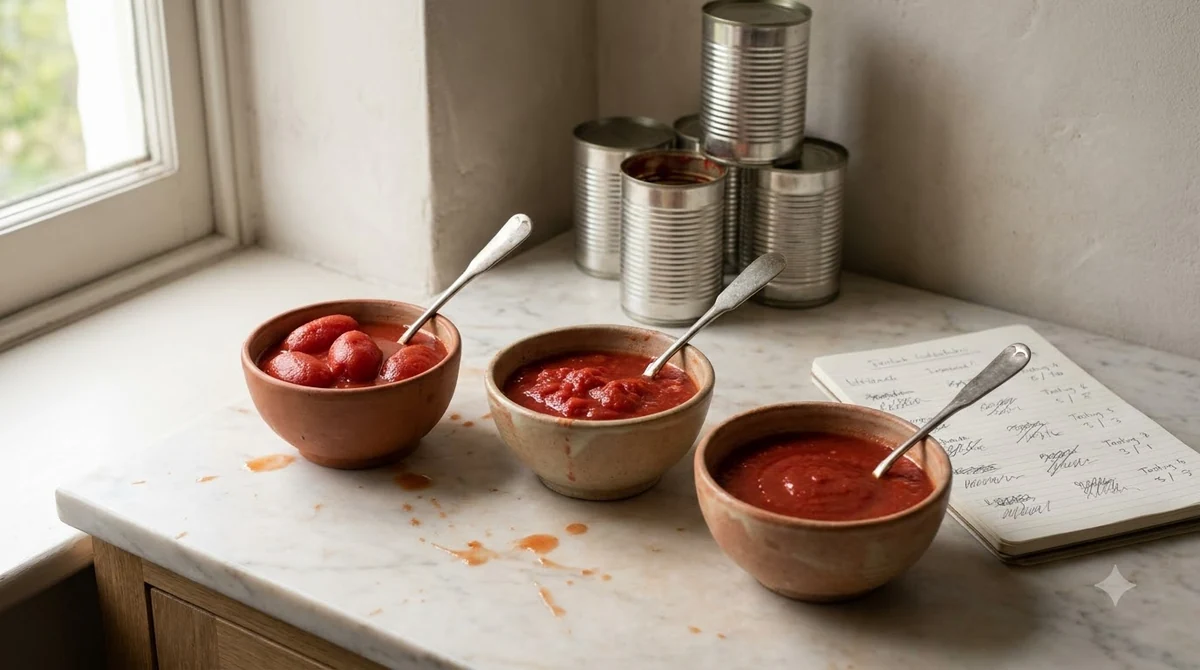
Wikipedia notes that peeled whole tomatoes must be drained and dried before use, because moisture can tear the dough during frying. If you start with whole tomatoes, crush them, strain them, and pat the pulp dry with paper towels before you spoon it onto the dough.
- Use about 2 tablespoons of filling per panzerotto.
- Leave a border of about 1 inch (2 to 3 cm) around the filling.
- Add grated Parmigiano Reggiano, about 60 grams, for a sharper flavor. It is optional.
- Season the tomato with a pinch of fine salt and a spoon of olive oil.
Other traditional fillings include onions cooked in olive oil with salted anchovies and capers, or mortadella with provolone, according to Wikipedia. The Lidia’s Italy version uses mild provola or low-moisture mozzarella with thinly sliced prosciutto cotto, grated Grana Padano and chopped basil. For a different handheld filling idea, see the pizza pockets recipe.
Shaping and Sealing the Pockets
In any panzerotti recipe, sealing is where most attempts fail, so take your time with each one. Shape each dough round into a flat disk, add the filling to one half, and fold the other half over it to make a half-moon.
- Lightly moisten the edge of the dough with water.
- Fold the disk into a half-moon over the filling.
- Press around the filling to push out any trapped air.
- Seal the edges firmly with your fingers, then press the edge again with the tines of a fork for a tight seal.
Trapped air expands in hot oil and can blow a seam open, so the air-pressing step matters as much as the fork. Keep the dough edge dry where it will be sealed, because filling on the seam will stop the two halves from joining.
Frying Panzerotti Step by Step
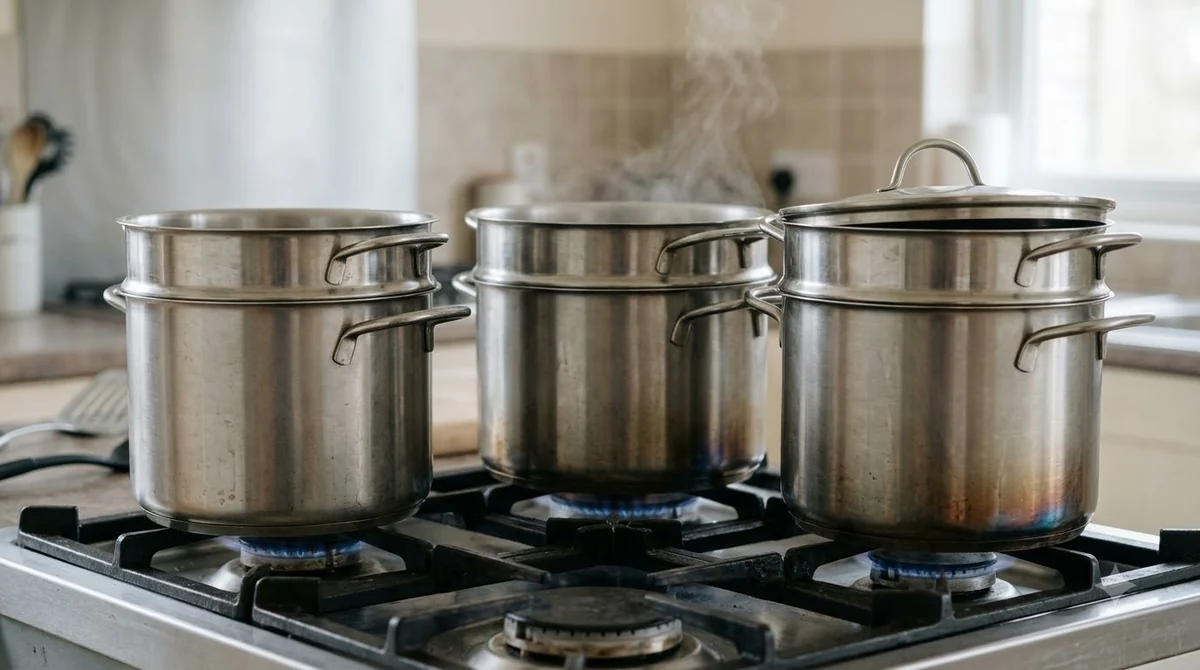
Fry panzerotti in oil heated to 350 F (175 C), and check the temperature with a kitchen thermometer rather than by eye. In this panzerotti recipe from Recipes from Italy, you fry no more than 2 panzerotti at a time for about 3 to 4 minutes, turning them until they are puffed and evenly golden on both sides.
- Let the shaped panzerotti rest for 10 to 15 minutes while the oil heats, as the Lidia’s Italy recipe suggests.
- Fill a heavy pot with enough oil to reach about 3 inches deep, then heat it to 350 F.
- Fry two panzerotti at a time, turning as needed, until puffed and golden.
- Drain on a paper towel lined tray, then repeat with the next batch.
The two sources give slightly different timing. Recipes from Italy suggests 3 to 4 minutes per panzerotto, while Lidia’s Italy gives about 5 minutes for each batch of half the panzerotti. Start with the shorter time, cut one open to check the dough is cooked through, and adjust for your pot and oil.
Work in small batches so the oil temperature stays steady, because adding too many cold pockets at once cools the oil quickly. Hot oil is a real burn hazard. Keep a lid nearby, never leave the pot unattended, and let the oil cool completely before you dispose of it.

Common Mistakes That Make Panzerotti Leak
Overfilling and moisture are the two problems the sources flag most often. A panzerotti recipe works best when you keep each pocket to about 2 tablespoons of filling and dry the tomato before spooning it on.
- Filling too close to the edge, which stops the seal from closing.
- Using watery tomatoes instead of drained passata or dried pulp.
- Frying in oil that is not hot enough, so the dough absorbs oil and sticks.
- Crowding the pot, which drops the oil temperature and makes the pockets soggy.
Panzerotti vs Calzone
Panzerotti are usually fried and calzones are usually baked, but the dough and the folded shape are similar. Use this table to decide whether a panzerotti recipe or a calzone recipe suits your kitchen.
| Feature | Panzerotti | Calzone |
|---|---|---|
| Cooking method | Usually fried | Usually oven-baked |
| Dough | Yeast dough folded into a turnover | Similar to panzerotti dough |
| Origin | Apulia, southern Italy | Not covered by the sources read |
| Typical filling | Tomato and mozzarella | Varies by recipe |
Choose a panzerotti recipe when you want a crisp, hand-held snack. Choose a calzone when you want a larger pie that bakes in the oven without a pot of oil. To compare another baked stuffed dough, read calzone vs stromboli.
Frequently Asked Questions
Can I bake panzerotti instead of frying them?
Yes, you can bake them, although the traditional method is frying. The sources used here describe frying in detail and do not give a tested baking time, so check a dedicated baked recipe for oven temperature and time.
Why does my panzerotti dough feel too dry?
Weigh the flour and water if you can, because volume measures vary. Use the water amount in your recipe, knead until smooth and springy, and let the dough rise until it is visibly larger before you shape it.
Can I use fresh mozzarella in a panzerotti recipe?
The Recipes from Italy version calls for low-moisture mozzarella for pizza, diced, because wet cheese releases water and can open the seal. Drain fresh mozzarella well and pat it dry if you use it instead.
How many panzerotti does one recipe make?
The Recipes from Italy dough divides into 10 pieces of about 80 grams each. The Lidia’s Italy recipe yields about a dozen panzerotti when you cut the dough with a 4 1/2 inch round cutter and re-roll the scraps.
Keep the tomato dry, fill lightly, and check the oil temperature before each batch. Those three habits will do more for your panzerotti recipe than any other step.
 8 min readLearnRicotta Ravioli Recipe: Egg Dough, Filling and Cooking StepsUpdated Nov 11, 2026
 6 min readLearnHow to Make Cannoli Shells: Dough, Resting and Frying at 350°FUpdated Nov 13, 2026
 8 min readLearnPizza Pockets Recipe: Homemade Dough, Filling and Baking TimesUpdated Nov 11, 2026
 9 min readLearnButternut Squash Ravioli Recipe: Dough, Filling and SauceUpdated Nov 11, 2026
 8 min readLearnStromboli Recipe: Dough, Fillings and Bake Times for Home OvensUpdated Nov 10, 2026
 8 min readLearnCalzone Recipe: Dough, Filling and Bake Times for Home and Pizza OvensUpdated Nov 10, 2026