
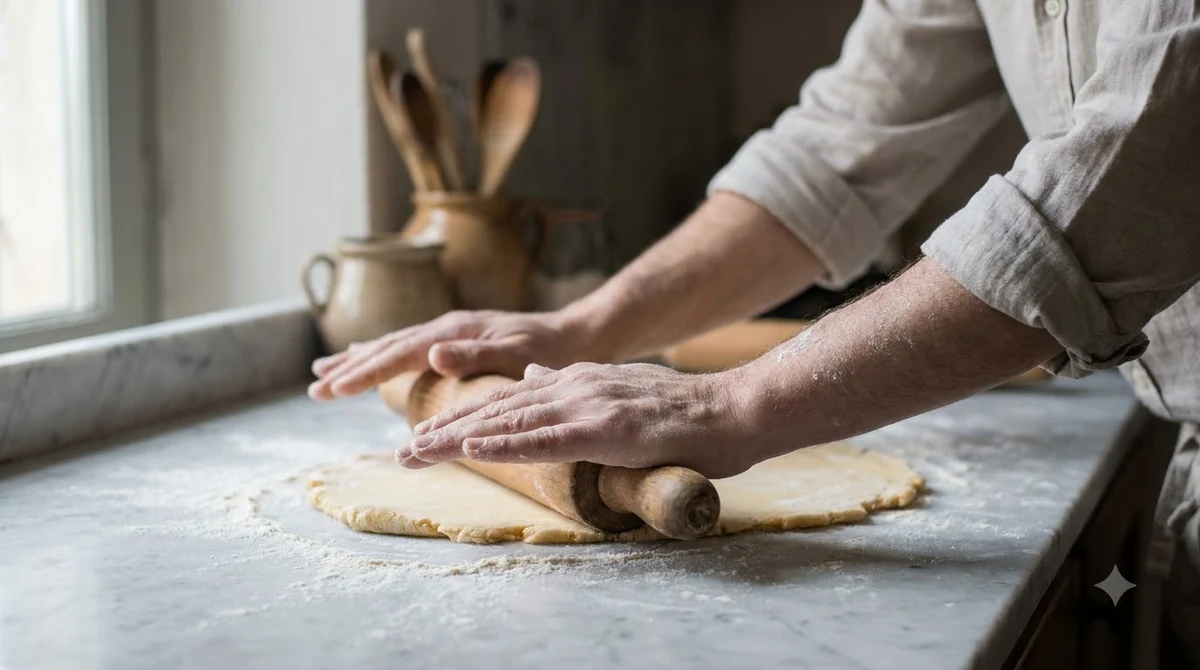

Learning how to make cannoli shells at home is simpler than it looks. mix flour, sugar, butter and wine into a firm dough, rest it at least 30 minutes, roll it to about 1/16 inch, wrap it around a metal tube and fry it in oil at 350°F until golden. The shells are light and blistered when the oil is hot enough, and they go soft if the dough is rolled too thick.
The steps are simple, but three things decide the result: the dough must be thin, it must rest before rolling, and the oil must stay near 350°F. The sections below cover each one, with the ingredient amounts and frying figures taken from the recipe sources listed further down.
What Gives Cannoli Shells Their Crunch?
The reason cannoli shells get their crisp, bubbly texture from a low-moisture dough enriched with a little fat and an acid such as wine, rolled very thin and fried quickly in hot oil.
Wine is the classic choice in Sicilian cooking. Marsala or white wine adds flavor and helps the surface blister in the oil, which is why many home recipes use it in place of plain water.
How to Make Cannoli Shells: Ingredients and Amounts
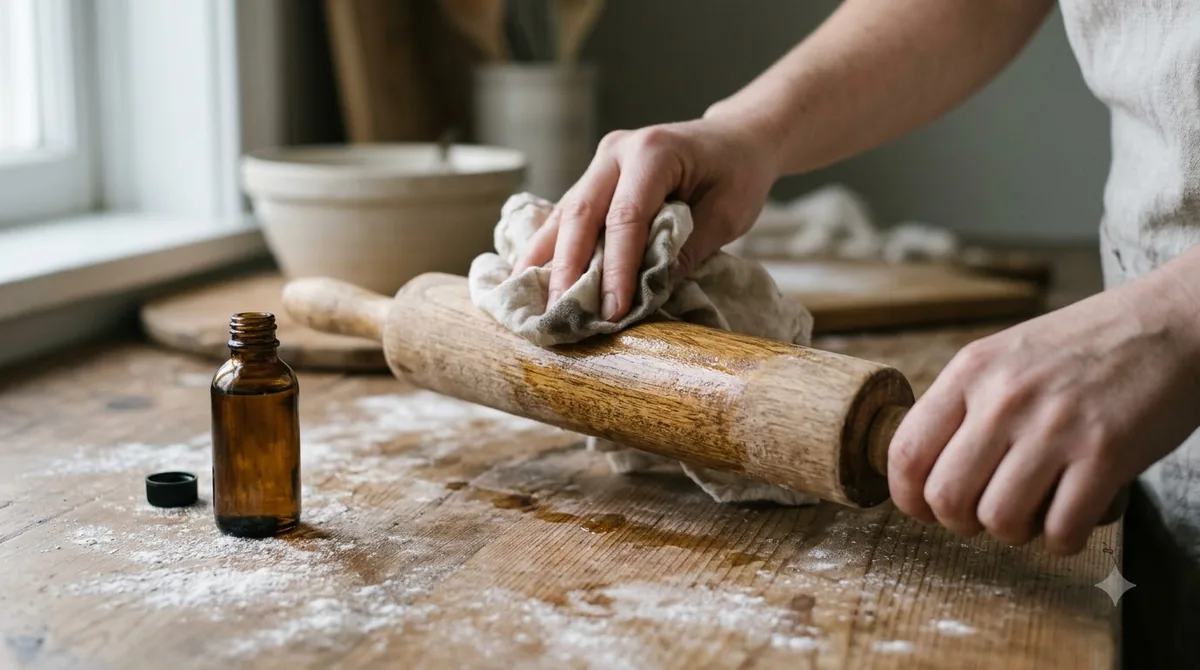
A basic batch uses about 2 cups of all-purpose flour, 2 tablespoons of sugar, a quarter teaspoon of salt, 2 tablespoons of cold cubed butter, 1 egg yolk, and about 1/3 cup of Marsala wine, according to one of the recipes checked.
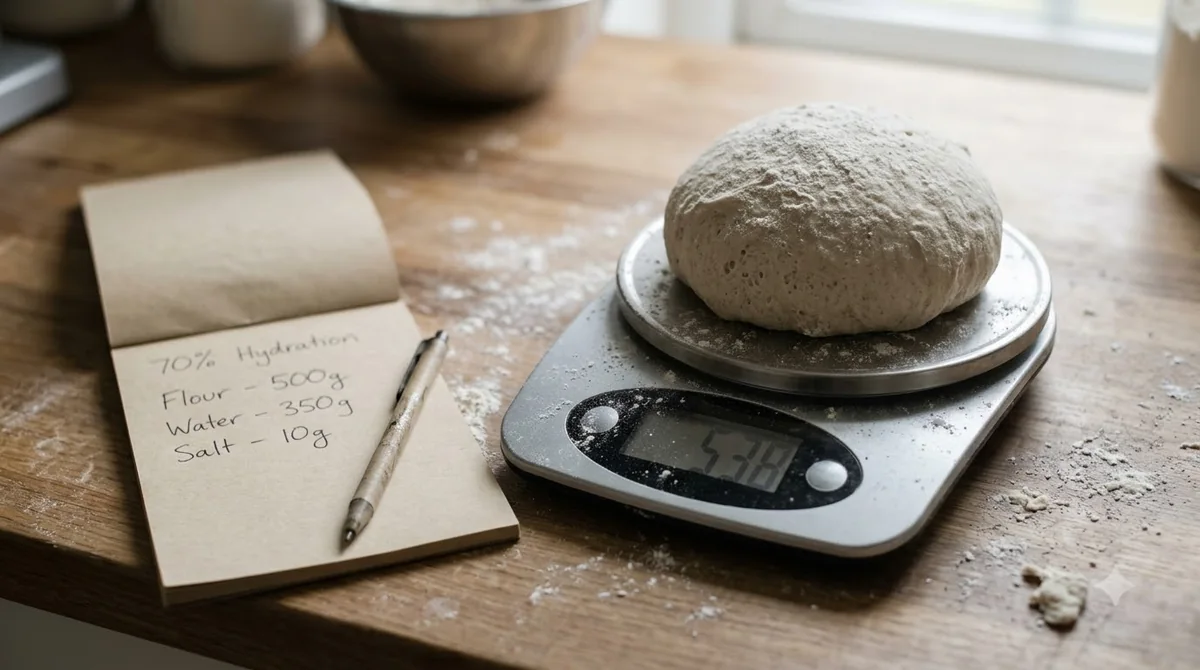
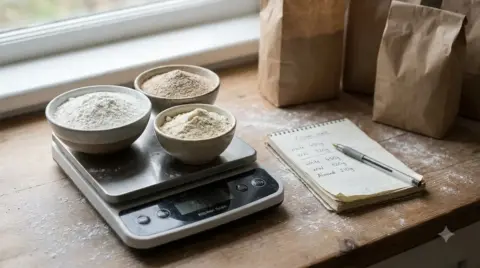
Other versions use metric weights with less sugar and a mix of white and red wine. Both approaches work. Measure by weight when you can, because flour scooped from a bag can vary a lot from one cup to the next.
| Component | Typical amount | Role in the shell |
|---|---|---|
| All-purpose flour | About 2 cups (250 g) | Builds the structure |
| Sugar | 1 to 2 tablespoons (about 30 g) | Light sweetness and browning |
| Cold butter | About 2 tablespoons | Tenderness and flakiness |
| Wine (Marsala or white) | About 1/3 cup (90 ml) | Flavor and blistering |
How Long Should the Dough Rest?
Rest the dough for at least 30 minutes, covered and chilled, before you roll it. The rest relaxes the gluten, so the dough stretches thin without snapping back.
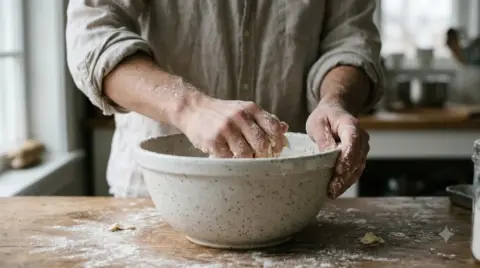
Knead the dough until it feels smooth and elastic, which usually takes a few minutes by hand. Wrap it tightly in plastic so the surface does not dry out. A longer rest of up to an hour at room temperature is also common in the recipes checked, and it makes the dough a little easier to handle.
How Thin Should You Roll Cannoli Dough?
Roll the dough to about 1/16 inch, which is thin enough to see the outline of your hand through it. Thick dough fries into a hard, chewy shell instead of a light one.
Cut 4 to 4.5 inch rounds, then wrap each one diagonally around a metal cannoli tube. Brush the overlapping edge with a little egg white and press it firmly so the seam holds while the shell fries. Work with a few pieces at a time and keep the rest covered.
- Cut the chilled dough in half and roll one piece at a time, keeping the other covered.
- Roll to about 1/16 inch, then cut rounds with a 4 to 4.5 inch cutter.
- Wrap each round around a tube, seal the seam with egg white, and press firmly.
- Set the wrapped shells on a tray, seam side down, while the oil heats.
What Temperature Should the Oil Be?
When you learn how to make cannoli shells, fry them in oil held at about 350°F (177°C). Recipes checked use a range from 340°F to 360°F, so 350°F is the midpoint to aim for.
Use a deep-fry or candy thermometer and let the oil return to temperature between batches. Cooler oil makes the shells greasy and hard. Oil that is too hot browns the outside before the inside cooks. The ThermoWorks cannoli frying guide uses 350°F with a low-temperature alarm set at 325°F, and it fries each batch for 2 to 4 minutes.
Fry in small batches so the oil does not drop in temperature. Turn the shells as they color, then lift them out with tongs and drain them on a rack lined with paper towels. Slide the tube out while the shell is still warm, but let it cool a moment first so it does not crack.
How to Store Shells Before Filling
Store unfilled shells in an airtight container at room temperature, where they keep their crispness for several days. Keep them away from humidity, because moisture softens the surface within hours.
Fill the shells just before serving. Ricotta filling makes the shell soft if it sits too long, so most cooks fill them shortly before the meal. The shells themselves can be made a day or two ahead if you keep them sealed.
Frequently Asked Questions
Can you make cannoli shells without wine?
Yes. Some recipes replace the wine with water or a little vinegar. The shells will taste plainer and may blister less, but they still fry up crisp if the dough is rolled thin.
Why did my cannoli shells come out hard?
The most common causes are dough rolled too thick, oil that was too cool, or a dough that was overworked. Roll closer to 1/16 inch and check the oil temperature before each batch.
How long do you fry cannoli shells?
Recipes give different times. One guide suggests 2 to 4 minutes per batch at 350°F, while another gives 1 to 2 minutes until golden brown. Watch the color rather than the clock, and pull the shells when they are golden.
Can you use an air fryer for cannoli shells?
Frying in oil is the traditional method and gives the blistered texture that cannoli are known for. Air frying is not covered by the sources used here, so check the manual of your appliance before trying it.
Mastering how to make cannoli shells at home takes some patience, but the process is repeatable once you have a feel for the dough. Roll thin, let the dough rest, keep the oil near 350°F, and fill the shells only when you are ready to serve. Practice with a small batch first so you can judge the thickness and color before you make a larger one for guests.
 9 min readLearnHow to Make Spinach Pasta Dough: Ratios, Kneading and RestingUpdated Nov 10, 2026
 8 min readLearnPanzerotti Recipe: Dough, Filling and Frying Steps for Home CooksUpdated Nov 12, 2026
 6 min readLearnEggless Pasta Dough: Semolina, Water and Resting TimeUpdated Nov 13, 2026
 6 min readLearnVegan Pasta Dough: Ratios, Mixing and RestingUpdated Nov 13, 2026
 8 min readLearnFresh Pasta Dough Recipe: Ingredients, Kneading and Resting TimesUpdated Nov 6, 2026
 8 min readLearnStuffed Shells Recipe: How to Make Them at HomeUpdated Nov 10, 2026