
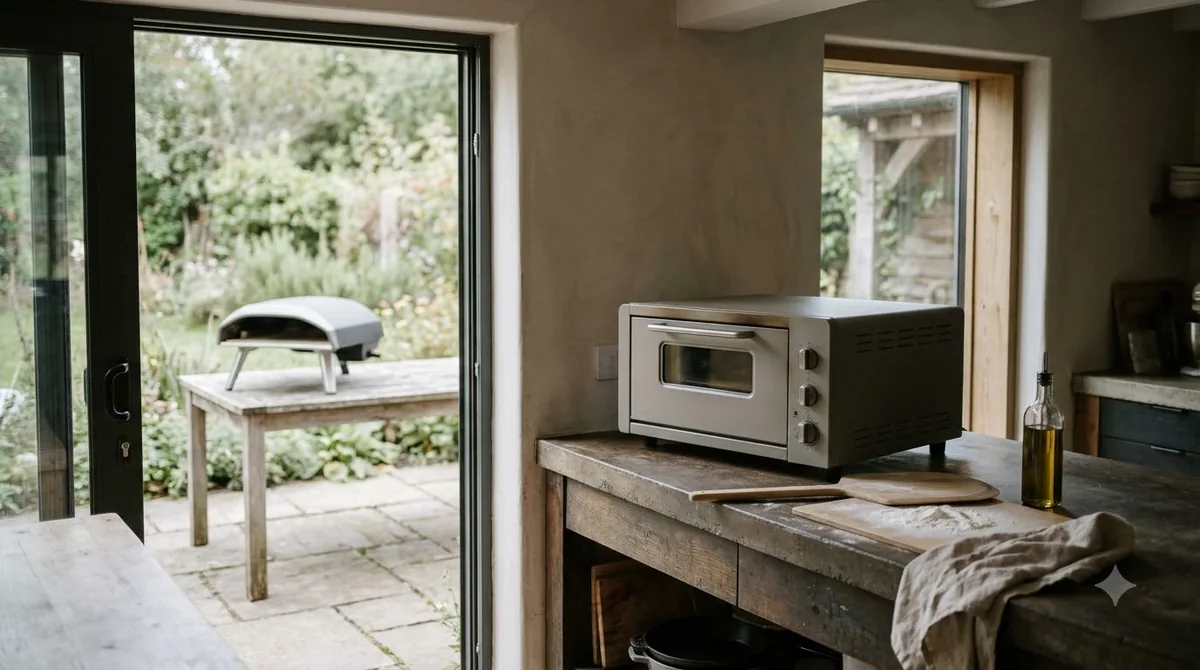

A pizza oven for indoor use is usually an electric countertop model that runs on electricity instead of wood, charcoal or propane. The models America’s Test Kitchen reviewed mostly fit about 12-inch pizzas and list maximum temperatures from 700 to 850 degrees. Decide on fuel, temperature and counter space before you compare brands.
Check the maximum temperature, pizza size and cooling time first when you shop for a pizza oven for indoor use. If you want the smoky flavor of wood or charcoal, a backyard oven is the better fit.

Ooni Volt 2 Electric Indoor Pizza Oven
Pros & ConsViewHide
Reasons to buy
- Ooni lists a 70°F to 850°F range
- 13.3-inch pizza stone for 12-inch pizzas
- Three pizza presets plus Dough Proofing and two custom slots
- Three-year warranty when registered within 60 days, per Ooni
Reasons to avoid
- Indoor use only, per Ooni
- Weight and wattage are not on Ooni's getting-started page
- Fewer Amazon ratings than the Breville at 66 so far

Breville BPZ820BSS Smart Oven Pizzaiolo
Pros & ConsViewHide
Reasons to buy
- Rated to 750°F, which Breville calls a first for a domestic countertop oven
- Five presets plus a Manual Mode for deck and top temperatures
- Pizza peel and pizza pan included, per Breville's page
- Stainless steel body for indoor countertop use
Reasons to avoid
- Lower ceiling than the Ooni Volt 2's listed 850°F
- Large footprint at 18.1 x 18.5 x 10.6 inches
- Breville's page does not list wattage or weight

Pros & ConsViewHide
Reasons to buy
- Bakes 12-inch pizzas on an included 12.5-inch stone, per the listing
- Large viewing window and interior light
- Listing says it heats from 350°F to 700°F
Reasons to avoid
- 700°F ceiling is lower than the Breville's 750°F or the Ooni Volt 2's 850°F
- Listing quotes 20 to 30 minutes to reach temperature
- Countertop electric oven for indoor use, not a wood or gas flame

Pros & ConsViewHide
Reasons to buy
- Reaches 800°F with 5 touchscreen presets plus a manual setting
- Pizza stone and peel included
- Countertop design fits small kitchens
- 71% of 398 Amazon ratings are 5-star
Reasons to avoid
- Food Network calls it pretty noisy
- Makes 12-inch pizzas at most
- 8% of ratings are 1-star
What Makes a Pizza Oven for Indoor Use Different
Indoor pizza ovens run on electricity and mostly fit about 12-inch pizzas, according to America’s Test Kitchen. An electric heating element does not burn fuel, so there is no flame or exhaust inside the oven itself.
That difference shapes almost every buying decision. A countertop model has a smaller cooking area than most backyard ovens, but it avoids the fuel storage, smoke and outdoor setup that a wood, charcoal or propane oven needs. Electric ovens also heat on demand from a standard outlet, which makes them easy to use on a weeknight.
Electric does not mean identical. Reviewed models differ in their maximum temperature, cooking area, weight and cooling fan. Those four factors matter more than the brand name, and the sections below explain how to compare them.
- Power source: electricity, through a standard outlet.
- Typical pizza size: about 12 inches.
- Listed maximum temperature: 700 to 850 degrees in the reviewed models.
- Placement: check the manual for voltage and clearance.
Fuel Type and Indoor Safety
Charcoal and portable gas camp stoves should never be used indoors, and the CDC carbon monoxide guidance warns that carbon monoxide can build up in enclosed spaces.
Carbon monoxide is a gas produced whenever fuel burns, and the CDC says it can build up indoors and poison people and animals who breathe it. The agency lists specific rules: never burn charcoal indoors, never use a portable gas camp stove indoors, and never run a generator inside a home or garage, even with the doors open. Those rules apply to any fuel-burning cooking tool you might bring inside.
- Charcoal: never burn it indoors.
- Portable gas camp stove: never use it indoors.
- Generator: never run it inside a home or garage.
A pizza oven for indoor use that runs on electricity sidesteps the carbon monoxide question because it burns nothing. Some electric models still come with placement limits. According to America’s Test Kitchen, the Current Model P Smart can be used indoors or outdoors if you have an outlet, while the Ooni Volt 2 cannot be used outdoors, per Ooni’s specifications. If you are weighing the two setups, indoor vs outdoor pizza oven lays out the trade-offs, and the Ooni Volt 2 manual covers placement for that model.
Temperature and Pizza Size for Indoor Ovens
Indoor models list maximum temperatures from 700 to 850 degrees, and an expert quoted by Taste of Home says a Neapolitan-style pie needs at least 800 degrees.
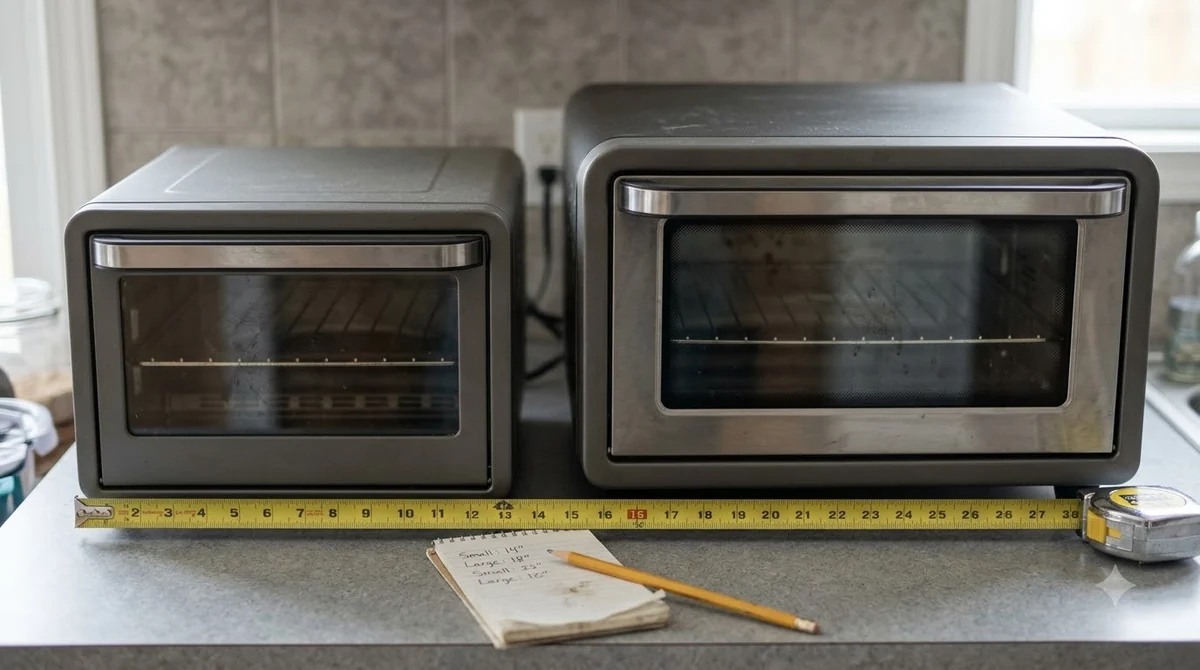
The table below lists the temperature ranges and key notes that America’s Test Kitchen reported for several indoor models.
| Model | Listed temperature | Key note |
|---|---|---|
| Ooni Volt 2 | 70 to 850 degrees | Cannot be used outdoors, per Ooni specifications |
| Current Model P Smart | 250 to 850 degrees | Indoors or outdoors with an outlet |
| Chefman High-Heat Indoor Electric | 300 to 800 degrees | Did not break 700 degrees in the review |
| Breville Smart Oven Pizzaiolo | 350 to 750 degrees | Sized for 12-inch pizzas |
| Cuisinart Indoor Pizza Oven | About 700 degrees | 12.5-inch cooking area for 10- to 12-inch pizzas |
A listed maximum is a ceiling, not a cooking target. Compare it with the heat the style you cook most often needs, and read the cooking area beside it. A pizza oven for indoor use with the highest maximum still has to fit the pizza you plan to make. For a wider look at heat ranges by fuel, see this guide to electric pizza oven temperature.
Preheat, Cook Time and Weight
Reviewed indoor models took about 17 to 30 minutes to preheat and cooked a pizza in roughly 90 seconds to five minutes, according to Taste of Home’s indoor pizza oven review.
Preheat time is part of every batch. The Ooni Volt 2 took 18 to 20 minutes to heat up, the Breville about 17 minutes, and the Cuisinart 20 to 30 minutes to reach its top temperature. The Breville beeps when it is hot enough, which helps you avoid opening the door too early.
Cook times depend on the model and the setting. The review recorded 90 seconds to 2 minutes on the Ooni, 2 to 3 minutes per pizza on the Breville, and about 5 minutes on the Cuisinart.
Weight decides where the oven lives. These weights come from the same review:
- Gourmia All-in-One Indoor Pizza Oven Air Fryer: 19.8 lb
- Cuisinart Indoor Pizza Oven: 25 lb
- Breville Smart Oven Pizzaiolo: 33 lb
- Ooni Volt 2: 38.8 lb
Expert Martin Glover, quoted in the same review, notes that quality ovens can be quite heavy and bulky. Measure your counter and the cabinet where you plan to store the oven before you buy.
Cooling, Noise and Daily Use
Indoor models use an internal fan to cool down after cooking, and America’s Test Kitchen advises waiting until the fan stops before you unplug the oven.
Cooling takes time. The Ooni takes its time to cool off, and the Breville took quite a while to cool down in the Taste of Home review. The Breville’s fan also helps move smoke out of the oven during cooking, which is useful in a small kitchen.
Fans are not silent. The Cuisinart’s built-in fans help cool the oven faster but are somewhat noisy, and the Ooni’s fan whirrs loudly to release steam and heat. Plan the timing of a dinner party around that noise and the cooldown.
A Taste of Home FAQ says indoor ovens need no special venting because they are insulated. Treat that as the reviewer’s statement, and check your manual for the clearance it requires from walls and cabinets.
Who Should Choose an Indoor Oven and Who Should Skip It
An indoor model suits a small kitchen and year-round cooking, but it is a poor fit if you want large pies or wood-fired flavor.
A pizza oven for indoor use makes sense if your kitchen has counter space and an outlet nearby, and if you bake a few pies at a time. It also suits households that want pizza in any weather. Skip it if you want 18-inch pies, since the reviewed indoor models are sized around 12 inches, or if the smoky flavor of wood or charcoal matters most to you.
The most common mistake is choosing on price alone. The reviewed models range from 700 to 850 degrees, so compare the listed maximum before you compare the price tag.

Safety Checklist Before You Plug In
Before the first preheat of your pizza oven for indoor use, confirm the outlet, the voltage in the manual and the clear space around the oven.
- Read the manual for voltage, outlet and placement rules, since America’s Test Kitchen notes some models have voltage restrictions.
- Plug the oven into a suitable outlet and keep the cord away from hot surfaces.
- Never burn charcoal, use a gas camp stove or run a generator inside the home.
- Keep children and pets away from the oven while it heats and cools.
- Wait until the fan stops before you unplug the oven.
Frequently Asked Questions
Can an indoor pizza oven be used outdoors?
Some can. America’s Test Kitchen reports that the Current Model P Smart can be used indoors or outdoors if you have an outlet, while the Ooni Volt 2 cannot be used outdoors per Ooni’s specifications. Check your model’s manual before you move any oven outside, and read the checks for a pizza oven for balcony use if a balcony is the plan.
Can I burn charcoal indoors?
No. The CDC says never burn charcoal indoors, because carbon monoxide can build up in enclosed spaces and poison people and animals who breathe it. Charcoal cooking belongs outdoors, and this rule applies to every charcoal setup.
How hot does an indoor pizza oven get?
The reviewed indoor models list maximum temperatures from about 700 to 850 degrees. An expert quoted by Taste of Home says a Neapolitan-style pie needs at least 800 degrees, so check the listed maximum before you buy.
How long does an indoor pizza oven take to preheat?
In the Taste of Home review, the Ooni Volt 2 took 18 to 20 minutes, the Breville about 17 minutes and the Cuisinart 20 to 30 minutes. Build that warm-up into your plan before you start the first pizza.
Does an indoor pizza oven need special ventilation?
A Taste of Home FAQ says indoor ovens need no special venting because they are insulated. Follow the manufacturer’s clearance and placement guidance anyway, and do not rely on a review for safety rules.
Do indoor pizza ovens get hot on the outside?
The reviews used for this guide do not report outside surface temperatures. Keep children and pets away while the oven heats and cools, and check the manual for surfaces to keep clear.
If you cook in a small kitchen and want pizza all year, a pizza oven for indoor use that runs on electricity is the practical choice. Pick the maximum temperature and the cooking area first, check the manual for power and placement, and keep charcoal and gas camp stoves outdoors. Once those basics fit your kitchen, compare the features that matter most to you, starting with our best indoor pizza ovens list.
 8 min readBy Use & ModelPizza Oven for Beginners: What to Check Before You BuyUpdated Nov 16, 2026
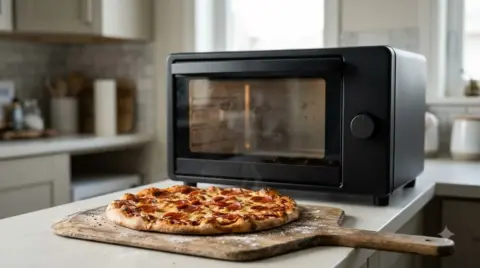 10 min readBy Use & ModelPizza Oven for Frozen Pizza: What to Check Before You BuyUpdated Nov 16, 2026
 9 min readBy Use & ModelPizza Oven for Bread: What to Look For Before You BuyUpdated Nov 16, 2026
 8 min readBy Use & ModelPizza Oven for Parties: What to Look for Before You BuyUpdated Nov 16, 2026
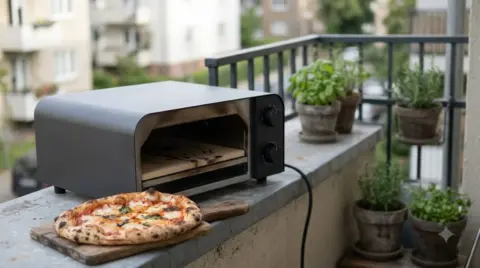 11 min readBy Use & ModelPizza Oven for Balcony: What to Check Before You CookUpdated Nov 16, 2026
 8 min readBy Use & ModelPasta Machine for Rigatoni: 6 Simple Checks Before You BuyUpdated Nov 16, 2026