
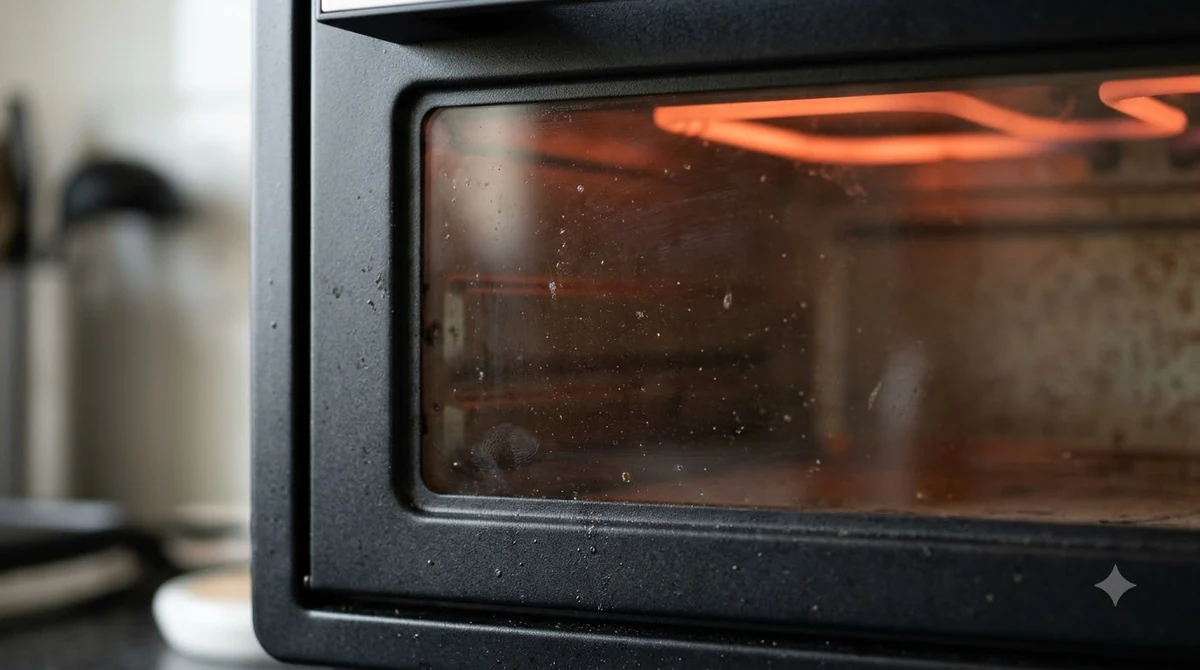

When a pizza oven is not getting hot enough, the cause is almost always fuel, airflow, power or preheating time. Work through the checks for your oven type in order: fuel supply for gas, fuel quality and fire management for wood, power and heating elements for electric, and the manual for pellet models. Most fixes take a few minutes.
A home oven that stalls below its target temperature is frustrating, especially when the dough is ready. The good news is that the same few factors explain most cases, and you can rule them out one at a time before calling a technician.
Why a Pizza Oven Stops Short of Its Target Temperature
In most cases the oven is starved of fuel, starved of air, or has not had enough time to heat the stone and walls. Each of these reduces how much heat reaches the cooking surface.
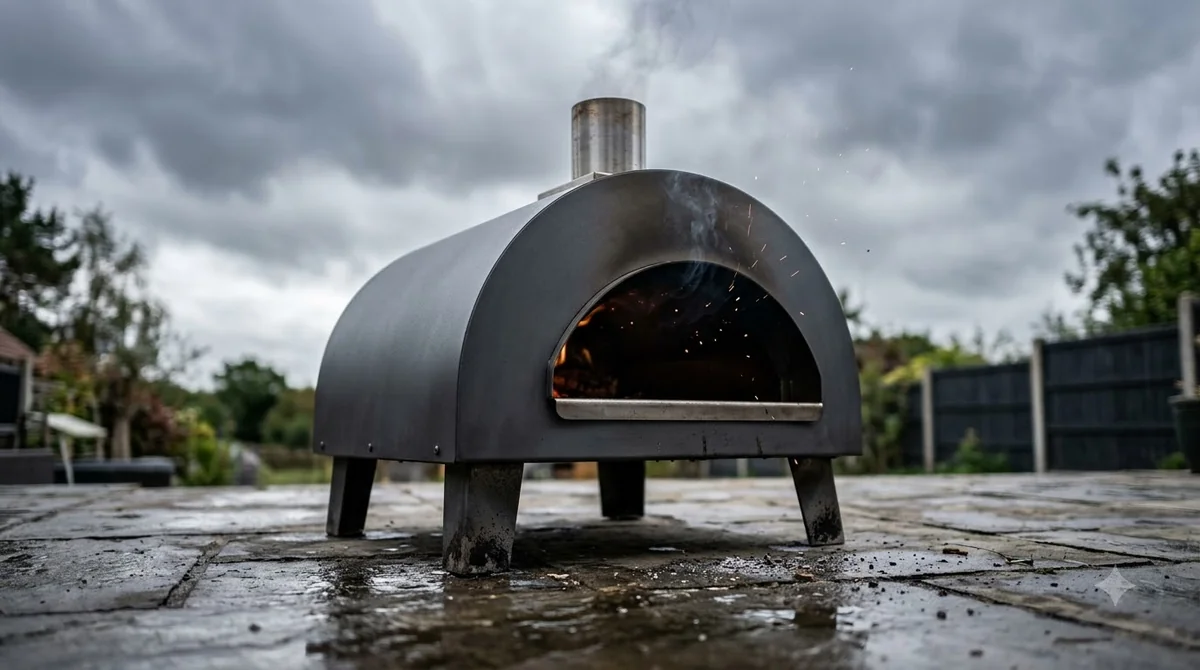
The Alfa Forni troubleshooting guide for ovens that do not reach temperature groups the causes by fuel, flue, door, insulation and preheating. Its advice applies to most dome ovens, whatever fuel they burn. Start with the fuel and the airflow, because those are the two checks that take the least effort.
Weather matters too. The same guide notes that very low outside temperatures make the oven take longer to reach its ideal temperature, so you should preheat longer with extra fuel to offset the heat loss.
Gas Ovens: Check the Fuel Supply First
For a gas oven, a low cylinder is the most common reason the flame looks weak. The guide says a low cylinder weakens the burner, so the first step is to check the gauge and keep the cylinder full. Typical ranges are covered in typical pizza oven peak temperatures.
- Check the gas level and replace or refill the cylinder if it is low.
- Confirm the hose is not bent or crushed, since a pinched hose cuts the flow to the burner.
- Use the pressure regulator the manufacturer specifies. A mismatched regulator can leave the flame underpowered.
- Look for other gas appliances on the same line, such as a boiler, that may be drawing down the pressure.
If the gas checks look fine but the burner still runs cool, stop and call the manufacturer or a qualified technician. Do not open or adjust gas valves and fittings yourself.
Wood-Fired Ovens: Fuel Quality and Fire Management
A wood oven that will not climb in temperature usually has a fuel or fire problem rather than a mechanical one. Wet wood and a small fire are the usual culprits. Compare your reading with the target temperatures for pizza ovens. A cool oven is one cause of soggy centers on pizza.
Firewood with more than 20 percent moisture burns poorly and gives less heat, so use well-seasoned hardwood. Light the fire with plenty of small, dry pieces, then add larger pieces about 15 minutes later to keep the temperature steady, as the Alfa guide recommends.
Wind and drafts can also pull heat out of the chamber, and a partly blocked flue restricts the draft that feeds the fire. Clear any nests, soot or debris from the chimney, and shelter the oven from strong gusts if it sits outdoors.
Pellet and Electric Ovens: What to Check
Electric and pellet ovens fail in different ways, so check them against their own manuals. The Alfa Forni guide covers electric units, but it does not describe pellet-specific steps. Part of the heat loss story is explained in what a pizza oven heat shield does.
For electric ovens, insufficient or unstable voltage slows heating. Avoid long or thin extension cords, and do not share the circuit with other large appliances. If the heating elements are dirty, clean them with a dry cloth, since residue on the elements can slow heating.
For pellet ovens, check the pellet supply, the fuel feed and the igniter as the manufacturer describes, and make sure the pellets are the type the maker specifies. If the manual does not cover a step, check the manual or contact the brand rather than guessing.
A Quick Troubleshooting Checklist
Use this table to match the symptom to the first check. Start at the top and stop when you find the cause.
| Oven type | First check | Second check |
|---|---|---|
| Gas | Cylinder level and hose | Regulator and other gas appliances |
| Wood | Wood moisture and fire size | Flue blockage and wind |
| Electric | Power supply and extension cord | Dirty heating elements |
| Pellet | Pellet type and supply | Igniter and feed, as the manual describes |
When to Call the Manufacturer
If you have checked the fuel, airflow, power and preheat time and the oven still will not reach temperature, contact the manufacturer or an authorized dealer. Have the model number, fuel type and any readings ready, since those details let them narrow the fault quickly.
Some brands also expect a break-in period before the oven reaches full heat. The Alfa Forni guide, for example, recommends heating a new URBE oven at 300°C for at least 60 minutes so the heating elements can settle. Check your own manual for the equivalent step, since the numbers differ by model.
For more on what temperature a pizza oven should actually reach, see the Breville guide to pizza oven temperature, which covers target ranges for different ovens.
Frequently Asked Questions
Why is my pizza oven taking so long to heat up?
The most common reasons are a low fuel supply, wet wood, or a cold day that slows heat-up. Preheat longer, check the fuel first, and allow the stone and walls to soak up heat before you cook.
Does wood moisture really change the temperature?
Yes. Firewood with more than 20 percent moisture burns poorly and produces less heat, so well-seasoned hardwood is the reliable choice.
Can a low gas cylinder stop my oven from getting hot?
It can. A low cylinder weakens the burner, so refill or replace it and check that the hose is not bent before assuming a bigger fault.
Should I open the door to check the temperature?
Opening the door lets heat escape, so check with a thermometer through the door or at the stone rather than opening it repeatedly during preheat.
Most cases of a pizza oven that will not get hot come down to fuel, airflow, power or preheating time. Check the fuel and the airflow first, since those cost nothing to test. If the oven still falls short after those checks, follow the manual for your model and contact the manufacturer before trying anything inside the gas or electrical system.
 9 min readLearnPear and Gorgonzola Pizza Recipe for a Hot Home OvenUpdated Nov 11, 2026
 8 min readLearnPotato Pizza Recipe: How to Make It at Home in a Hot OvenUpdated Nov 7, 2026
 9 min readLearnPizza Dough Not Rising? Causes and Fixes That WorkUpdated Nov 10, 2026
 8 min readLearnWindowpane Test for Pizza Dough: How to Check Gluten by HandUpdated Nov 10, 2026
 9 min readLearnHot Honey Pizza Recipe: Sweet Heat on a Homemade CrustUpdated Nov 6, 2026
 9 min readLearnPizza Crust Types: A Practical Guide to Each StyleUpdated Nov 10, 2026