
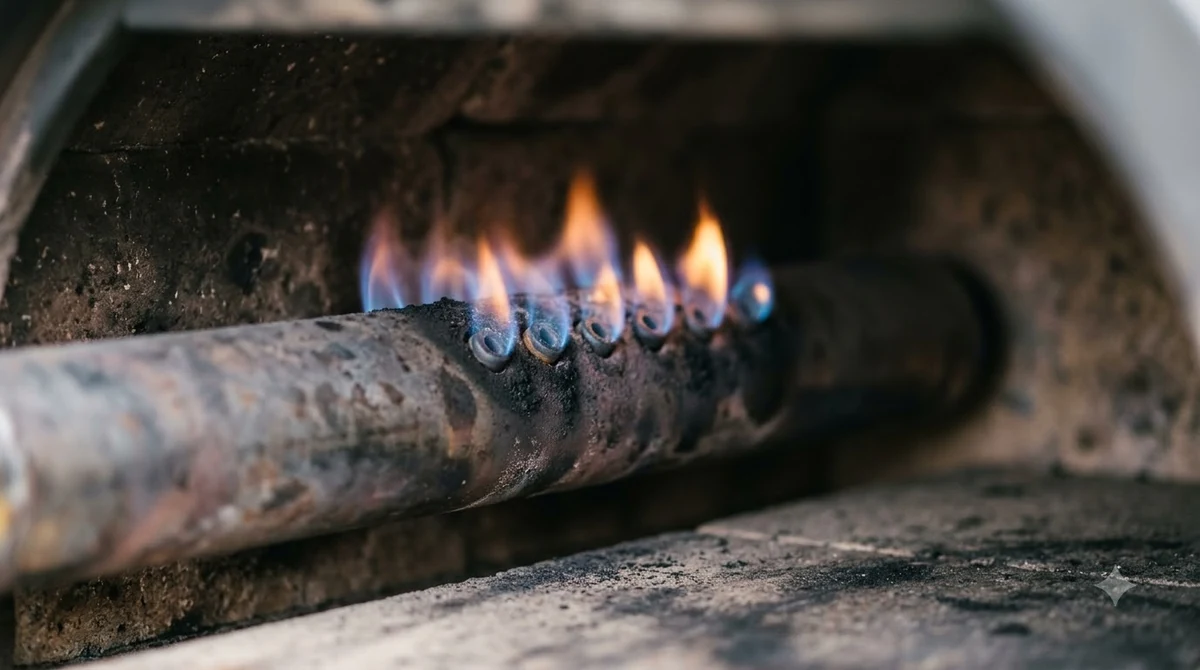

A pizza oven heat shield is a guard placed between the flame or hot surfaces and nearby objects, but the term is used loosely and no single standard definition exists. Before you add any shield, guard or deflector, check your oven’s manual for approved accessories and clearance distances. Manufacturers such as Ooni warn that unapproved modifications can void the warranty and interfere with safety devices.
What Is a Pizza Oven Heat Shield?
The phrase covers several different parts, so the same word can mean different things depending on the seller. In general, a heat shield is meant to protect the oven, the surface under it, or nearby people from concentrated heat and flame.
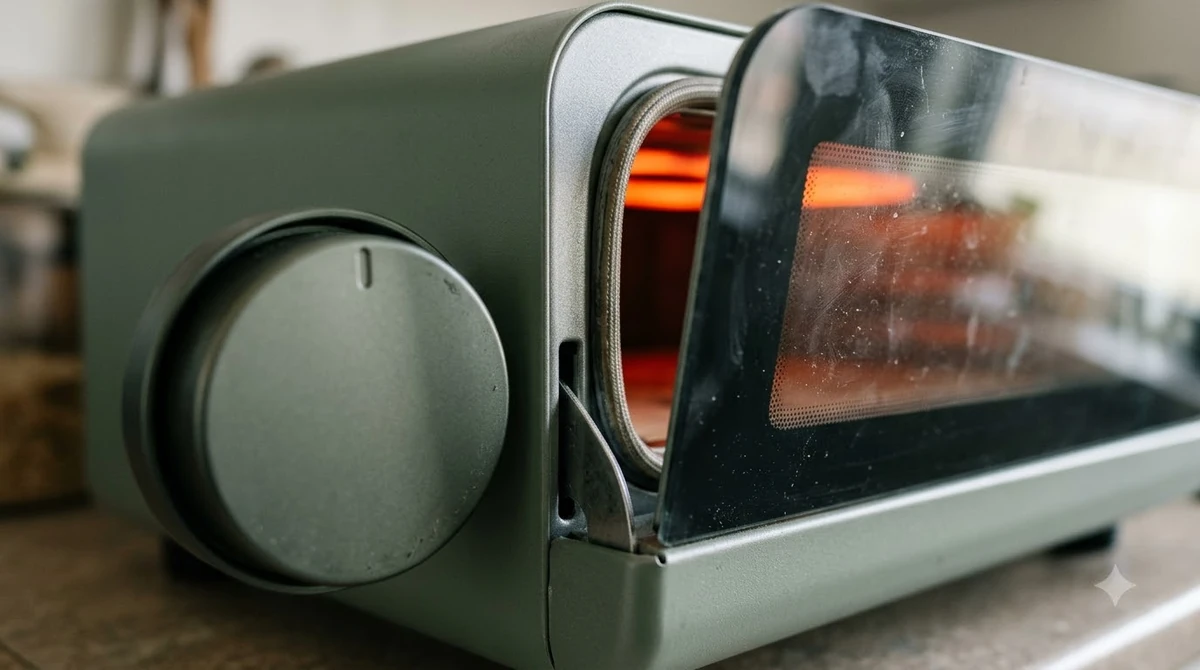
In practice, the accessories sold under that name include door plates, flame guards and deflectors. Ooni lists flame guards and custom oven doors together as modifications, which is why the product type matters more than the label. Read the product description and the manual before you buy anything.
Why Manufacturers Warn Against Modifications
Ooni states that any modification, such as custom oven doors, flame guards or pizza shelves, violates its terms and invalidates any warranty. Heat levels are covered in pizza oven heat levels by oven type.
The Ooni article on oven modifications says that trapping excess heat in the oven body can compromise the built-in Flame Safety Device. That device measures the internal temperature and shuts off gas flow if the flame goes out, so a modification that traps heat can stop it from working as designed.
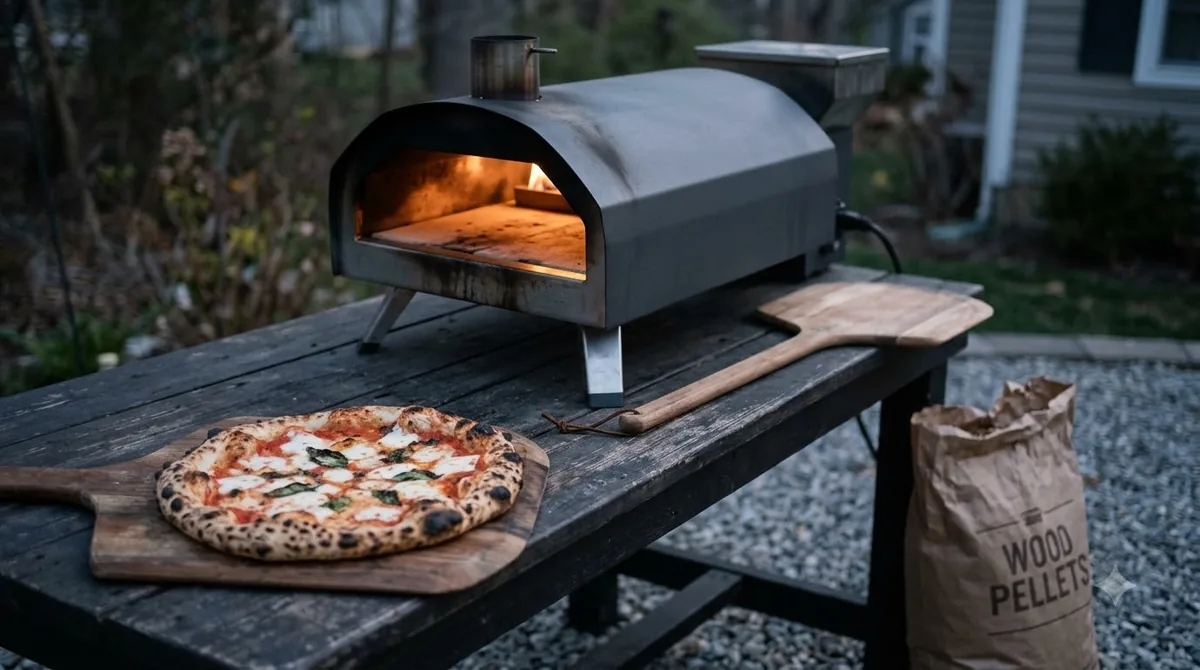
For Koda ovens, Ooni says that adding a door blocks airflow and can cause gas buildup. The same article says the ovens are not designed, tested or certified to run with unauthorised modifications.
How Far Should a Pizza Oven Be From Combustible Materials?
Keep the oven well clear of combustible material, and follow the distances in your own manual. The figures below come from one manufacturer’s guide and are not universal. To compare designs, start with our guide to home pizza ovens.
The Coyote Outdoor safety guide for its Duomo pizza oven gives two sets of distances. For combustible material, it says at least 48 inches from the sides and rear and 10 feet from the mouth. For non-combustible material, it says at least 8 inches from the sides and rear and 36 inches from the mouth.
The same guide says never to place the oven under any combustible material. Check this before you set an oven on a deck, a wooden table or under an awning.
What to Do Instead of Adding a Shield
The safer route is to use only accessories the manufacturer approves and to set up the oven as its manual describes. If your oven struggles to heat, see troubleshooting a cool pizza oven.
- Find the approved accessory list and clearance figures in your manual.
- Keep combustible material well back from the oven, using the distances your manual gives.
- Do not attach doors, guards or shelves that the manufacturer has not approved.
- If a fire flares up, follow the fire-response advice in your manual. Coyote’s guide says to place the oven door securely on the oven and let the fire burn out.
The Airflow and Carbon Monoxide Risk
Ooni’s article says that restricting airflow in Koda ovens increases carbon monoxide and causes a sooty flame, and it says modifications significantly increase risk. A door or cover that blocks the opening is therefore not a harmless add-on.
The Flame Safety Device measures the oven’s internal temperature and shuts off gas flow if the flame goes out. Adding a barrier changes the heat inside the oven body, and Ooni says excess heat can stop the device from performing the way it was designed to.
Ooni also states that its ovens are not designed, tested or certified to be operated with unauthorised modifications. An accessory that has not been certified for your model has no safety testing behind it for that oven.
Reading the Warranty Terms
Warranty terms vary by brand. Ooni’s stated position is that a modification invalidates coverage, so check the brand’s warranty page before you buy an accessory, or contact support to ask whether it is approved.
Keep the receipt and the manual with the oven. If you ever need a warranty claim, the record of what was installed and how it was set up will matter.
Checklist Before You Buy an Accessory
Start with the approved list. Ask whether the accessory is approved for your exact oven model, because the same brand can have different rules for different models. Ooni’s position is that unapproved modifications are not covered, so a product sold by a third party does not make it safe for your oven.
Next, check whether the item blocks the opening, the vents or the airflow path. Anything that closes or covers the oven body can change how heat and gas behave, which is the concern Ooni raises for its Koda ovens.
Finally, check the clearance figures in the manual against the space you have. Measure from the sides, the rear and the mouth, and compare the numbers with the combustible and non-combustible distances the manual lists for your model.
Frequently Asked Questions
What is a pizza oven heat shield?
It is a guard meant to protect surfaces or people from concentrated heat, but the term has no single standard meaning. Check the product description and the manual to see exactly what it does.
Can I add a heat shield to my pizza oven?
Only if the manufacturer approves it. Ooni says modifications, including flame guards, invalidate the warranty, so read your manual before buying any add-on.
How far should a pizza oven be from combustible materials?
Follow your own manual. One manufacturer’s guide for its Duomo oven lists 48 inches from the sides and rear and 10 feet from the mouth for combustible material. Those numbers belong to that model, not to every oven.
Does a modification void the warranty?
For Ooni ovens, yes. Ooni says any modification, such as a custom door, flame guard or pizza shelf, invalidates the warranty. Other brands may have different terms, so check yours.
Treat any heat shield as part of the oven’s safety system, not a quick add-on. Use only approved accessories, keep combustible material at the distances your manual gives, and read the warranty terms before you change anything.
 8 min readLearnHow to Reheat Lasagna and Keep It Moist and SafeUpdated Nov 12, 2026
 7 min readLearnHow to Reheat Pizza So the Crust Stays CrispUpdated Nov 10, 2026
 5 min readLearnHow to Make Pizza Crust Puffy: Hydration, Rise and HeatUpdated Nov 13, 2026
 6 min readLearnPizza Stone on Gas Grill: Heat, Preheat and BakeUpdated Nov 13, 2026
 9 min readLearnBBQ Pizza on the Grill: Dough, Heat and MethodUpdated Nov 10, 2026
 8 min readLearnHow to Fix Soggy Pizza: Causes, Heat and Simple FixesUpdated Nov 10, 2026