

Rotelle pasta is a wheel-shaped dried pasta with spokes. Its Italian name, ruote, means small wheels, and in the United States it is often sold as wagon wheels. The spokes and ridges catch sauce, which makes rotelle a practical choice for cold salads and creamy dishes. Check the package for cooking time, because brands differ.
Sources disagree on where the shape started, but it holds its form in boiling water.
What Is Rotelle Pasta?
Rotelle is a short pasta that looks like a wagon wheel, with a ring around a hollow center and spokes running outward. According to Wikipedia’s entry on rotelle, the pasta is described as wheels with spokes, and the name comes from the Italian word for a small wheel.
The shape is usually sold in a few standard sizes. A typical piece is about the width of a US quarter. Longer cuts, about 2.54 cm (one inch), keep the spokes but look less like a wheel, as described in a guide to rotelle pasta.
Rotelle pasta is made from several flours. You will see it in:
- Durum wheat
- Semolina
- Whole wheat, which is widely available in US stores
- Quinoa, along with occasional vegetable-colored versions
The names vary by country. In Italy the shape is called ruote, and in parts of the US it is sold under other names, including Choo Choo Wheels, a name one brand uses. Italian companies now make it, but the shape is not clearly Italian in origin. The most common account places its start around 1900 in Italy, probably in Apulia, and the Wikipedia entry notes that this is the version most often cited rather than a settled fact.
Best Sauces for Rotelle Pasta
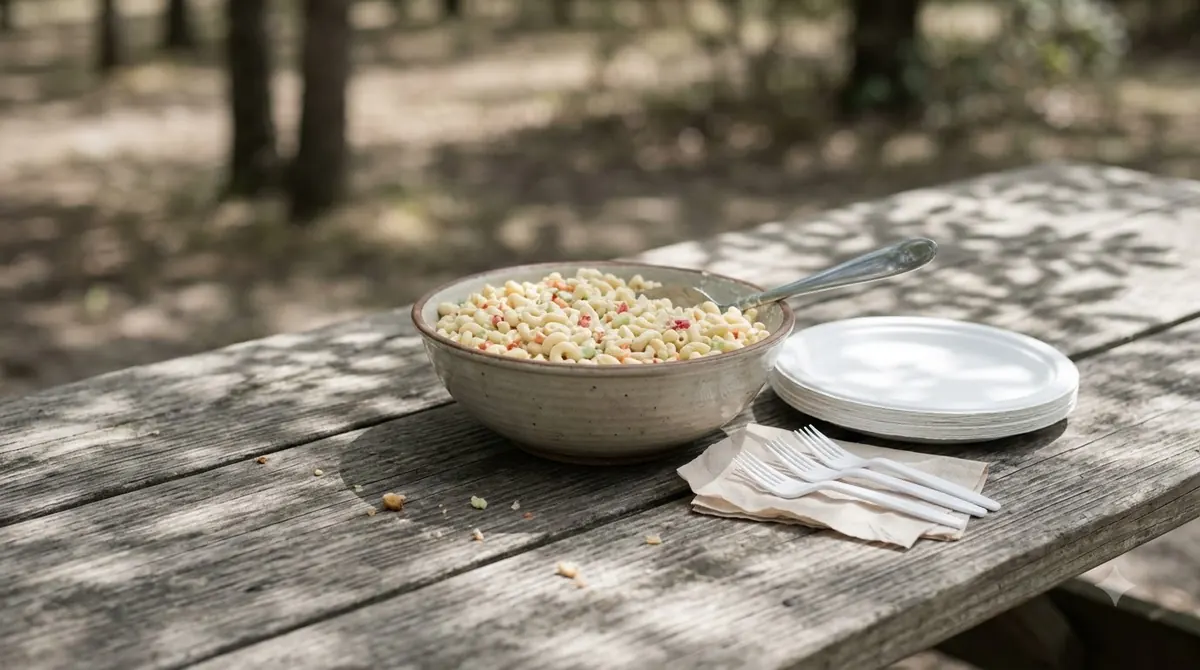
Rotelle works best with sauces that cling to its spokes, such as marinara, cream sauces, and alfredo. In cold pasta salads, a vinaigrette settles into the rings and hollows, so each bite carries dressing.
The same guide lists several dishes that suit the shape:
| Dish | Sauce style | Why it suits rotelle |
|---|---|---|
| Cold pasta salad | Vinaigrette | The spokes absorb the dressing |
| Weeknight pasta | Marinara | Tomato sauce collects in the hollow centers |
| Creamy dinner | Cream or alfredo | Heavy sauce stays on the ridges |
| Pea and ham pasta | Cream with peas and ham or prosciutto | Small bits sit inside the wheels with the sauce |
Rotelle pasta also works in soup, or simply tossed with olive oil, salt, pepper, and Parmesan. The same guide notes that almost any sauce can work with rotelle, so the shape is a flexible choice when you do not have a specific recipe in mind.
Longer cuts of rotelle pasta need more sauce than short ones. The sauce soaks into the tube, so the outside can look dry if you use only a light coating. Add a little extra sauce or a spoon of cooking water to loosen it.
How Long to Cook Rotelle Pasta
Cook rotelle pasta in a large pot of boiling salted water until it is al dente, and use the package time as your starting point. A general cookbook reference gives 9 to 12 minutes for dried pasta, depending on the variety, in its pasta of Italy guide. Brands differ, so check the box in your kitchen.
- Bring a large pot of water to a rolling boil and salt it.
- Add the rotelle and stir once so the wheels do not stick together.
- Start the timer from the package time, then taste a piece one minute before it ends, as in cooking pasta al dente.
- Reserve a cup of the cooking water before you drain.
- Toss the drained pasta with sauce while it is still warm so the sauce coats the spokes.
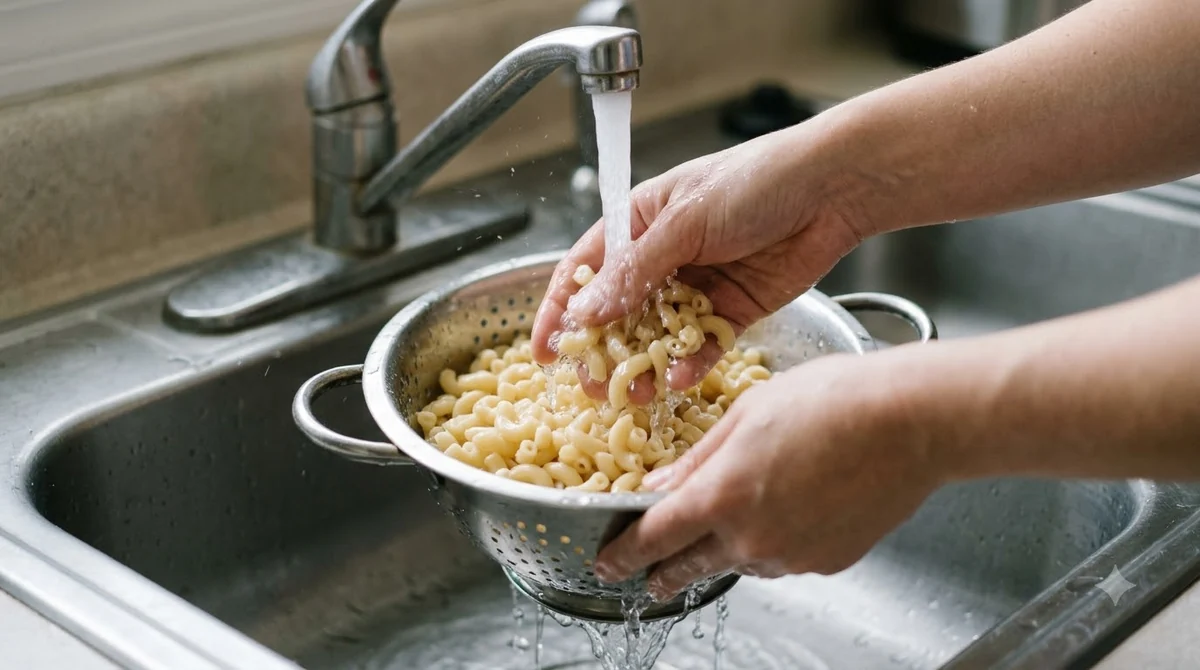
A cooked wheel should be firm in the center and tender through the ring. If the pasta is soft at the package time, it is overdone for a cold salad, so rinse it and cool it quickly.
How to Choose Rotelle Pasta
Start with the flour, because it shapes both texture and cooking behavior. Durum and semolina versions give a firm bite, while whole wheat versions add fiber and a nuttier taste. Quinoa versions suit readers who want a different flavor, and they can cook differently, so read the package closely.
Next, look at the cut size. A small piece suits a cold salad with many small ingredients, while a longer piece suits a chunky tomato sauce. Use these quick checks when you shop:
- Check that the package lists the flour you want
- Choose a small cut for salads and a larger cut for heavy sauces
- Read the cooking time printed on the box before you plan dinner
- Pick whole wheat if you want more fiber in the meal
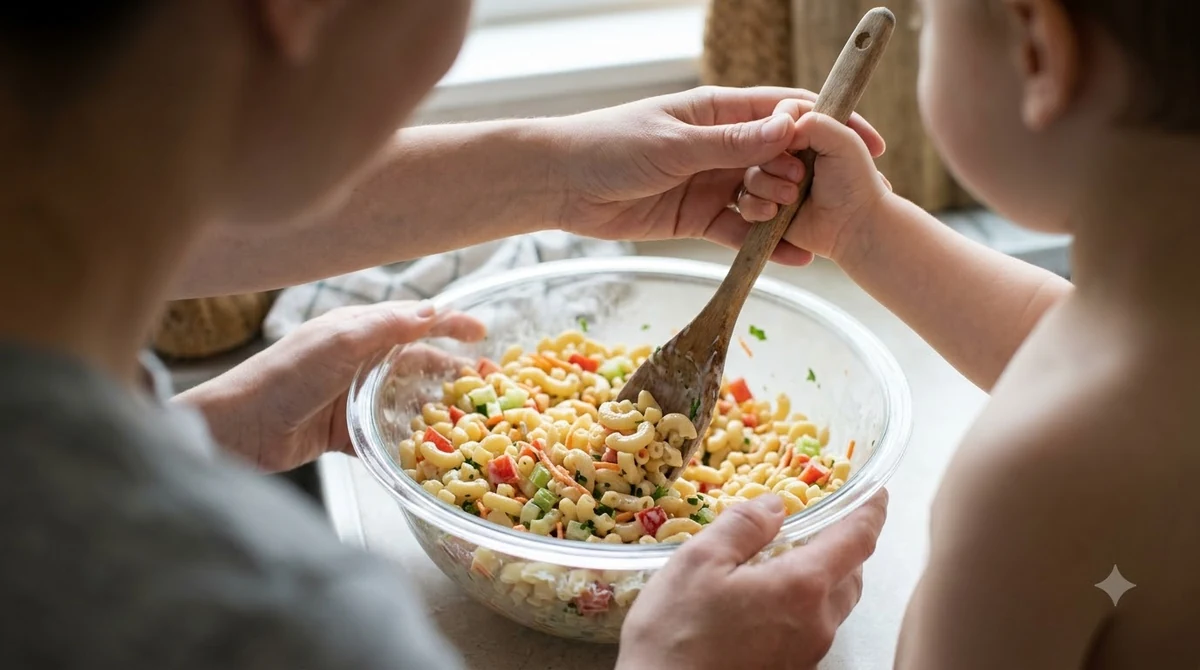
If you want a spiral instead of a wheel, compare rotini and fusilli, and see fusilli vs rotini for the difference. Finally, consider how you will serve it. Rotelle pasta is a good match for family meals because children often enjoy the wheel shape, and it is equally at home on a buffet table.
Common Mistakes With Rotelle Pasta
The most common mistake with rotelle pasta is using too little sauce with longer cuts, which leaves the centers dry and the outer edge bare. The second is overcooking, which makes the rings soft and the spokes lose their bite.
- Serving a thin sauce that slides off the ridges
- Cooking past the package time before tasting
- Cooling a cold salad under running water for too long, which washes away starch that helps the dressing cling
Frequently Asked Questions
What does rotelle mean?
The word comes from the Italian for a small wheel. In Italy the same shape is called ruote, and in the US it is often called wagon wheels. The name describes the look of the pasta, which has a ring and spokes.
Is rotelle pasta Italian?
Many Italian companies make this shape, and the Wikipedia entry places its start around 1900 in Italy. Other sources say the shape is not Italian in origin, so the origin is best described as disputed rather than settled.
How long do you cook rotelle?
Most dried pasta cooks in about 9 to 12 minutes, depending on the variety, according to a general cookbook reference. Use the time printed on your package, and taste a piece a minute before it ends to check for al dente texture.
What sauce is best for rotelle?
Marinara, cream, and alfredo sauces all suit rotelle because they cling to the spokes. For cold salads, a vinaigrette works well. Thin sauces tend to slide off the ridges, so choose a thicker option when you can.
Is there whole wheat rotelle?
Yes. Whole wheat versions are widely available in US stores, and the same guide notes that the shape also comes in semolina, durum, and quinoa versions. Cooking time can differ between flours, so check the package for each one.
Does rotelle pasta hold its shape when cooked?
Yes. The Wikipedia entry notes that the pasta keeps its shape during cooking without squashing, which is why it works well in salads and baked dishes where the wheels need to stay whole.
Choosing a Shape for Your Sauce
Pick a shape (our pasta shape guides compare many) by asking whether the sauce should sit inside the pasta or on top of it. Thin, smooth shapes suit light oil and herb sauces, while shapes with hollows and ridges suit chunky or creamy sauces. The wheel shape falls in the second group, because its spokes and rings hold small pieces of vegetables, meat, or peas along with the sauce.
Wheels also help when you serve pasta to a crowd. Because the shape stays intact, a cold salad made the day before still looks neat, although it will absorb more dressing as it sits. Stir in a splash of olive oil or extra dressing before serving to refresh it.
Vegetables pair well with the shape. Roasted peppers, zucchini, and peas add color and texture, and they catch the sauce in the same way the pasta does. Add them in the last minute of cooking or toss them in with the drained pasta while it is still warm.
A simple test helps when you are unsure. If a sauce pools at the bottom of the bowl instead of coating the pasta, add a little pasta water, cook the sauce a minute longer, or switch to a thicker sauce.
Storing Dried Pasta Shapes
Keep dried pasta in a sealed container away from heat, moisture, and strong odors. A tight lid stops insects and keeps the pasta from taking on smells from the pantry. Check the package for a best-by date and any storage instructions from the maker.
Cooked pasta keeps differently. Refrigerate leftovers in a shallow container, and reheat them gently with a spoon of water so they do not dry out. Pasta salads hold best when the dressing is added just before serving.
This shape is forgiving on a weeknight. Rotelle pasta rewards a little planning, so read the package, taste early, and keep the sauce simple enough to coat every wheel. Pick a sauce that clings to the spokes, follow the package time, and taste before you drain. Keep a cup of cooking water nearby so you can loosen the sauce if it turns thick.
 8 min readLearnPennette Pasta: What It Is, How to Cook It and What to Serve With ItUpdated Nov 10, 2026
 8 min readLearnTajarin Pasta: What It Is, How It Is Made and How to Serve ItUpdated Nov 11, 2026
 9 min readLearnTortelli Pasta: Shapes, Fillings and How to Serve ThemUpdated Nov 10, 2026
 7 min readLearnTrenette Pasta: What It Is, How to Cook It and What to Serve WithUpdated Nov 10, 2026
 7 min readLearnSpaghettini Pasta: What It Is, How to Cook It and What to Serve With ItUpdated Nov 10, 2026
 8 min readLearnCorzetti Pasta: What It Is, How It Is Shaped and How to Serve ItUpdated Nov 6, 2026