
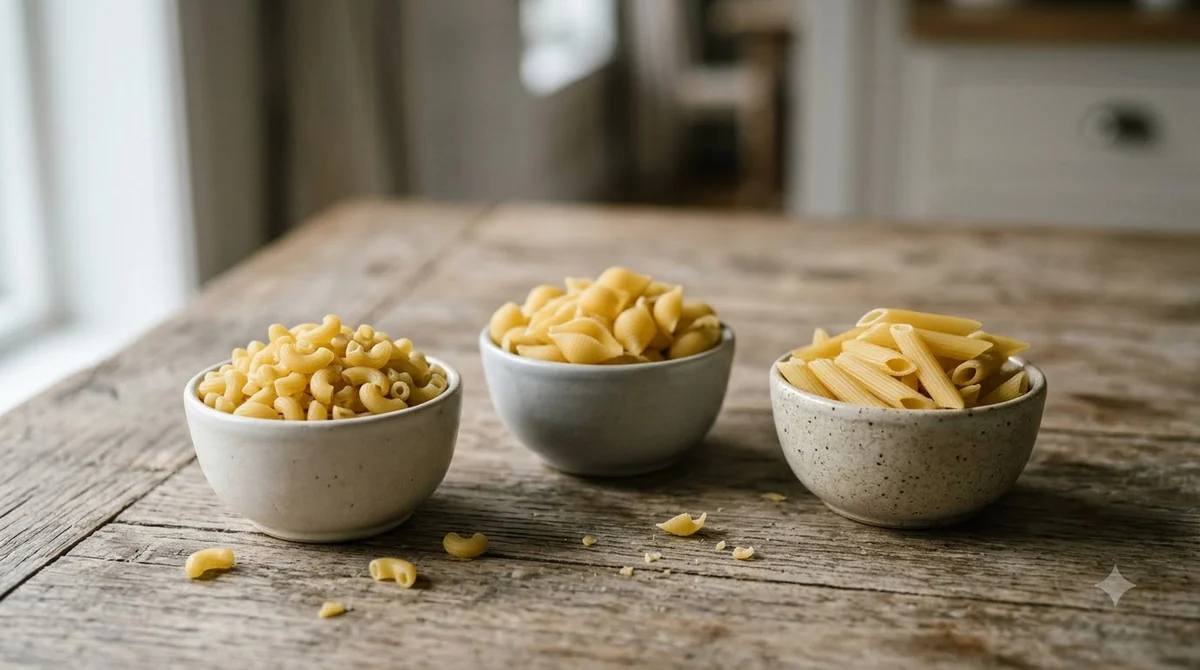

Pennette pasta is a small version of penne, the tube pasta with angled ends. Its narrower shape fits a spoon and holds light sauces well. It is a good choice for soups, pasta salads and brothy dishes where a large tube would feel heavy.
What Is Pennette Pasta?
Pennette is a miniature penne with a smaller diameter than regular penne, and some versions are also made a little longer in proportion. Penne itself is a tube pasta with ends cut at an angle, and its name comes from the Italian word for feather or pen. The cut ends are the easiest way to recognize penne on a shelf, and pennette keeps the same angled look in a smaller size.
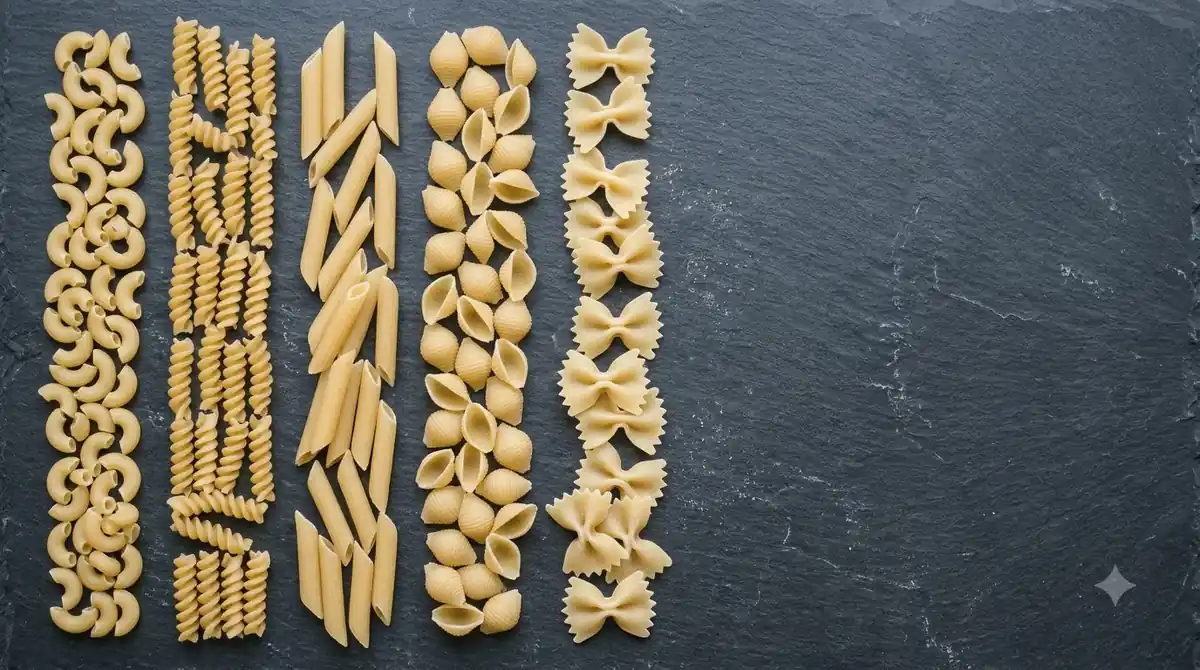
Many shoppers ask whether pennette pasta is simply short penne. The answer depends on the brand. Tasting Table describes pennette as miniature penne, and it notes that the tube is narrower, not always shorter. Some Italian makers sell a shorter version as well, so the package is the best place to check the exact length before you cook. If you want a full overview of the parent shape, the Wikipedia entry on penne lists the standard sizes and the history of the cut.
Because the tube is narrow, pennette pasta cooks through quickly and carries less sauce per bite than penne. That makes it a practical choice when you want a bite-sized pasta for a bowl of soup or a cold salad. It also means a thick, chunky sauce can overwhelm it, so pair it with smoother or thinner sauces.
Pennette vs Penne and Other Small Shapes
Pennette is smaller than standard penne, which is about 2 inches (5 cm) long, while mezze penne is about 1 inch (3 cm) and is cut to half length. Pennette is best understood by its narrow diameter, so the table below compares the shapes you are most likely to see side by side.
| Shape | Size | Key difference |
|---|---|---|
| Penne | About 2 in (5 cm) | Standard tube with angled ends |
| Pennette | Smaller diameter, sometimes shorter | Fits a spoon, suits soups and salads |
| Mezze penne | About 1 in (3 cm) | Half-length penne, not a narrower tube |
| Pennoni | Wider than penne | Heavier tube for thick sauces |
| Mostaccioli | Penne-like tube | Name means “little moustaches” |
The size chart is a guide, not a rule. Brands cut their pasta to slightly different measurements, so compare the package and the photo before you substitute one shape for another in a recipe. For a bigger tube, see how penne compares with rigatoni.
Ridged or Smooth: Choosing the Right Pennette Pasta
You can buy pennette with ridges or in a smooth version, and the choice affects how the sauce behaves. Ridged pasta gives a sauce more surface to cling to, while the smooth style works better when the sauce is thin.
Penne rigate, the ridged version of penne, is often described as an excellent sauce grabber. The ridges hold sauce on the outside of the tube and the hollow center holds it inside, so each bite carries more flavor. Tasting Table notes that a smooth-sided style known as penne ziti is a favorite in Southern Italy, and the same choice exists for pennette.
- Choose ridged pennette for tomato, meat or cheese sauces that need grip.
- Choose smooth pennette for brothy soups and light olive oil or herb sauces.
- Check the label, because some brands use “penne ziti” for smooth tubes.
Best Sauces and Dishes for Pennette
Pennette works best in soups, light sauces and pasta salads, where its small size keeps every spoonful balanced. The Tasting Table guide to penne sizes points out that the shape fits comfortably in a spoon and advises against pairing it with large pieces of meat or vegetable, which can overwhelm the small tubes.
- Minestrone and bean soups, where the small tubes fit the spoon.
- Cold pasta salads with finely diced vegetables and a vinaigrette.
- Light tomato sauces with garlic, basil or a little chili.
- Olive oil and herb sauces with grated cheese.
Pennette also works in baked dishes if the sauce has enough liquid. Stir it into a cheese sauce with a spoonful of tomato, then top the dish with breadcrumbs. Bake only until the top is golden, because the pasta keeps softening in the oven and can turn mushy if it was fully cooked beforehand.
Penne in general suits creamy and heavy sauces as well as baked dishes. Pennette pasta can handle creamy sauces too, but the sauce should be smooth and loose enough to coat the small tube rather than sit on top of it. A spicy tomato sauce is a classic pairing for the full-size shape, and a lighter version works well with pennette pasta when you want a quick weeknight dinner.
How to Cook Pennette Pasta
Cook pennette pasta in a large pot of well-salted boiling water and stop when it is al dente, which is the firm texture Italian cooks expect from penne. Check the cooking time printed on the package, because small shapes can go from firm to soft quickly.
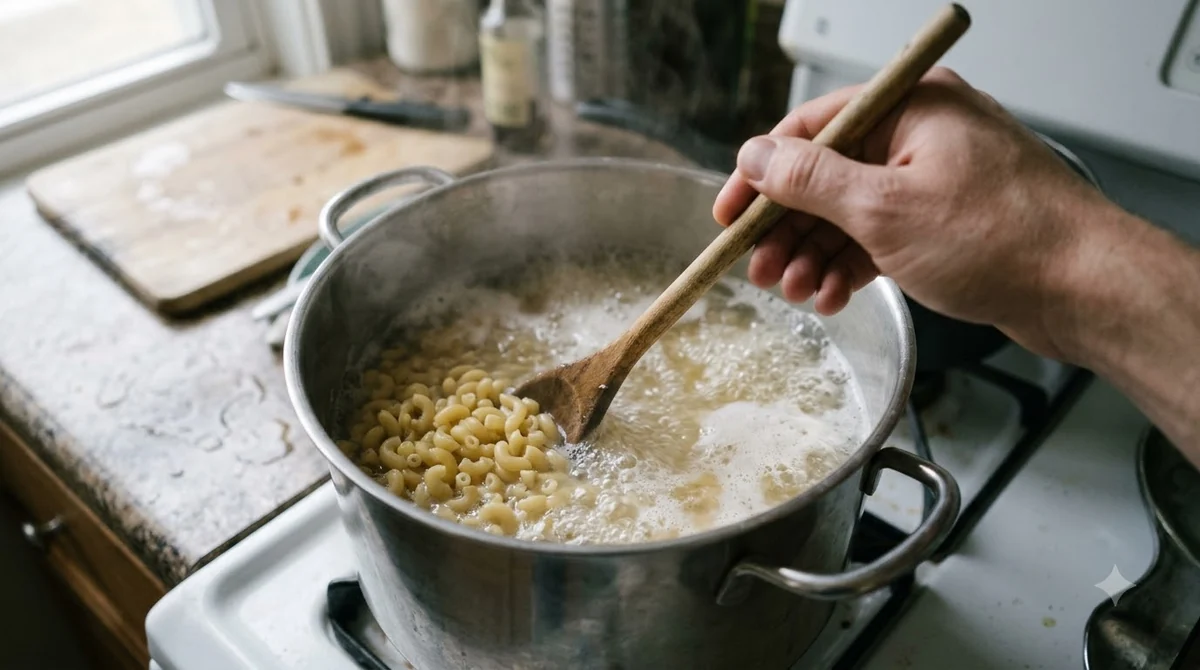
- Bring a large pot of water to a rolling boil and add salt before the pasta goes in.
- Stir in the pennette pasta and keep the water at a steady boil so the pieces do not stick together.
- Set a timer for the minimum time on the package and taste a piece a minute or two before it ends.
- Save a cup of cooking water before you drain, since the starch helps a light sauce cling.
- Drain, return the pasta to the pot and toss it with the sauce over low heat.
Penne is usually cooked al dente, and that advice holds for pennette pasta too. A soft tube keeps less bite and can turn mushy in a cold salad, so cook it a little firmer if the dish will rest before serving. Check the package for the exact time, because brands and dies can differ.
Leftovers need care too. Small shapes dry out faster than long pasta when reheated, so add a splash of water or sauce before warming the bowl. Cover the dish, heat it gently and stop as soon as it is hot.
Common Mistakes With Small Pasta
The most common mistake with pennette pasta is pairing it with chunky ingredients. Large pieces of sausage, roasted vegetables or whole beans can overpower the small tube, and each forkful ends up uneven.
Overcooking is the second mistake. Small pasta has less thickness to protect its center, so it loses its bite faster than a wide shape. Pull a piece early and test it, rather than trusting the timer alone.
Finally, do not add a heavy cream sauce that has no liquid to loosen it. Add a splash of the reserved cooking water so the sauce coats the tubes evenly.
A fourth mistake is serving pennette pasta cold without dressing it. Small tubes soak up dressing quickly, so toss them with a little olive oil while they are still warm and add more dressing just before serving.
Frequently Asked Questions
Is pennette pasta the same as penne?
Pennette pasta is a smaller version of penne, with a narrower tube. Some brands also make it shorter, so the package label tells you the exact size. The two shapes share the same angled cut and the same general use in the kitchen.
Is pennette shorter than penne?
Not always. Tasting Table describes pennette pasta mainly by its smaller diameter, and it notes the tube is sometimes proportionally longer. Some makers do sell a shorter pennette, so compare the length on the package before you rely on it.
Can I use pennette in soup?
Yes. Pennette pasta is a common choice for soups because it fits a spoon and cooks through quickly. Add it near the end of cooking so it stays firm in the broth, and check the package for the time. For an even smaller soup shape, try ditalini.
Does pennette cook faster than penne?
It often does, because the narrower tube is thinner. The exact time depends on the brand, so follow the cooking time on the package and start testing a little early.
Is penne ziti the same as pennette pasta?
Not exactly. Penne ziti is a smooth-sided style from Southern Italy, while pennette describes a smaller tube. Both can be smooth, so read the label to see the size and whether the surface is ridged.
Can I swap in mezze penne?
You can, but the result changes. Mezze penne is about half the length of penne, while pennette is defined by its narrower tube. Use mezze penne when you want a shorter piece, and use pennette when you want a smaller, lighter bite.
Choose pennette pasta when you want a small, spoon-friendly pasta for soups, salads and light sauces. Keep standard penne for heavier sauces and baked dishes, and follow the package time for either shape.
 6 min readLearnTubetti Substitute: Ditali, Pennette and Other Small Tube PastaUpdated Nov 13, 2026
 8 min readLearnRotelle Pasta: What It Is, How to Cook It and What to Serve With ItUpdated Nov 10, 2026
 8 min readLearnTajarin Pasta: What It Is, How It Is Made and How to Serve ItUpdated Nov 11, 2026
 9 min readLearnTortelli Pasta: Shapes, Fillings and How to Serve ThemUpdated Nov 10, 2026
 7 min readLearnTrenette Pasta: What It Is, How to Cook It and What to Serve WithUpdated Nov 10, 2026
 7 min readLearnSpaghettini Pasta: What It Is, How to Cook It and What to Serve With ItUpdated Nov 10, 2026