

A veggie pizza recipe tops a homemade crust with artichoke hearts, mushrooms, olives, bell pepper and red onion, then bakes it at 500°F for 10 to 14 minutes. Drain and slice the vegetables first so the crust stays crisp.
What You Need for a Veggie Pizza Recipe
A veggie pizza recipe needs one ball of homemade dough or one pound of store-bought dough, 1/2 cup pizza sauce, 1 1/2 cups shredded mozzarella and about 2 1/2 cups of prepared vegetables. The quantities below suit a 14-inch pizza.
- 1 ball homemade pizza dough, or 1 pound store-bought pizza dough
- 1/2 cup pizza sauce
- 1 1/2 cups shredded mozzarella cheese
- 3/4 cup canned artichoke hearts, drained and patted dry
- 1/2 cup sliced cremini or button mushrooms
- 1/3 cup sliced black olives
- 1/2 cup thinly sliced red bell pepper
- 1/3 cup thinly sliced red onion
Store-bought dough is the quicker route, and a homemade pizza dough made with bread flour gives a chewier crust when you have time. Either way, the vegetable amounts stay the same, so you can prep the toppings while the dough rests.
Kristine’s Kitchen sizes these quantities for one 14-inch pizza. If you want two smaller pizzas instead, divide the dough and toppings evenly so each pie gets the same proportions. Keeping each veggie pizza recipe batch to one pie makes the sauce and cheese layers easier to judge.
How to Make a Veggie Pizza Recipe Step by Step
Heat the oven to 500°F with the rack one space above the bottom, then bake the topped pizza for 10 to 14 minutes until the crust is golden and the cheese is fully melted.

Stretch the dough on a lightly floured surface into a 14-inch circle. Oil a pizza steel or baking sheet with high-temperature cooking spray or vegetable oil. If you use a pizza stone instead, dust it with cornmeal, and wait until it has cooled before you clean the pizza stone.
- Preheat the oven to 500°F, or as high as it will go, with the rack one space above the bottom.
- Place the stretched dough on the oiled pan or steel.
- Fold any overhanging edges toward the pizza to build a thicker rim.
- Spread the pizza sauce, leaving a 1-inch border for the crust.
- Add the mozzarella, then the drained vegetables and olives.
- Brush the crust edge with extra virgin olive oil.
- Bake for 10 to 14 minutes until the crust is lightly browned and the cheese is fully melted.
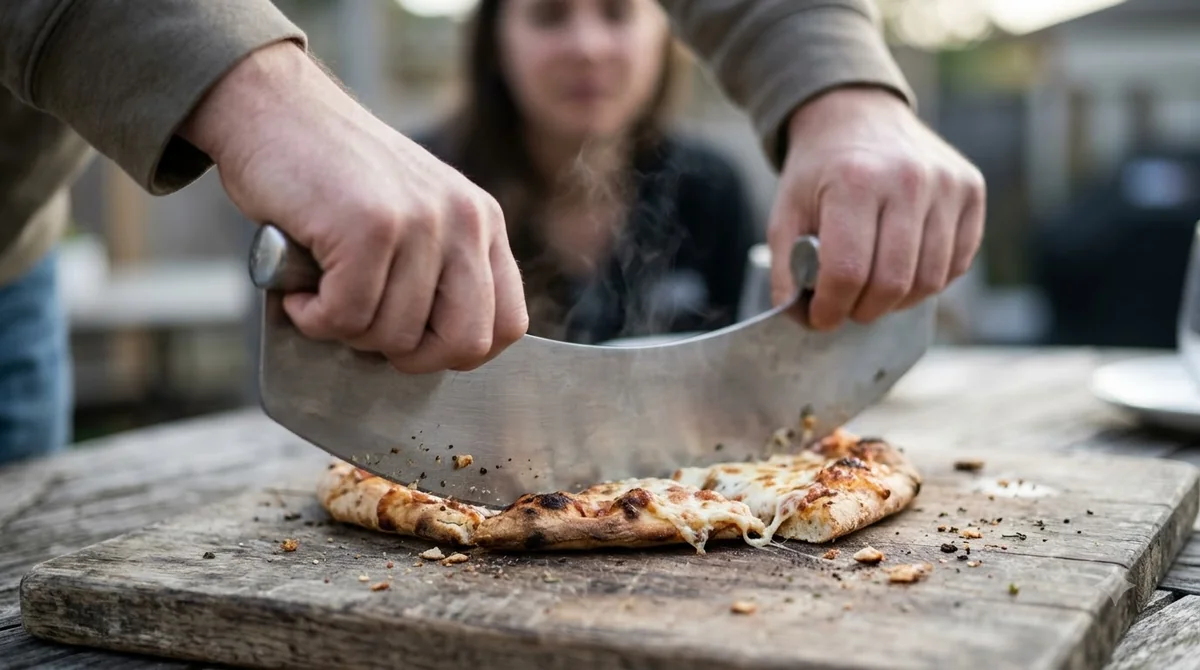
- Rest the pizza for 3 to 4 minutes before cutting it.
The oven needs time to reach full heat before the pizza goes in. Kristine’s Kitchen preheats to 500°F and puts the rack one space above the bottom, which gives the crust the most heat from below. A dedicated oven runs far hotter, as this guide to how hot a pizza oven gets explains, but a home oven at 500°F is enough for this recipe.
Keep an eye on the crust during the last few minutes. You want the edge lightly browned and the cheese fully melted, with no pale, wet patches on the surface. Wait a few minutes before you slice, so the cheese sets and the toppings stay on the crust. Fresh basil goes on after the rest, not before the bake.
Which Vegetables Work Best and How to Prep Them
Artichoke hearts, mushrooms, bell pepper, red onion and black olives all work on a veggie pizza, but each needs a different prep before it goes on the dough. The table shows the amount and prep for each one.
| Vegetable | Amount | Prep |
|---|---|---|
| Artichoke hearts | 3/4 cup | Drain, pat dry, chop coarsely if large |
| Mushrooms | 1/2 cup | Slice thin, roast first for less moisture |
| Red bell pepper | 1/2 cup | Slice thin, roast first for less moisture |
| Red onion | 1/3 cup | Slice thin |
| Black olives | 1/3 cup | Slice and drain well |
In any veggie pizza recipe, thin slices spread evenly across the crust and cook through with the cheese. Add fresh basil after baking so it stays green and fresh. If you want meat on the pizza instead, try the ham and pineapple pizza recipe.
If you want deeper flavor from the peppers and mushrooms, roast them first. King Arthur Baking recommends roasting high-water vegetables such as mushrooms, peppers and onions for exactly this reason. Spread them on a sheet pan, roast until the edges brown, then chop the peppers and mix them with the mushrooms and artichoke hearts before they go on the sauce.
Roast the vegetables while the dough rests, so the veggie pizza recipe moves quickly from prep to oven. Let the roasted pieces cool slightly before you spread them, so they do not drag the sauce around the crust.
How to Keep Veggie Pizza From Getting Soggy
Raw vegetables release water as they bake, which is the main reason a veggie pizza crust turns soft. Roasting the wettest toppings and keeping the load light are the two steps that help most. King Arthur Baking’s topping advice explains why pre-roasting works.
- Roast mushrooms, peppers and onions before they go on the pizza.
- Drain and pat dry the artichoke hearts and olives.
- Use a thin, even layer of sauce so the vegetables do not float.
- Leave space between the toppings instead of piling them up.
- Poke the dough with a fork before adding the toppings.
King Arthur Baking also warns that too many toppings weigh the pizza down and add too much moisture. Keep the layer even and light for the crispest result. A base rolled thin, as in rolled-thin pizza dough, also bakes through quickly under a light vegetable layer.
A good veggie pizza recipe rewards a little planning in the prep bowl. Drain the artichoke hearts in a strainer, then pat them dry with paper towels. Slice the mushrooms and peppers to a similar thickness so they cook at the same pace across the pie.
Once the pizza is topped, move it to the oven quickly. The longer wet toppings sit on raw dough, the more moisture the crust absorbs before it has a chance to bake.
Common Mistakes When Making a Veggie Pizza Recipe
The most common mistakes in a veggie pizza recipe are an under-heated oven, too many toppings and wet vegetables. Each one shows up as a pale, soft crust or a pizza that slides apart when you cut it.
- Skipping the preheat, so the crust bakes slowly and turns soft before it browns.
- Adding raw artichoke hearts or olives straight from the can without draining and patting them dry.
- Spreading the sauce too thickly, which leaves a wet layer under the vegetables.
- Covering the pizza with a heavy layer of cheese, which traps moisture from the vegetables.
- Adding fresh basil before baking instead of after the pizza has rested.
Fix these before the next bake of your veggie pizza recipe and the crust usually turns out crisper. A small test pizza with a few toppings is a good way to check your oven and your prep.
Frequently Asked Questions
Can I use store-bought pizza dough for a veggie pizza recipe?
Yes. Kristine’s Kitchen lists one pound of store-bought pizza dough as an alternative to a homemade ball, so the rest of the recipe stays the same. Stretch the dough to a 14-inch circle before adding the sauce, whichever dough you use.
Should I cook the vegetables before adding them?
Roasting high-water vegetables such as mushrooms, peppers and onions removes extra moisture, according to King Arthur Baking. Artichoke hearts and olives only need draining and patting dry before they go on the crust.
How hot should the oven be for a veggie pizza recipe?
Kristine’s Kitchen recommends preheating to 500°F, or 550°F if your oven goes that high. Place the rack one space above the bottom so the crust bakes from below.
How long should a veggie pizza recipe bake?
Bake it for 10 to 14 minutes until the crust is lightly browned and the cheese is fully melted and slightly golden. Let it rest for 3 to 4 minutes before adding basil or cutting it.
Can I prep veggie pizza ahead of time?
Yes, but keep the wet and dry parts separate. Chop and drain the vegetables ahead of time, then assemble the pizza just before baking. Letting the dough sit under wet toppings makes the crust soggy.
Do I need red pepper flakes or basil on a veggie pizza recipe?
No, both are optional in Kristine’s Kitchen version. Red pepper flakes add heat if you like it, and fresh basil goes on after the pizza rests so it stays fresh and green.
If you are cooking for a group, make two smaller pizzas instead of one large one, so each crust gets the heat it needs. This veggie pizza recipe works with homemade dough when you have time, and with store-bought dough on busy nights. If you prefer the vegetables sealed inside the dough, a calzone with peppers, onion and mushrooms uses similar fillings, and the buffalo chicken pizza recipe is a meat-topped alternative.