
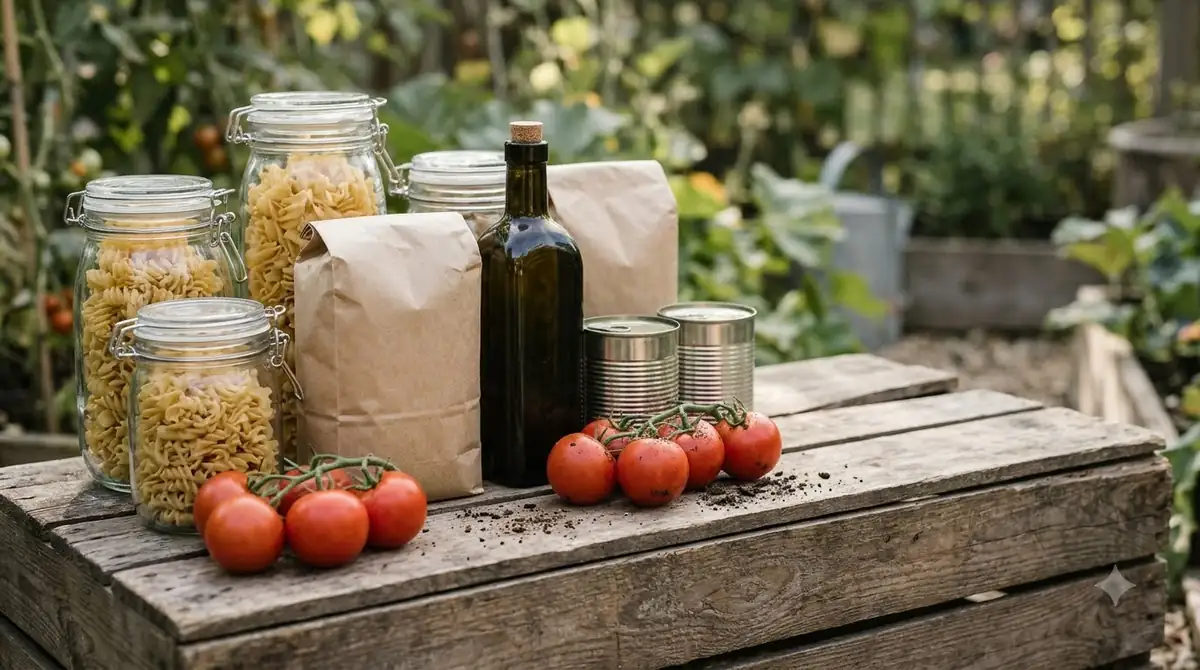

The answer to what is lardo is short: lardo is an Italian cured meat made from strips of pig fatback, salted, seasoned with herbs and aged for months. It is eaten thinly sliced and raw rather than cooked, and the best-known version comes from Colonnata in Tuscany.
Lardo is not the same as lard. The two share a name in English, but one is a cured slice of meat fat and the other is fat prepared for cooking.
What is lardo?
Lardo is cured pork fatback, the thick layer of fat from the back of a pig, and it is more than 90% fat by composition. Wikipedia’s entry on lardo describes it as an Italian salume made by curing strips of fatback, which places it in the same family as other Italian cured meats.
The same source gives the salt content as 3 to 5% of the finished composition. That makes lardo a salty product, so it is usually served in small, thin portions rather than as a large piece of meat.
If you are asking what is lardo in a shop or on a menu, picture a slab of salt-cured back fat that is sliced and eaten cold, not a tub of cooking fat. The name points to the Italian word for the fat, and the product is closely tied to Tuscany.
Lardo vs lard: what is the difference?
Lardo is cured back fat that is eaten as a salume, while lard is rendered pig fat that is used for cooking and baking. The producer guide for lardo di Colonnata states that the product is cured backfat and not rendered lard.
The table below compares the two on the points that matter when you buy or cook with them.
| Feature | Lardo | Lard |
|---|---|---|
| State | Cured and aged, eaten cold | Rendered (melted down) pig fat |
| Typical use | Thin slices on bread or antipasto | Fat for frying, roasting and baking |
| Seasoning | Salt, pepper, rosemary, garlic and local herbs | Plain rendered fat, no curing step |
Lardo also differs from other Italian cured pork such as pancetta and guanciale, which come from other parts of the pig. Those products are covered by their own labels, so do not treat them as interchangeable with lardo when a recipe asks for one of them.
How lardo is made
Lardo is made by layering salted back fat with rosemary, garlic and black pepper, then ageing it in marble basins for months.
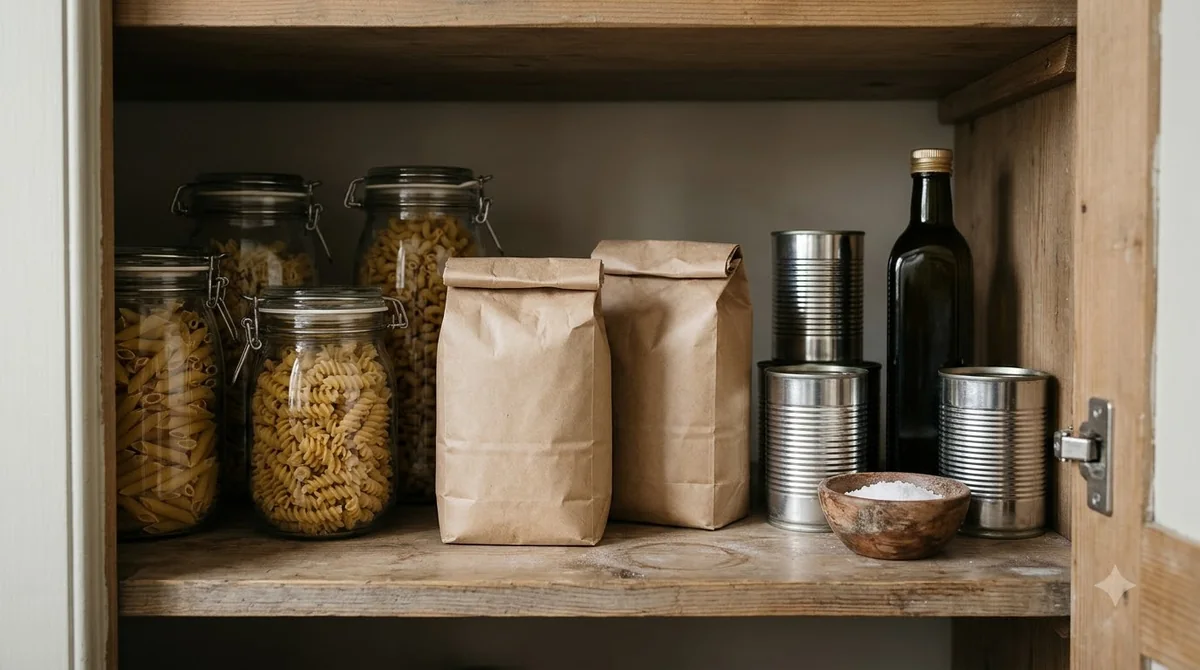
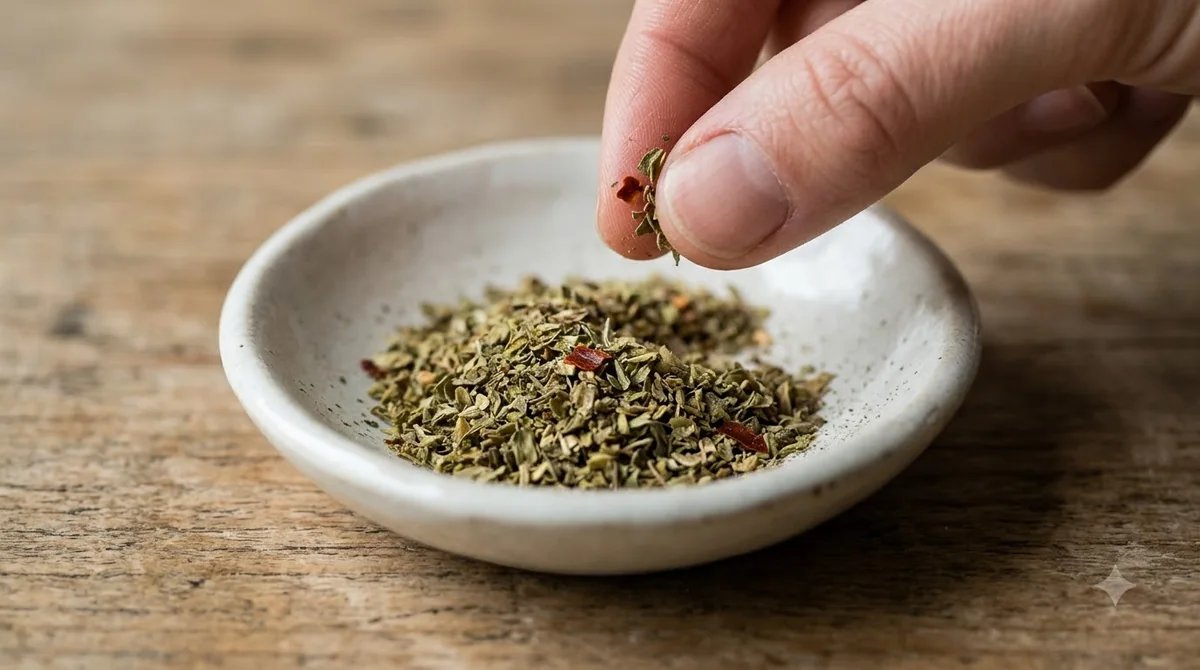
The seasoning list is not fixed. The Lardo di Colonnata IGP guide from Emilia De Lizia lists coarse sea salt, rosemary, garlic, black pepper and local herbs, and notes that some producers add star anise, coriander, cloves or nutmeg. Two lardo products can therefore taste quite different.
The traditional process for lardo di Colonnata follows four steps:
- Layer slabs of back fat with coarse sea salt, rosemary, garlic, pepper and herbs.
- Pack the layered fat into a marble basin, called a conca or conche, and seal it.
- Set the sealed basins in the natural caves of the village.
- Age the lardo for a minimum of six months. Some producers age it for ten months or more.
Ageing time is the variable that most affects what you eat. A minimum of six months is the figure given for the traditional product, so a much younger piece is not the same style of lardo described here.
The marble is part of the method, not just a container. The producer guide says the basins are carved from Carrara marble, specifically the Calanoni vein.
Where lardo comes from
The best-known lardo, lardo di Colonnata, comes from the village of Colonnata above Carrara in Tuscany, and it has held protected status since 2004.
Production of lardo di Colonnata is restricted to the village itself. The producer guide uses the term IGP, the Italian name for the protected designation, while Wikipedia calls it PGI. Both point to the same protected product, so you may see either label on packaging.
Products sold as lardo can come from different areas. Check the origin on the label before you assume the product has the Colonnata protection.

How to serve lardo
Lardo is usually sliced very thin and served raw, often on warm bread or bruschetta, so the heat softens the fat slightly.
The producer guide describes the slices as almost translucent ribbons, which is the texture to aim for when you cut it at home. The main serving formats in the source are these:
- On warm bread or grilled bruschetta, where the heat makes the fat soften slightly.
- On an antipasto platter, next to cheese and other cured meats such as speck or bresaola.
- Wrapped around grissini, the thin Italian breadsticks.
- Wrapped around lean meat and used to baste it before roasting.
The simplest serving is cold, thinly sliced lardo with bread, because the salt and herbs in the cure stand out without any cooking. Use the roasting method only when the recipe calls for a basting fat.
Common mistakes with lardo
The most common mistake is treating lardo like lard, because the product is cured for eating cold rather than melted down for cooking.
The producer guide describes lardo as cured backfat and not rendered lard, so it is not the fat you would use for frying or roasting in everyday recipes. Three other mistakes come up often, and each one is easy to avoid:
- Cutting thick slices. The producer guide describes the ideal slice as almost translucent, so thick pieces lose the texture the product is known for.
- Skipping the origin check. Only the protected version carries the Colonnata origin and the IGP seal, and other products sold as lardo may come from elsewhere.
- Judging every lardo by one tasting. The seasoning varies by producer, so a piece from one shop may taste different from another.
How to choose and store lardo
Look for the IGP seal on the packaging, because the producer guide notes that freshness varies between importers.
Use this checklist when you read a label or ask a shop:
- An IGP seal on the packaging, which marks the protected product.
- An origin of Colonnata, if you want the traditional version.
- An ingredient list with salt, pepper, rosemary, garlic and herbs.
- A seller who sells it often, since freshness varies by importer.
Storage is the part the sources used here do not cover in detail. Follow the instructions on the label and ask the seller how to keep an opened piece. The storage time and temperature are not verified in this article.
What this article has not verified
The sources did not give a storage temperature, a shelf life, a price or a nutrition figure per serving. Check those on the product label, the producer’s page or the importer’s listing before you rely on them.
Frequently Asked Questions
Is lardo eaten raw?
Yes, the traditional way is raw. The producer guide describes lardo di Colonnata as served in thin slices, either on its own as part of an antipasto or on warm bread, where the heat softens the fat slightly.
What flavour does lardo have?
The flavour comes mainly from the curing mix of salt, pepper, rosemary, garlic and local herbs. Some producers also add star anise, coriander, cloves or nutmeg, so the taste varies from one producer to the next.
What is lardo used for?
Lardo is mostly eaten cold in thin slices on bread, bruschetta, grissini or an antipasto platter. The producer guide also describes wrapping lean meat in it and using it to baste the meat before roasting.
How long is lardo aged?
Lardo di Colonnata is aged for a minimum of six months, and some producers age it for ten months or more. The ageing takes place in marble basins sealed and set in the village’s natural caves.
Is lardo the same as lard?
No. Lardo is cured back fat eaten cold in slices, while lard is rendered pig fat used for cooking and baking. The two differ in process and in how they are used.
Where does lardo come from?
The best-known lardo comes from Colonnata, a village above Carrara in Tuscany. The product has held protected IGP or PGI status since 2004, so check the label for the origin.
How do I know I am buying the real thing?
Start with the IGP seal and the origin on the packaging. A label that names Colonnata and carries the seal points to the protected product, while a generic label gives you less information about the process.
If you are still asking what is lardo after reading this, start with the label. The IGP seal, the origin and the ageing details tell you more than the name alone, and the same name can cover very different products. Ask the seller how it was stored, because that detail is not in the sources used for this article. More Italian cured meat explainers are in our Learn guides.
 9 min readLearnWhat Is Capocollo? An Italian Cured Pork Neck ExplainedUpdated Nov 11, 2026
 7 min readLearnWhat Is Pancetta? Italian Cured Pork Belly ExplainedUpdated Nov 10, 2026
 8 min readLearnWhat Is Guanciale? A Guide to Italy’s Cured Pork JowlUpdated Nov 10, 2026
 9 min readLearnWhat Is Speck? A Smoked Italian Cured Ham ExplainedUpdated Nov 11, 2026
 8 min readLearnWhat Is Bresaola? A Lean Italian Cured Beef GuideUpdated Nov 11, 2026
 8 min readLearnWhat Is Porchetta? A Simple Guide to Italy’s Boneless Pork RoastUpdated Nov 11, 2026