

The answer to what is guanciale is short: it is an Italian salt-cured meat made from pork jowl or cheeks. The name comes from guancia, the Italian word for cheek.
Cooks in Rome and central Italy use it in pasta because its rendered fat adds flavour to the sauce. Knowing what is guanciale and how it differs from pancetta and bacon helps you cook classic dishes the traditional way.
What is guanciale and where it comes from
Guanciale is cured pork jowl from central Italy, especially Umbria and Lazio, and its name means cheek in Italian. If you are asking what is guanciale for the first time, the short version is this: the meat comes from the jowl or cheeks of the pig, which gives the product its name.
According to Wikipedia’s guanciale entry, the meat can be eaten sliced in small portions, but it is most often used in pasta. Its rendered fat flavours and thickens pasta sauces, which is the main reason cooks rely on it.
Guanciale has a stronger flavour than pancetta, another Italian cured pork, and its texture is more delicate. When it cooks, the fat typically melts away, leaving the meat tender and the sauce seasoned.
Cooks in Rome usually rub guanciale with salt and black pepper. Producers in other areas may add more seasoning, so the exact taste depends on who made it.

How guanciale is made
Guanciale is rubbed with salt and black pepper, brined for a few weeks, washed with wine, and then air-cured for weeks to months until it loses about 30% of its original weight.
Understanding what is guanciale in practice starts with its traditional method, which follows four main steps as the encyclopedia entry describes it.
- Rub the pork jowl with salt and black pepper, then let the initial brining run for a few weeks.
- Wash the salt off with wine.
- Re-season the meat with pepper or chili powder.
- Air-cure it for weeks to months until it loses approximately 30% of its original weight.
Producers vary the seasoning. Some add other spices, herbs, peperoncino or red pepper, and sometimes garlic. A label that lists these extras tells you more about the taste than the cut alone, so read it before you buy.
The curing takes weeks to months, and the source ties the finished stage to the weight loss rather than to a fixed calendar date. That is why the timeline matters more than the number of days.
This article explains what is guanciale through the traditional method only. It does not give a home curing recipe, because curing pork at home involves food safety steps that these sources do not cover. A commercial product or a tested guide from a food safety authority is the safer route.
Guanciale vs pancetta vs bacon
When you compare what is guanciale with other cured pork, the cut comes first. Guanciale comes from the jowl and cures for weeks to months, while pancetta comes from the belly and is brined for 10 to 14 days before it dries.
The table compares what is guanciale with pancetta, the two Italian cured pork products, using the figures from each product’s encyclopedia entry.
| Feature | Guanciale | Pancetta |
|---|---|---|
| Cut | Pork jowl or cheeks | Pork belly, skin removed |
| Initial cure | Salt and pepper, a few weeks of brining, then washed with wine | Brined 10 to 14 days in a cool, humid setting |
| Drying | Air-cured for weeks to months | Kept at 22 to 24 °C for 24 to 36 hours, then dried at 12 to 14 °C and 72 to 75% relative humidity for 3 to 4 weeks |
| Weight kept | Loses about 30% | Keeps about 70% |
| Flavour | Stronger flavour, more delicate texture | Milder than guanciale |
The Wikipedia pancetta entry notes that pancetta is sometimes cold-smoked during its curing, and the smoked style, pancetta affumicata, is salt-cured and smoked in a way similar to bacon. Pancetta also comes in a rolled style typical of northern Italy and a flattened style typical of central and southern Italy.
Bacon is a different product from both, so knowing what is guanciale also means knowing what it is not. The carbonara entry notes that bacon is often used as a substitute for guanciale in English-speaking countries, but it does not match the flavour of the Italian original.
Because guanciale is the more intensely flavoured of the two Italian products, a dish made with pancetta will taste milder. Choose guanciale when the sauce depends on the meat itself, and read the full pancetta vs guanciale comparison for the curing details.
Where guanciale is used
Knowing what is guanciale also means knowing where it belongs: it is most often used in pasta, and it is the most commonly used meat for spaghetti alla carbonara in Italy.
According to Wikipedia’s carbonara entry, the dish is made with cured pork, hard cheese, eggs, salt and black pepper. The meat is briefly fried in its own fat, which is why the rendered fat is so important to the finished sauce.
The eggs, grated cheese and black pepper are mixed with the hot pasta away from direct heat, which the source says avoids curdling the egg. The fried meat and its fat are then tossed in to create a creamy sauce.
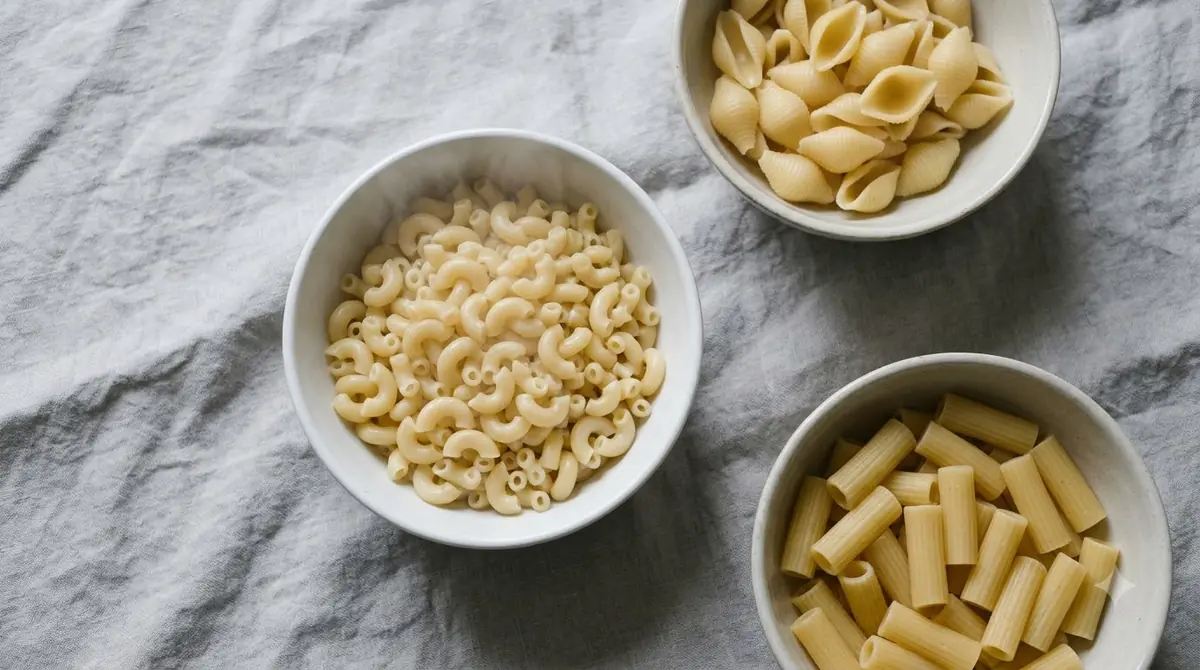
The usual cheese is pecorino romano, though Parmesan, Grana Padano, or a mix is sometimes used. Spaghetti is the most common pasta, and bucatini or rigatoni are also used.
Cream is not used in most Italian recipes. Outside Italy, cream is often added because it makes the dish more stable. The same entry flags the timeline of cream’s removal as disputed, so treat any single date with care.
- Spaghetti alla carbonara, the classic guanciale pasta
- Sugo all’amatriciana, a tomato sauce that uses guanciale, as the guanciale entry names it
- Other pasta dishes where the rendered fat flavours and thickens the sauce
The sources do not give exact quantities or cooking times for these sauces, so follow a tested recipe from a named source and check the timing yourself.
Substitutes when guanciale is hard to find
If you cannot find what is guanciale at your local shop, pancetta is the closest common substitute, and bacon is often used in English-speaking countries.
The guanciale entry says pancetta is sometimes used as a substitute when guanciale is unavailable. Each substitute gives a different result from the traditional recipe, so the choice depends on what you can find.
- Pancetta: Italian cured pork from the belly, named in the guanciale entry as a substitute when guanciale is unavailable
- Bacon: often used as a substitute for guanciale in English-speaking countries, according to the carbonara entry
- Expected result: a milder dish with either choice, because guanciale is the more intensely flavoured product
Common mistakes with guanciale
A frequent mistake, once you know what is guanciale, is adding cream to carbonara, since most Italian recipes leave cream out entirely.
Three mistakes are worth avoiding when you learn what is guanciale. Each one comes from mixing up guanciale with a product that sits close to it.
- Adding cream to carbonara, which most Italian recipes do not use.
- Calling pancetta guanciale. The cut differs: guanciale is pork jowl, while pancetta is pork belly.
- Assuming a substitute tastes the same. Bacon and pancetta both change the flavour compared with guanciale.
The sources used for this article do not give a frying time or temperature for what is guanciale, so no figures appear here. Check the package or a tested recipe, and follow the producer’s cooking advice.
Frequently Asked Questions
Is guanciale the same as pancetta?
No. Guanciale is made from pork jowl or cheeks and is air-cured for weeks to months, while pancetta is made from pork belly and brined for 10 to 14 days before drying. Guanciale is the more intensely flavoured of the two.
What part of the pig is guanciale made from?
Knowing what is guanciale starts with the cut: it is made from the pork jowl or cheeks, and the Italian word guancia means cheek. Pancetta, by contrast, comes from the belly.
Can you use bacon instead of guanciale?
Yes, bacon is often used as a substitute for guanciale in English-speaking countries, according to the carbonara entry. Pancetta is the closer Italian choice, and the dish will taste milder with either one than with the traditional meat.
Does carbonara have cream?
Most Italian recipes do not use cream. The carbonara entry says cream is often added outside Italy because it makes the sauce more stable, and it flags the timeline of cream’s removal as disputed. Eggs and cheese form the usual sauce base.
Where does guanciale come from?
Guanciale is associated with central Italy, especially Umbria and Lazio. Roman cooks usually rub it with salt and black pepper, and the meat appears in classic dishes such as spaghetti alla carbonara and sugo all’amatriciana.
Once you know what is guanciale, the choice is clear: if you want the traditional flavour for carbonara or amatriciana, look for it first. When it is not available, pancetta is the closer Italian substitute, and bacon is the common stand-in in English-speaking countries. Skip the cream and build the sauce on the rendered fat and the eggs.
 8 min readLearnWhat Is Porchetta? A Simple Guide to Italy’s Boneless Pork RoastUpdated Nov 11, 2026
 7 min readLearnWhat Is Pancetta? Italian Cured Pork Belly ExplainedUpdated Nov 10, 2026
 9 min readLearnWhat Is Capocollo? An Italian Cured Pork Neck ExplainedUpdated Nov 11, 2026
 8 min readLearnWhat Is Lardo? An Italian Cured Pork Fat ExplainedUpdated Nov 11, 2026
 8 min readLearnWhat Is Mascarpone? A Plain Guide to Italy’s CreamUpdated Nov 10, 2026
 7 min readLearnWhat Is Fior di Latte? A Simple Guide to Italy’s Cow’s Milk MozzarellaUpdated Nov 10, 2026