
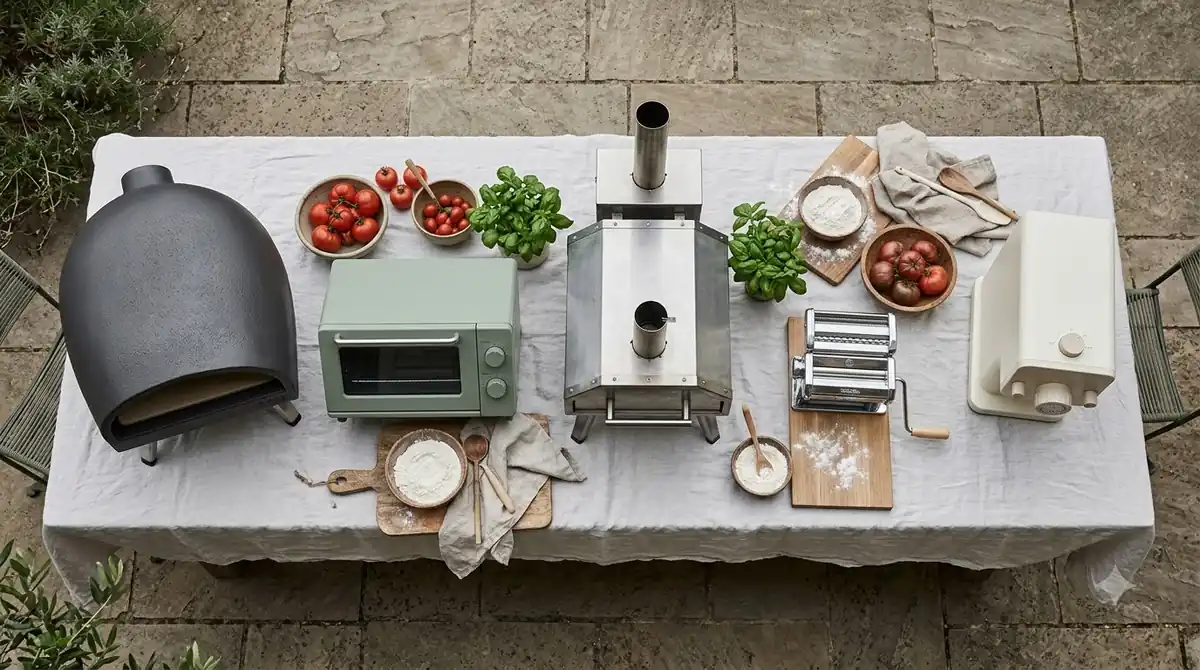

The direct answer to what is porchetta is a savory, fatty, moist boneless pork roast from Italian cuisine. Traditionally, the pig is deboned, seasoned, stuffed with herbs and roasted slowly, so the flavor runs through the meat rather than sitting on the surface. Versions differ by region, but the idea stays the same.
What is porchetta and what it tastes like
Porchetta is a boneless Italian pork roast built around herbs and salt, with the fat and skin left on during cooking. Its taste is savory and rich, and the fat keeps the meat moist through a long roast.
Because the pork is boneless and stuffed, the seasoning ends up inside each slice rather than only on the outside. That is the main difference between porchetta and an ordinary pork roast cooked with a bone in and a simple rub.
Asking what is porchetta usually leads to three answers: a boneless pork roast, a herb filling and a long, slow cook. Each one explains part of the flavor and the texture.
Porchetta is also recognized in Italy as a traditional food. According to Wikipedia’s porchetta entry, the agriculture ministry lists it as a traditional food, known as PAT, so the name refers to an established style of preparation rather than one fixed recipe.
Where porchetta comes from
Porchetta began in central Italy, and Ariccia, in the province of Rome, is the town most closely associated with it. The dish is now found across many regions, including Umbria, Abruzzo, Lazio, Tuscany, Emilia-Romagna, Marche, Basilicata and Veneto.
In Lazio, porchetta is one of the region’s two iconic food products, alongside pecorino romano. The regional styles show how far the same idea can travel, from a short herb list to a filling with offal.
| Region style | How it is prepared |
|---|---|
| Abruzzo | Slow-roasted with rosemary, garlic and pepper |
| Umbria | Stuffed with chopped entrails, lard, garlic, salt, pepper and wild fennel |
| Treviso (Veneto) | Meat stuffed and roasted in an oven for seven hours at 90 °C (194 °F) |
Because the dish is tied to several regions, porchetta covers a family of roasts rather than one exact recipe. If you are asking what is porchetta on a menu or in a shop, the regional style is the first thing to check.
The Treviso version differs most from the traditional method, because it uses an oven rather than a fire. The other two styles stay closer to the herb-stuffed roast that most people picture.
How porchetta is made
Traditional porchetta starts with a deboned pig carcass that is heavily salted, stuffed with herbs and roasted for hours. The fat and skin stay on for the whole cook, which is part of the traditional method.
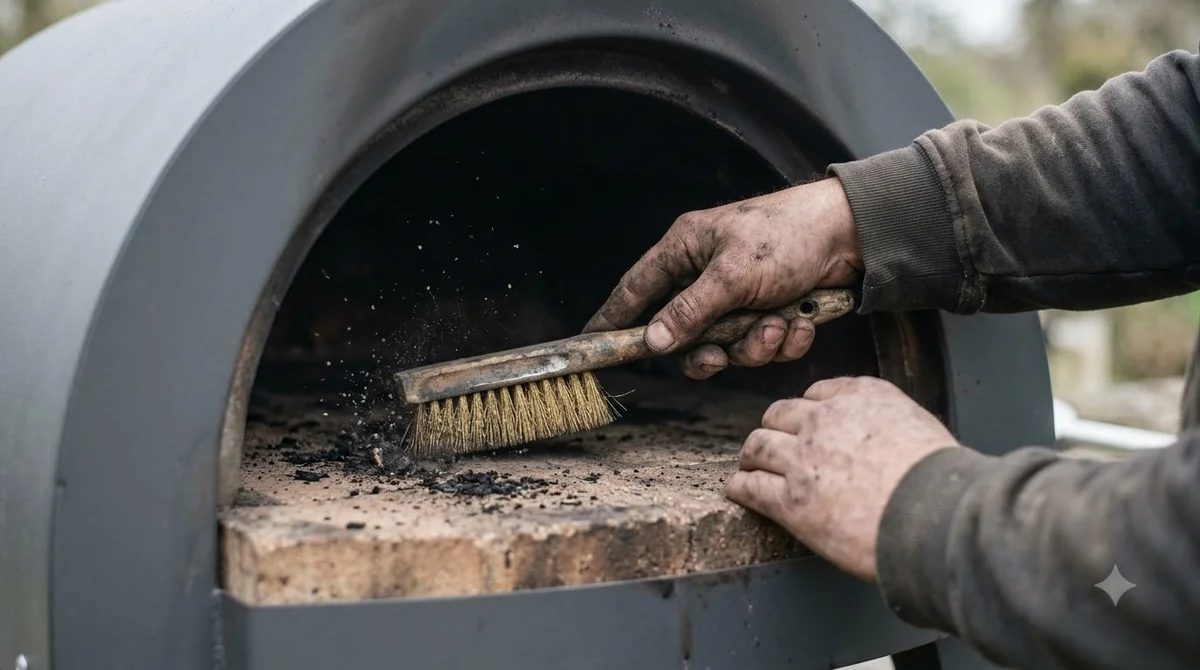
The traditional process follows a clear order. Each step shapes the final texture and flavor, so the steps below are worth knowing even if you only plan to buy the finished roast.
- Deboning: the carcass is deboned so it can be rolled and stuffed.
- Salting: the meat is usually heavily salted before cooking.
- Stuffing: it is filled with garlic, rosemary, fennel or other herbs, often wild.
- Roasting: it is spitted or roasted over wood, traditionally for at least eight hours, with fat and skin still on.
- Serving: the finished roast is sold and eaten as a filling, most often in a panino.
Some traditions also add liver to the stuffing. The Treviso version is cooked differently: the meat is stuffed and roasted in an oven for seven hours at 90 °C (194 °F), according to the same encyclopedia entry.
Home cooks should not copy these times blindly. The sources describe traditional methods rather than one standard, so use a tested recipe that gives the cut, oven setup and internal temperature for your own equipment.

How to tell porchetta from a plain roast
A porchetta is a boneless, herb-stuffed roast, so a rolled piece with visible herbs and skin is the main sign to look for. A plain pork roast is not deboned, stuffed and rolled in the same way.
- Boneless: the meat is deboned before it is rolled and roasted.
- Herb filling: rosemary, garlic and pepper are the core seasonings, with fennel common in some regions.
- Skin and fat: traditionally left on during roasting.
- Sandwich filling: often eaten as a filling in a panino, sold from vans at events and holidays.
This checklist describes the traditional dish. Regional versions and shop products can differ, so ask the seller what is inside and how it was cooked before you buy or order.
How porchetta is served
Porchetta is usually eaten as a panino, sold as street food from white-painted vans at public events and holidays. The sliced roast is the filling, and the bread is what makes it easy to eat on the go.
In Rome and Lazio, porchetta is a common street food filling for pizza bianca, the flat white bread (see our pizza bianca recipe for the Roman flatbread). It is also eaten at home and on picnics, which gives it a wider place in daily food than a restaurant dish alone.
| Format | Where it appears |
|---|---|
| Panino | Street food from vans, especially at public events and holidays |
| Pizza bianca filling | Rome and Lazio |
| Sandwich with greens and provolone | North America |
| Home meal or picnic | Eaten at home or on picnics |
A picnic or street stall is a simple way to try the dish, because the filling is served in bread and needs no plates or cutlery. Look for the vendor’s filling choice and ask what herbs were used, since that is what sets one version apart from another.
The North American style pairs the roast with greens and provolone, a different balance from the classic Italian panino. Both use the same sliced filling, so the choice comes down to the bread and the extras. For other Italian pork products, see our guides to mortadella and guanciale, which are different products with their own rules.
Common mistakes when ordering or buying porchetta
The most common mistake is assuming every porchetta tastes the same, because the filling and cooking method change by region. Three mistakes come up often when people order or buy it.
- Assuming fennel is always included: it is common in some regions, including Umbria, but the core seasoning is rosemary, garlic and pepper.
- Expecting a standard filling: Umbria’s version includes chopped entrails and lard, which some diners will not expect.
- Skipping questions to the seller: ask which herbs are used and whether the skin is on.
Knowing what is porchetta before you buy also helps you ask the right questions. Ask about the stuffing and the cut, not only the label, because the name alone does not tell you how the roast was made.
This article describes the dish itself. It does not give storage times, reheating rules or food-safety limits, so check the seller’s labeling or a current food-safety guide for those details.
Frequently Asked Questions
What is porchetta made of?
Porchetta is made from pork, usually a deboned pig carcass, seasoned with salt, rosemary, garlic and pepper. Fennel and other herbs are often stuffed inside as well, and some traditions also add liver to the filling.
What does porchetta taste like?
It tastes savory and rich. The fat keeps the meat moist, while rosemary, garlic and pepper give the roast its main seasoning. The exact flavor depends on the regional filling and how long the roast cooks.
Is porchetta always flavored with fennel?
No. Fennel is common in some regions, especially Umbria, but the main seasoning is rosemary, garlic and pepper. Regional versions differ, so check the filling when you order or buy.
Is porchetta a sandwich?
No. Porchetta is the roast itself. It is often sliced and served in a panino, so the bread makes the sandwich and the pork is the filling.
Can I make porchetta at home?
Yes, but the traditional method is long and starts with a deboned carcass. Use a tested recipe that lists the cut, oven setup, times and internal temperature, rather than relying on the numbers in this article.
Where is porchetta usually sold?
It is often sold from white-painted vans, especially at public events and holidays. In Rome and Lazio it is a common street food filling for pizza bianca, and it is also eaten at home or on picnics.
Is porchetta recognized as a traditional food?
Yes. Italy’s agriculture ministry recognizes porchetta as a traditional food, abbreviated PAT. The dish began in central Italy, and Ariccia is the town most closely associated with it.
When you order or buy porchetta, ask what is stuffed inside, whether the skin is on and how the roast was cooked. Those three answers tell you more about the dish than the name alone.
 8 min readLearnWhat Is Guanciale? A Guide to Italy’s Cured Pork JowlUpdated Nov 10, 2026
 7 min readLearnWhat Is Prosciutto di Parma? A Simple Guide to Italy’s Protected HamUpdated Nov 11, 2026
 7 min readLearnWhat Is Colatura di Alici? Italy’s Anchovy Drip SauceUpdated Nov 11, 2026
 9 min readLearnWhat Is Gorgonzola? A Guide to Italy’s Blue CheeseUpdated Nov 11, 2026
 7 min readLearnWhat Is Fontina? A Simple Guide to Italy’s Alpine Melting CheeseUpdated Nov 11, 2026
 7 min readLearnWhat Is Mozzarella di Bufala? Italy’s Buffalo Milk CheeseUpdated Nov 11, 2026