
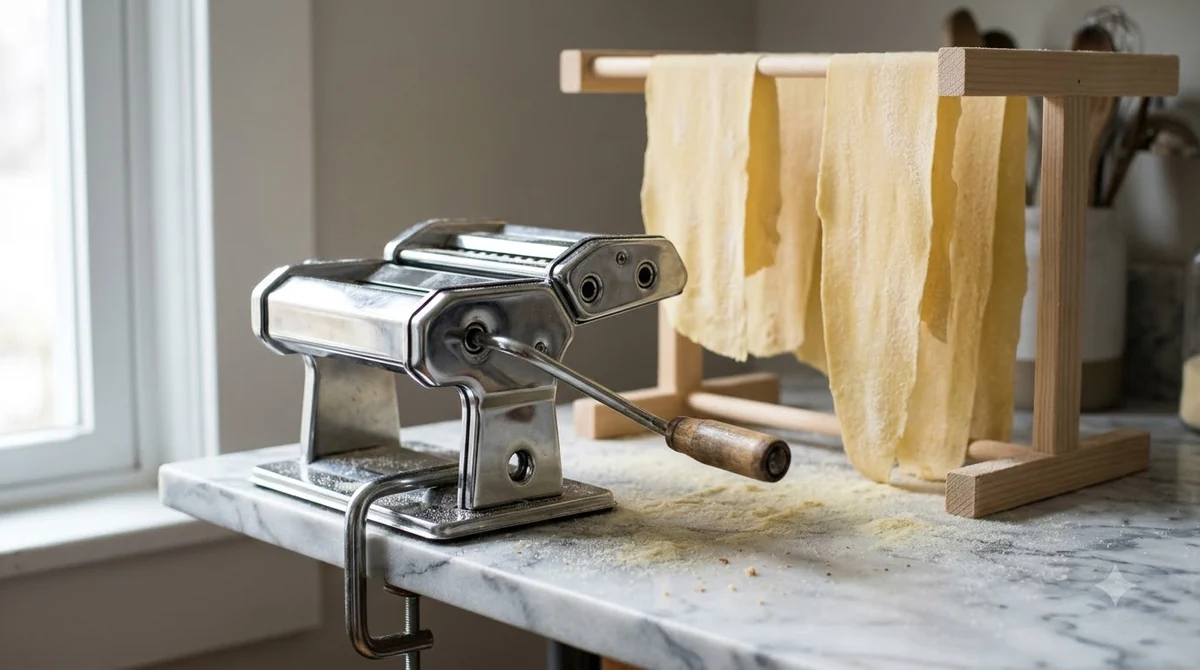

Learning how to make lasagna comes down to four steps: prepare the noodles, build a meat sauce, layer the cheese, and bake at 350°F. Each step is simple on its own. The order you follow matters more than any single ingredient.
Dry store-bought noodles save time, while homemade dough gives a softer bite. Learning how to make lasagna is easier when you decide on your noodle path first, because it changes the prep.
What You Need for Homemade Lasagna
Before you learn how to make lasagna, gather noodles, a meat sauce, ricotta, mozzarella, and Parmesan. One common version uses 1 pound of ground beef, two 24-ounce jars of marinara, and 16 ounces of ricotta, as shown in the table below.
| Component | One common amount | Role in the dish |
|---|---|---|
| Ground beef and Italian sausage | 1 lb of 90/10 ground beef and 2 mild Italian sausage links | Base of the meat sauce |
| Marinara sauce | 2 jars, 24 oz each | Tomato layers and meat sauce |
| Ricotta | 16 oz, mixed with 1 egg and 1 tsp garlic powder | Creamy layer between noodles |
| Mozzarella | 4 cups in total | Melting top layer |
| Parmesan | 1 cup, freshly grated | Salty, nutty finish |
Quantities change from one recipe to the next, so treat the table as a starting point. The Just a Pinch version pairs lean ground beef with mild Italian sausage. You can scale the amounts up or down to fit your dish.
Grating Parmesan yourself gives a fresher flavor than most pre-shredded blends, and Parmigiano Reggiano vs Parmesan explains what the label means. Mix the ricotta with its egg and seasoning before you start layering, so it spreads evenly instead of clumping in one spot.
How to Make the Meat Sauce
Brown the meat first, then simmer it with marinara so the sauce thickens before it goes into the dish. A thick sauce is the best defense against a watery lasagna.
- Brown the ground beef and Italian sausage in a large pan until no pink remains.
- Drain the excess fat, leaving just enough to coat the pan.
- Stir in the marinara (or make your own with how to make marinara sauce at home) and simmer until the sauce holds its shape on a spoon.
- Season to taste before you start assembling the dish.
Learning how to make lasagna well means controlling moisture, because loose sauce pools in the bottom of the dish and makes each layer soggy.
If you want a lighter option, you can skip the meat and build a vegetable sauce. Cook and drain the vegetables first, so they add flavor without releasing extra water into the dish.
How to Make Lasagna Noodles at Home
Dry lasagna noodles can soak in hot tap water for 15 minutes, while fresh dough needs about 30 minutes of rest and a one-minute boil before it goes into the dish. Choose the method that matches the time you have.
Soaking is the simplest route for how to make lasagna without boiling a large pot of water. The Melanie Cooks method soaks the noodles in hot tap water right in the baking dish for 15 minutes, which softens them without boiling. Lay the softened sheets flat before you start layering.
Pre-boiling is the other common method for how to make lasagna. Cook the noodles in salted water until they are just pliable, then drain them and lay them flat so they do not stick together. Pre-boiled noodles can tear, so handle them gently.
Check the package for no-boil noodles, which go into the dish dry. They soak up liquid as the lasagna bakes, so spread the sauce generously under and over each sheet.
Homemade Lasagna Noodles by Hand
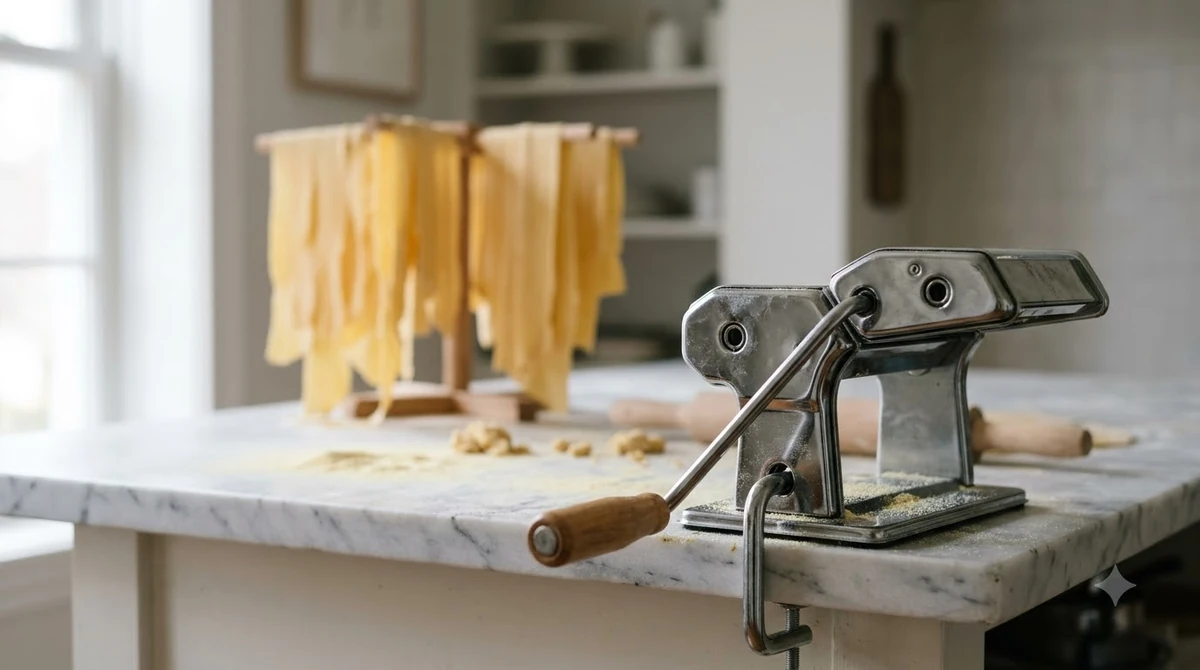
Fresh noodles give a tender bite, and you can make them without a machine. The Baked Bree version uses 2 cups of all-purpose flour, 3/4 teaspoon of kosher salt, 3 large eggs, and 2 teaspoons of olive oil. This lasagna dough recipe is a good base for how to make lasagna noodles by hand, and our fresh pasta dough recipe explains more about kneading and resting egg dough.
Mix the flour and salt, make a well in the center, then beat the eggs with the oil and pour them in gradually. Add water 1 teaspoon at a time only if the dough is too dry to form a soft ball.
- Knead the dough on a lightly floured surface for 4 to 8 minutes, until it is smooth and elastic.
- Wrap the dough in plastic wrap and rest it at room temperature for 30 minutes.
- Roll the dough to about 1/8 inch thick.
- Cut the sheets into 12-inch strips.
- Boil the strips in salted water for about 1 minute, until just tender, then drain them.
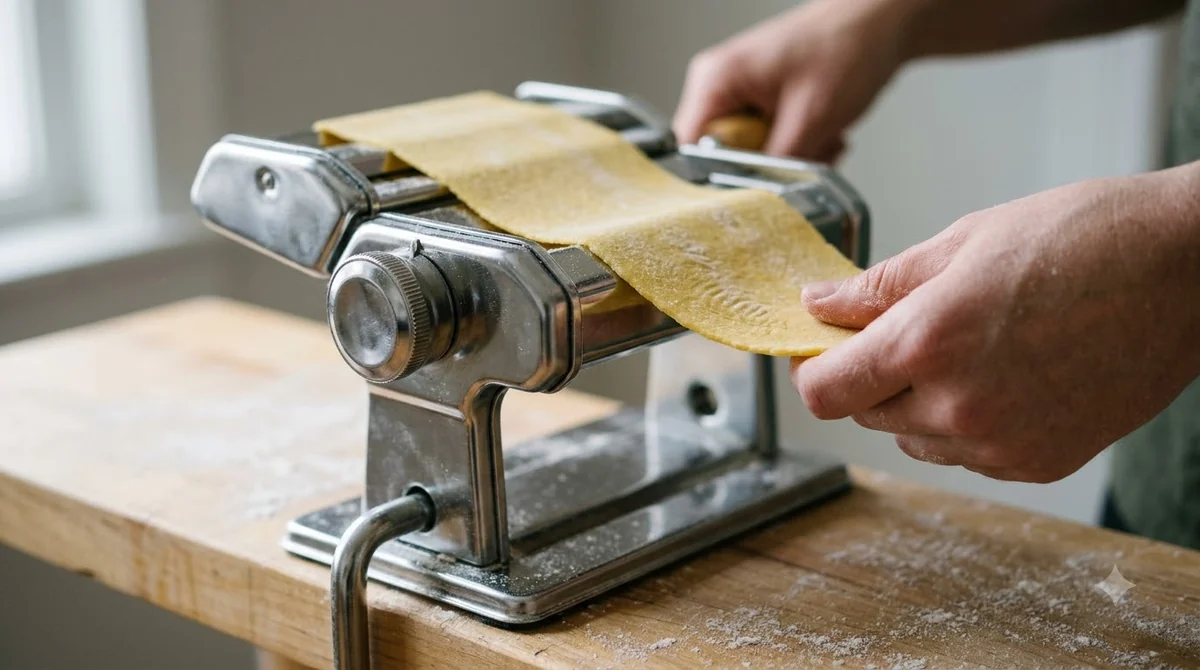
The same dough works for how to make lasagna noodles with KitchenAid. Use the mixer’s pasta roller attachment to thin the sheets to the thickness you want, then cut them to fit your baking dish. Work on a floured surface so the sheets do not stick, and wipe the attachment down afterward as described in how to clean a KitchenAid pasta roller.
How to Layer and Bake Lasagna
Layer sauce, noodles, ricotta, and mozzarella in your baking dish, then cover it with foil and bake at 350°F for 40 minutes before uncovering it for 10 more. That timing is one of the most common versions of how to make lasagna in a home oven.
- Spread a thin layer of sauce across the bottom of the baking dish.
- Add a layer of noodles, overlapping the edges slightly.
- Spread the ricotta mixture, then add a layer of meat sauce.
- Top with mozzarella and a sprinkle of Parmesan.
- Repeat the layers, and finish with sauce and cheese on top.
The Melanie Cooks lasagna guide walks through how to make lasagna, covering the dish with foil and baking it at 350°F for 40 minutes, then uncovers it for 10 more minutes. Let it rest for 10 minutes before cutting, so the layers hold together on the plate.
Other recipes for how to make lasagna run longer. The Just a Pinch version bakes 45 to 50 minutes at 350 degrees, until the cheese is melted and the edges look bubbly. Use the time in your recipe as a guide, then check the center for steaming heat and a melted top.
Bake times differ across each recipe for how to make lasagna, because dishes differ in depth and in how much sauce they hold. Your oven may also run hotter or cooler than the setting, so a quick check near the end of the bake helps.
Common Mistakes That Make Lasagna Watery
Watery lasagna usually comes from loose fillings, too much sauce in one layer, or cutting the dish before it sets. Each problem has a simple fix that you can apply before the dish goes into the oven.
- Skipping the drain step for cooked vegetables or fatty meat.
- Using ricotta straight from the tub without mixing in the egg.
- Spreading one layer of sauce too thick, so it pools at the bottom.
- Cutting the lasagna before it rests.
Draining is the simplest fix when you learn how to make lasagna. Remove extra liquid from cheese and cooked vegetables before you layer them, and keep the meat sauce thick. These steps cost little time and make a visible difference in the finished slices.
Resting matters too. Let the lasagna sit for 10 minutes after it comes out of the oven, so the sauce settles and the slices hold their shape when you serve them.
Make Ahead and Storage
Knowing how to make lasagna ahead saves time. You can assemble it before baking, then cover it tightly and keep it in the refrigerator until you are ready to cook. Bake it straight from the fridge, and add a little extra time if the center is still cold. For another baked pasta dish that uses stuffed tubes instead of layers, see what manicotti is.
Store baked leftovers in an airtight container in the refrigerator. Reheat individual portions until they are hot all the way through, and discard any lasagna that has been left out at room temperature for too long.
Frequently Asked Questions
Do you need to boil lasagna noodles?
Not always. Dry noodles can soak in hot tap water for 15 minutes, and no-boil noodles go into the dish without pre-cooking. Pre-boiling still works well if you prefer more control over how soft the noodles become before baking.
How long should homemade lasagna bake at 350°F?
Recipes vary. One version covers the dish with foil and bakes it for 40 minutes, then uncovers it for 10 more. Another bakes 45 to 50 minutes until the edges are bubbly. Check the cheese and the center to decide when yours is done.
Can you make lasagna the day before?
Yes. Once you know how to make lasagna, assemble it, cover it tightly, and refrigerate it before baking. Let it sit in the fridge until you are ready to cook, and plan on a little extra oven time since it starts cold.
How long does baked lasagna keep?
Leftovers keep in the refrigerator when stored in an airtight container. Eat them within a few days and reheat each portion until it is hot all the way through.
What cheese goes in lasagna?
Ricotta, mozzarella, and Parmesan are the usual trio. Ricotta makes the creamy layer, mozzarella melts across the top, and Parmesan adds a salty finish. The Just a Pinch version uses 16 ounces of ricotta, 4 cups of mozzarella, and 1 cup of Parmesan.
Can you make lasagna noodles with a KitchenAid?
Yes. Use the pasta roller attachment to thin the dough sheets, then cut them to fit your dish. Follow the same dough steps as the hand method, and keep the sheets floured so they do not stick.
For a first attempt at how to make lasagna, pick the dry-noodle method and a jar of marinara, then move to fresh dough once you know how the layers come together. Write down the bake time that works in your own oven, because that number becomes the most useful part of your recipe.