
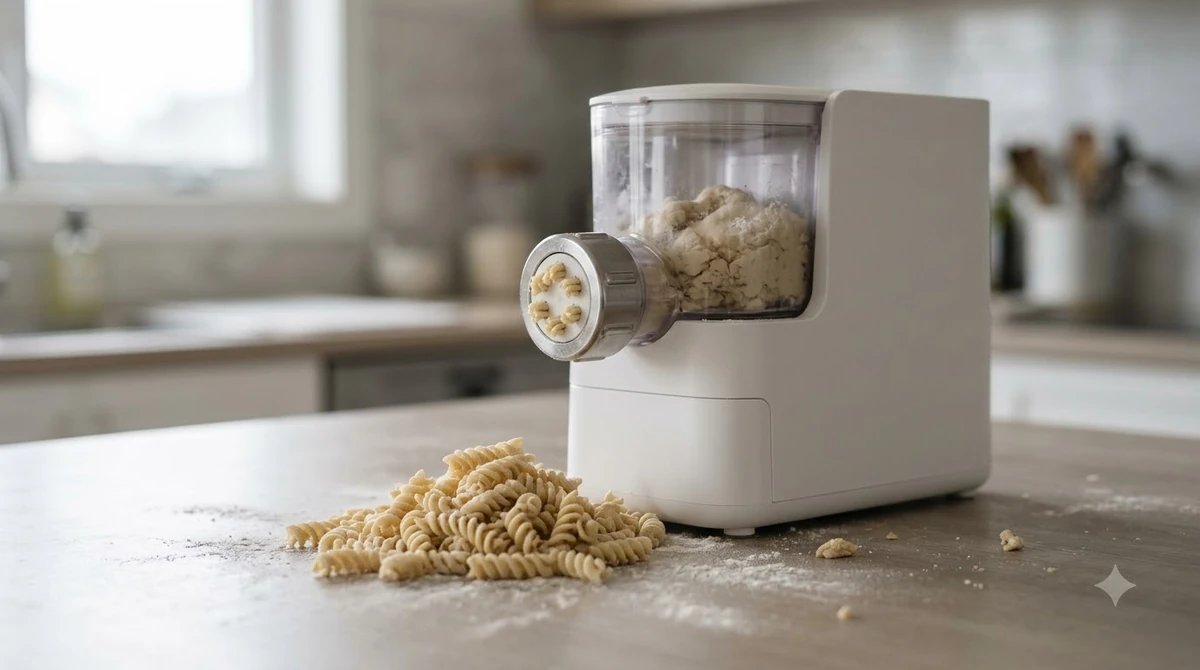

Rotini pasta is a short, corkscrew-shaped pasta made by extruding dough into a tight spiral. Its name comes from the Italian word for “twists,” and each piece is typically about 2 inches long.
The twists catch both thin and thick sauces, so rotini pasta works in many dishes. Knowing how it differs from fusilli, how long it takes to cook and what to serve it with will help you get a good result.
What Is Rotini Pasta?
Rotini pasta is a short spiral pasta, typically about 2 inches long, with a slightly smaller and tighter twist than fusilli.
Because the spiral comes from extrusion, every piece of rotini pasta in the box takes on nearly the same twisted form. The word rotini comes from the Italian for twists, and the name describes the shape well. Check the package for the ingredient list, since brands differ.
Tri-color rotini is a common variation. According to Mashed, its green and red shades come from spinach powder and tomato or beet root powder, so the color is part of the dough itself.
Rotini vs Fusilli: What Is the Difference?
Rotini is usually the extruded version of fusilli, and the two shapes are close enough that rotini works as a substitute.
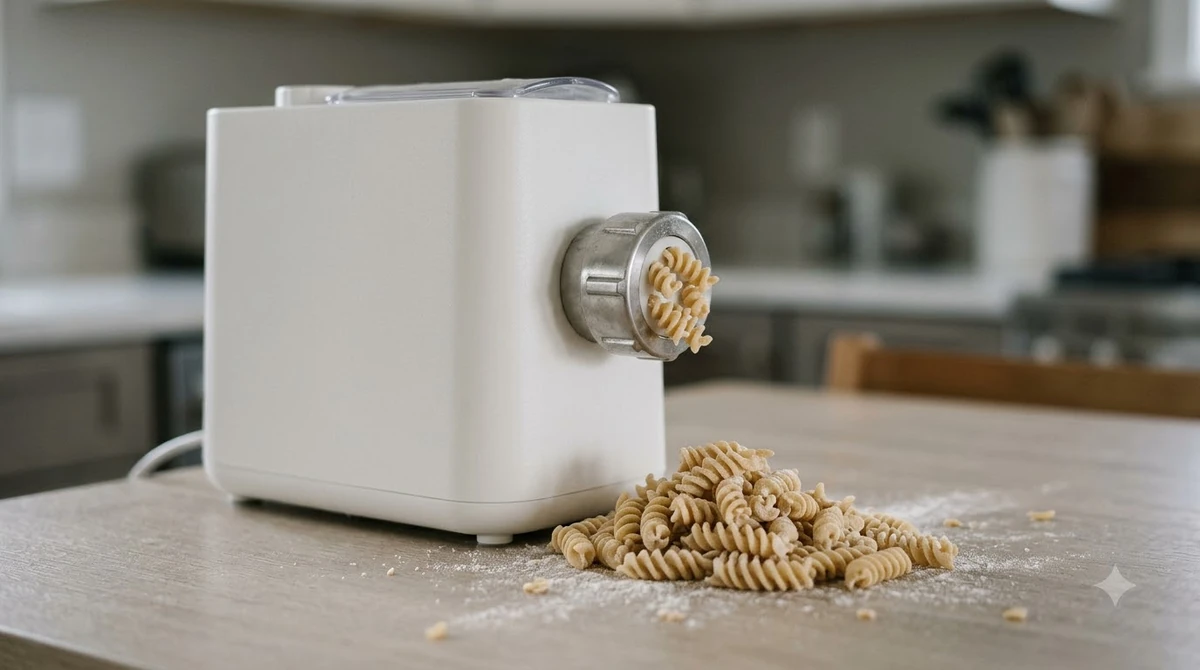
In the US and Canada, extruded short helical pasta is commonly called rotini, according to Wikipedia’s fusilli entry. Traditional fusilli, by contrast, is hand-formed, and its name means “little spindle” in Italian.
The table sums up the main differences between rotini pasta and fusilli.
| Criterion | Rotini pasta | Fusilli |
|---|---|---|
| Shape | Tight spiral with a slightly smaller twist | Helical or corkscrew, a slightly larger twist |
| How it is made | Extruded through a die | Traditionally hand-formed around a spindle |
| Typical length | About 2 inches per noodle | Not specified in the sources |
| Name meaning | Italian for “twists” | Fusillo means “little spindle” |
| Best sauces | Light tomato, dairy and oil-based | Rotini is a close substitute |
According to Mashed, rotini makes a great substitute for fusilli, and its twists hold both thin and thick sauces, whether the sauce is meat, cream or herb based. Rotini suits lighter tomato, dairy and oil-based dishes best. The full fusilli vs rotini comparison covers the naming in more detail.
How Long to Cook Rotini Pasta
Cook rotini in 4 to 6 quarts of rolling boiling water with 1 to 2 tablespoons of salt, usually for 8 to 12 minutes.
KitchPrep’s cooking guide uses 1 pound of dry rotini for 4 servings, and it lists 8 to 12 minutes total. Follow these steps for a firm, even result.
- Bring 4 to 6 quarts of water to a rolling boil over high heat.
- Add 1 to 2 tablespoons of salt until the water tastes noticeably salty.
- Add the rotini and stir right away so the spirals do not clump.
- Stir every 1 to 2 minutes, especially at the start.
- Start tasting 2 minutes before the shortest package time.
- Drain in a colander without rinsing, because the surface starch helps sauce cling.
| Step | Guide |
|---|---|
| Water | 4 to 6 quarts at a rolling boil |
| Salt | 1 to 2 tablespoons |
| Portion | 1 pound of dry rotini serves 4 |
| Time | 8 to 12 minutes; start tasting 2 minutes early |
| Stirring | Right away, then every 1 to 2 minutes |
| Draining | Drain without rinsing |
The 8 to 12 minute package range is wide, so the taste test matters more than the clock. Aim for al dente, which means firm with a slight bite at the center. Serve right away, or toss the rotini with a little olive oil or sauce if you wait.
Soft rotini loses the firm bite that helps it hold sauce, so start tasting before the package time runs out.
Best Sauces for Rotini Pasta
Rotini works best with light tomato, dairy and oil-based sauces, and its twists also hold thick meat sauces and pesto.
According to Mashed’s comparison of rotini and fusilli, the twists adhere to both thin and thick meat, cream and herb sauces, including pesto. That range makes rotini a flexible choice for a home kitchen.
- Light tomato sauce for a simple everyday dish
- Dairy-based sauces, such as a cream or cheese sauce
- Oil-based sauces with garlic and herbs
- Pesto, which the twists cling to
Can You Make Homemade Rotini?
You can make a hand-twisted, fusilli-style shape at home, but true rotini is extruded, so it is hard to copy by hand.
Traditional fusilli is hand-formed by wrapping dough around a spindle, which is where the name comes from. Rotini, by contrast, is pushed through a die to form its spiral.
This home method makes a fusilli-style twist, not an exact copy of extruded rotini:
- Roll the dough into a thin sheet.
- Cut the sheet into thin strips.
- Wrap each strip around a thin rod or skewer, then slide off the twist.
The result will look more rustic than a box of rotini, which is expected for a hand-made shape. For the even spiral of store-bought rotini, you need an extruder, since the shape is pushed through a die. Home extruders are covered in the KitchenAid pasta extruder recipes guide.
Rotini Substitutes
Fusilli is the closest substitute for rotini pasta, according to Mashed, because the two shapes are nearly the same.
Either shape can replace the other in most recipes. Mashed calls rotini a great substitute for fusilli, and rotini suits lighter tomato, dairy and oil-based dishes best. See fusilli pasta for the original hand-formed shape.
If you have neither shape, another spiral such as cavatappi pasta is a reasonable stand-in. Check the package for that shape’s cooking time instead of using the 8 to 12 minute range for rotini. Short shapes that hold sauce, such as macaroni pasta or conchiglie shells, can also fill in for a casserole or pasta salad, but their texture and cooking time differ. For a pasta salad, bow-tie farfalle is a popular alternative to spirals.
Frequently Asked Questions
What Is Rotini Pasta Made From?
The ingredients vary by brand, so check the package label of your rotini pasta. Tri-color rotini gets its green and red shades from spinach powder and tomato or beet root powder, according to Mashed.
Is Rotini the Same as Fusilli?
They are close but not identical. Rotini is usually extruded with a slightly smaller, tighter twist, while traditional fusilli is hand-formed around a spindle. In the US and Canada, the extruded short helical pasta is commonly called rotini.
How Long Does Rotini Take to Cook?
The guide used for this article lists 8 to 12 minutes total for dry rotini. Start tasting two minutes before the shortest package time, and drain it while it still has a firm bite.
What Is the Best Sauce for Rotini?
Light tomato, dairy and oil-based sauces suit rotini best, according to Mashed. Its twists also hold thin and thick meat sauces and pesto, so the choice depends on the dish.
Should You Rinse Rotini After Cooking?
No, it is better to drain rotini without rinsing. Rinsing washes away the surface starch that helps sauce cling to the spirals. If you wait before serving, toss it with a little olive oil or sauce.
How much rotini pasta per person?
A pound of dry rotini serves 4 people, according to KitchPrep, so plan about a quarter of a pound per person. Measure the dry pasta before it goes into the pot.
How long is a rotini noodle?
Each piece of rotini pasta is typically about 2 inches long, with a slightly smaller and tighter twist than fusilli.
What does rotini mean?
Rotini is Italian for twists. The name describes the tight corkscrew shape that the extruder gives each piece.
Can rotini replace fusilli in a recipe?
Yes. Mashed calls rotini a great substitute for fusilli, because the two shapes are so close. Keep the cooking time of the pasta you are actually using.
Choose rotini pasta when you want sauce to cling to a tight spiral, and treat fusilli as the close substitute. Either way, start from the package time and taste before you drain.