

Malloreddus pasta is a small, ridged Sardinian pasta made from durum semolina and water. It is shaped like tiny shells and is often called gnocchetti sardi, which means little Sardinian gnocchi. Malloreddus pasta is a Sardinian specialty usually served with sausage and tomato. You can buy it dried, which makes it the easiest way to cook it at home.
What Is Malloreddus Pasta?
Malloreddus pasta is a traditional pasta from the Campidano area in southern Sardinia, made as ridged shells about 2 to 2.5 cm long. Its grooves catch sauce, which is why it suits chunky meat and tomato sauces so well.
The dough is simple. It uses durum wheat semolina and water, with no eggs, which gives the pasta a firm, chewy bite. According to Cooks Info’s malloreddus pasta guide, the shape is thin, with an open front like a canoe and deep grooves on the back.
The name is debated. Wikipedia says the name may come from the Latin word mallolus, meaning a trunk of dough or a dumpling, or from a diminutive of malloru, the Campidanese word for bull. Under the second explanation, malloreddus means little calves, which fits the small, rounded shape.
Italians often call this pasta gnocchetti sardi, or little Sardinian gnocchi. Unlike soft potato gnocchi, which our guide to gnocchi explains, malloreddus pasta is a dry semolina pasta that is sold in packets, so you can keep a bag in the pantry and cook it on a weeknight.
How Malloreddus Is Shaped and Made
Traditionally, households rolled semolina dough into strips about 15 cm long, cut them into cubes and pressed each cube to create the ridges. The method is slow, so most households buy dried malloreddus pasta today.
- Mix durum semolina and water into a firm dough, then let it rest under a cloth.
- Roll the dough into a strip about 15 cm long, which is the traditional length.
- Cut the strip into small cubes.
- Press each cube against the end of a straw basket, called su ciuliri, to form the ridges. A wooden board gives a smooth finish instead.
- Spread the shapes on a floured tray so they do not stick before cooking.
At home, the work is closer to making small gnocchi by hand, and the shapes need patience. A basic fresh pasta dough recipe is a good place to practice rolling and cutting, though malloreddus dough uses only semolina and water. For another small hand-shaped pasta, see cavatelli pasta.
The shaping step matters because the ridges hold sauce. A smooth piece of pasta lets sauce slide off, while a ridged piece keeps small bits of sausage and tomato in each bite.
The Classic Malloreddus alla Campidanese
The best-known way to serve malloreddus pasta is alla campidanese, with Sardinian sausage and tomato sauce finished with grated pecorino sardo. The sauce takes about an hour to simmer, so plan it before you boil the water.
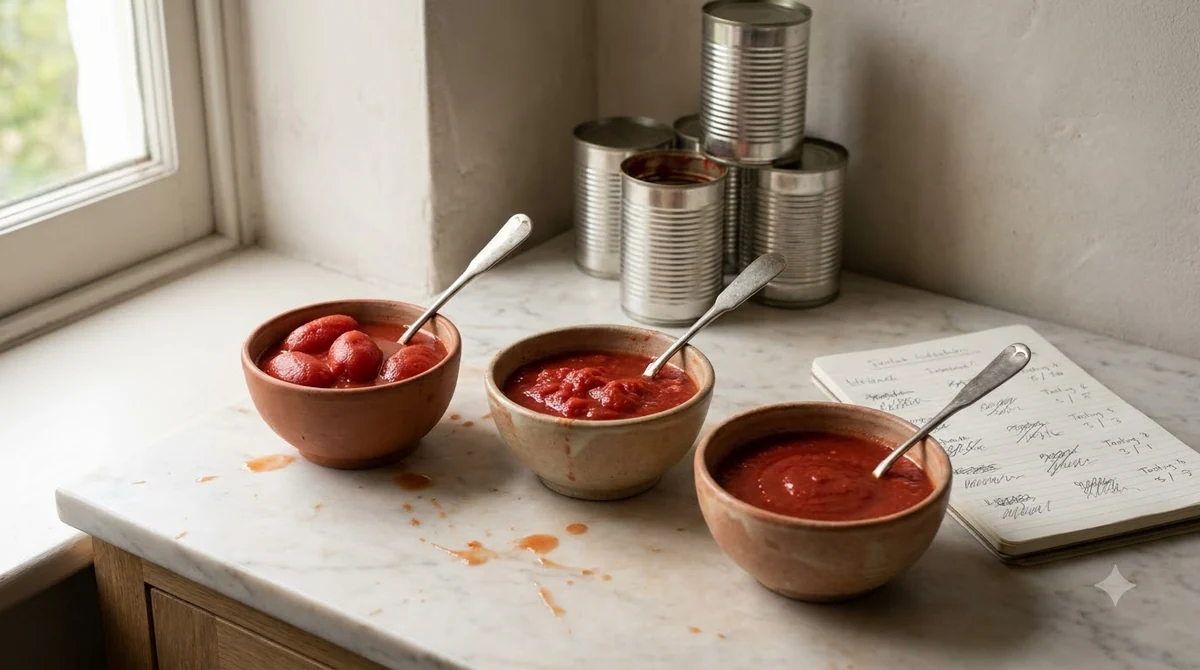
The sausage is cut into small pieces and fried in oil with chopped onion. Tomato sauce goes in next, and the mixture simmers for about an hour. Wikipedia’s entry on malloreddus describes this method as the classic way to finish the dish.
- Sardinian sausage, cut small
- Chopped onion and olive oil
- Tomato sauce
- Saffron, optional, added about 10 minutes before the end
- Grated pecorino sardo for finishing
Saffron is not a standard dough ingredient today. Wikipedia says it was originally mixed into the dough, and in the classic version it now goes into the sauce about 10 minutes before the end of cooking. Cooks Info adds that some versions still use a saffron-flavored dough.
Toss the cooked pasta with the sauce and a handful of grated pecorino sardo. The grooves hold the sausage and tomato, so each forkful carries both.
Other Ways to Serve Malloreddus
Malloreddus pasta also pairs well with simpler sauces that need only a few ingredients, such as butter with pecorino or pecorino with tomatoes. Each one shows the pasta in a lighter style than the classic sausage dish.
- Butter and grated pecorino, a rich sauce with no meat
- Pecorino and tomatoes, a fresher option for warm evenings
- A thick tomato sauce with chunks of meat, listed by Cooks Info
Malloreddus are generally served with a meat sauce, so the meatless options above are the exception. Cooks Info notes that even plain-dough versions are sometimes served with saffron sauces.
Wikipedia describes malloreddus as the traditional dish for important occasions such as festivals, village fairs and weddings. For everyday cooking, a simple tomato sauce with a little pecorino is the easiest choice, and it takes far less time than the classic simmer.
If you are choosing between buying and making, dried packets are the practical option for most kitchens. Dried packets are the easy route, while homemade shapes suit a slow weekend project. Either way, the sauce matters more than the brand, because the ridges are there to carry it.
How to Cook Malloreddus at Home
Cook malloreddus pasta like any dried pasta in a large pot of well salted water, and follow the time printed on the package. Sources for this article do not give a fixed time for the pasta itself.
- Bring a large pot of water to a rolling boil and add salt.
- Add the malloreddus pasta and stir for the first minute so the shells do not stick together.
- Cook until tender, checking the package time, and drain while the pasta still has a bite.
- Toss with the warm sauce and a splash of cooking water so the sauce clings to the grooves.
- Finish with grated pecorino sardo or a drizzle of olive oil.
The most common mistake is overcooking. Malloreddus pasta is meant to be toothy, so a soft, mushy shape loses the texture that makes the dish work. Taste a piece a minute before the package time and drain it early if you prefer more bite.
A malloreddus pasta dish is also easy to plan around a shopping list. Dried packets keep well in the pantry, and the sausage and tomato sauce can be made ahead and reheated, so the final cook takes only the time needed to boil the pasta and toss everything together.
Malloreddus vs Gnocchi
Malloreddus pasta is made from semolina and water, so it is firmer and chewier than potato gnocchi. The table below shows the main differences for a home cook choosing between them.
| Attribute | Malloreddus | Potato gnocchi |
|---|---|---|
| Main ingredient | Durum semolina and water | Potato |
| Eggs in the traditional dough | None | Varies by recipe |
| Texture | Toothy and sturdy | Soft and tender |
| Shape | Small ridged shells, about 2 to 2.5 cm | Soft dumplings, different from the dry ridged shell |
The easiest visual difference is the groove pattern. Malloreddus pasta has more bite than most potato gnocchi, so it suits heavier sausage and tomato sauces, while soft gnocchi work better with lighter butter or cheese sauces.
Frequently Asked Questions
What does malloreddus mean?
Malloreddus may come from the Latin word mallolus, meaning a trunk of dough or a dumpling, or from a diminutive of malloru, the Campidanese word for bull. The origin is debated, but both explanations point to the small, rounded shape of the pasta.
Does malloreddus contain eggs?
No. The traditional dough is made only from durum semolina and water, so the pasta is egg-free. Some store-bought versions may add other ingredients, so check the ingredient list on the package if you have a specific diet.
Is malloreddus always made with saffron?
No. Saffron is not a standard dough ingredient today. Cooks usually add it to the sauce about 10 minutes before the end of cooking, and some versions still use a saffron-flavored dough.
Can I buy malloreddus or make it at home?
Both are possible. Dried malloreddus cooks like any other dried pasta. For another regional Italian hand-shaped pasta, compare busiate pasta. Making it at home takes practice, because each small shape is cut and pressed by hand.
What sauce goes best with malloreddus?
The classic choice is sausage and tomato alla campidanese, finished with pecorino sardo. Butter with pecorino and simple pecorino with tomato are also traditional, and they work well when you want a lighter meal.
If you like sausage and tomato sauces, malloreddus pasta is a good pick because its ridges hold sauce well. Start with dried pasta, follow the time on the package, and try the classic sauce once before you change the seasonings.