
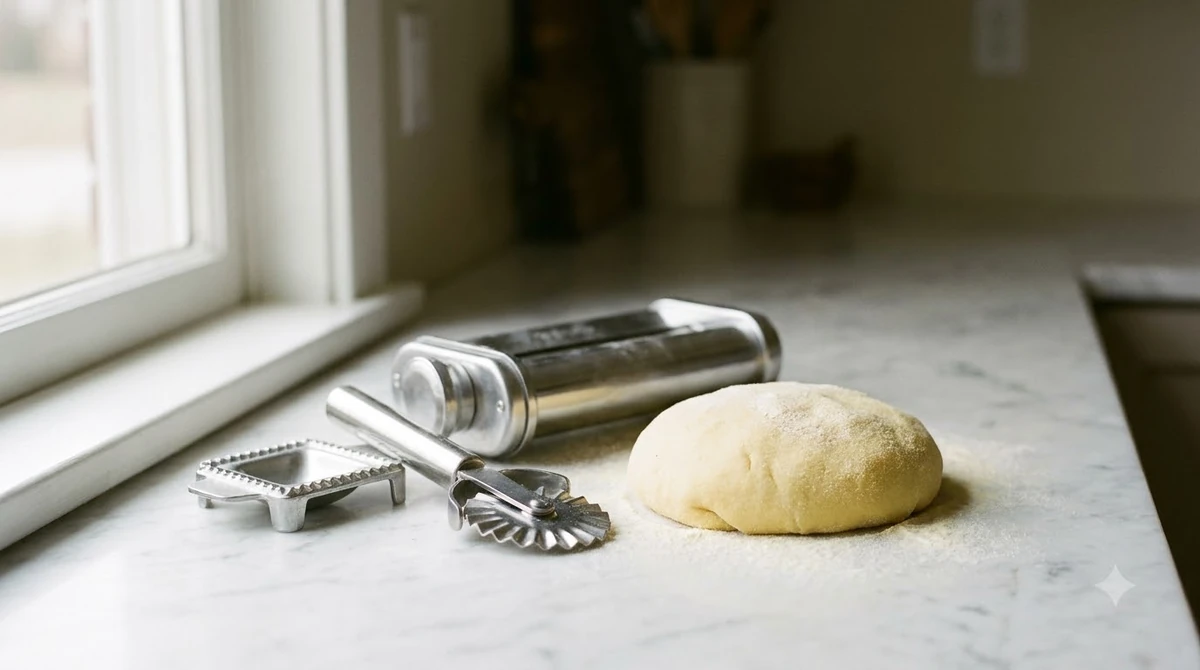

The pasta extruder dies you pick set the final shape of every piece of pasta, because the dough is pushed through their openings. Check diameter, shape and attachment fit before you buy, since a die that does not seat in your machine is wasted money.
Official KitchenAid plates cover six shapes, while third-party bronze pasta extruder dies add more choice but may need an adapter. Pick the shapes you cook most, then confirm the fit.
What pasta extruder dies do
A pasta extruder die is the shaped opening the dough passes through, and its size and shape decide the final pasta shape, according to Wikipedia’s pasta overview.
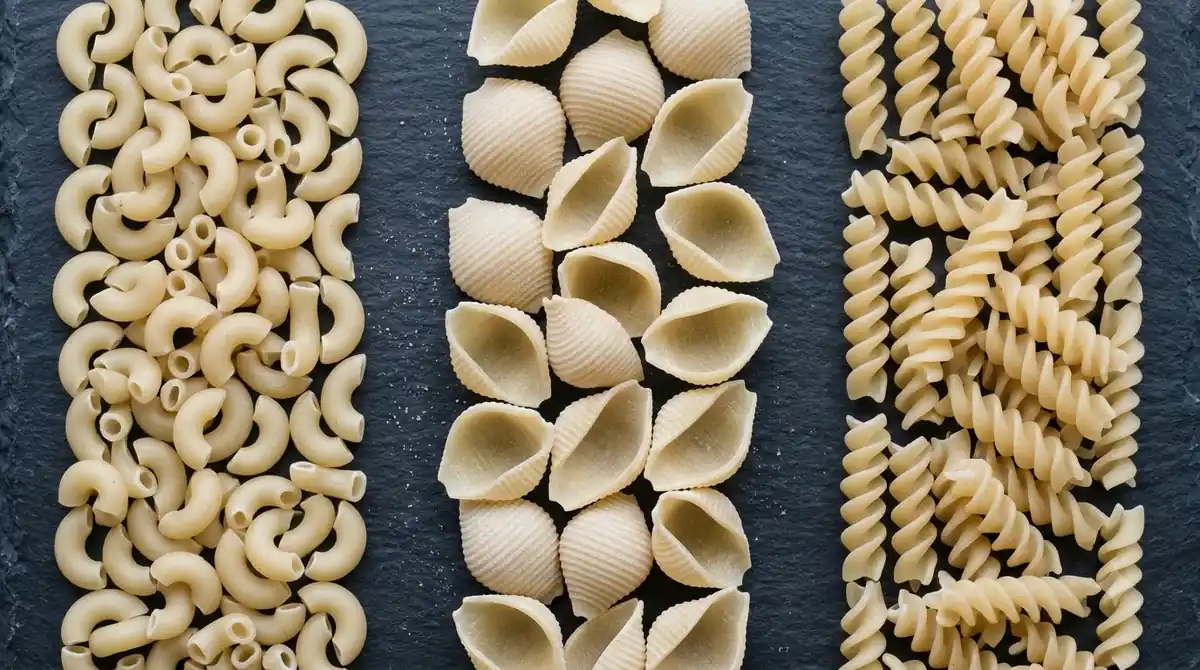
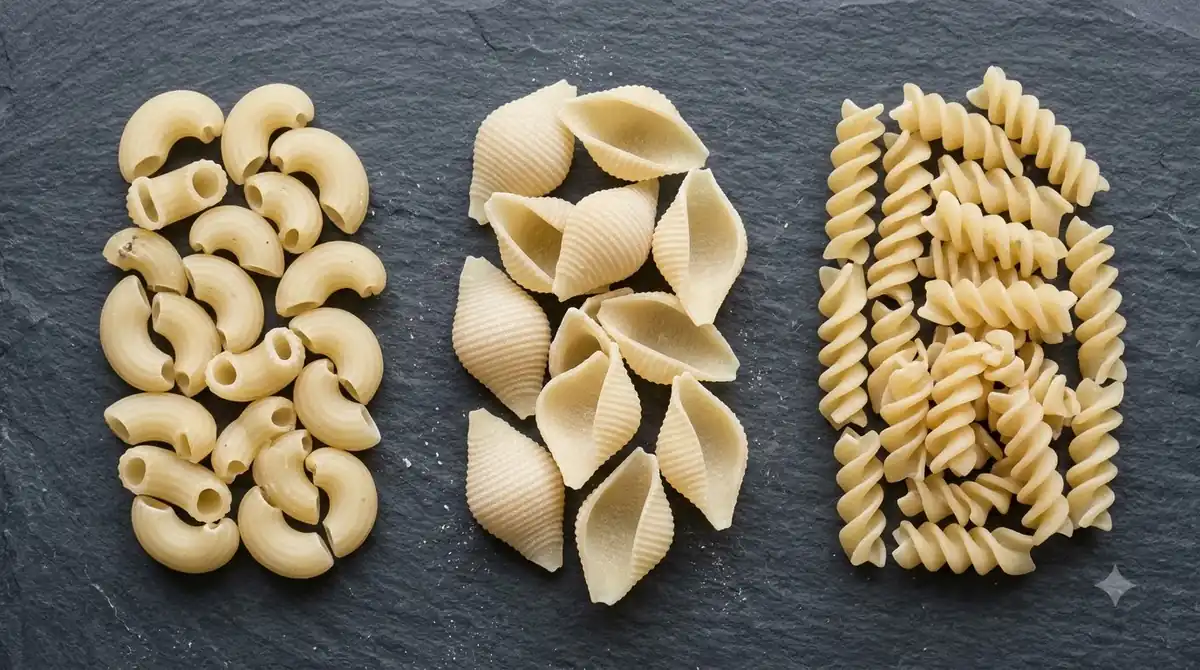
Extruded pasta such as penne and fusilli comes out of a die, while spaghetti and linguine are cut by rotating blades instead, the same overview notes. That split is why dies matter most for tubes, spirals and short shapes. One machine can make many shapes, but each shape needs its own pasta extruder die or plate.
The overview also records 310 specific pasta forms known by over 1,300 documented names. That wide range explains why shopping for pasta extruder dies can feel confusing, and why a shape list is the best place to start.
For home cooks, pasta extruder dies are the part that changes most often. The press, the mixer and the dough recipe usually stay the same, so swapping the die is the simplest way to add a new shape to your rotation. Keep a short list of the shapes you cook every week, then match each one to a die before you buy anything else.
Pasta extruder dies also differ in the material they are made from and in how they are finished. Those two points affect cleaning and sometimes texture, so they belong in the buying decision alongside shape and fit.
Quick comparison of die types
Official plates and third-party bronze pasta extruder dies differ mainly in shape range and fit requirements, so compare those two points first.
| Type | Best for | Key fact |
|---|---|---|
| Official KitchenAid plate | The six common shapes on the press | Six shapes, each with a listed speed setting |
| Third-party bronze die | Shapes missing from the official set | The example die is 45 mm and needs an adapter on some KitchenAid models (seller listing) |
| Standard vs PVD-coated bronze | Choosing a finish you can clean the way you prefer | Listings give different cleaning rules for each finish (seller) |
This roundup is built from manufacturer pages and a reference article, not from hands-on tests. Seller claims are labeled as claims wherever they appear.

KitchenAid 5KSMPEXTA Gourmet Pasta Press with Six
Pros & ConsViewHide
Reasons to buy
- Official KitchenAid press with six plates: spaghetti, bucatini, rigatoni, fusilli and two macaronis
- Built-in wire cutter sets the pasta length
- 76% of 1.4K Amazon ratings are 5-star
Reasons to avoid
- Fits KitchenAid stand mixers only
- Six shapes only, so other shapes need extra dies
- Premium-priced attachment compared with a basic roller set
Official KitchenAid pasta press plates
KitchenAid’s shapes guide for the pasta press lists six official plates, and each one has a recommended speed setting.
- Spaghetti, speed 10
- Bucatini, speed 10
- Rigatoni, speed 6
- Fusilli, speed 3
- Large macaroni, speed 6
- Small macaroni, speed 6
The speeds are the settings listed for each plate, so use them as the starting point for your model. The product box above shows the official 5KSMPEXTA press with these six plates. Plates are changed by unscrewing the pasta ring and popping the plate out, which means the ring must come off first.
The official set does not cover every pasta shape, although rigatoni is one of the six, and our pasta machine for rigatoni guide covers a dedicated machine for it. Any shape outside those six needs a third-party pasta extruder die, which brings in the fit questions covered in the next sections.
Bronze pasta dies: what they change
Bronze pasta extruder dies are marketed for a rougher surface that grips sauce, but that benefit is a seller claim, and this article found no independent test of it.
One seller’s listing for a 45 mm bronze die says the material is an alloy made mainly of copper and zinc, not pure bronze. The same listing says the rough texture suits creamy sauces and rich ragù, according to the seller.
The seller lists two finishes, PVD-coated bronze and standard bronze. Cleaning advice differs between them, so read the product page for the finish you buy before you wash it.
If grip matters most to you, treat the bronze claim on pasta extruder dies as something to test. If you would rather buy ready-made pasta, see our guide to bronze cut pasta brands. Compare a bronze die against the official plates on the same sauce before you commit to a full set.

Compatibility checks before you buy
Before you order, check the die diameter, whether an adapter is needed, and whether your native cutter still works. Searches for kitchenaid pasta extruder dies usually come down to these same three checks.
| Check | What to look for | Why it matters |
|---|---|---|
| Die diameter | The listed size, such as 45 mm for the example bronze die | A die that does not match the attachment will not seat |
| Adapter | Some listings require one for the KitchenAid 5KPEXTA and 5KSMPEXTA attachments | Without it, the die may not fit the machine |
| Native cutter | The seller notes the KitchenAid cutter does not work with the adapter | You may need a dough scraper to separate the strands instead |
| Model number | The attachment model named in the listing’s compatibility table | Listings cover specific models, not every machine |
The 5KPEXTA and 5KSMPEXTA attachments are named in that seller’s compatibility table, so those two model numbers are the first thing to match for any pasta extruder dies you consider. Check the model number on your attachment before you order any die.
Every pasta extruder die on your list should pass the four checks above. A die that fails even one check is not a bargain, because it cannot be used with your attachment as it stands.
The most common mistake is ordering pasta extruder dies by shape name alone. Without checking diameter and adapter needs, you can end up with a die that will not fit your attachment at all.
How to choose a die for your sauce and shape
Choose pasta extruder dies first by the shape you cook most often, then by the sauce it needs to carry, because the die sets the shape and, according to sellers, the surface texture.
- Start with the shapes you cook most, since each die makes one shape.
- Use official plates first when they cover your shapes, because they are made for the press itself.
- Pair short tubes and shapes with chunky sauces, and long strands with lighter sauces. This is a common cooking convention, not a tested result.
- Add a third-party die only when a shape is missing and the listing confirms your attachment.
Shape advice cannot fix a dough that is too dry or too wet to extrude. Adjust the dough first, then choose the pasta extruder dies that give the shape you want. If you want a dedicated machine instead of a mixer attachment, see our pasta machine for home use guide. Once the dough is right, the die decides the rest.
Cleaning and care for dies and plates
KitchenAid’s guidance is to let the stand mixer rest for at least one hour after extruding two consecutive pasta dough recipes, so plan your batches around that rule.
- Turn the mixer off, unplug it and remove the pasta press attachment.
- Unscrew the pasta ring. If it is too tight by hand, use the wrench side of the combo tool.
- Pop out the pasta plate.
- Use the combo tool hook to pull the auger out of the housing, then clean any dried dough from it.
The page read for this article does not give dishwasher or immersion rules for the plates, so check the manual for your model before you wash plates or dies in water. Bronze listings give separate rules by finish. For the pasta itself, see our guide to pasta drying trays.
Frequently Asked Questions
Do pasta extruder dies fit every stand mixer?
No. Fit depends on the attachment model and the diameter of the pasta extruder dies, so check both before you order. Listings often name specific KitchenAid attachments, and a die made for one model may not fit another. Read the compatibility line on each product page first.
How many shapes come with the KitchenAid pasta press?
KitchenAid’s product help page lists six official plates: spaghetti, bucatini, rigatoni, fusilli, large macaroni and small macaroni. Each has a recommended speed setting on that page. Shapes outside this set need a third-party die.
Are bronze pasta dies better than standard dies?
Bronze dies are sold on the claim that their rougher surface holds sauce better. That is a seller claim, and no independent test in this article confirms it. Choose by fit and the shapes you need, then judge the texture yourself.
Do I need an adapter for every third-party die?
No, but some do. One seller’s listing says an adapter is needed for the KitchenAid 5KPEXTA and 5KSMPEXTA attachments with some dies, and that the native cutter does not work with the adapter. Read the listing for your model before you order.
How long should the mixer rest between pasta batches?
KitchenAid says to allow the stand mixer to rest for at least one hour after extruding two consecutive pasta dough recipes. Plan your batches around that rule. Check your model manual for any further limits on batch size.
Start with the shapes you cook most, then confirm diameter, adapter needs and cutter compatibility before you buy any pasta extruder die. Official plates are the lowest-risk choice for fit, and a third-party pasta extruder die makes sense only when a missing shape justifies the extra check.
 9 min readGear & PantryBarilla Al Bronzo Review: Is Bronze-Die Pasta Worth It?Updated Nov 9, 2026
 9 min readGear & PantryHow to Use a Pasta Extruder: Step-by-Step GuideUpdated Nov 11, 2026
 8 min readGear & PantryBest Calabrian Chili Paste for Pizza and PastaUpdated Nov 17, 2026
 8 min readGear & PantryBest Semolina Flour for Pasta: How to Pick the Right BagUpdated Nov 17, 2026
 9 min readGear & PantryPasta Drying Tray: How to Choose and Use OneUpdated Nov 17, 2026
 7 min readGear & PantryCorzetti Stamp: How to Choose the Right One for Home PastaUpdated Nov 10, 2026