


A bechamel sauce recipe starts with a butter and flour roux whisked into warm milk. The result is a smooth white sauce that is ready in about 20 minutes. Two published versions disagree on the fat amount, so both are shown below.
Bechamel Sauce Recipe Ingredients and Ratios
A basic bechamel sauce recipe needs butter, flour, milk and salt, and the two published versions differ on the butter by about double.
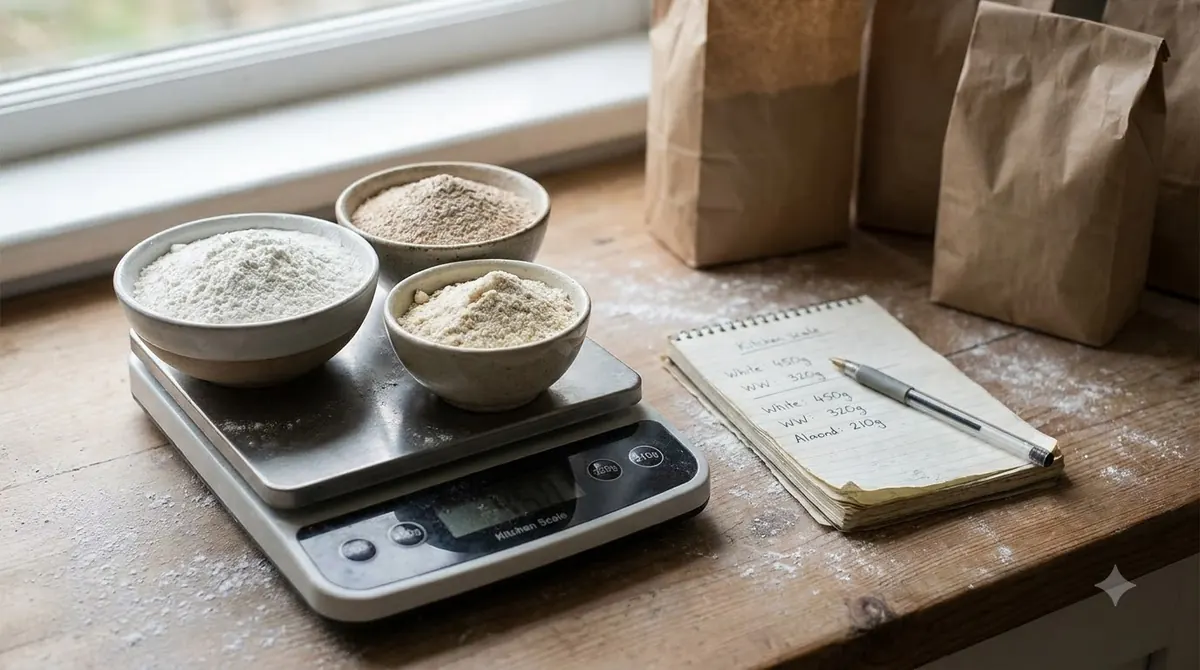
Bechamel is a French white sauce and one of the mother sauces of French cuisine. According to the Wikipedia entry on bechamel, it is made from a roux of butter and flour heated in milk or cream, then seasoned with ground nutmeg.
| Ingredient | Food Network (1 cup) | Taste of Home (1 cup) |
|---|---|---|
| Butter | 1 tablespoon unsalted | 2 tablespoons |
| Flour | 1 1/2 tablespoons | 2 tablespoons all-purpose |
| Milk | 1 cup, heated | 1 cup 2% milk |
| Salt and pepper | To taste | 1/8 teaspoon salt and a dash of white pepper |
| Nutmeg | Pinch | Not listed |
In a bechamel sauce recipe, the fat and flour amounts are the main difference. The Taste of Home version carries more roux for the same cup of milk. Whole milk gives the creamiest result, according to Taste of Home, so it is the better pick when the sauce is the star of the dish.
Check the ratio before you start any bechamel sauce recipe. The amount of roux decides how thick the finished sauce feels in a dish. Both sources use one cup of milk as the base, so you can scale the butter and flour up or down from the ratio you choose.
The Taste of Home ingredient list uses 2% milk, while the same page says whole milk gives the creamiest result. The recipe is written for 2%, so a richer bechamel needs whole milk, not a change in the roux.
Step-by-Step Bechamel Sauce Recipe
Melt the butter, whisk in the flour to make a roux, then add the milk slowly while whisking until the sauce thickens.
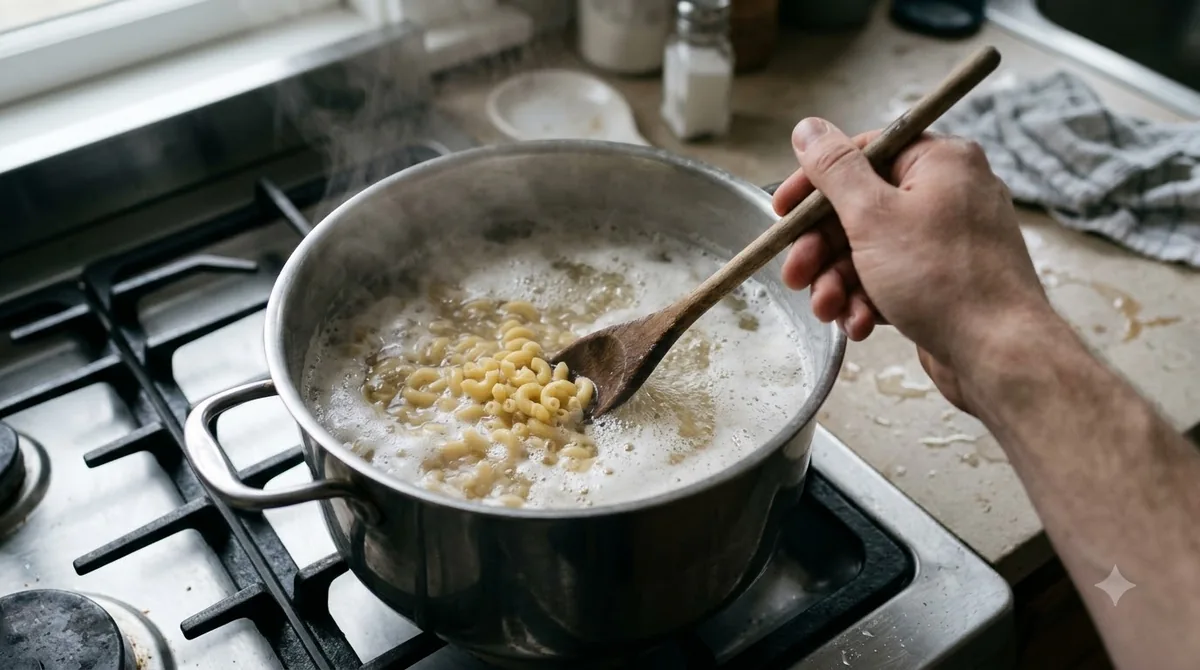
The method below follows the sequence in Taste of Home’s guide, with Food Network’s heat notes added where the two differ.
- Melt the butter in a saucepan over low to medium heat.
- Whisk in the flour, salt and pepper until a smooth paste forms.
- Heat the milk in a separate pan, since Food Network asks for hot milk.
- Add the milk gradually while whisking constantly.
- Bring the sauce to a boil, stirring for 1 to 2 minutes.
- Reduce to a simmer and cook about 5 more minutes, whisking, until it thickens.
Food Network lists about 2 minutes of prep and 20 minutes of cooking for the one-cup version, so plan for roughly 20 minutes from start to finish. Add the nutmeg at the end, to taste.
Timing matters more than the exact pan. Taste of Home asks for one to two minutes at a boil, then about five minutes at a simmer, while Food Network says the sauce thickens within a few minutes of simmering. Either way, keep the whisk moving so the bottom of the pan does not catch while the bechamel sauce recipe thickens.
Both sources treat the sauce as a finished base rather than a dish on its own, so season it at the end. Taste it after simmering, because salt and pepper are listed as “to taste” in Food Network’s recipe and as a set amount in Taste of Home’s.
How to Prevent Lumps and a Broken Sauce
Adding the milk slowly while whisking is the main way to avoid lumps in a bechamel, and both sources ask for constant stirring.
- Pour the milk in a slow stream rather than all at once.
- Keep whisking while the mixture simmers, as Food Network directs.
- Warm the milk first, which Food Network recommends.
- Watch for separation. Sauces can break, meaning they separate and curdle.
Taste of Home calls breaking the trickiest part of making sauces. The sources reviewed do not describe how to rescue a broken sauce, so check a dedicated guide before trying a fix.
Most lumps come from adding the liquid too fast, which is why both recipes in this comparison stress a gradual pour. A bechamel sauce recipe that asks you to whisk the whole time is asking for steady attention, not a long wait, so stay at the stove from the first pour until the sauce has simmered.
Storing and Reheating Bechamel
Use bechamel the same day, or refrigerate it for up to three days and reheat it gently.
Taste of Home recommends using the sauce from any bechamel sauce recipe right away. If it must be held, store it in the fridge for up to three days. To reheat, warm it on low and stir constantly as it loosens.
The sources reviewed do not cover freezing, so freezing is not recommended here. Check the texture after reheating before serving it in a dish.
Because the fridge limit is three days, a bechamel sauce recipe works best when you make it on the day you plan to bake or serve. Cooking it in advance is only reasonable within that window, and reheating should stay gentle so the sauce does not separate.
Using Bechamel in Baked Dishes
Bechamel is the base for lasagna and gratins, and Food Network’s potato gratin adds Gruyere and Parmesan to the sauce.
The gratin variation stirs 1/4 cup grated Gruyere and 1/4 cup grated Parmesan into the finished sauce. Read the full steps in Food Network’s gratin recipe.
Slice potatoes and layer them in a gratin dish. Season with salt and pepper, pour the cheese sauce over, and bake at 350 degrees Fahrenheit for 30 minutes.
Food Network also lists baked rigatoni, mac and cheese, lasagna and croque monsieur as uses for the same sauce. If you want to try it in a layered bake, our guide on how to make lasagna at home walks through the steps, and the notes on lasagna noodles cover which sheets to use. Bechamel with cheese added is the sauce known as Mornay. For another white pasta sauce, see our Alfredo sauce recipe, and for a baked pasta that pairs well with a creamy sauce, read about rigatoni pasta.
The Food Network gratin uses equal amounts of Gruyere and Parmesan, and the recipe does not suggest other cheeses. If you change the cheese, taste the sauce before it goes in the dish, since the cheese is the main flavor added to the base.
Common Mistakes to Avoid
The most common errors are adding all the milk at once, stopping the whisk early and skipping the simmer.
- Adding all the milk at once, which makes lumps more likely.
- Skipping the simmer. Taste of Home cooks the sauce about 5 more minutes to thicken it.
- Expecting skim milk to match whole milk. Taste of Home says whole milk gives the creamiest result.
- Holding the sauce for more than three days in the fridge.
Frequently Asked Questions
How thick should a bechamel sauce recipe make the sauce?
Neither source gives a measurement for thickness. Food Network says the sauce thickens within a few minutes of simmering, and Taste of Home says it is thick enough for gravy or white-sauce lasagna. Judge by the dish you are making.
Can I double a bechamel sauce recipe?
Yes. Taste of Home says the recipe can be doubled or tripled. Use a saucepan large enough for the larger batch, and keep whisking while the sauce simmers.
How long does bechamel keep in the fridge?
Taste of Home says a bechamel sauce recipe keeps in the fridge for up to three days. Use it right away when you can, and reheat it on low while stirring constantly.
Why did my bechamel break?
Sauces can separate and curdle, which Taste of Home describes as the trickiest part of making any bechamel sauce recipe. Adding the milk gradually while whisking gives the best chance of a smooth result. The sources do not give a rescue method.
Which milk works best for bechamel?
Taste of Home prefers whole milk for the creamiest result in a bechamel sauce recipe. It notes that non-fat milk gives a lower-fat sauce, so choose based on the texture and fat content you want.
Choose the Taste of Home ratio in a bechamel sauce recipe when you want a richer sauce for baked dishes, and the Food Network ratio for a lighter one. Make the sauce close to when you need it, because the three-day fridge limit leaves little room for planning ahead. For more kitchen basics, browse our pasta and sauce guides.
 8 min readLearnCannelloni Recipe: Spinach and Ricotta Baked in BechamelUpdated Nov 11, 2026
 8 min readLearnPuttanesca Sauce Recipe: A Classic Italian MethodUpdated Nov 10, 2026
 8 min readLearnCacio e Pepe Recipe: Simple Method for a Creamy SauceUpdated Nov 10, 2026
 8 min readLearnNo Cook Pizza Sauce Recipe: Easy Method and TipsUpdated Nov 11, 2026
 8 min readLearnCreamy Tuscan Pasta Recipe: A Simple Skillet MethodUpdated Nov 10, 2026
 9 min readLearnSpaghetti and Meatballs Recipe: Classic Italian-American MethodUpdated Nov 10, 2026