
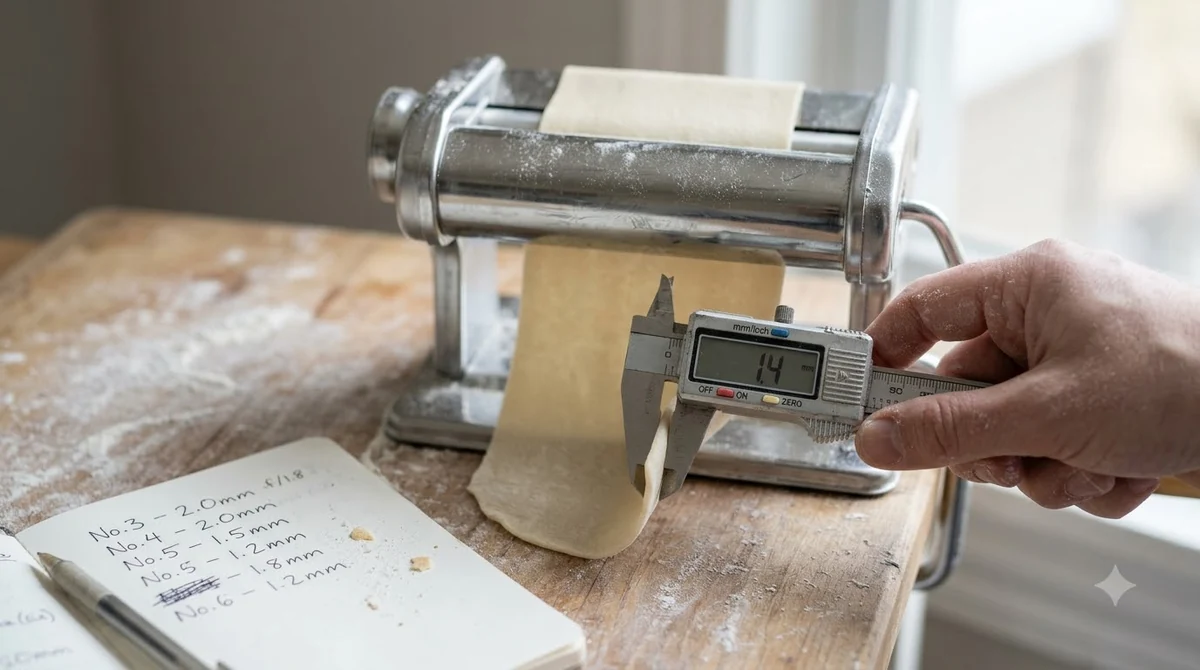

Lasagna noodles are wide, flat pasta sheets that you layer with sauce and filling to build a baked dish. The word lasagne is the plural form, meaning more than one sheet of pasta, and the noodles come in several shapes and cooking styles.
What Are Lasagna Noodles?
Lasagna noodles are long, flat pasta sheets, traditionally made from semolina and water in southern Italy and from flour and eggs in the north.
According to Wikipedia’s entry on lasagne, the name most likely comes from the Greek laganon, meaning a flat sheet of pasta dough cut into strips. Some sources link it to a different Greek word for a trivet, so the origin is not settled.
Modern dried sheets are made from durum wheat semolina, because durum is the only wheat allowed for commercially sold dried pasta in Italy. The earliest recorded recipe, from the early 14th century, boiled the sheets before they were layered.
Shapes and Sizes You Will See
Lasagna noodles have tended to be long, narrow rectangles for baked dishes, with ruffled and narrower versions also sold.
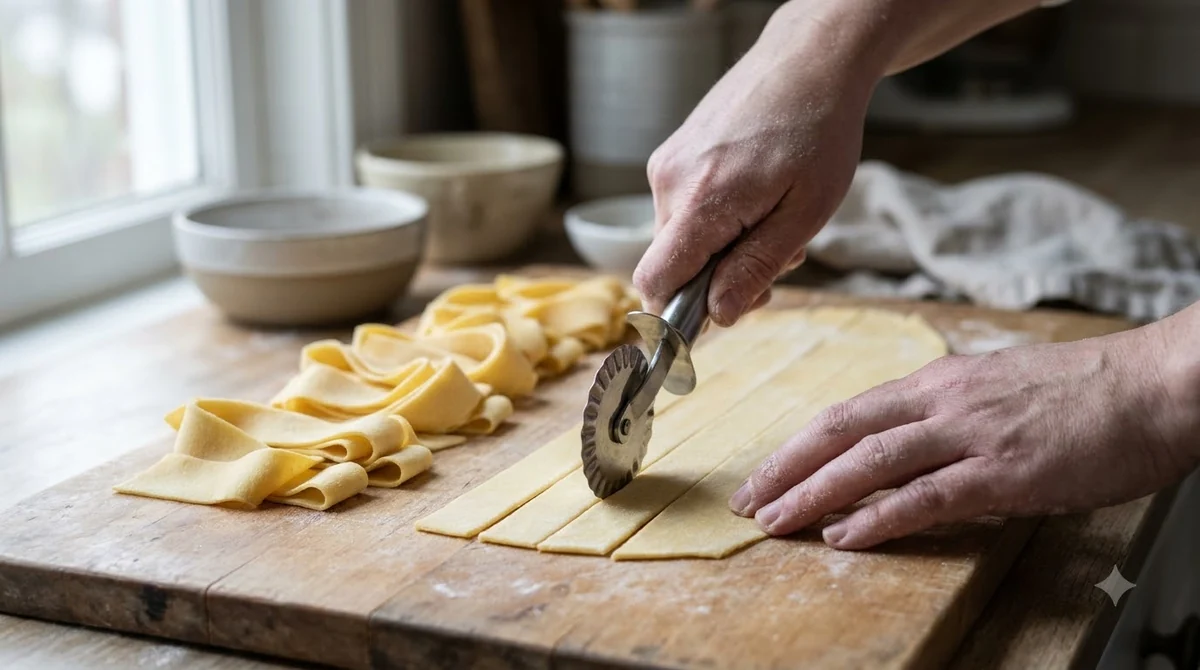
Three shapes are common enough to recognize on a shelf:
- Straight-edged rectangles, the long narrow shape that Italian cooks traditionally used for baked dishes.
- Ruffled sheets, called lasagna riccia, which mass-produced packs often use.
- Mezze lasagne, narrower sheets that the Veneto region uses.
Square sheets also exist, so measure your baking dish before you buy, especially if you plan to follow a step-by-step lasagna method. A sheet that is too long for the pan will need trimming, and a short one leaves gaps in the layers. If you are choosing a dish, lasagna pans for layered bakes come in several sizes.
Dried, Oven-Ready or Fresh: Which to Choose
Oven-ready noodles are par-boiled and then dried, so they go into the dish without boiling first. Because they are dry when they go in, they rely on the sauce and other ingredients to add the moisture they need during baking. A smooth white sauce adds moisture between the layers, and how to make béchamel walks through it.
Choosing between them comes down to time and texture. Dried sheets are the basic form and give you the most control over how firm the pasta is at the end. Oven-ready sheets suit a weeknight when you want to skip a pot on the stove, and fresh sheets reward the cook who enjoys rolling dough by hand.
| Type | Pre-cooking | What to know |
|---|---|---|
| Dried | Boil in salted water before layering, for the time on the package | Made from durum semolina in commercial versions |
| Oven-ready | Par-boiled at the factory, then dried | Texture varies by brand; the Sporked tasting ranked Great Value first for chew |
| Fresh | Rolled at home, with an optional 2 to 3 minute boil | Made from 00 flour, semolina and eggs |
In a Sporked oven-ready taste test, the article reports Great Value at 10 out of 10 for a bouncy, chewy al dente bite, and Signature Select at 9 for bite after baking. Mueller’s scored 8.5 for a neutral flavor, and Ronzoni scored 8 as the softest and smoothest.
The same article does not say whether oven-ready and regular dried noodles can be swapped, so follow the recipe for the type you buy.
How to Cook Dried Lasagna Noodles
Cook dried lasagna noodles in salted boiling water for the time printed on the package, then drain them before layering.
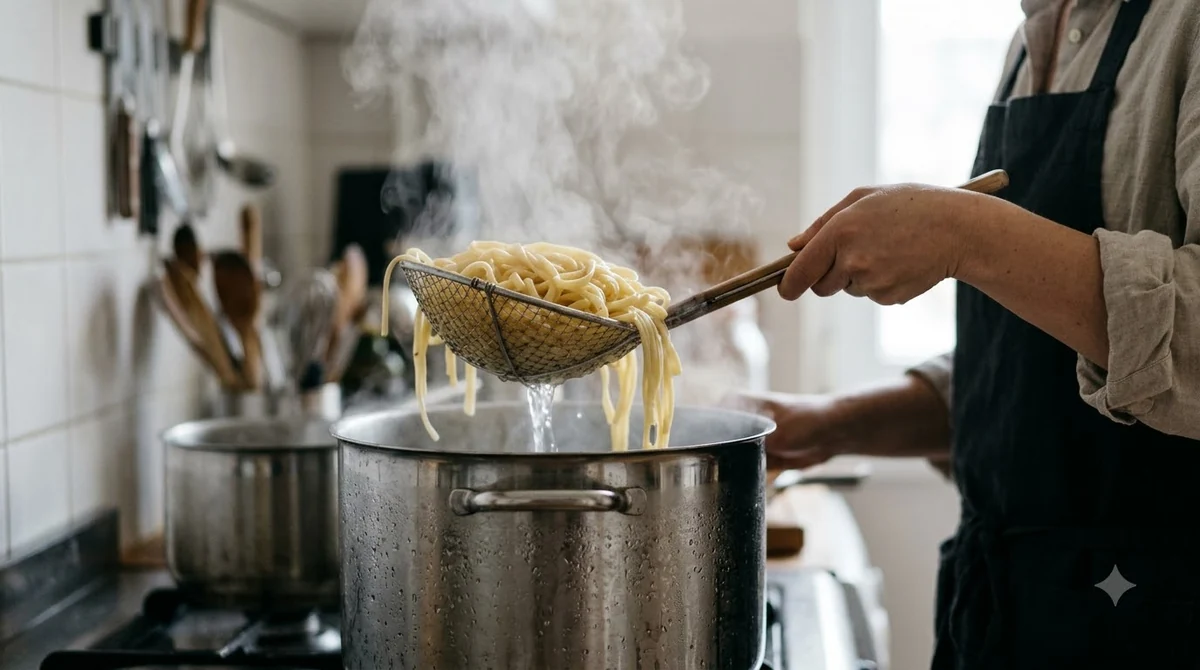
- Bring a large pot of salted water to a rolling boil.
- Add the noodles one at a time and stir gently so the sheets do not stick together.
- Cook for the package time, and test a piece near the end.
- Drain and lay the sheets flat on a clean towel or tray so they are easy to handle.
Use a pot large enough that the sheets can move freely, and stir in the first minute so they do not clump at the bottom. Al dente means the noodle still has a slight firmness at the center. Overcooked sheets tear when you lift them, which makes layering harder. Cook a few extra sheets when you are making a large dish, because a handful will usually split while you drain and lay them out.

How to Make Fresh Lasagna Noodles at Home
A homemade batch uses 2⅓ cups of 00 flour, ⅔ cup semolina, three egg yolks and two whole eggs, rolled to about one-eighth inch thick.
The Josie + Nina fresh noodle guide, written by Lori Murphy, makes up to 12 noodles, enough for four layers in a 15 by 10 by 3 inch pan. Start with 2 tablespoons of water and add more as needed, up to about one-third cup. If you want a roller for the sheets, see a pasta machine for lasagna sheets.
- Mix the flours, then work in the eggs and water until a dough forms.
- Rest the dough for 15 to 20 minutes before rolling.
- Cut the dough into six pieces. Roll each piece through setting 1, fold it, and roll it through setting 1 again.
- Roll through setting 2 twice, then once on each setting up to 6.
- Stop when you can see the shadow of your hand through the sheet, then cut to about 15 to 16 inches long.
If you want to cook them before layering, boil the sheets in salted water for 2 to 3 minutes until al dente. The same guide puts the total time at about one hour, including about 40 minutes of prep.
Storage and Common Mistakes
Fresh lasagna noodles are best used within about an hour of rolling or the same day, and they can be frozen for up to a month. Fresh sheets are moist, so they dry out and stick together if left uncovered, which is why they are best used quickly. For longer-term handling, see storing fresh pasta.
- Fresh sheets: use within about an hour or the same day.
- Frozen fresh sheets: keep for up to a month.
- Dried sheets: store them as the package says, and check the best-by date before cooking.
- Common mistake: boiling dried lasagna noodles too long, so they fall apart in the layers.
- Common mistake: using fresh sheets after they have dried out, which makes them crack when folded.
What the Sources Could Not Confirm
Exact boiling times and shelf life for dried lasagna noodles vary by brand and width, and the sources reviewed here did not give a single figure for them.
The fresh-noodle guide also notes that its author lays the sheets straight into the pan without drying them, and that about 10 minutes of drying would not make much difference. Check the package label for the boiling time and best-by date. If you are unsure about a stored box, follow the storage guidance printed on the package rather than an estimate.
Frequently Asked Questions
Do you have to boil lasagna noodles before baking?
Dried lasagna noodles usually need boiling first, while oven-ready noodles are par-boiled and dried so they can go into the dish without it. Check the package for the exact instruction, since times differ by brand. Following that instruction is the simplest way to avoid sheets that are too firm or too soft in the finished dish.
Can you use no-boil lasagna noodles in place of regular dried noodles?
The sources reviewed do not confirm that the two types can be swapped. Follow the recipe for the type you buy, and adjust the liquid only if the recipe says so. Recipes written for oven-ready sheets often assume the sauce will supply the moisture the noodles need to finish cooking in the oven.
Can you make lasagna noodles at home?
Yes. A basic homemade dough uses 00 flour, semolina, eggs and water, then is rolled to about one-eighth inch thick. Rest the dough 15 to 20 minutes, and cut the sheets to fit your pan. A batch of about 12 noodles covers four layers in a 15 by 10 by 3 inch dish, and the guide recommends doubling the recipe for five or more layers.
How long do lasagna noodles last?
Fresh lasagna noodles should be used within about an hour or the same day, and they freeze for up to a month. Dried noodles last as long as the best-by date on the package allows, and the storage guidance on the box is the reliable reference. Keep an eye on the date if the box has been open for a while.
What is lasagna riccia?
Lasagna riccia is the name for mass-produced sheets with a ruffled edge. The ruffles are a visual feature of the shape, so ruffled and straight-edged sheets are cooked and layered in the same basic way. Check the package for the boiling time, which can differ by shape and brand.
Are lasagna noodles and lasagne the same thing?
Yes. Lasagne is the plural of lasagna, so a single sheet is one lasagna noodle and a dish uses several of them. Both spellings are common in English recipes, and the box or recipe you follow will usually use one of them. The meaning does not change, so buy whichever spelling your recipe uses.
Pick dried noodles if you like to boil first, oven-ready sheets if you want to skip that step, and fresh sheets if you enjoy making dough. Read the package or recipe before you start, since cooking times and sheet sizes differ by brand.
 8 min readLearnLasagna Soup Recipe: Ground Beef, Broken Noodles and RicottaUpdated Nov 11, 2026
 9 min readLearnFresh Pasta vs Dried Pasta: How They Differ in Cooking, Storage and SauceUpdated Nov 12, 2026
 6 min readLearnHow to Freeze Ravioli: Tray Method, Storage and CookingUpdated Nov 13, 2026
 8 min readLearnCan You Freeze Cooked Pasta? Storage Times and Reheating TipsUpdated Nov 10, 2026
 8 min readLearnHow to Dry Fresh Pasta at Home: Timing, Storage and TipsUpdated Nov 10, 2026
 8 min readLearnMinestrone Soup Recipe: Ingredients, Steps and Storage TipsUpdated Nov 12, 2026