
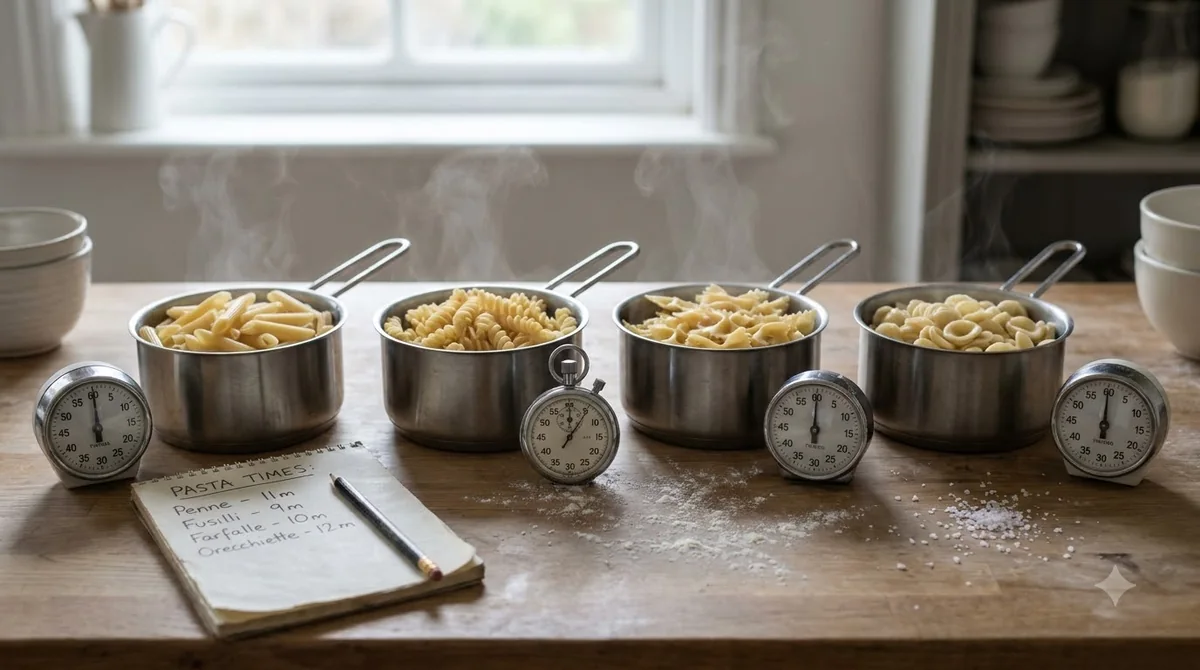

The best Italian pasta brand for most home cooks makes its pasta from durum semolina, dries it slowly and shapes it through bronze dies. These three steps matter more than the logo on the bag. Most good brands can be found in large US supermarkets and specialty Italian shops.
Brand reputation helps, but the label tells you more about the best Italian pasta brand. Use the checklist below to compare any bag, then choose a shape that fits your sauce.
What Makes an Italian Pasta Brand Worth Buying
A good Italian pasta brand is made from durum semolina, dried slowly and extruded through bronze dies for a rougher surface that holds sauce. Those three points separate the best Italian pasta brand from the rest.
Dry pasta is a simple product, so the ingredients and the process do most of the work. Read the ingredient list first. If the bag says semolina or durum, you are buying the style of pasta Italian cooks expect.
Durum Semolina
Commercially produced dry pasta is made almost exclusively from durum semolina. Durum is a hard wheat, and according to the overview of durum wheat, it contains about 12% total protein in defatted flour, compared with 11% in common wheat.
Its hardness also suits the milling process. When durum is ground, the endosperm becomes a granular product called semolina, and durum’s yellow endosperm is what gives pasta its color. A bag labeled “100% durum semolina” is a clear sign the maker started with the right flour.
Bronze Dies and Slow Drying
Bronze dies shape the dough and leave a rough texture on each strand. Many of the best Italian pasta brand names use them for that reason. That texture grips sauce better than a smooth surface does. The Gragnano tradition, which the Gragnano article describes in detail, links bronze shaping to a nuttier aroma and a chewier bite.
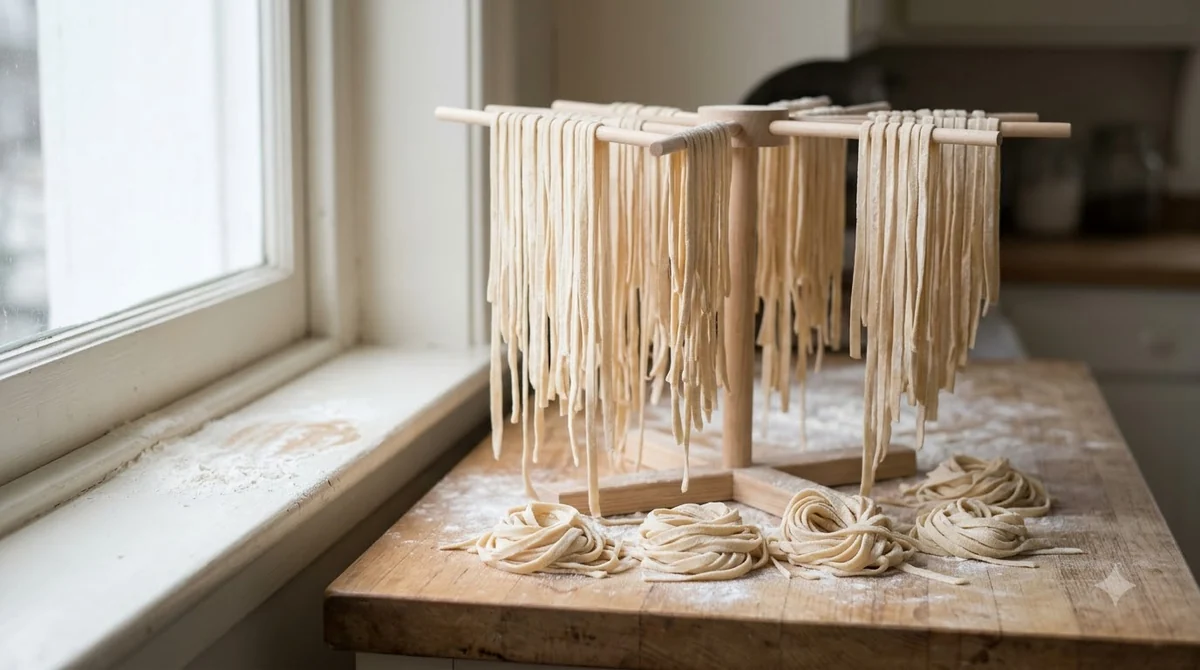
Drying is the other half of the story. Traditional makers hung pasta on rods in open air. Many modern producers use heaters at low temperatures, about 50 °C, for two days. Slow drying is the step that most often separates a firm, well-structured pasta from a fragile one, so look for “slow dried” or a similar phrase on the package. Our guide to bronze cut pasta brands shows how to read these labels. Brands rarely publish the full drying schedule, so the phrase on the label is the practical clue.

Best Italian Pasta Brand Top Picks
De Cecco, Barilla, Garofalo, Rummo and Voiello come up again and again in chef and shopper roundups of the best Italian pasta brand, and each has a different strength. The table below shows which one to start with.
| Pick | Best for | Key fact |
|---|---|---|
| De Cecco | Everyday cooking with a familiar shape range | Founded in 1886 by the De Cecco brothers, with its main plant in Fara San Martino |
| Barilla | Wide availability and a large range of shapes | Founded in 1877 as a bakery in Parma, with more than 160 shapes and sizes |
| Garofalo | Buyers who want a bronze-finished pasta for thick sauces | Often named in chef roundups for its bronze-cut style |
| Rummo | Cooks who want a traditional production style | Recommended by some chefs for traditional production methods |
| Voiello | Shoppers who want a premium semolina pasta | Praised by some reviewers for its wheat quality |
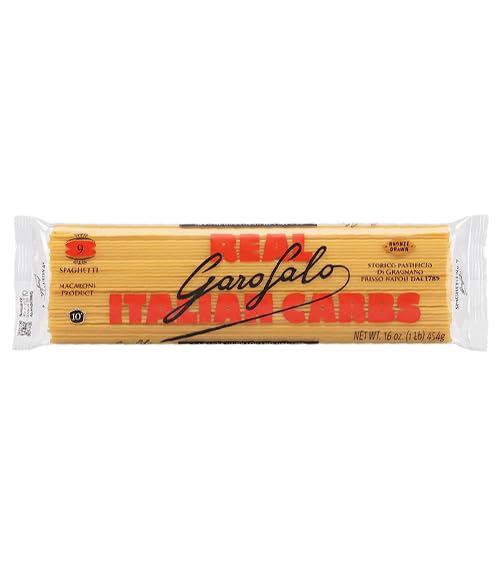
Garofalo - Premium Durum Wheat Semolina Spaghetti
Pros & ConsViewHide
Reasons to buy
- Bronze-drawn spaghetti for a rougher surface that holds sauce
- Made from durum wheat semolina in Italy
- Rated 4.6 stars across a smaller number of Amazon ratings
Reasons to avoid
- Costs more per pound than supermarket spaghetti
- Fewer reviews than the long-standing big brands

De Cecco Spaghetti No. 12 Pasta, 16 Oz
Pros & ConsViewHide
Reasons to buy
- Slow-dried durum wheat spaghetti, the No. 12 cut
- Low shelf price per 16 oz box
- 83% of 3K Amazon ratings are 5-star
Reasons to avoid
- Single box means more reorders for a weekly cook
- Price can change by store and seller

Pros & ConsViewHide
Reasons to buy
- Bronze cut rigatoni with ridges that hold sauce
- 85% of Amazon ratings are 5-star
- Made from durum wheat, not a gluten-free blend
Reasons to avoid
- Fewer reviews than the big supermarket brands
- Not the gluten-free Rummo version, so check the label
How We Chose These Brands
The picks above come from published roundups, so treat them as a starting point. We looked for brands that appear in several sources and for claims that can be checked on the package. Brand names alone are a weak guide to the best Italian pasta brand, so the criteria matter more than the ranking.
Chef picks for the best Italian pasta brand often favor brands with a long production history. Shopper picks often favor everyday value. Both are useful, and you can use either lens with the checklist in this guide.
When you search for the best Italian pasta brand, the answer changes from one source to the next. Roundups disagree on the top spot because each one weighs taste, price and availability differently. That disagreement is a reason to rely on the label criteria, not a single ranking.
A good shortlist of the best Italian pasta brand options has two or three brands that fit your budget and your local store. Compare the flour, the die finish and the drying claim on each bag, then cook two of them with the same sauce to decide. If you mainly cook long strands, our best spaghetti brand guide narrows the list.
How to Choose a Pasta Brand by Cooking Style
Choose a bronze-finished durum pasta for thick meat or cream sauces, and a standard dried brand for quick weeknight boiling. Shape and texture should match the sauce you plan to make, so the best Italian pasta brand for you depends on the dish.
Think about how often you cook each style. A household that makes long pasta with clam sauce twice a week has different needs from one that mostly makes baked shapes for family dinners. Buy the bag that matches your most frequent meal first.
- Pick a rough-textured, bronze-finished pasta for ragu, pesto or cheese sauces that need grip.
- Pick a smooth, standard dried pasta for light olive oil or tomato sauces.
- Pick a long strand for oil-based dishes and a short tube or spiral for chunky sauces.
- Pick a familiar brand for everyday cooking, and save premium bags for dishes you serve to guests.
The trade-off is price against texture. Bronze-finished pasta often costs more per pound, while standard dried pasta is the easier choice for everyday meals and large family batches. Neither choice is wrong, so match the bag to the dinner you are making. Our Garofalo pasta review and Rummo pasta review show how two bronze-finished brands compare.
Origin Labels and What They Tell You
Gragnano pasta holds an EU Protected Geographical Indication, granted in 2013, that ties the product to its traditional method and place. That label is a useful sign when you see it on a bag, but it does not guarantee that every Italian brand will taste the same.
Look for the plant location or the producer’s name on the back of the bag, since those details tell you more than a flag on the front when judging the best Italian pasta brand. A clear origin statement is a good sign that the maker is willing to be specific.
Italian origin alone is not a quality guarantee, even for the best Italian pasta brand. A pasta made in Italy from a poor ingredient list can still disappoint. Check the flour, the die finish and the drying method before you rely on the flag on the front.
Common Mistakes When Buying Italian Pasta
The most common mistake when hunting for the best Italian pasta brand is choosing by price or packaging alone. A cheap bag can be excellent, and a beautiful box can hide a weak ingredient list. Read the label before you decide.
- Buying “pasta” without checking for durum semolina on the label.
- Assuming every bronze-cut claim means the same finish. Ask the brand or check the package for details.
- Ignoring the cook time printed on the bag and overcooking a delicate shape.
- Choosing a long strand for a chunky sauce that will not cling.
Taste is personal, even with the best Italian pasta brand. Some cooks prefer a firm bite and others want a softer one. Try a small bag before buying a large pantry supply.
Another common slip is buying a large case of one shape before testing it. Start with a single bag of a familiar shape, cook it once, and only then decide whether a bigger pack is worth the money for your kitchen.
How to Store and Cook Your Pick
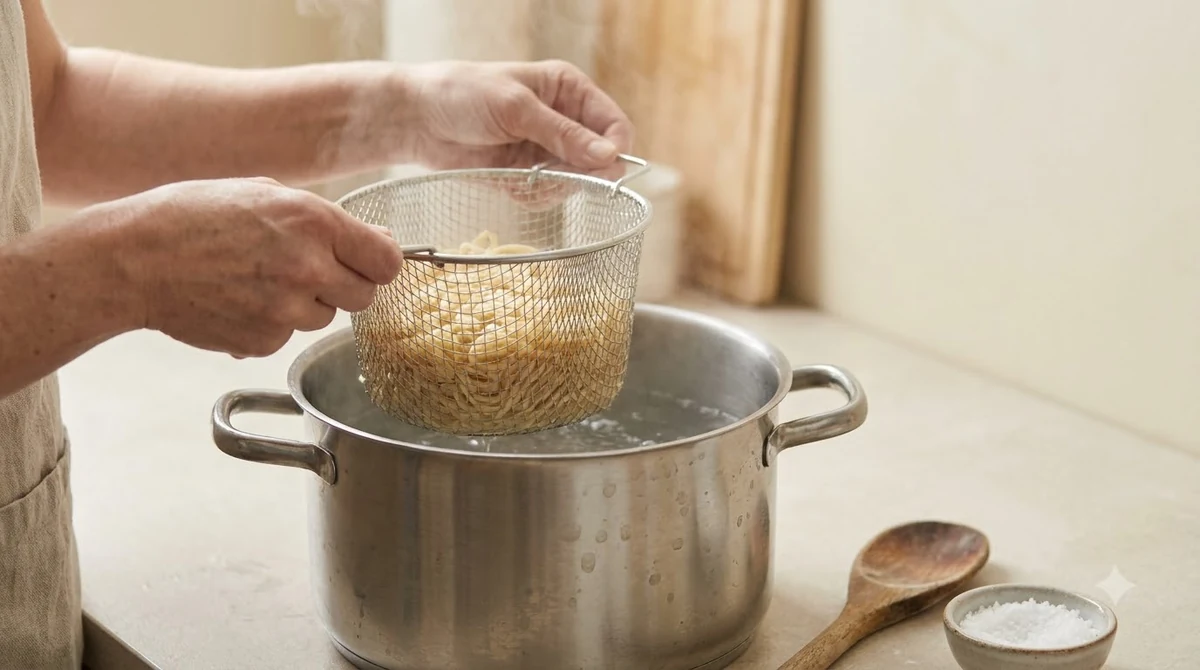
Store dry pasta in a cool, dry cupboard in its sealed bag or an airtight container. Cook it in plenty of salted water and taste it a minute before the time printed on the package.
- Bring a large pot of water to a rolling boil and add salt.
- Add the pasta and stir in the first minute so the pieces do not stick.
- Check the cook time on the package and taste a piece before draining.
- Reserve a cup of cooking water and finish the pasta in the sauce for a better coat.
Frequently Asked Questions
Is De Cecco a good Italian pasta brand?
De Cecco is one of the brands most often named in chef and shopper roundups of store-bought pasta. The company was founded in 1886, so it has a long production history. Check the bag for durum semolina and follow the cook time on the package. Our De Cecco pasta review covers taste and texture in more detail.
Is Barilla made in Italy?
Barilla was founded in 1877 as a bakery in Parma, Italy. The group runs 30 production sites worldwide, and about half of them are in Italy, according to its company entry. Check the package for the plant location on each bag.
What does bronze-cut mean on pasta?
Bronze-cut pasta is pushed through bronze dies, which leave a rougher surface on each strand. That surface helps sauce cling. Not every brand uses the same process, so read the label for the finish.
Does Gragnano pasta have a protected label?
Yes. The European Union granted Gragnano pasta a Protected Geographical Indication in 2013. The label ties the product to its traditional method and its home town. Look for the protected designation on the package before you assume a bag comes from the traditional process.
If you are choosing the best Italian pasta brand for the first time, start with one durum bag, one bronze-finished bag and cook them side by side with the same sauce. Your own taste will tell you more about the best Italian pasta brand than any ranking.
 7 min readGear & PantryBest 00 Flour for Pasta: How to Choose the Right BagUpdated Nov 10, 2026
 9 min readGear & PantryBest Italian Pistachio Spread Brand: What the Label RevealsUpdated Nov 10, 2026
 8 min readGear & PantryBest Semolina Flour for Pasta: How to Pick the Right BagUpdated Nov 17, 2026
 10 min readGear & PantryBronze Cut Pasta Brands: How to Find and Read ThemUpdated Nov 16, 2026
 9 min readGear & PantryLa Molisana Pasta Review: Bite, Brand and What to Check Before You BuyUpdated Nov 8, 2026
 9 min readGear & PantryRummo vs De Cecco: Which Dried Pasta Brand Should You Buy?Updated Nov 7, 2026