
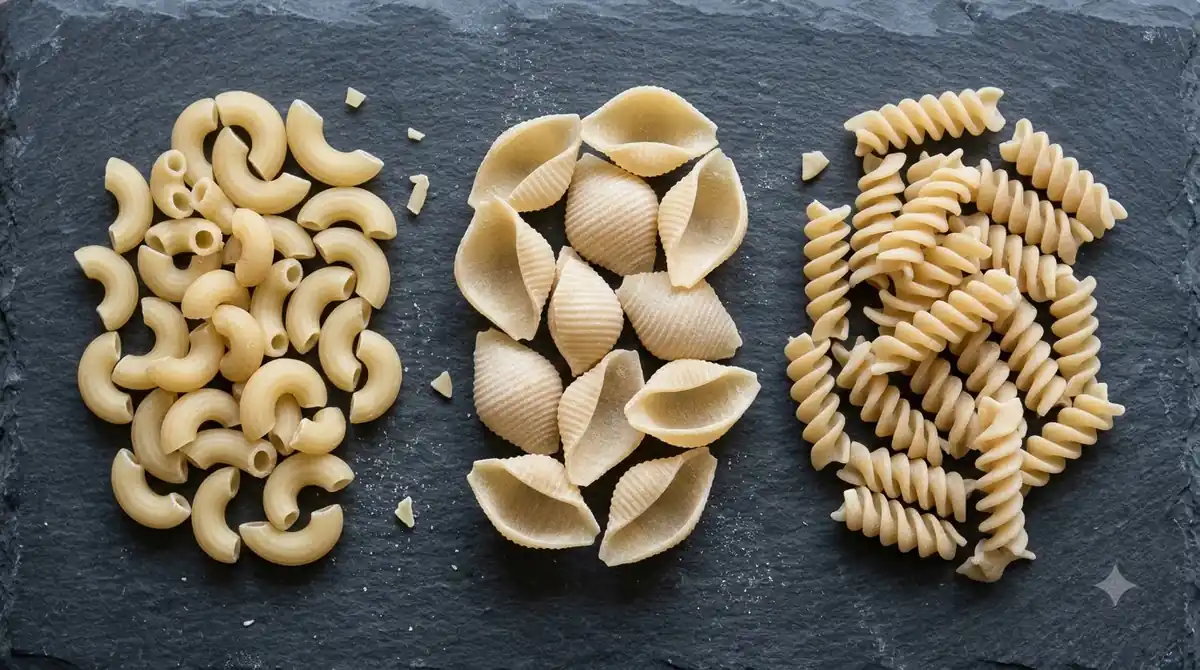

The best semolina flour for pasta is coarsely ground durum wheat, a flour that gives chewy noodles and rolls well through a pasta machine. The right bag depends on the grind, the label and whether you plan to cook dried or fresh pasta.
Look for the best semolina flour for pasta by checking that a durum product states its grind and protein on the label before you buy. The checks below separate what the sources confirm from what you should verify on the bag yourself.

King Arthur Premium Semolina Flour: Coarse Ground
Pros & ConsViewHide
Reasons to buy
- Coarsely ground durum semolina in a 3 lb resealable bag
- Brand also publishes pasta flour guidance
- 88% of 2.2K Amazon ratings are 5-star
Reasons to avoid
- Coarse grind, so fine rimacinata is a different product
- Labeled for pasta, pizza and bread, so check the recipe you plan to use

Caputo Antimo Di Grano Duro Rimacinata Semolina
Pros & ConsViewHide
Reasons to buy
- Italian semola di grano duro rimacinata in a 2.2 lb bag
- Finer re-milled grind suits fresh pasta dough
- 81% of 6.5K Amazon ratings are 5-star
Reasons to avoid
- Smaller bag than the 3 lb options
- Finer grind than coarse semolina, so it behaves differently in a recipe

POLSELLI Semola Flour, Semolina Rimacinata Di
Pros & ConsViewHide
Reasons to buy
- Semola rimacinata di grano duro in a 1 kg (2.2 lb) bag
- Italian milled durum flour for pasta, bread and pizza
- 80% of Amazon ratings are 5-star
Reasons to avoid
- Around 144 ratings, fewer than the big-name bags
- Finer re-milled grind, not a coarse semolina

Bob's Red Mill Semolina Pasta Flour
Pros & ConsViewHide
Reasons to buy
- Milled from high-protein durum wheat, sold for pasta and Sicilian-style pizza
- Four 24 oz bags give plenty of flour for regular pasta nights
- 89% of 1.5K Amazon ratings are 5-star
Reasons to avoid
- Pack of 4 is a lot of flour if you cook pasta only now and then
- Needs airtight storage once a bag is opened
What Semolina Flour Is
Semolina is a coarse flour traditionally milled from durum wheat, and durum semolina is pale yellow. The Codex standard for durum semolina allows no more than 79% of the particles to pass through a 315-micron sieve.
Semolina made from common wheat is beige rather than yellow. In the US, that common-wheat product is usually called farina, so a bag labelled farina is not the same ingredient as durum semolina. Wikipedia’s semolina entry describes both the colour and the naming difference.
Because the word semolina appears on several kinds of bag, read the ingredient line first when you shop for the best semolina flour for pasta. If it does not say durum wheat, the flour may not behave the way pasta recipes assume. For a plain-language primer, read what semolina flour is.
Why Durum Wheat Suits Pasta
Durum wheat has about 12% total protein in defatted flour, compared with 11% in common wheat, but it does not build a strong gluten network. Wikipedia’s durum entry describes durum as well suited to pasta.
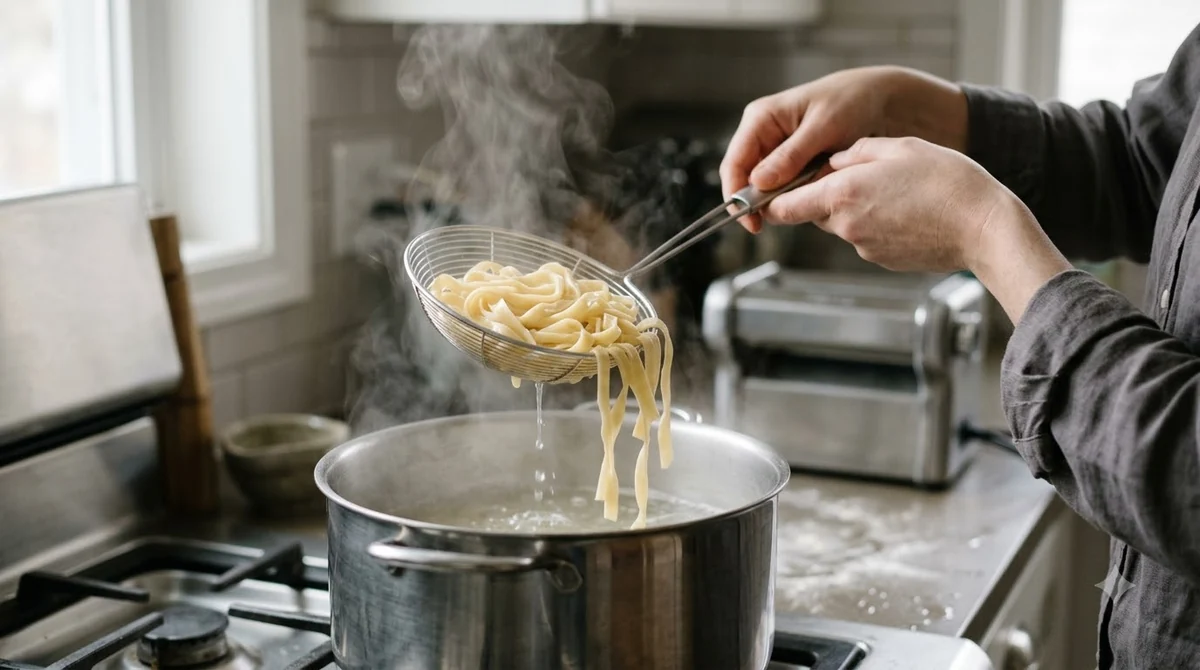
Commercial dry pasta is made almost exclusively from durum semolina, according to the durum entry on Wikipedia. The same source notes that durum takes more work to mill into flour than common bread wheats. When you compare bags, the best semolina flour for pasta is the one whose durum origin and grind match your dough.
| Flour | Source | Texture and use |
|---|---|---|
| Semolina | Coarsely ground durum wheat | Coarse, gives chewy pasta that rolls easily |
| Durum flour | Durum wheat, more finely milled | Described as high in protein and finely textured |
| 00 flour | Hard and soft wheat | Finely milled, gives soft, satiny noodles |
| All-purpose flour | Hard red wheat | Protein at 11.7%, easy to roll, yields pasta closer to boxed dried pasta |
The figures above come from King Arthur’s comparison of pasta flours, which gives a protein figure only for all-purpose flour. Semolina and 00 flour are described by texture and milling, not by a protein percentage. For a side-by-side look at semolina and a common pantry flour, see semolina flour vs all purpose flour.
What to Look for in the Best Semolina Flour for Pasta
Look for a durum product whose label states its grind, its protein and its origin, since the best semolina flour for pasta is defined by those details, and treat any term you do not recognise as a reason to check the brand’s own page. Five checks cover most of the decision.
- Durum wheat is listed as the ingredient, not a general wheat blend.
- The grind is described as coarse semolina or as a finer durum product, and you know which one you are buying.
- A protein figure is printed. King Arthur gives one for all-purpose flour but none for semolina, so do not assume a number.
- The brand offers a product or technical sheet with grind and use. If it does not, choose another bag.
- The package size suits how often you cook. Buy a size you can use before it goes stale, since no storage time is confirmed in the sources used here.
Italian bags often use terms such as semola di grano duro, which means durum semolina. The sources used here did not confirm what the finer re-milled term rimacinata means on any specific label, so check the brand’s description before you rely on it.

Dried or Fresh Pasta: Which Semolina Suits You
Semolina suits dried shapes and eggless dough because its coarse texture makes chewy pasta that rolls easily through a machine, according to King Arthur. It is the usual base for dried pasta.
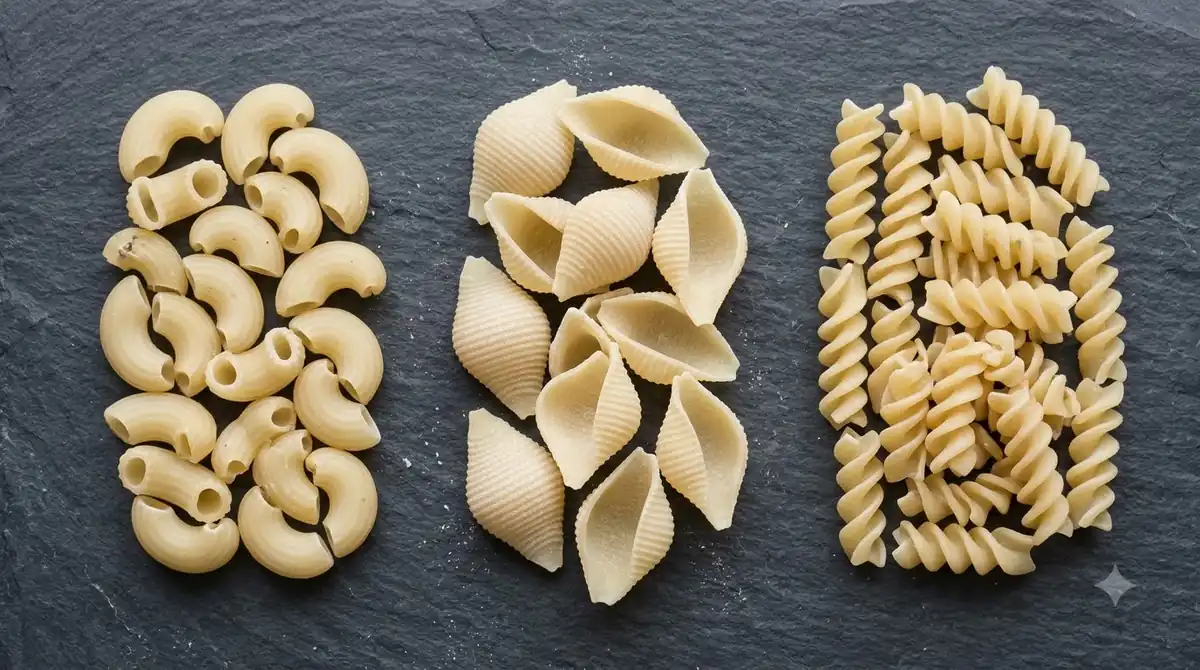
King Arthur also says the coarser texture gives the outside of the noodle a rougher surface, so sauce clings better. The same source notes that semolina also keeps fresh noodles from sticking together.
- Dried shapes: semolina alone is the standard base, since most commercial dry pasta is made from durum semolina.
- Eggless dough: semolina dough rolls easily through a pasta machine and holds its shape well when cut.
- Fresh egg dough: King Arthur pairs semolina with 00 flour in its semolina pasta recipe, which gives a documented starting blend.
If you want a softer, more delicate noodle, the sources here point to 00 flour rather than semolina alone, and our guides to the best 00 flour and the best flour for pasta cover that side. Choose the best semolina flour for pasta by the shape you plan to make, not only by the bag that looks best.
A rough home check helps when a bag is unclear. Coarse semolina feels gritty when you rub a pinch between your fingers, while a finely textured durum flour feels smoother. This only tells you the grind, not the protein, so it complements the label rather than replacing it.
Mistakes to Avoid When Buying Semolina
A common mistake with the best semolina flour for pasta is expecting it to behave like bread flour, because durum does not build a strong gluten network. Wikipedia’s durum entry says it is not a strong wheat in the sense of giving strength to dough.
- Buying farina and assuming it is durum semolina, when in the US farina usually means common-wheat semolina.
- Treating durum flour and semolina as the same product, when King Arthur describes one as coarse and the other as finely textured.
- Skipping the label, since no grind or protein figure is shared across all brands in the sources used here.
- Using semolina alone in a fresh egg recipe written for 00 flour, which changes the texture of the noodle.
Most of these mistakes disappear when you read the ingredient and description lines of the best semolina flour for pasta before paying.
What The Sources Do Not Confirm
Brand facts such as W values, protein figures and current prices were not confirmed in the sources used, because the brand product pages could not be read during research.
Brands such as Caputo, Polselli and Molino Braga appear often in retailer listings, but the sources here do not rank them. Before you choose the best semolina flour for pasta, check each bag or brand page for these three points on the best semolina flour for pasta.
- The grind description on the package or the brand’s site.
- The protein figure, if the brand prints one.
- The price on the retailer page on the day you buy, since prices change.
Frequently Asked Questions
What is the best semolina flour for pasta?
No single brand is confirmed as the best semolina flour for pasta in the sources used here. Choose a labelled durum semolina, check the grind and protein on the bag, and match it to dried or fresh pasta. The grind decides how the dough behaves in the machine, so it matters more than the brand name alone.
Is semolina the same as durum flour?
Not quite. King Arthur describes semolina as coarsely ground durum wheat, and durum flour as a finer, high-protein product. Read the description on each bag of the best semolina flour for pasta before you buy, because the name alone does not tell you the grind. Coarse semolina is the form King Arthur links with chewy, easy-to-roll pasta.
What is the difference between semolina and farina?
Semolina from durum wheat is pale yellow, while semolina from common wheat is beige. In the US, the common-wheat product is usually called farina. Check the ingredient line on any bag that does not name durum wheat.
Can I make fresh pasta with semolina alone?
King Arthur’s semolina pasta recipe pairs semolina with 00 flour, so that blend is the documented starting point. Adjust the ratio to the texture you want and note the change for next time. The sources here do not give a single correct ratio, so treat the pairing as a starting point.
Does semolina work for pizza?
Semolina can go into pizza dough, but the sources used here give no dough ratio, so use a pizza dough recipe with its own quantities. A bag chosen as the best semolina flour for pasta can also dust a peel, and semolina vs cornmeal for a pizza peel explains that choice.
Start with the label when you look for the best semolina flour for pasta: a durum semolina with a clear grind description and a printed protein figure is the safest choice for dried pasta. For fresh egg dough, blend it with 00 flour as King Arthur does, and adjust the ratio in small batches.
 7 min readGear & PantryBest 00 Flour for Pasta: How to Choose the Right BagUpdated Nov 10, 2026
 8 min readGear & PantryPolselli 00 Flour Review: Which Bag Fits Your Pizza Dough?Updated Nov 10, 2026
 9 min readGear & PantryThe Best Italian Pasta Brand: How to Choose a Good BagUpdated Nov 17, 2026
 8 min readGear & PantryBest Flour for Pasta: How to Choose by Dough TypeUpdated Nov 16, 2026
 7 min readGear & PantryCorzetti Stamp: How to Choose the Right One for Home PastaUpdated Nov 10, 2026
 9 min readGear & PantryPasta Pot Buying Guide: How to Choose the Right Size and InsertUpdated Nov 16, 2026