
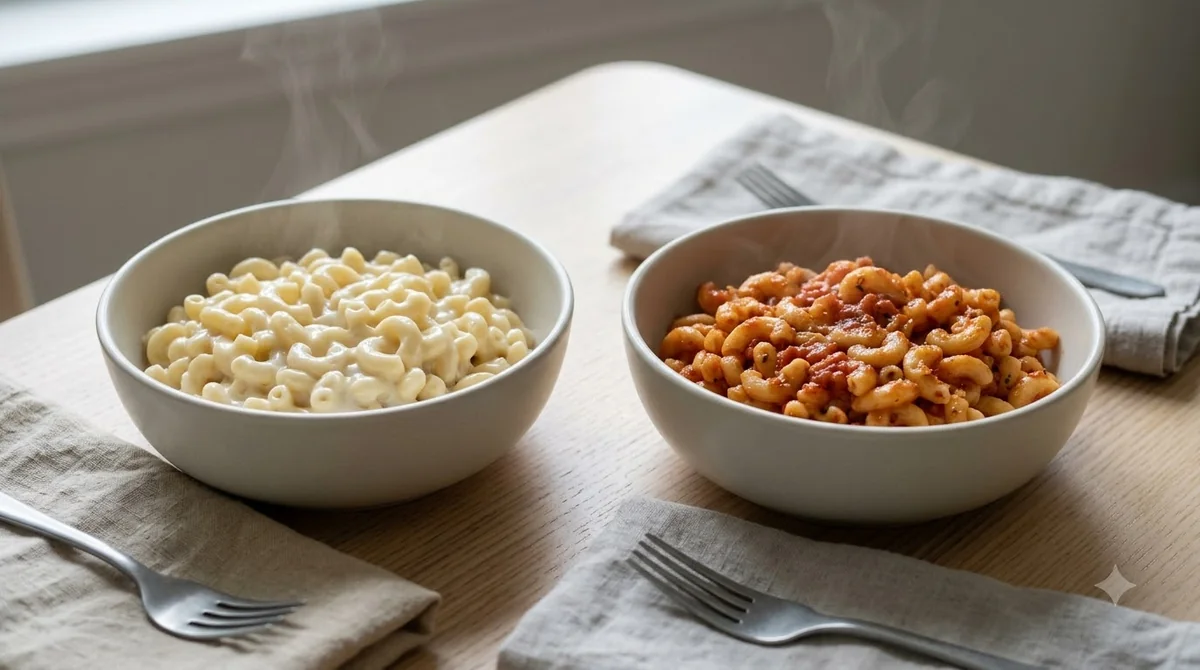

A pasta bowl set is a matched group of wide, shallow bowls sized for one serving of pasta, often sold in sets of four, six, eight or twelve. Most bowls measure 9 to 12 inches across, which places them between a dinner plate and a soup bowl in depth.
Size, material and shape decide how well a set works in daily use. Buy for the pasta you cook most often, and read the care instructions before you commit to a pasta bowl set.
Pasta Bowl Set Size and Capacity
A pasta bowl set usually includes bowls between 9 and 12 inches across, with smaller 8 to 9 inch bowls for side portions and 11 to 12 inch bowls for generous main servings.
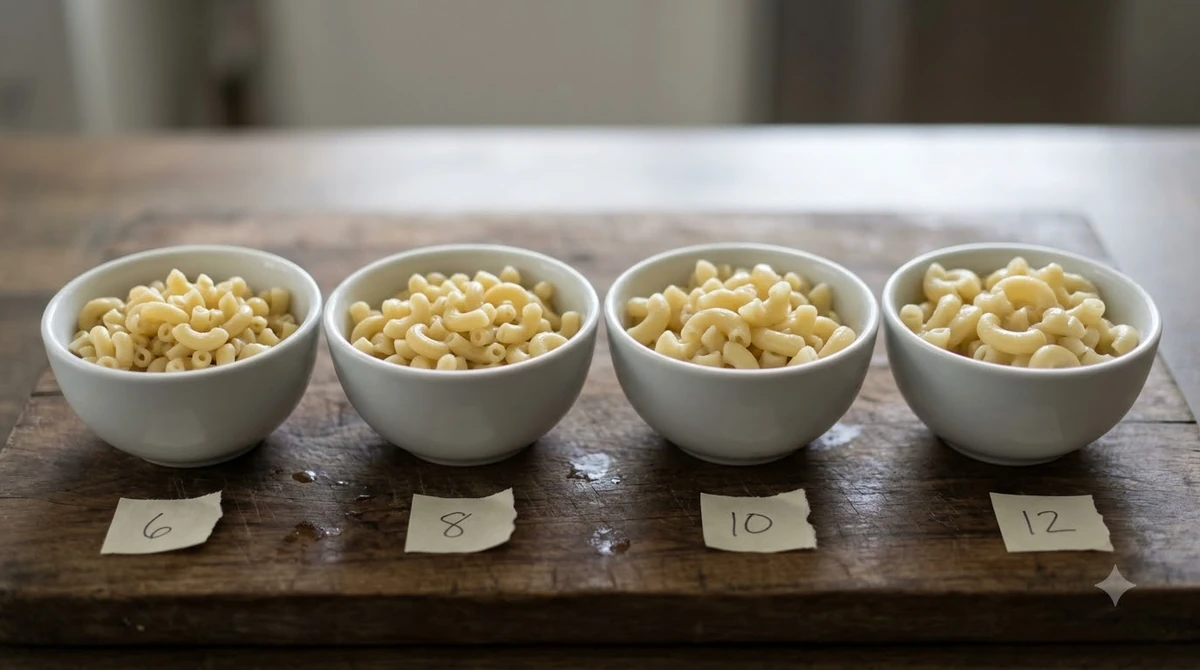
Bowls in a pasta bowl set are usually 9 to 12 inches in diameter and shallower than soup or cereal bowls, according to the pasta bowl guide from Malacasa. For comparison, the Wikipedia overview of tableware lists a standard dinner plate at 10.5 inches across, so a 9 to 10 inch pasta bowl will look close in size to the plate you already own.
Capacity, listed in ounces, matters as much as diameter. A wide bowl with low sides can hold a generous portion of spaghetti, while a deeper bowl with a narrow opening holds less pasta than its size suggests. Compare the listed ounces with the listed diameter rather than relying on the product name, because sizes and capacities are not standardized across brands.
Three sizes cover most needs in a pasta bowl set. Choose the right one for each job:
- 8 to 9 inches: side dishes, appetizers and smaller pasta portions
- 9 to 10 inches: everyday dinners, close to the size of a dinner plate
- 11 to 12 inches: large servings and pasta served as the main course
Large bowls in a pasta bowl set take up more room than they seem to on a product page. Measure your cupboard shelves and your dishwasher rack before you order a set of 11 or 12 inch bowls, because a set that does not fit your storage will sit unused or get chipped while being stacked.
How Bowl Shape Affects Long and Short Pasta
Wide, shallow bowls suit long noodles such as spaghetti, linguine and fettuccine, while slightly deeper bowls hold short shapes like penne, fusilli and farfalle with chunky sauce.
Long strands need room to spread, so a pasta bowl set with shallow pieces suits them best. In a shallow bowl you can twirl spaghetti with a pasta fork without pushing noodles over the edge, and the sauce coats more of each strand. Long pasta also looks better when it is not piled high in a narrow bowl.
Short shapes behave differently. Penne, fusilli and farfalle catch chunky tomato, meat or vegetable sauce in their grooves and gaps. A slightly deeper bowl keeps those pieces and their sauce from sliding off the rim when you serve, which is why many pasta bowl sets include a mix of depths. A spaghetti spoon makes it easier to portion strands into a bowl without splashing the rim.
The rim matters too. A flat, raised rim gives a plate-like feel and helps prevent spills, which is useful when you carry a full bowl from the stove to the table. A plain, sloped rim works well for serving but may let sauce run toward the edge when you lift the bowl. Drain pasta well in a colander for pasta before serving, so watery sauce does not pool in the bowl.
Porcelain, Stoneware and Ceramic: Which Material to Choose
Porcelain is fired hotter and stays thin and white, while stoneware is denser, more opaque and more rustic, and both belong to the wider family of ceramic tableware.
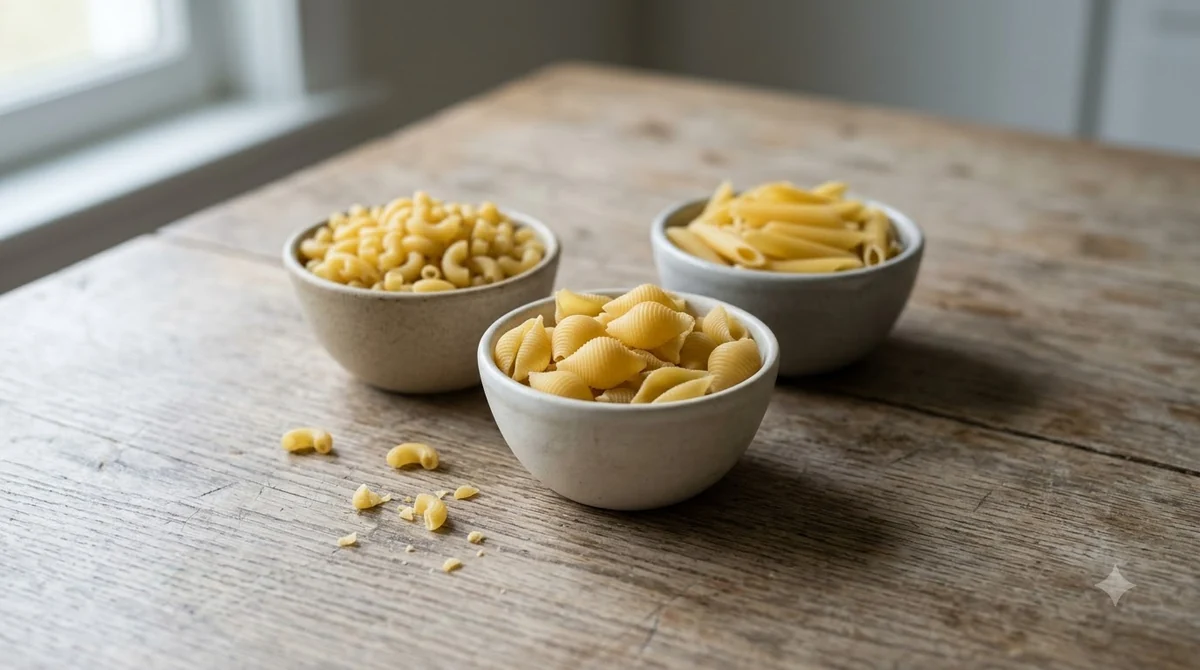
Porcelain is a ceramic made by firing raw materials, generally including kaolinite, at temperatures between 1,200 and 1,400 degrees Celsius (2,200 and 2,600 degrees Fahrenheit), according to Wikipedia’s porcelain article. At that heat the body vitrifies, so the bowl is impermeable even before glazing. Its walls can look translucent when thin, although thick pieces do not.
Stoneware is fired at roughly 1,100 to 1,300 degrees Celsius. According to Wikipedia’s stoneware article, it should be watertight, with water absorption of less than 1 percent after firing. It is more opaque than porcelain and is often grey or brownish because of impurities in the clay.
| Feature | Porcelain | Stoneware |
|---|---|---|
| Typical firing range | 1,200 to 1,400 degrees Celsius | 1,100 to 1,300 degrees Celsius |
| Water absorption | Impermeable even before glazing | Less than 1 percent after firing |
| Appearance | White, translucent when thin | More opaque, often grey or brown |
| Feel | More delicate and lighter in color | More rustic |
In practice, the choice of material for a pasta bowl set often comes down to feel and style. Malacasa’s care guide describes porcelain as more delicate and lighter in color, and stoneware as more rustic.
Glazing matters for every ceramic material. According to Wikipedia’s tableware overview, glazing makes ceramic pieces watertight, resists grime and simplifies cleaning, so a glossy finish is usually the easier choice for everyday use.
How Many Bowls to Buy in a Set
A pasta bowl set of four to six pieces covers most households, and matched tableware is commonly sold for four, six, eight or twelve place settings.
A set of four suits a couple or a small household that eats together most nights. Six or eight bowls make more sense if you host dinners regularly. A twelve piece set suits large families or frequent entertainers, but it takes more cupboard space and costs more to replace if one breaks.
Matching bowls look coordinated on the table, which matters for entertaining. Mixing two bowl styles from the same collection also works, and keeps the look consistent while letting you replace a chipped bowl with a similar one later. If you also bake pasta, a lasagna pan can go from oven to table before you portion the servings into the bowls.
Before buying a pasta bowl set, count how many people you usually cook for and how many bowls you can store. If the brand sells single pieces, note that down too, because replacements are easier to find that way than a full set.
Care, Dishwasher and Microwave Use
Most ceramic and porcelain pasta bowl sets are dishwasher and microwave safe, but hand-painted finishes and sudden temperature changes can damage them.
- Dishwasher: ceramic pasta bowls are usually dishwasher safe, but handwashing is the gentler option for hand-painted or delicate finishes.
- Microwave: most ceramic and porcelain bowls are microwave safe, but high temperatures or a broiler may break them. Check the manufacturer’s instructions.
- Thermal shock: do not move bowls straight from the fridge to a hot oven or the reverse, because the sudden change can start cracks.
- Stains: use a soft sponge and mild dish soap, and avoid abrasive scrubbers.
- Stacking: place felt or cloth pads between stacked bowls to prevent chips.
Ceramic also holds heat longer than many materials, which helps pasta stay warm while people are seated.
How to Choose the Right Pasta Bowl Set
Check diameter, capacity, material, shape and care needs before buying a pasta bowl set, because sizes and capacities are not standardized across brands.
Two bowls labeled “large” can differ by several inches or a good number of ounces, so compare the listed numbers directly. Use this checklist before you add a pasta bowl set to your cart:
- Measure your shelves and dishwasher rack before ordering 11 to 12 inch bowls.
- Choose a diameter that matches your usual portion, often 9 to 10 inches for everyday dinners.
- Pick a shape: wide and shallow for long pasta, slightly deeper for short shapes and chunky sauce.
- Choose porcelain for a thin, white look, or stoneware for a more rustic feel.
- Confirm dishwasher and microwave safety in the product listing or manual, especially for decorated designs.
- Decide on the set count, usually four to six pieces for a typical home.
A good set is one you will use every day. Let your cooking decide the size and shape, then let material and care instructions settle the rest.
Frequently Asked Questions
Can pasta bowls go in the microwave?
Most ceramic and porcelain pasta bowls are microwave safe, but high temperatures or a broiler may break them. Check the manufacturer’s instructions for any bowl with decoration, and heat food rather than the empty bowl to avoid sudden temperature changes.
Are pasta bowls dishwasher safe?
Ceramic pasta bowl sets are usually dishwasher safe. Handwashing is the more delicate option, so hand wash bowls with hand-painted or delicate finishes and use a soft sponge with mild dish soap.
What size pasta bowl is best for most people?
For everyday dinners, a bowl between 9 and 10 inches across fits most portions. Bowls of 11 to 12 inches suit large main-course servings. Choose by portion size and shelf space rather than by the name on the box.
Should all the bowls in a set match?
Matching bowls in a pasta bowl set look coordinated, which suits entertaining. Mixed bowls from the same pasta bowl set collection work well for everyday meals. Either choice is reasonable, so pick the look you prefer and check that the bowls share a similar size range.
How do I prevent chips when stacking bowls?
Place felt or cloth pads between stacked bowls, and do not overload a cupboard so that bowls knock against each other. Store the largest bowls on the lower shelves where they are easier to lift safely.
Start with size and shape, then compare porcelain and stoneware and check the care instructions. A pasta bowl set that fits your shelves, your usual portions and your dishwasher will serve you better than the most decorative option on the market. For the tools that go with your bowls, browse the pizza and pasta gear guides.
 9 min readGear & PantryLasagna Pan: How to Choose the Right Size, Depth and MaterialUpdated Nov 16, 2026
 7 min readGear & PantryPizza Oven Door: Types, Sizes and Materials for 2026Updated Nov 17, 2026
 9 min readGear & PantryBest Pizza Peel for Ooni Karu 12: How to Choose the Right Size and MaterialUpdated Nov 10, 2026
 8 min readGear & PantryOoni Koda 12 Pizza Stone: Size, Replacement Checklist and CareUpdated Nov 17, 2026
 8 min readGear & PantryOoni Karu 16 Replacement Stone: Fit, Size and Care GuideUpdated Nov 10, 2026
 7 min readGear & PantryPasta Board: How to Choose, Use and Care for OneUpdated Nov 15, 2026