
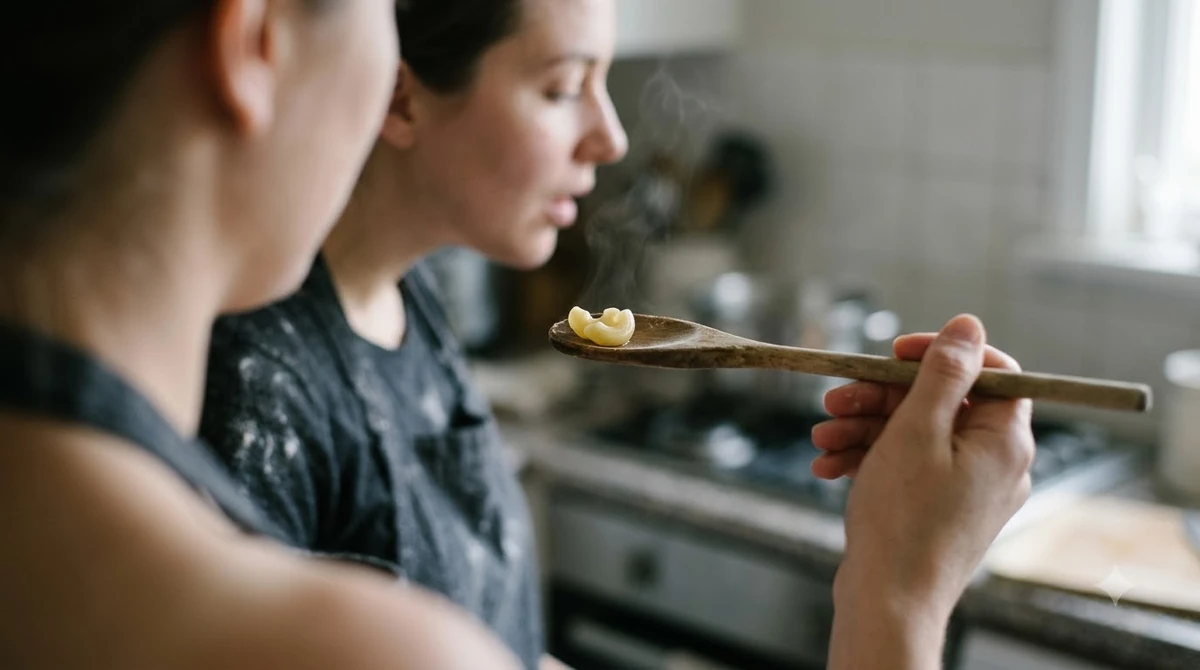

A spaghetti spoon is a long-handled utensil with a deep, perforated or prong-like end that lifts and twirls long pasta. As of 2026-11-07, the same tool is also sold as a pasta fork, pasta ladle, pasta spoon or spaghetti server. Most cooks use one for long shapes such as spaghetti and linguine.
Tongs can handle much of the same work, so the right pick depends on how you drain and serve. The sections below explain what the tool does, how it compares with tongs, and what to check before you buy.
What is a spaghetti spoon used for?
A spaghetti spoon is a utensil for serving and handling spaghetti and other long pasta, with a long stem and a scoop-shaped end.
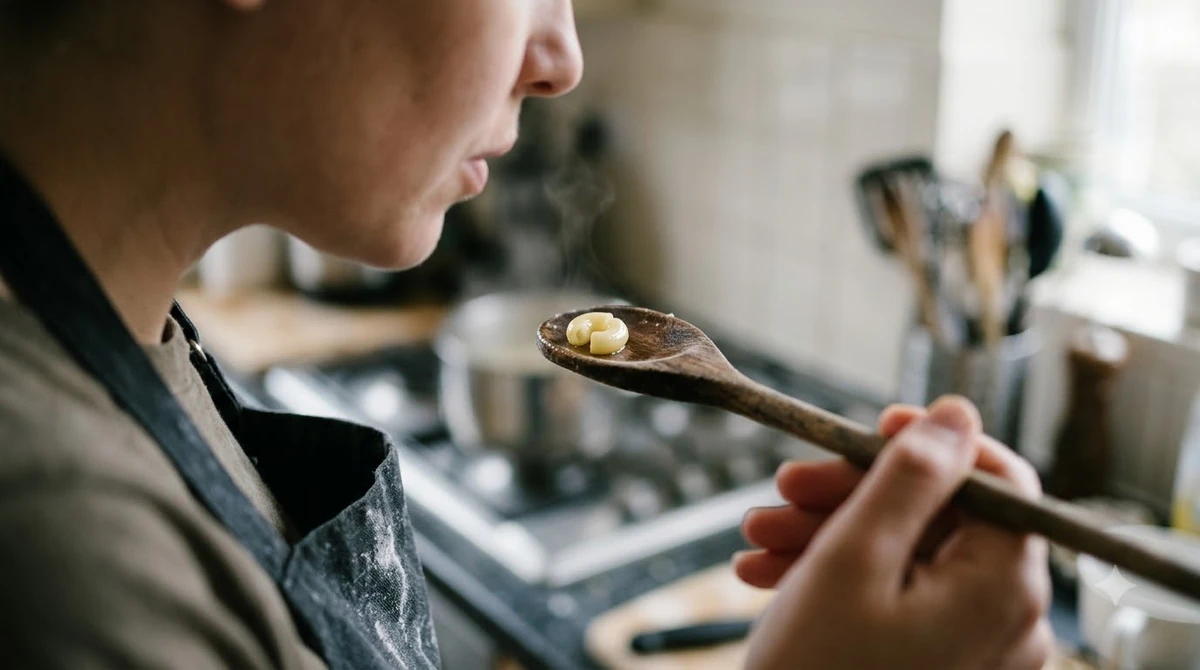
Wikipedia’s entry on the utensil describes it as a specially designed spoon for serving long pasta more easily. Its end is a deep, perforated or prong-like scoop. You dip that end into the pot and twirl the pasta so the strands wind around it, which keeps them from slipping off while you serve.
The holes in the scoop let excess water run out, so the portion you lift is drier and easier to move onto a plate. The same holes keep your hands dry while you serve, which is a practical reason to choose one instead of a plain serving spoon.
Because the tool has several names, you may find the same design listed as a pasta fork, pasta ladle, pasta spoon or spaghetti server. Read the product description for the tines and the stem, not only the name, when you compare listings.
Spaghetti spoon or tongs: which is easier?
Tongs give more precise control, but their grip depends on the shape of the head, and a spaghetti spoon works differently by catching strands on its tines and scoop.
America’s Test Kitchen’s tongs review tested tongs with angel hair pasta. Its testers found that scalloped, uncoated heads held slippery pasta best, while flat, broad heads had no grip and struggled to pick up strands. Several models dropped or failed to pick up the pasta, which is a reason to check the head shape before you buy tongs for long noodles.
| Tool | Works well for | Watch out for |
|---|---|---|
| Spaghetti spoon | Twirling a portion and draining it in one motion | Hole size and spacing vary by model |
| Tongs with scalloped heads | Gripping slippery pasta, per America’s Test Kitchen | Flat or broad heads have little grip on strands |
| Tongs with fork-like tines | Twirling strands without a separate fork | Long arms can make slippery pasta harder to twirl |
In the same tongs test, the winning OXO model had a 12-inch arm, while the Le Creuset pair had 13.5-inch arms and tines on one side that resemble a pasta fork. Testers found that the long arms forced them to choke up on the tongs to twirl slippery pasta. The testers did not give pasta-specific measurements, so use arm length as a rough guide rather than a fixed rule.
How to choose a spaghetti spoon
Choose a spaghetti spoon by its stem length, head shape, hole pattern and material, because those decide how well it grips and drains long pasta. If you prefer tines to a spoon, see a pasta fork for serving long pasta.
Four checks cover most of the difference between a useful spoon and one that frustrates you. Look at each one before you buy:
- Stem length: a longer handle keeps your hand farther from steam when you reach into a wide pot.
- Head shape: tines or prongs on the scoop help strands sit on the head instead of sliding off.
- Hole pattern: perforations drain water faster, and their size and spacing vary from model to model.
- Material: models are sold in different materials, so check the listing, because this guide did not confirm the material or heat rating of any model from a manufacturer page.
Some details, such as exact dimensions, heat ratings and dishwasher rules, are set by each maker. The product page or the printed packaging is the most reliable place to confirm them. If a listing gives no measurement for the stem or the head, compare it with a model whose size is stated before you buy.
Use the product photos to check the tine spacing as well, since the sources do not give a standard spacing. Thin pasta such as angel hair is the shape most likely to show the difference.
A deeper scoop holds a bigger bundle, while a shallow one lets more water run off. Neither choice is better in every kitchen, so match the spoon to the pots you use most. If you cook long pasta every week, a sturdy stem and clear tines matter more than the finish.
How to use a spaghetti spoon, step by step
Lower the spoon into the pot, turn it so the tines catch the strands, then lift and drain over the pot before you serve.
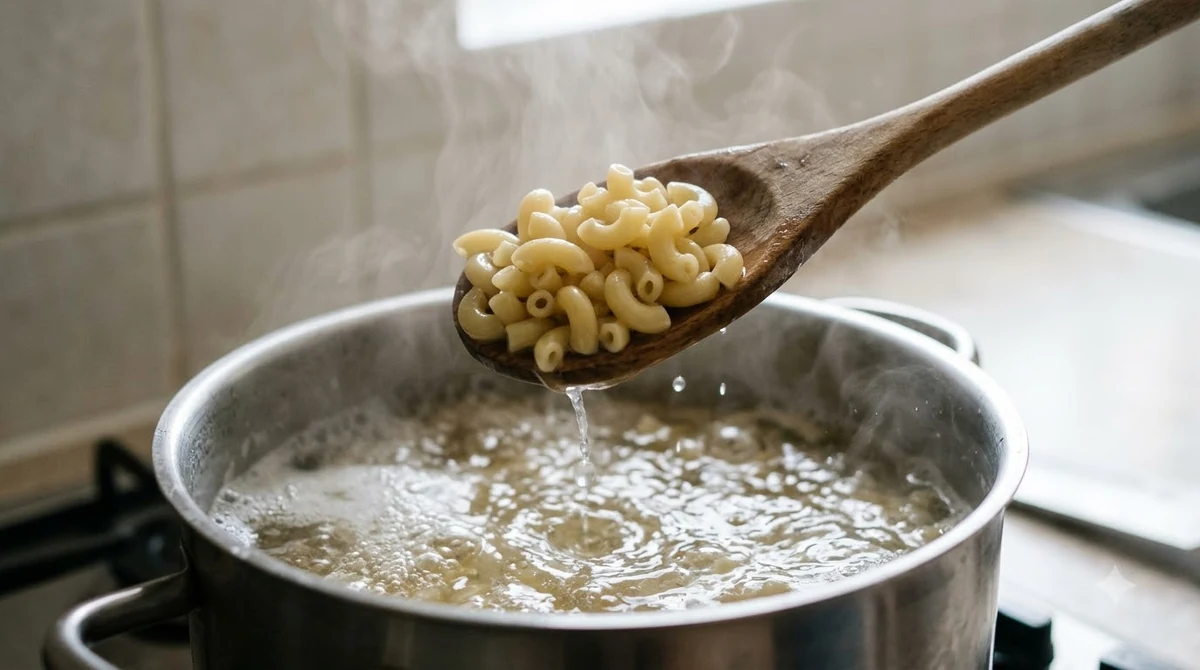
The steps below work for a single portion. Cook the pasta until it is just tender, then move through these steps while the pasta is still hot and loose.
- Stir the pasta gently once it is in the water, so the strands separate.
- Slide the scoop under a small bundle at the side of the pot, not the middle. This works on any long shape, from spaghetti to linguine.
- Turn the spoon slowly so the strands wind onto the tines.
- Lift and hold the spoon over the pot until the water drains through the holes.
- Move the portion onto the plate, then add sauce so the strands stay coated.
Keep a cup of the cooking water within reach while you serve. A spoonful loosens strands that have cooled and clumped on the tines, and it helps the sauce cling to the portion once it lands on the plate.
If you are draining a full pot at once, a colander is the faster tool. A spaghetti spoon is better for portioning, so many cooks use both: the colander for the whole batch and the spoon for each plate. If you cook long pasta in a tall stockpot, check the size guidance in the pasta pot guide.
Common spaghetti spoon mistakes to avoid
The most common mistake is lifting too much pasta at once, which makes strands slip off the tines and fall back into the water.
Most of the problems come from a few habits that are easy to fix:
- Taking a large bundle instead of a portion, which spills and drips.
- Using the spoon on short shapes such as penne, since it is built for long strands.
- Leaving pasta in the scoop while you talk, so it cools and clumps.
- Expecting every spoon to give the same portion, because hole and head sizes differ by model.
A spaghetti spoon is also a poor choice for stirring a hot pot for a long time. Its perforated scoop is designed for lifting and draining, so use a wooden spoon or spatula for stirring.
How to clean and care for a spaghetti spoon
Wash a spaghetti spoon soon after use, and check the product label for dishwasher and heat guidance, because material and finish decide how it handles both.
Sauce and starch collect between the tines and around the holes, so a brush or a small sponge helps more than a quick rinse. Dry the spoon completely before you store it, which reduces water spots on metal and keeps wooden handles from staying damp.
Dishwasher safety varies by material and maker, so read the listing for your model before you put it in the machine.
Frequently Asked Questions
Is a spaghetti spoon the same as a pasta fork?
Often, yes. Wikipedia lists pasta fork, pasta ladle, pasta spoon and spaghetti server as other names for the same kind of utensil. The product description is the best check, because some pasta forks have tines only and no scoop.
Can I use tongs instead of a spaghetti spoon?
Yes, tongs work for many portions. America’s Test Kitchen found that grip depends on the head shape, so scalloped heads are the safer choice for slippery pasta than flat, broad heads.
Does a spaghetti spoon work for short pasta?
It is designed for long pasta, so short shapes such as penne or fusilli are harder to hold on the tines. A slotted spoon or a colander usually handles short shapes better.
Do the holes control portion size?
Not reliably. Hole size and spacing vary by model, and this guide did not find a source that confirms the holes set a consistent portion, so treat the holes as a drainage feature and judge portions by eye.
Is a spaghetti spoon worth buying?
It is worth buying if you cook long pasta often and want to twirl and drain portions with one tool. If you already own tongs with a scalloped grip, you may not need a separate spoon for everyday meals.
Start with the pasta you cook most. If it is long, choose a spoon with a stem that suits your pot and tines you can see clearly. If you mostly cook short shapes, a colander or slotted spoon will serve you better, and tongs with a scalloped grip cover the rest.
 8 min readGear & PantryHow to Use a Spaghetti Spoon: Step-by-Step GuideUpdated Nov 11, 2026
 8 min readGear & PantryBest Spaghetti Brand: Top Picks and How to ChooseUpdated Nov 17, 2026
 8 min readGear & PantryBest Pasta Measuring Tools for Spaghetti PortionsUpdated Nov 17, 2026
 7 min readGear & PantryBest Pasta Chitarra for Making Spaghetti at Home in 2026Updated Nov 10, 2026
 8 min readGear & PantryGnocchi Board: How to Choose and Use OneUpdated Nov 16, 2026
 8 min readGear & PantryPizza Turning Peel: How It Works and How to Choose OneUpdated Nov 16, 2026