
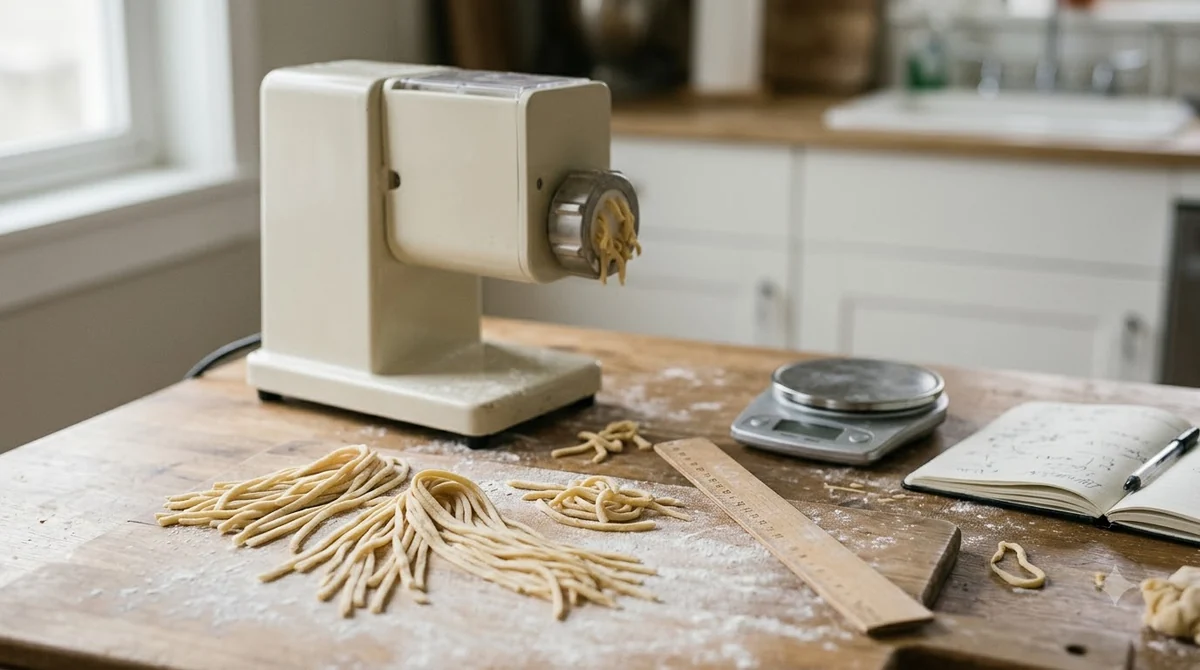

A pasta board is a flat work surface for mixing, kneading, rolling and shaping fresh pasta dough by hand. It gives you room to make a flour well, work the dough into a ball and roll it into sheets, and it can also be used for shaping gnocchi and ravioli. When you compare the best pasta board options, focus on size, the wood or material it is made from, the edge design and how easy it is to clean and oil.
What a Pasta Board Is and What It Does
A pasta board is simply a flat surface you can dedicate to dough. Traditional fresh pasta is made by mounding flour on a flat surface and making a well in the pile, then pouring eggs into the well and mixing them in, usually with a fork. A board gives you that flat surface with enough room to knead, roll and cut without the dough spreading across the whole counter.
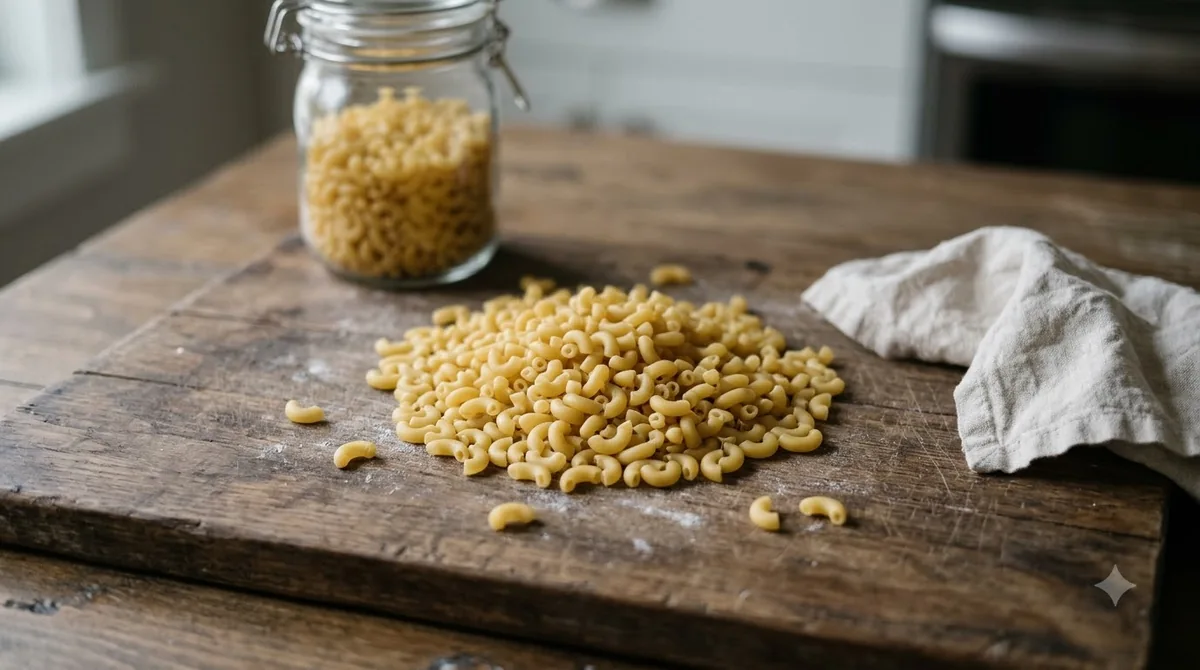
Most home cooks use a board for three main jobs: forming the dough, rolling it into sheets and cutting or shaping the finished strands. Some boards also have a raised edge or lip, which keeps flour and dough from sliding off the side while you work.
Wood, Plastic or Marble: How the Materials Compare
The material decides how the board feels under your hands, how it handles moisture, and how much care it needs. Wood is the most traditional choice for a pasta board, while plastic and stone are easier to wash but have other trade-offs. A board is only half of the setup, so read about working with a pasta rolling pin next.
Wood
Tight-grained hardwoods with small pores are the best choice for a wooden pasta board. Birch, maple, cherry, walnut and teak are commonly recommended. Avoid red oak for a board that handles food, because its large pores can trap dirt even after washing. A wooden board should never go in the dishwasher or be left soaking.
Plastic
A non-porous plastic board, such as one made from HDPE, is easy to sanitize and tolerates harsh disinfectants. It is a practical choice if you want a board that goes in the sink. The downside is that it does not give the same grip on dough as wood, and hot water can warp some plastic boards.
Marble, Glass and Steel
Marble, glass and steel surfaces are easy to clean and stay cool, which some bakers prefer for rolling. They can feel slippery and are harder on the edge of a knife or bench scraper, and they are less forgiving if you drop something on them.
Size and Shape to Look for in a Pasta Board
Choose a board that gives you enough room for one batch of dough with space to roll the sheet. A board that is too small makes it hard to keep the dough flat, while a very large one may not fit your counter or your storage. Many cooks keep one of these nearby, and bench scrapers for lifting and cutting dough explains why.
| Feature | What to look for | Why it matters |
|---|---|---|
| Size | Room for a full batch of dough and a rolled sheet | Prevents the dough from hanging over the edge |
| Wood | Tight grain, small pores | Less dirt trapped in the surface |
| Edge | Raised lip or a flat, even surface | Keeps flour on the board during kneading |
| Storage | Flat, dry place away from the sink | Stops wood from staying damp and warping |
Measure the counter space you have before you buy. A board that fits the space and lets you roll without crowding is more useful than a larger one you rarely use.
How to Use a Pasta Board Step by Step
Using a pasta board is mostly about working with flour and patience. The usual method is to make a well in the flour, mix in the eggs and knead until the dough is smooth. For the other gear that works alongside a board, see pasta-making tools worth owning.
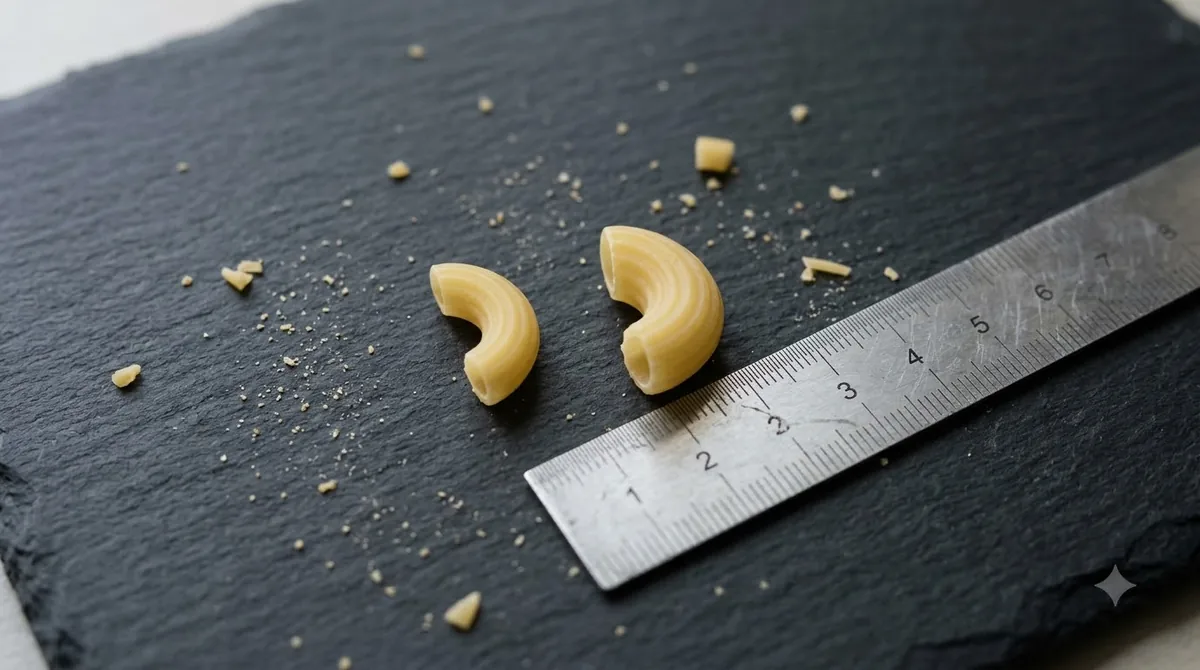
- Mound the flour on the board and make a well in the center.
- Pour the eggs into the well and mix them in gradually with a fork, then with your hands.
- Knead the dough into a smooth ball, adding a little flour only when it is too sticky.
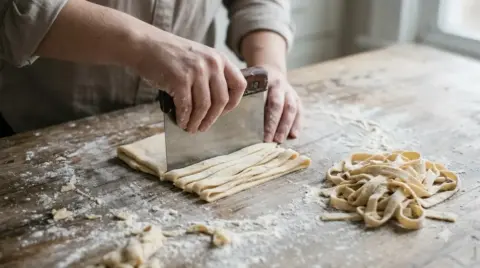
- Rest the dough, then roll it into a thin sheet across the board.
- Fold the sheet and cut it into strands or shapes with a knife or cutter.
Dust the board lightly between steps so the dough does not stick. Fresh pasta is more tender than dried, and it cooks in about half the time, so the board is mainly a tool for the fresh side of your cooking. The pasta article describes the same method of mounding flour, kneading, rolling and cutting.
Care, Cleaning and Oiling a Wooden Board
A wooden pasta board needs regular oiling and gentle cleaning to stay in good shape. Dry-clean it after each use and wash it by hand only when needed.
Cleaning
Scrape off dough and flour with a bench scraper, then wipe with a damp cloth. Wash with warm water and a little soap if it is sticky, and dry it right away. Do not put the board in the dishwasher or leave it soaking in the sink.
Oiling
Oil a wooden board about five to seven times a year, or whenever it looks dry. Use a light food-grade mineral oil. Avoid edible vegetable or olive oils, which can go rancid and leave a sticky, unpleasant finish.
Hygiene and When to Replace a Board
A pasta board handles raw egg and flour, so hygiene matters. Wash and sanitize the board after each use, and keep separate boards for raw meat and for dough if you cook both.
Resurface a deeply scored wooden board if you can. Replace a board that is badly worn or has grooves that are hard to clean, since bacteria and dirt can collect in them. Plastic boards are usually easier to replace than to resurface.
Frequently Asked Questions
What is the best pasta board material?
A tight-grained hardwood such as maple or birch is a common choice for a wooden pasta board, because it has small pores and holds up to regular oiling. Plastic is the easiest to wash, while marble and glass stay cool but can be slippery.
How big should a pasta board be?
Choose a board with room for one batch of dough and a rolled sheet. Check your counter space and your storage before you buy, and avoid a board so big that it is hard to move.
Can I put a wooden pasta board in the dishwasher?
No. Wooden boards should never go in the dishwasher or be soaked for long periods, because heat and water can warp the wood and open the grain.
What oil should I use on a pasta board?
Use a light food-grade mineral oil. Edible vegetable and olive oils tend to go rancid, so they are not a good choice for keeping the board in shape.
A good pasta board is one that fits your counter, holds up to dough, and is easy to keep clean. Choose a tight-grained wood or a practical plastic, oil it on a regular schedule, and keep it dry between uses. With the right board, making fresh pasta at home becomes much easier.
 8 min readGear & PantryGnocchi Board: How to Choose and Use OneUpdated Nov 16, 2026
 8 min readGear & PantryPizza Steel: How to Choose, Preheat and Care for One at HomeUpdated Nov 16, 2026
 8 min readGear & PantryPasta Fork: How to Choose and Use One for Long PastaUpdated Nov 15, 2026
 9 min readGear & PantryPasta Drying Tray: How to Choose and Use OneUpdated Nov 17, 2026
 9 min readGear & PantryPasta Drying Rack: How to Choose and Use One at HomeUpdated Nov 16, 2026
 8 min readGear & PantryBest Garganelli Boards for Homemade PastaUpdated Nov 10, 2026