
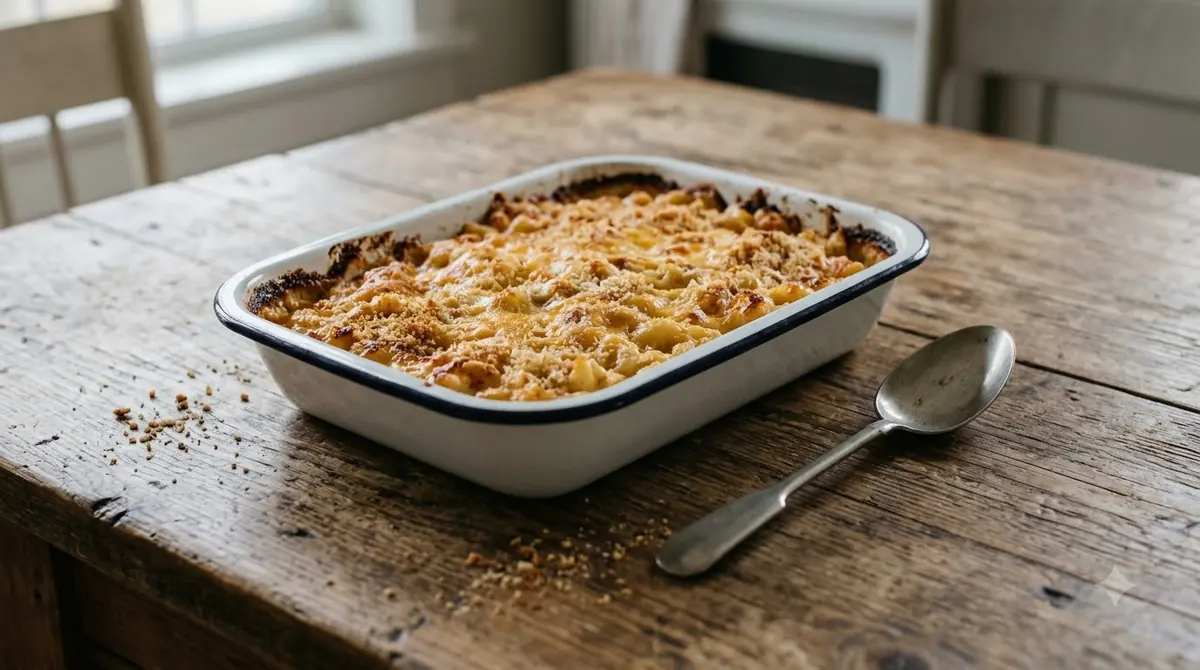

A lasagna pan is a rectangular baking dish, most often 9 by 13 inches, built to hold several layers of pasta, sauce and cheese. Most size guides suggest a depth of about 3 inches, which is enough room for the traditional three layers.
The right lasagna pan depends on your oven, your sauce and how you cook. Glass, ceramic, metal and nonstick coatings each handle heat differently, so the material matters as much as the size.

Pyrex Deep (9x13") Glass Baking Dish with Lid
Pros & ConsViewHide
Reasons to buy
- Deep 9x13-inch glass dish with a lid, per the listing
- Oven, freezer and microwave safe, per the listing
- 4.7 average from about 9.3K Amazon ratings
Reasons to avoid
- Glass is heavy and can break if it hits a thermal shock
- Lid is plastic, so it is for storage, not for the oven

DOWAN 9x13-inch Deep Casserole Baking Dish
Pros & ConsViewHide
Reasons to buy
- Deep 9x13-inch ceramic dish with a 135 oz capacity, per the listing
- Side handles make it easier to lift a full pan
- 4.7 average from about 4.3K Amazon ratings
Reasons to avoid
- Ceramic is heavy when full
- Can chip if knocked against other dishes

Lasagna Pan Deep, Baking Pan for Oven
Pros & ConsViewHide
Reasons to buy
- 16x12x3-inch pan is large enough for a big tray of lasagna
- Nonstick coating and handles, per the listing
- Metal heats faster than glass or ceramic
Reasons to avoid
- Very few Amazon ratings have been collected, so reviews are thin
- Nonstick coating needs plastic or silicone tools to protect it

Chicago Metallic Lasagna Trio Pan
Pros & ConsViewHide
Reasons to buy
- Three channels each fit standard lasagna noodles, per the listing
- Nonstick carbon steel bakes three varieties at once
- 4.7 average Amazon rating
Reasons to avoid
- Not a classic single-pan layer lasagna
- Smaller servings per channel than a 9x13 pan
What a Lasagna Pan Is For
Lasagna is pasta sheets layered with fillings and usually baked in an oven, so the pan has to hold several layers level.
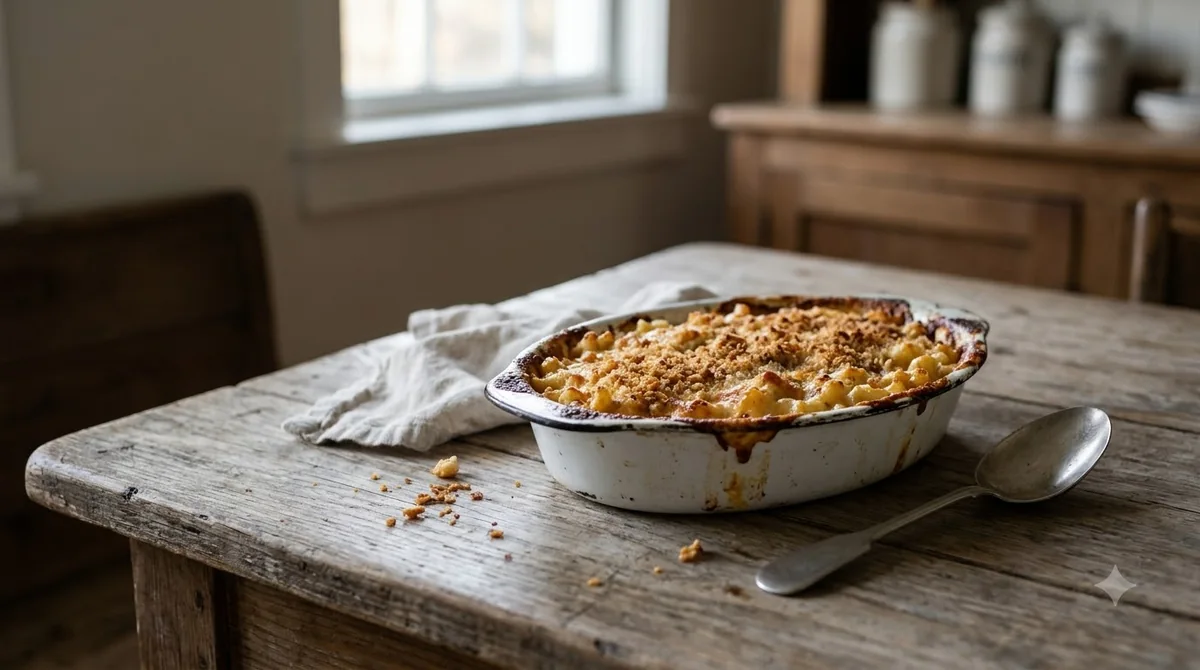
According to the lasagne article on Wikipedia, the dish is a casserole of pasta sheets alternating with fillings, which can include meat, dairy, vegetables and sauces. Cooked pasta, boiled in a large pasta pot, is layered with these fillings, topped with grated cheese and then baked.
Regional versions differ a lot. Bologna’s version uses ragù, béchamel and Parmesan, while Naples’ version adds sausage, meatballs, hard-boiled eggs, ricotta and mozzarella. Each one still builds up in layers, so a dish that is too shallow makes assembly harder.
Because lasagna sheets are long and flat, a rectangular lasagna pan is the usual choice. A round dish can work for small batches, but it fits the noodles less neatly. If you make your own sheets, see how to roll lasagna sheets with a KitchenAid pasta roller or a Marcato Atlas 150 for lasagna.
Standard Lasagna Pan Sizes and Depth
The most cited lasagna pan size is 9 by 13 inches, and one size guide recommends a depth of about 3 inches.
A size guide from a cookware retailer lists 9 by 13 inches as the standard size. It calls a 3-inch depth ideal, because a shallower pan makes it hard to fit three neat layers of noodles.
Deeper lasagna pans still work, but thick lasagna takes longer to cook through and the top can burn. The same guide says extra-deep dishes can be 4, 5 or more than 6 inches deep, so match the depth to the number of layers you plan to make.
| Pan type | Example listed | Size (L x W x D, in) | Good for |
|---|---|---|---|
| Mini | Teamfar Mini | 9.3 x 7 x 2 | Single portions or a side dish |
| Standard | Standard size in the guide | 13 x 9 x 3 | A family-size lasagna with three layers |
| Large | CasaWare ceramic-coated nonstick | 15 x 10 x 3 | Bigger batches and gatherings |
| Extra-deep | Fat Daddio’s sheet cake pan | 13 x 9 x 4 | Thicker layers, with a longer bake |
| Long hotel-style | Morphon Hotel Pan | 20.8 x 13 x 3.7 | Large crowds, when you need extra length |
These dimensions come from one retailer guide and are listed as stated, not measured here. Check the product page of the pan you buy before you plan a recipe around its size.
Glass, Ceramic, Metal and Silicone Compared
Each material heats differently, and glass bakeware in particular depends on the type of glass it is made from.
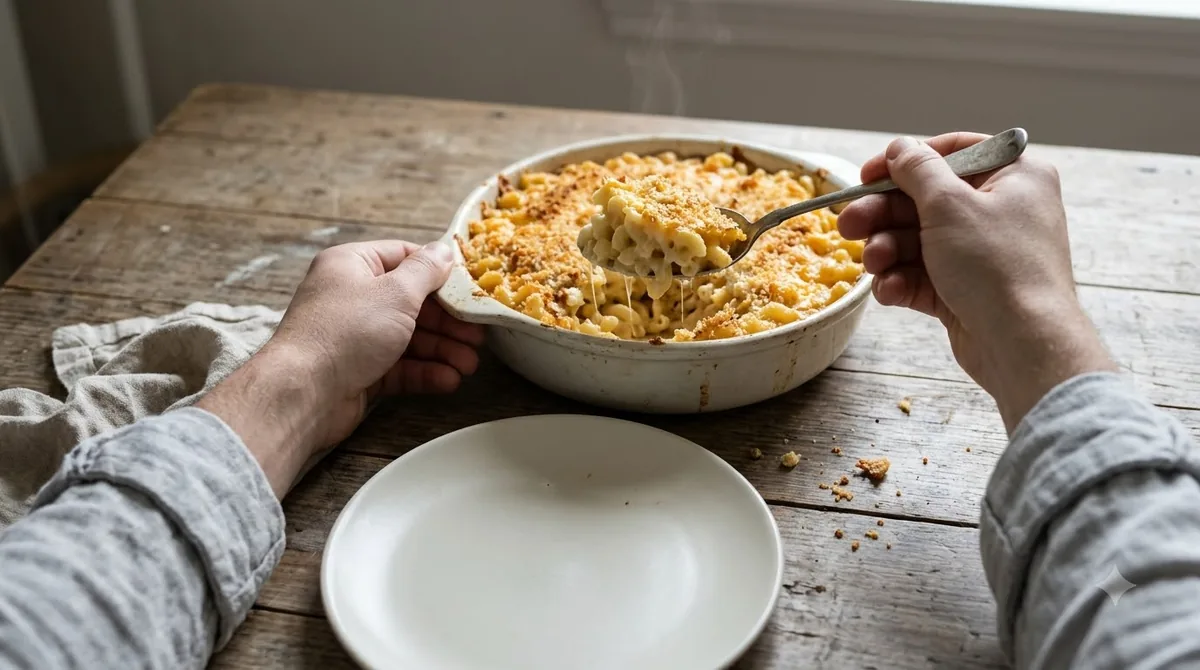
Glass bakeware is either borosilicate or soda-lime glass. The Pyrex article on Wikipedia says borosilicate has about three times the thermal shock resistance of soda-lime, which makes it less likely to crack when it moves between temperature extremes. Older U.S. Pyrex could be either type, so check the label before you assume.
The same article notes that the 13 by 9 by 2 inch pan was never made in soda-lime glass. Glass can still break from heat stress when it is used against the maker’s instructions, so avoid sudden temperature changes.
| Material | Heat behavior | Main caution |
|---|---|---|
| Borosilicate glass | Higher thermal shock resistance | Oven-safe, not stovetop-safe |
| Soda-lime glass | Lower thermal shock resistance | Avoid sudden temperature changes |
| Uncoated aluminum | Conducts heat well | Can react with acidic sauce |
| Aluminized steel with silicone coating | Metal base with a nonstick surface | Check the coating’s rated limit |
| Ceramic | Heats slowly, with fairly even heat | Easily broken |
| Silicone | Flexible, rated for sustained 220 C (428 F) | Soft, so a full hot pan is harder to lift |
Aluminum conducts heat well, which helps the heat spread evenly across the dish. Uncoated aluminum can react with acidic foods and change their taste, so a plain aluminum pan is a weaker choice for a long-simmered tomato sauce unless the surface is anodized or coated.
Stainless steel conducts heat poorly on its own, which is why good pans usually bond it over a layer of aluminum or copper. Ceramic is non-reactive and heats fairly evenly, but it breaks easily. Silicone is flexible and nonstick, though the size guide describes it as soft and unstable.
Nonstick Coatings and Heat Limits
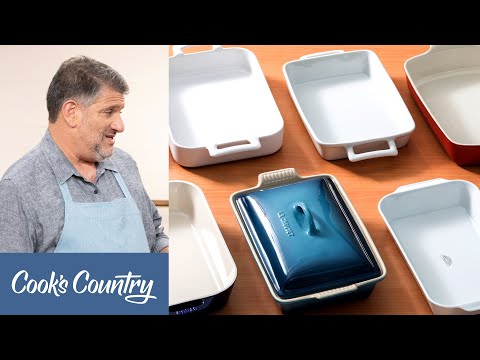
PTFE nonstick coatings begin to break down above about 260 C (500 F), while ceramic nonstick coatings tolerate about 370 C (700 F).
PTFE is a synthetic fluoropolymer, and Teflon is its best-known brand name. The non-stick surface article on Wikipedia explains that a PTFE coating loses its nonstick properties once the pan is overheated past that point.
The same source lists a few habits that protect the coating:
- Use plastic, silicone or wooden utensils, because harder tools can scratch the coating.
- Keep the oven temperature below the coating’s rated limit, not just below the general 260 C figure.
- Replace a pan when the coating wears through, since worn areas stop releasing food well.
Older nonstick pans used PFOA during manufacturing, and that chemical is now being phased out. The article notes that its replacement, GenX, may pose similar health concerns, so read the label on any nonstick pan you consider.
The USA Pan website describes its products as aluminized steel with a silicone nonstick coating, not PTFE. Do not assume the PTFE figure applies to that product, and confirm its rated temperature on the listing.
How to Use a Lasagna Pan Well
Build the layers evenly and keep them inside the pan walls, because thick lasagna takes longer to cook through and its top can burn.
For a full recipe, see how to make lasagna. A simple sequence keeps the dish even from the first layer to the last:
- Choose the depth of your lasagna pan first. Plan for at least three layers of noodles, the traditional count.
- Spread a thin layer of sauce on the base so the first noodles do not stick.
- Keep each layer inside the walls. Overfilling makes spills and uneven cooking more likely.
- Cover the dish with foil for part of the bake, then uncover it to brown the top.
- Let the dish rest before cutting so the layers hold their shape.
Because lasagne is baked in an oven, the pan must be rated for oven use. Check the maker’s label before you bake, especially for coated and glass pans, and keep heat resistant gloves nearby because a full pan is heavy and hot.
What We Could Not Confirm and How to Check
Several product details were not confirmed in this research, including oven and broiler ratings for specific lasagna pans and the weight of each pan.
This article relies on general material sources and one retailer size guide. Treat the dimension examples as listed by that guide, not as checked measurements.
- Maximum oven and broiler ratings for each brand. Check the lasagna pan’s product label or the manufacturer’s page.
- Where a specific pan is made. The USA Pan page does not state a country of manufacture.
- Exact dimensions of any pan in a size table. Compare them with the product listing before you buy.
- Lid and handle details. Confirm them on the listing or in the manual.
The manual or product page for the exact model is the best place to confirm these details.
Buying Checklist for a Lasagna Pan
A good lasagna pan fits your oven, holds at least three layers, and uses a material that suits your sauce and heat source.
- Size: 9 by 13 inches is the most common default for a family lasagna.
- Depth: about 3 inches for a traditional three-layer lasagna.
- Material: glass or ceramic for oven baking, and metal for even heat if the surface is anodized or coated.
- Coating: check the rated maximum temperature for that specific coating.
- Care: hand wash gently and replace the pan if the nonstick surface is scratched through.
Compare two or three options for a lasagna pan against this list, then read the product label before you buy.
Frequently Asked Questions
Is a 9 by 13 pan the standard lasagna pan?
Yes, 9 by 13 inches is the size most size guides list as standard. It suits most family-size recipes, and a depth of about 3 inches gives room for three layers of noodles and filling.
Can I use a lasagna pan for other dishes?
Yes. A rectangular baking dish of this size suits casseroles and other baked pasta dishes. Check the material and coating limits before using it for anything with high heat or highly acidic ingredients.
Is glass or metal better for lasagna?
Neither is better in every case. Glass is non-reactive and oven-safe, but its thermal shock resistance depends on the glass type. Metal conducts heat well, but uncoated aluminum can react with acidic sauce.
Can a nonstick lasagna pan go on high heat?
Keep PTFE-coated pans below about 260 C (500 F), the point where the coating begins to break down. Ceramic nonstick coatings tolerate about 370 C (700 F). Check the label of your exact pan, because the rating varies by product.
Why does my lasagna cook unevenly?
Thick layers take longer to cook through, and the top can burn before the center is hot. Keep the layers even, use a lasagna pan about 3 inches deep, and cover it with foil for part of the bake.
What if my lasagna pan is too shallow?
A shallow pan makes it hard to fit three neat layers, so the lasagna can spill or come out uneven. Use a deeper lasagna pan, or make a smaller recipe that fits the depth you have.
If you cook for a family, start with a 9 by 13 inch lasagna pan about 3 inches deep. Then choose the material by how you cook: glass for oven-only baking, metal for even heat, and a coating rated for your oven temperature. Read the label before you buy, because exact ratings vary by model.
 9 min readGear & PantryBest Pizza Peel for Ooni Karu 12: How to Choose the Right Size and MaterialUpdated Nov 10, 2026
 8 min readGear & PantryPasta Bowl Set Guide: Size, Material and CareUpdated Nov 8, 2026
 7 min readGear & PantryPizza Oven Door: Types, Sizes and Materials for 2026Updated Nov 17, 2026
 9 min readGear & PantryPasta Pot Buying Guide: How to Choose the Right Size and InsertUpdated Nov 16, 2026
 9 min readGear & PantryBest Pizza Peel for Gozney Tread: How to Choose the Right Size and TypeUpdated Nov 11, 2026
 9 min readGear & PantryBest Cast Iron Skillet for Pizza: How to Choose the Right SizeUpdated Nov 13, 2026