
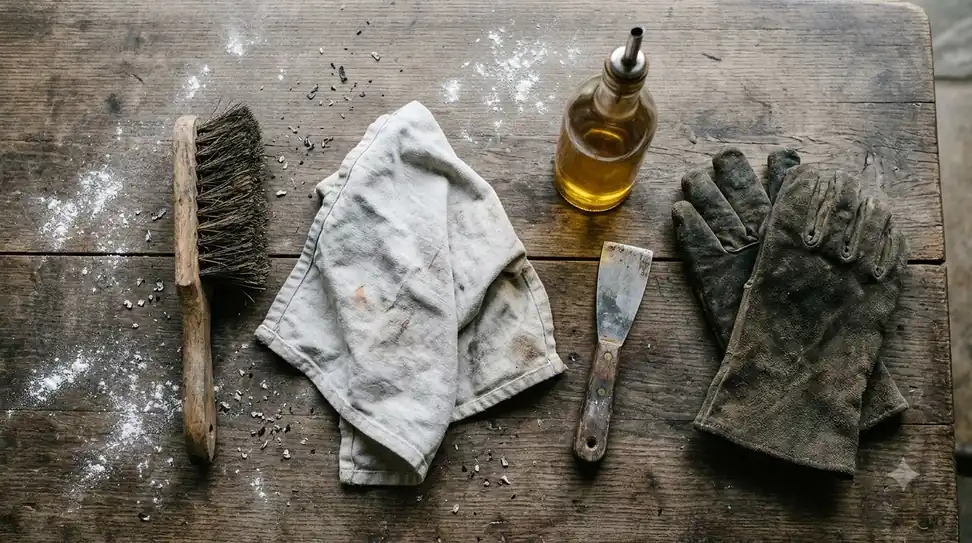

A pizza oven brush is a long-handled tool that sweeps loose flour, ash and food debris off the cooking floor of a pizza oven. Bristle material, head width and handle length decide how well it works on your particular oven. Choosing well saves time after each bake and keeps the floor in better condition.
Bristle material is the main choice because it decides how the brush handles burnt flour and ash. This guide explains four bristle types, then gives a short checklist before you buy.
The product box below shows one two-in-one option sold on Amazon, the Ooni Wire Brush & Scraper, which is listed for pizza stone and grill cleaning. This guide has not tested it, so check its bristle material and head width against the points that follow.

Pros & ConsViewHide
Reasons to buy
- Wire brush with scraper for pizza stones and grills
- 70% of ratings are 5-star
- Short handle for tight spots
Reasons to avoid
- Short handle puts your hand close to the stone
- Only 18 Amazon ratings so far
What a pizza oven brush does and why the floor needs it
A pizza oven brush clears loose flour, ash and food scraps from the oven floor so the next pizza bakes on a clean surface.
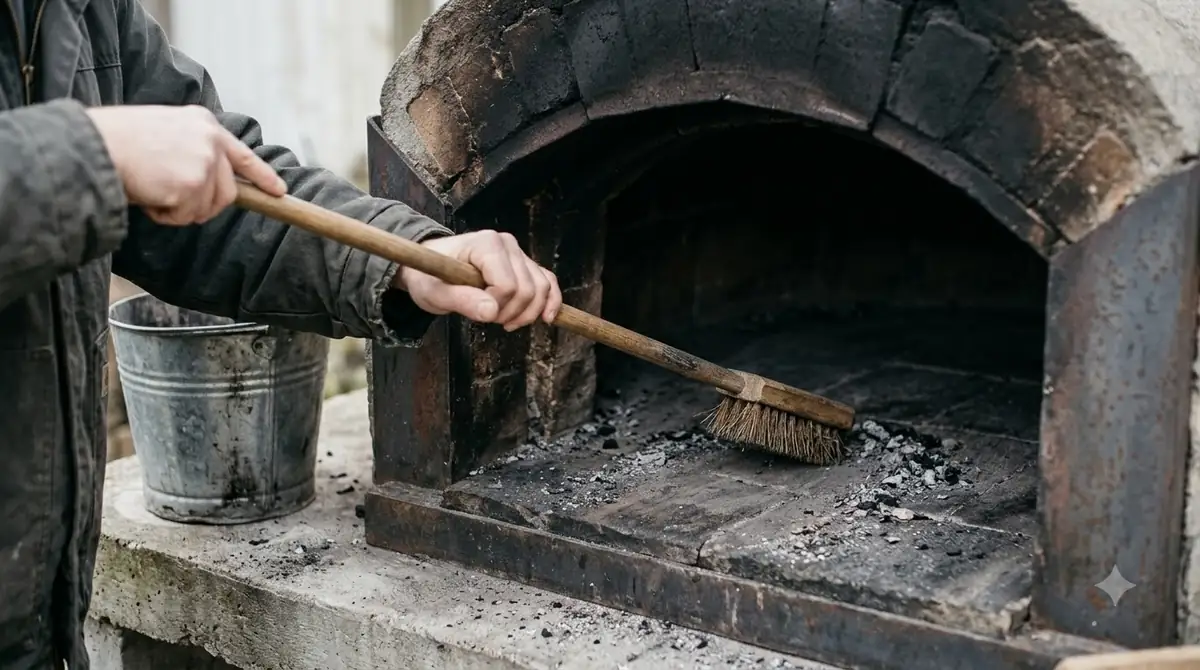
Wood-fired ovens are generally built on a base of tuff and fire brick, with a circular cooking floor under a dome designed to minimize heat loss, as the Wikipedia entry on pizza ovens explains. That floor is the surface the brush works on, so it is where loose debris collects after each bake.
Loose flour is the most common residue. Left on a hot floor, it darkens and can leave black specks on the base of the next pizza. Brushing it away with a pizza oven brush between bakes is a simple habit that keeps the floor cleaner for longer.
Gas, electric and hybrid ovens also collect residue, although the amount and the cleaning method differ. The brush is a routine tool for any pizza oven that bakes on a floor or stone, not only for wood-fired models.
Compare the four bristle types
Stiff metal bristles and soft natural fiber do different jobs, so match the bristle to the residue you clean most often.
| Bristle | Best for | Trade-off |
|---|---|---|
| Brass or copper | Burnt flour and baked-on crust | Softer than steel, so check the product spec for stone floors |
| Stainless steel | Stuck food and heavy buildup | Can shed wire when worn, so inspect it often |
| Natural plant fiber | Fine ash and light dusting | Less scrubbing power and flattens with use |
| Synthetic | Routine cleaning in a hot oven | Heat ratings differ by product, so confirm the maximum temperature |
Bristle density matters too. Denser bristles touch more of the surface in each stroke, which generally helps with fine ash. This is general brush design logic, not a measured result.
Many sellers say brass or copper bristles clean burnt flour without the abrasion of steel. That is seller advice rather than a tested result, so confirm the material in the product spec before you buy.
Brass and copper bristles
Sellers commonly recommend brass and copper bristles for burnt flour on stone surfaces, which is seller advice rather than a tested result. A pizza oven brush with these bristles may suit a stone floor where you want firm scrubbing without a steel finish, so it is a reasonable starting point if your main problem is dark, baked-on flour.
Natural fiber bristles
Natural plant fiber is usually described as the gentler option for ash and light dust, again as seller guidance rather than a test. The bristles flatten with use, so a pizza oven brush made from natural fiber loses reach over time. Check the bristle shape before each session and replace a brush that no longer sweeps cleanly.
Head width, handle length and the scraper edge
Pick a head width that covers most of the oven floor you can reach, and a handle long enough to keep your hand away from the opening.
- Head width: a wider head covers more floor per pass, but it must still fit through the oven door.
- Handle length: a longer handle keeps your hand farther from the heat, so compare it with your oven opening before you buy.
- Scraper edge: a scraper lifts dough, cheese or food that has set on the floor, which a brush alone may not move.
- Two-in-one design: some models place a brush on one end and a scraper on the other, which saves a second tool.
A brush and a scraper do different jobs. Use the brush for loose debris between pizzas, and use the scraper for food that has set on the floor after the oven has cooled. For the scraper side of the job, see our guide to using a bench scraper.
How to clean the oven floor between pizzas and after cooking
Brush the floor between pizzas to clear loose flour, and scrape stuck food only once the oven has cooled completely.
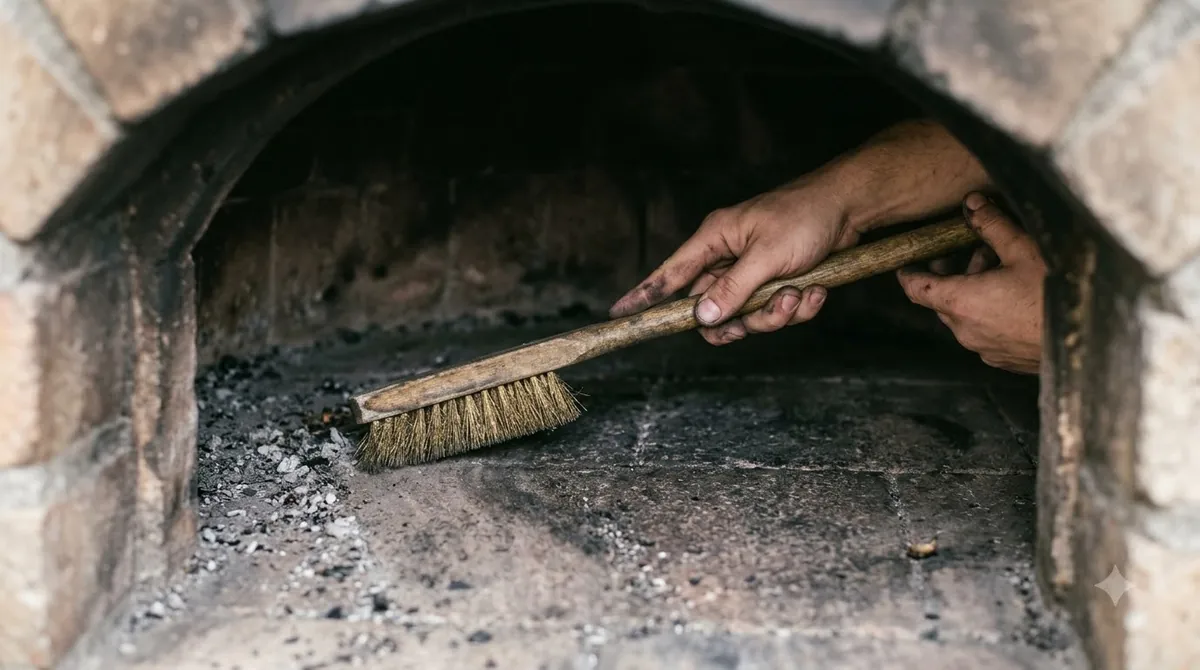
A simple routine works for most home ovens. Follow the steps below and adjust them to the cleaning steps in your oven maker’s guide.
- Let the oven cool completely before you clean the floor, since a hot floor can burn your hand and the brush.
- Sweep the floor with short, dry strokes to move loose flour and ash toward the door.
- Turn the tool over and use the scraper edge on any food that has set on the surface.
- Clear the debris with a dustpan or a second dry brush, and keep it away from food prep areas.
- Inspect the bristles and replace any brush that sheds or has worn down.
Routine brushing with a pizza oven brush between pizzas keeps flour from building up. One reviewer reported that brushing between each pizza left less burnt flour behind, but that is a user report, not a controlled test.
Dry tools are the usual choice for routine cleaning, and the same pizza oven brush can handle most daily debris. Avoid soap and chemicals on the cooking floor unless the oven maker’s guide says otherwise.
If black residue does not lift with a dry pass, let the oven cool fully and check your oven maker’s cleaning guide before you try a different tool. Forcing a worn tool into stuck residue can scratch the floor or leave bristles behind. Model-specific routines are covered in our guides to cleaning an Ooni Karu 12, cleaning an Ooni Koda 12 and Gozney Dome cleaning.
Common mistakes with pizza oven brushes
The most common mistakes are cleaning a hot floor, pouring water into the oven and using a worn brush that sheds bristles onto the cooking surface.
- Brushing a hot floor, which puts your hand close to the opening and the heat, so keep heat resistant gloves for pizza ovens within reach.
- Pouring water into a hot oven, which oven makers generally advise against, so check your manual.
- Using a worn pizza oven brush with loose wire or bristles that can end up in the next pizza.
- Brushing while the oven is cooking, when the brush and your hand are both near the flame.
- Choosing by head width alone and ignoring the handle length for your oven opening.
Before each session, look for loose wires, cracked handles and flattened bristles. A worn tool cleans less and is more likely to drop debris into the oven.
Keep the pizza oven brush separate from the tools you use for food prep. That simple habit reduces the chance that residue ends up on a dough board or a cutting surface. If you would rather buy a matched kit than single pieces, our guide to the best pizza oven tool sets compares what each set includes.
Check these points before you buy a pizza oven brush
Before you buy a pizza oven brush, check the bristle material, head width, handle length and whether the brush includes a scraper.
- Bristle material listed in the product spec, with the maximum heat rating if one is given.
- Head width compared with the floor and the door size of your oven.
- Handle length compared with the depth of your oven opening.
- A scraper edge if you often clean food that sets on the floor.
- Cleaning instructions from the oven maker that match your floor type.
This guide could not confirm model-specific details such as exact heat ratings or insertion steps for every brush. The owner manual or the manufacturer’s support page for your oven gives the model-specific answer, so check those before you rely on a general rule.
Frequently Asked Questions
Can I use a pizza oven brush on a stone floor?
It depends on the bristle material and the floor you own. Check the product spec and your oven maker’s guide before you use stiff metal bristles on stone, and choose a softer bristle if the maker advises it.
Is a brass brush better than steel?
Neither is better for every job. Brass and copper are often described as gentler on stone, while steel suits heavy buildup. Pick the pizza oven brush bristle that matches the residue you clean most often.
How often should I brush the floor?
Brush between pizzas when loose flour starts to burn, and do a fuller clean once the oven has cooled. The reduction in buildup is reported by users, not measured in a test.
Can I use water to clean the oven floor?
Avoid pouring water into a hot oven. Wait until it is fully cool and follow the manufacturer’s cleaning steps for your model.
Does a pizza oven brush replace a scraper?
Not always. A brush clears loose debris, while a scraper lifts stuck food. Many two-in-one designs include both, so check the product before you buy.
Choose the bristle by the residue you clean most often, check the oven maker’s guidance, and wait until the oven is cool before you brush the floor. A well-matched pizza oven brush is more useful than the most expensive one on the shelf.
 9 min readGear & PantryBest Pizza Peel for Ooni Koda 16: 4 Types ComparedUpdated Nov 17, 2026
 8 min readGear & PantryBest Pizza Peel for Ooni Koda 12: 4 Types ComparedUpdated Nov 17, 2026
 8 min readGear & PantryOoni Fyra 12 Pizza Peel: 4 Best Types ComparedUpdated Nov 10, 2026
 8 min readGear & PantryHow to Use a Pizza Oven Brush the Right WayUpdated Nov 11, 2026
 6 min readGear & PantryNinja Woodfire Pizza Oven Cover: 4 Fit and Size ChecksUpdated Nov 15, 2026
 9 min readGear & PantryBest Pizza Flour: How to Choose by Type, Style and OvenUpdated Nov 17, 2026