
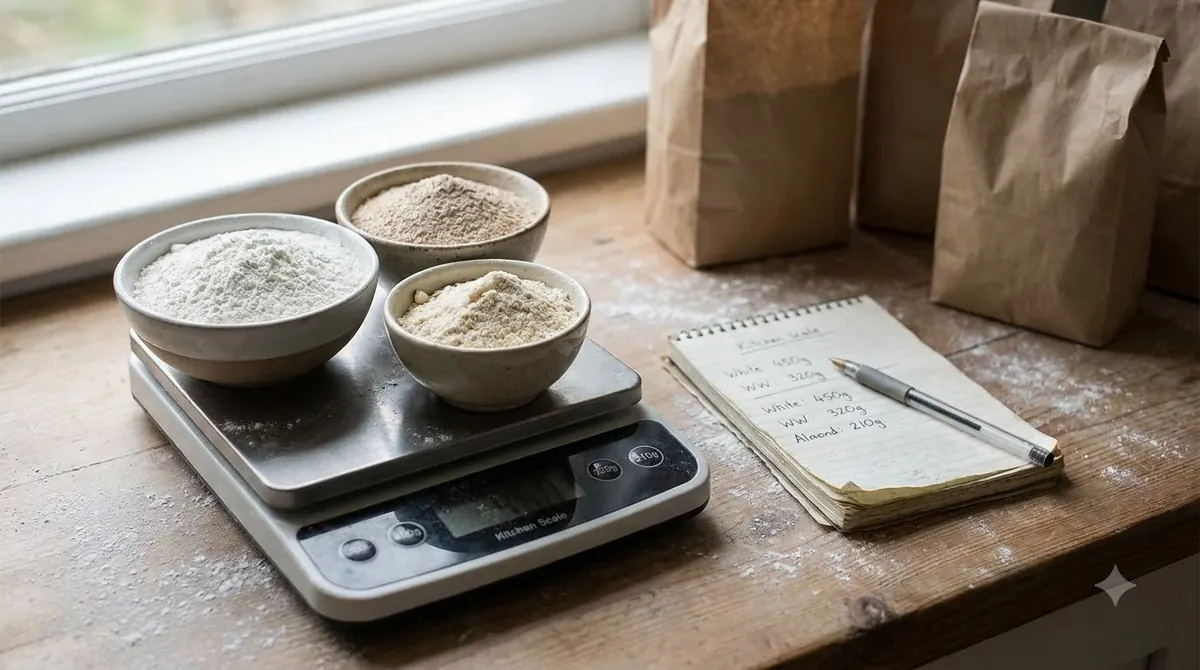

The best pizza flour depends on your style and your oven, but bread flour with 12 percent or more protein is the most reliable all-round choice for home cooks. For thin Neapolitan-style pies baked very hot, 00 flour is the traditional pick. Strong white flour and bread flour suit New York style and most home ovens better, and all-purpose flour should be a last resort.
What Makes a Flour the Best Pizza Flour
The best pizza flour is the one that builds enough gluten to hold air and stretch without tearing. Protein is the number that matters most, because it sets how much gluten the dough can form during kneading and resting.
Choosing the best pizza flour starts with the style you bake. A thin Neapolitan pie and a thick Detroit-style square ask for different dough, so the best pizza flour for one may be the wrong choice for the other. Ooni, a pizza oven maker, describes bread flour as typically 12 to 14 percent protein, which provides the gluten strength for chewy crusts and suits thin, crispy New York-style or thick Detroit-style pizza.
Bread flour is the simplest reference point. America’s Test Kitchen describes it as having a high protein level of 12 percent or above, which is why it is often used for chewy, well-risen dough. America’s Test Kitchen’s flour guide also notes that not every pizza requires bread flour, so the recipe should guide your choice. If you want a recipe built on that flour, our pizza dough with bread flour guide walks through the method.
When you compare bags, look for three things: the protein range, how long the flour is meant to proof, and whether the style it suits matches the crust you want. Protein sets the chew, proofing time sets the flavor and structure, and style sets the baking temperature you need.
- Protein: higher protein gives more chew and a sturdier crust.
- Proofing time: some flours need a day or two in the fridge to develop flavor.
- Style fit: the best flour for a 485 C wood-fired oven is not the best flour for a home oven at 260 C.

Pizza Flour Types Compared
Bread flour and strong white flour give the best balance of chew and crispness for most cooks, while 00 flour suits fast, high-heat baking. All-purpose flour is the weakest option, and cake flour is rarely used for pizza at all.
Semolina, or semola, sits in a different category. Ooni lists it at about 12 to 14 percent protein and uses it for dusting the peel and stretching the dough. It is a useful helper next to the best pizza flour, but it is rarely the main flour in the dough.
| Flour type | Protein | Proofing | Best use |
|---|---|---|---|
| Bread flour | 12 percent or above | Several hours to overnight | Chewy home-oven and New York style |
| Strong white flour | About 12 percent | About 24 hours at room temperature | Long-fermented, crisp-based pies |
| 00 flour | Sources vary: 12.5 to 14 percent (Which?), 11 to 12 percent (Ooni) | 1 to 2 days, depending on protein | Thin Neapolitan pies in very hot ovens |
| All-purpose flour | 9 to 12 percent | A few hours at most | Emergency substitute only |

Antimo Caputo Pizzeria Flour Blue, 11 Pound (5Kg)
Pros & ConsViewHide
Reasons to buy
- Made for elastic, chewy Neapolitan-style crusts
- 11 lb (5 kg) bag suits regular pizza nights
- 86% of 1.8K Amazon ratings are 5-star
Reasons to avoid
- Browns slowly in home ovens without a very hot stone or steel
- Too much flour to store if you only bake occasionally

POLSELLI Super, Type 00, Double Zero
Pros & ConsViewHide
Reasons to buy
- Labeled for Roman-style pizza, including longer-fermented doughs
- 11 lb (5 kg) bag for frequent baking
- 84% of Amazon ratings are 5-star
Reasons to avoid
- Specialized flour, less flexible than an all-purpose 00
- Around 320 ratings, fewer than the bestselling Classica

King Arthur, Organic 100% Bread Flour, Unbleached
Pros & ConsViewHide
Reasons to buy
- Listing states 12.7% protein, in the bread-flour range for chewy pizza crust
- Listing says it suits pizza dough, rolls and artisan bread
- 87% of about 8.6K Amazon ratings are 5-star
Reasons to avoid
- Organic, unbleached bread flour, not a 00 flour for very hot Neapolitan-style bakes
- 5 lb bag is smaller than the 11 lb Italian flour bags
How We Chose the Flours Listed Here
The types above were chosen by three criteria that appear across published flour guides: protein range, proofing behavior, and fit with a common pizza style. The product boxes above show a 00 pizzeria flour, a Roman-style 00 flour and an organic bread flour, one for each type in the table. Brand-level protein figures were left out of the table because the brand pages we could reach did not confirm them, so the table uses type-level ranges instead and the product listings should be checked on the bag.
Use these picks as a starting point, not a final verdict. Once you know your style and oven, the best pizza flour is the one whose protein and proofing time match your schedule. Recipe sources such as America’s Test Kitchen publish flour weights for their dough, which is the safest reference when you start a new batch. If you want a second angle on the same topic, our guide to the best flour for pizza dough looks at it from the dough side.
Which?’s pizza dough flour guide notes that 00 flour is typically around 12.5 to 14 percent protein, and recommends one to two days of proofing depending on the figure. Ooni gives a lower range for the same flour, usually around 11 to 12 percent. When sources disagree, check the protein on the bag before you plan the proofing schedule.
Best Pizza Flour by Style and Oven
Neapolitan dough calls for medium-strength flour, and the rules cited on Wikipedia set a W value of 250 to 320 with 11 to 13.5 percent protein. The same guidance allows no more than 20 percent strong flour, meaning flour with a W above 350, in the blend.
Neapolitan style and 00 flour
Neapolitan pizza is baked in a wood-fired oven at about 485 C (905 F) for 60 to 90 seconds, so the dough needs enough strength to hold shape in that short, intense bake. A full Neapolitan pizza dough recipe shows how that flour behaves at the bench. Choose a 00 flour labeled for pizza, treat it as the best pizza flour for this style only if its protein range fits your proof, and check that range before you commit to a long proof.
New York style and strong white flour
New York style needs a sturdier crust that can be folded, so bread flour or strong white flour works better than a soft all-purpose flour. Strong white flour has about 12 percent protein and benefits from a long room-temperature proof of around 24 hours.
Home oven and bread flour
A home oven rarely reaches the temperatures of a wood-fired oven, so the crust needs more structure from the flour. Bread flour is the most forgiving best pizza flour for this setup because its protein level is high enough to support a longer, cooler rise.
If you cannot give a dough a long proof, a bread flour dough with a shorter rise is a more practical choice than a 00 flour that needs one to two days. Match the best pizza flour to your schedule as well as your oven.
How to Read Flour Labels and Specs
Italian type numbers such as 00, 0 and 1 describe humidity, maximum ash, maximum cellulose and minimum gluten content, so the label sets a floor rather than an exact figure. Wikipedia’s entry on 00 flour notes that actual gluten content is often significantly above the specified minimum. Our explainer on what 00 flour is covers the grind and the type grades in more detail.
- Look for the protein figure on the nutrition panel, usually given per 100 g.
- Compare the protein number, not the brand name, when two bags have similar type numbers.
- If the protein is not printed, check the manufacturer’s spec sheet before buying.
Type numbers do not tell you the protein on their own. Two bags of 00 flour can differ in protein, so the best pizza flour for your kitchen is the one whose figure fits the proofing you can manage. Keep the bag’s protein figure next to your dough notes so you can repeat a good batch.
Common Pizza Flour Mistakes
The most common mistake is choosing a low-protein flour and then giving it a long proof, which can leave the dough slack and hard to shape. Match the proofing time to the protein level of the best pizza flour you pick, instead of using one schedule for every flour.
- Using all-purpose flour and expecting a crisp, chewy crust.
- Proofing a low-protein flour for two days, which weakens the structure.
- Skipping semolina or flour for dusting, which makes the dough stick to the peel.
- Blending wholemeal flour above 40 percent of the total, which makes the crust dense.
Frequently Asked Questions
Is bread flour the best pizza flour for home cooks?
For most home ovens, bread flour is the most reliable choice. America’s Test Kitchen lists it at 12 percent protein or above, which supports a chewy crust and a good rise. It is less traditional than 00 flour for Neapolitan pies, but it is easier to work with at normal oven temperatures. Our guide to bread flour versus all-purpose flour for pizza explains the difference in more detail.
Is 00 flour the best pizza flour?
00 flour is the best fit for thin Neapolitan-style pizza baked very hot. Sources disagree on its protein: Which? gives 12.5 to 14 percent, while Ooni gives about 11 to 12 percent. Check the bag or spec sheet, then match the proofing time to the protein you find.
What is the best pizza flour for beginners?
For a first batch, bread flour is usually the easiest best pizza flour to work with. America’s Test Kitchen puts it at 12 percent protein or above, and it fits most home-oven recipes. Follow the flour weight and proofing schedule the recipe gives, then adjust after you see how the dough handles.
Can I use all-purpose flour for pizza?
You can, in a pinch. America’s Test Kitchen notes that the resulting crust will be less crisp. All-purpose flour has about 9 to 12 percent protein, so it gives a softer, less structured dough than bread or strong white flour.
How long should pizza dough proof with strong white flour?
Which? recommends about 24 hours at room temperature for strong white flour with around 12 percent protein. Very strong flour with 14 percent or more protein needs at least two days. Adjust the time to your kitchen temperature and the recipe.
Do I need semolina for pizza?
Semolina is not required, but it is useful for dusting the peel and launching the dough. Ooni describes semola as having about 12 to 14 percent protein and uses it for pasta and rustic breads as well as pizza.
Choose the best pizza flour for your style and oven first, then check the protein before you buy. A bag labeled for pizza is a good start, but the protein figure tells you more about how the dough will behave in your kitchen.
 9 min readGear & PantryBest Flour for Pizza Dough: How to Choose by Style and OvenUpdated Nov 16, 2026
 9 min readGear & PantryBest Wood Pellets for Pizza Oven: Types and How to ChooseUpdated Nov 10, 2026
 8 min readGear & PantryDetroit Style Pizza Pan: What It Is and How to Choose OneUpdated Nov 16, 2026
 8 min readGear & PantryBest Flour for Pasta: How to Choose by Dough TypeUpdated Nov 16, 2026
 9 min readGear & PantryCharcoal for Pizza Oven: Best Types and Picks for 2026Updated Nov 10, 2026
 7 min readGear & PantryPizza Oven Door: Types, Sizes and Materials for 2026Updated Nov 17, 2026