

The cento san marzano tomatoes review question comes down to one label check: Cento sells canned tomatoes under the name “Certified San Marzano”, and that wording is not the same as the EU protected designation of origin (DOP) seal. Read the can before you decide, because the seal is the part of the label that ties the tomato to a legal growing area.
This cento san marzano tomatoes review explains what the DOP rules require, what the label can and cannot promise, and what a 2026 lawsuit alleges. Cento denies the allegations.
What Cento San Marzano tomatoes are
The cento san marzano tomatoes review starts with the can: Cento sells canned peeled tomatoes that carry the “Certified San Marzano” wording on the label. That phrase belongs to the brand and is not the EU DOP seal. Retailer listings describe the basic can as whole peeled tomatoes with tomato puree and basil, though you should confirm the ingredient list on the can you buy.
The cans are sold in mainstream grocery and online channels, so the product is easy to find, and a Cento San Marzano tomatoes review rarely turns on availability. For a cento san marzano tomatoes review, the buying question is less about availability and more about what the words on the can mean. A reader who wants authentic DOP San Marzano should look for the DOP seal rather than rely on a brand name or a “style” claim.
Cento’s own product pages were not reachable during this cento san marzano tomatoes review research, so the description above relies on retailer listings and third-party reporting. Treat the listing on the shelf as the final source for ingredients, and treat this page as a guide to reading the label rather than a statement from the brand.
This cento san marzano tomatoes review does not include a taste test. It is built from the label rules, published reporting and the retailer listings that were available, which is the information a shopper can check without opening a can.
What DOP San Marzano must meet
A genuine DOP San Marzano tomato must come from the protected area around the Sarno plain in Campania, which is described as the Agro Nocerino Sarnese region. The protected designation also controls how the tomato is packed and labeled, so the can format is part of the rule, not only the origin.
| Requirement | What to look for on the can |
|---|---|
| Growing area | Tomatoes grown in the Sarnese-Nocerino area of Campania, southern Italy |
| Can format | Peeled tomatoes that are whole or cut in half, not diced or pureed |
| Seal | The DOP seal, which may read “Protected Designation of Origin” or PDO in English |
| Look-alike wording | Phrases such as “San Marzano style” or “Italian Style” are used for tomatoes that are not from the protected area |
The consortium that represents growers says authentic tomatoes are grown exclusively in the Sarnese-Nocerino area, according to FreshPlaza’s coverage of the lawsuit. That exclusivity is the core reason the DOP seal carries weight in any cento san marzano tomatoes review.
The DOP label is described as compulsory for food products in the European Union, but the designation is not regulated in the United States in the same way. That gap is why a shopper in the US needs to read the seal and the origin statement instead of trusting the brand name. A detailed walk through the label is available from Tasting Table’s DOP label explainer.
Producers outside the protected area can still use the name San Marzano for their tomatoes, which is why the word alone does not settle the question. The seal and the origin are the two details that separate a DOP can from a look-alike.
Cento San Marzano tomatoes review: how the cans compare in use
For a tomato sauce, the can contents and format matter as much as the origin claim. A whole peeled tomato in juice or puree behaves differently from a diced tomato, and sodium can vary between brands. Check the nutrition panel and ingredient list before you buy a case of any brand. For more cans to compare, see our roundup of the canned tomatoes worth buying.
- Check the can format: whole or halved peeled tomatoes suit a simple sauce that you crush by hand.
- Read the ingredient list for added basil, salt or other seasoning.
- Compare sodium per serving on the nutrition panel of each brand you consider.
- Compare the price per can, not the shelf price of a single can, because pack sizes differ. If you would rather skip the can and buy a ready sauce, see Rao’s vs Carbone marinara.
Whether these tomatoes are worth the price depends on the label you want, and a cento san marzano tomatoes review cannot decide that for you. If you cook a fresh tomato sauce where tomato flavor is central, a DOP can gives you the origin guarantee the seal describes. If you only need a reliable tomato base for a weeknight dish such as homemade marinara sauce, a brand with a clear ingredient list and a lower price may serve you well.
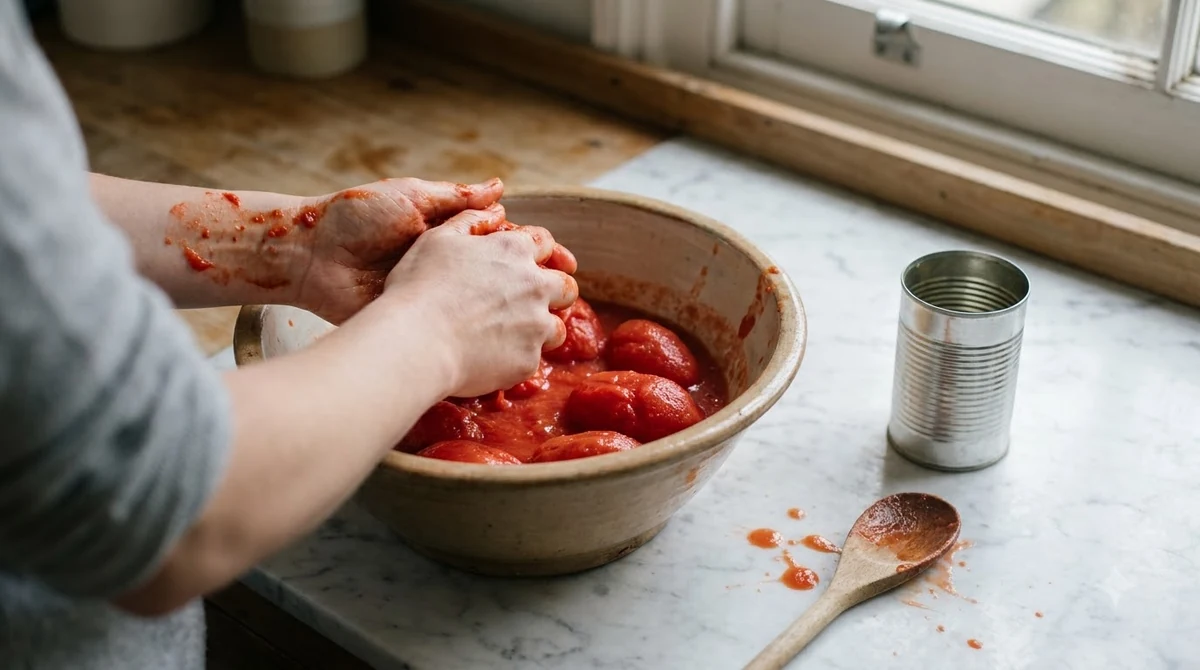
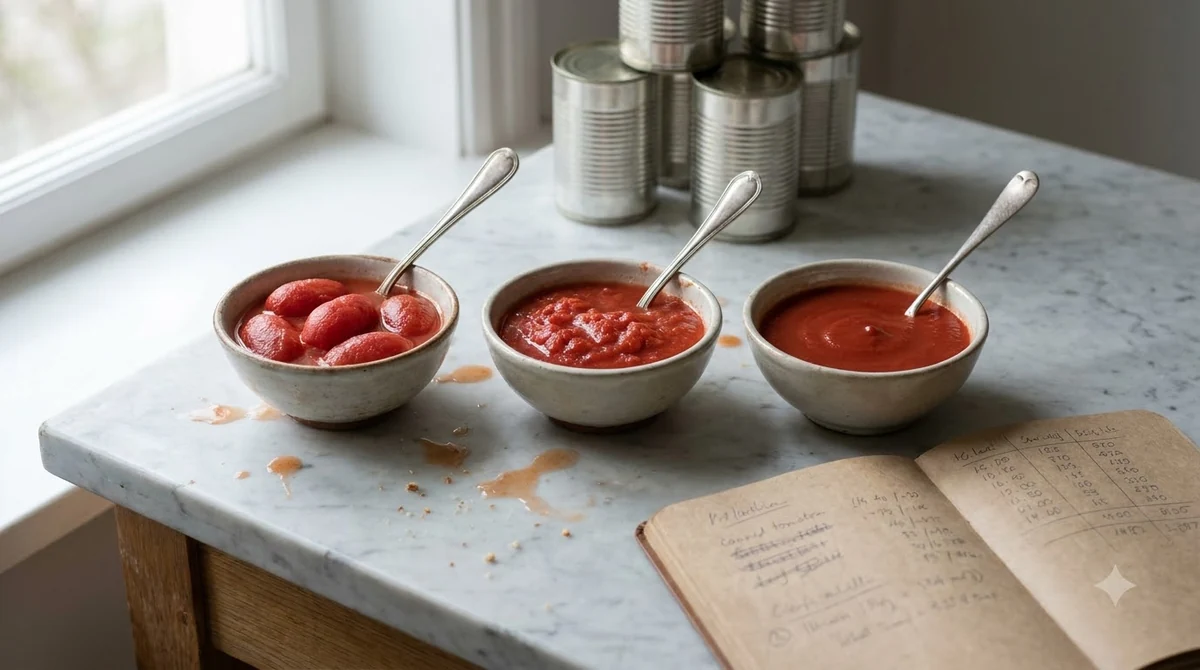
A practical check for any cento san marzano tomatoes review is to compare the cans side by side on the same recipe. Pour each into a bowl, crush by hand, and note the texture and the color of the sauce after a short simmer. That check shows whether the brand fits your cooking, without relying on any rating.
What the 2026 class action says
A proposed class action against Cento Fine Foods, brought by two California residents and reported in May 2026, challenges the company’s “Certified San Marzano” labeling. The plaintiffs ask for more than $25 million in damages, according to FreshPlaza’s report.
The complaint alleges that Cento does not hold consortium certification and that it stopped seeking that certification in the 2010s. These are allegations in a lawsuit. As of 2026-11-07, the reporting reviewed for this guide does not show a court ruling on them.
Cento says it ended its relationship with the consortium over labeling requirements, that its tomatoes are grown in the correct region and certified by another third-party organization, and that the claim is without merit. The company says it plans to defend the case. Readers can weigh both positions and decide what the label means to them.
A lawsuit about labeling does not prove that a can is spoiled or unsafe, and it does not settle what the certifier named by Cento actually checks. It does show why the seal on the can in any cento san marzano tomatoes review is worth reading closely if the DOP origin matters to you.
How to decide before you buy
For this cento san marzano tomatoes review, the rule is simple: choose a DOP can when the origin is the reason you pay more, and choose another brand when your main need is a dependable tomato base at a lower price. The decision works best when you check the seal first and the marketing wording second.
- Look for the DOP seal and the Sarnese-Nocerino origin on the can.
- Treat “certified” or “style” wording as a brand claim unless the seal is also present.
- Read the current lawsuit reporting if the brand matters to your purchase.
- Compare price and sodium per serving for the pack size you need.
If you buy in bulk for a restaurant or a large batch of sauce, repeat this cento san marzano tomatoes review check on each new order. Keep a photo of the can label with your recipe notes so you can compare brands later, and read our guides to Mutti San Marzano tomatoes and Strianese San Marzano tomatoes for two more labels to check. Labels and pack sizes can change between production runs, so the can in your hand is the source to trust.
Frequently Asked Questions
Is Cento San Marzano a DOP tomato?
Public reporting on this cento san marzano tomatoes review describes Cento’s “Certified San Marzano” wording as different from the DOP designation, and the company says its tomatoes are certified by a third party. Check the can for the DOP seal and the Sarnese-Nocerino origin to confirm what your specific can carries.
Does the lawsuit mean the tomatoes are unsafe?
No source reviewed for this guide says the tomatoes are unsafe. The lawsuit concerns labeling and certification, and Cento calls the claim meritless. The case has not been decided in the reporting reviewed here.
What should I look for on a real DOP can?
Look for the DOP seal, whole or halved peeled tomatoes, and the Sarnese-Nocerino origin. The seal is printed on the packaging itself, so check the physical can rather than only the online listing. A can that uses only “San Marzano style” wording does not carry the same protected designation.
Are San Marzano style tomatoes the same thing?
Not necessarily. Producers can use the name for tomatoes that are not from the protected area, so the origin and seal are the points to check.
How much do Cento San Marzano tomatoes cost?
Retail prices vary by store and by pack size, and this cento san marzano tomatoes review does not quote a price. Compare the price per can for the pack you plan to buy, and check the current listing at your store.
Should I still buy Cento tomatoes if the label is unclear?
You can, if the can suits your recipe and the price fits your budget, as long as you read this cento san marzano tomatoes review as a label guide rather than a taste score. If the origin claim matters to you and the can does not show the DOP seal, choose a different can or treat the brand as an ordinary tomato.
The label is the decision point for any cento san marzano tomatoes review. A DOP seal tells you where the tomato came from, while a brand name tells you who sells it. If the origin matters for your sauce, read the seal first and treat any lawsuit as one more fact to weigh. You can find more canned-goods and pantry guides in our Gear & Pantry section.
 8 min readGear & PantryStrianese San Marzano Tomatoes Review: What the Label Tells YouUpdated Nov 10, 2026
 9 min readGear & PantryMutti San Marzano Tomatoes Amazon: What You Are BuyingUpdated Nov 10, 2026
 9 min readGear & PantryBest San Marzano Tomatoes for 2026: Honest PicksUpdated Nov 17, 2026
 9 min readGear & PantryWhat Does DOP Mean on Italian Food Labels?Updated Nov 7, 2026
 9 min readGear & PantryGusto Etna Pistachio Cream Review: What’s Really in the JarUpdated Nov 5, 2026
 8 min readGear & PantryBianco DiNapoli Tomatoes Review: What to Know Before You BuyUpdated Nov 10, 2026