

The best San Marzano tomatoes for sauce are imported DOP cans grown in the Agro Sarnese-Nocerino area of Italy. US-grown “San Marzano style” cans cost less, but most use firming agents and taste different once cooked. Prices change often, so check the current price before you buy.
Quick comparison by can type
Your choice of the best San Marzano tomatoes depends on the can type more than the brand name, because imported DOP cans, US-grown San Marzano style cans and firmer plum cans differ on origin, additives and texture.
| Can type | Origin | Additives | Texture and use |
|---|---|---|---|
| Imported DOP San Marzano | Italy, Agro Sarnese-Nocerino | Tomatoes, juice, salt and sometimes basil | Mushy when eaten plain; silky and rich in sauce |
| US-grown San Marzano style | United States | Usually calcium chloride and citric acid | Plumper and firmer in the test; Hunt’s was soft in sauce but not very firm plain |
These cans are candidates for the best San Marzano tomatoes on Amazon, from a certified Cento can and a DOP import to US-grown San Marzano style tomatoes. Read the label of each to see which group it belongs to.

Cento Certified San Marzano Whole Peeled Tomatoes
Pros & ConsViewHide
Reasons to buy
- Certified San Marzano whole peeled tomatoes with basil, 28 oz can
- America's Test Kitchen winner in the tasting this guide cites
- Over 5,000 Amazon ratings, 85% 5-star
Reasons to avoid
- Among the pricier cans in the same tasting
- Imported tomatoes taste mushy when eaten plain
- Single can, so a big batch needs several

Song' E Napule San Marzano DOP Authentic Whole
Pros & ConsViewHide
Reasons to buy
- DOP San Marzano from the Agro Sarnese-Nocerino area, per the listing
- Each can is numbered and certified DOP, per the listing
- Whole peeled plum tomatoes for hand-crushed sauce
Reasons to avoid
- Pack of 6 is a bigger spend than a single can
- 4.2 average with 10% 1-star ratings
- Only about 120 Amazon ratings

La San Marzano - Canned Peeled Tomatoes With Basil
Pros & ConsViewHide
Reasons to buy
- Italian peeled tomatoes with basil leaf, listed as a product of Italy
- Pack of 6 cans, 28 oz each
- 82% of Amazon ratings are 5-star
Reasons to avoid
- Listing does not state the DOP designation, so read the label
- Pack of 6 is a larger buy than one can
- Under 200 Amazon ratings

Hunt’s San Marzano Style Whole Peeled Tomatoes
Pros & ConsViewHide
Reasons to buy
- Lowest-cost can in this group, a single 28 oz can
- US-grown San Marzano style, firm enough for chunky dishes
- 72% of Amazon ratings are 5-star
Reasons to avoid
- Style name only, not the protected Italian DOP
- Most US-style cans contain calcium chloride and citric acid
- In the cited test it was soft in sauce and not very firm eaten plain
What makes a can a real San Marzano
Knowing the rules helps you spot the best San Marzano tomatoes on the shelf. A real San Marzano is a plum tomato protected by an EU designation of origin, and the can carries the PDO emblem to show it. The protected name covers tomatoes grown in the Valle del Sarno in Salerno province, which Italian law classifies as pomodoro di San Marzano dell’agro sarnese-nocerino.
The shape is one way to recognize the variety. Compared with the Roma tomato, San Marzano tomatoes are thinner and more pointed. Shape alone does not prove origin, so the label matters more when you buy.
The name also carries cooking rules. Along with pomodorino del Piennolo del Vesuvio, San Marzano is one of the only tomatoes allowed in vera pizza napoletana. Our explainer on what San Marzano tomatoes are goes deeper on the variety. Fraud is a real problem: in 2010, Italian Carabinieri seized 1,470 tonnes of improperly labelled canned tomatoes.
How US-style cans differ from imports
Most US-grown San Marzano style cans contain calcium chloride and citric acid, which the imported cans of the best San Marzano tomatoes do not use, and they tend to carry more sodium.
In its America’s Test Kitchen tasting, the US-style cans generally did not resemble genuine imports. They looked plumper, rounder and firmer, like typical American Roma tomatoes.
- Calcium chloride is a firming agent that imported DOP cans do not allow.
- Citric acid is added to most US-style cans but is not in the imports.
- Sodium levels in the US-style cans were higher than in the imports.
Red Gold, the test’s best buy, says it grows varieties similar to San Marzano and processes them to be softer. The test page notes that its tomatoes still contain calcium chloride, so a firmer texture is the trade-off.
Best San Marzano tomatoes by use
For the best San Marzano tomatoes in a blind test, America’s Test Kitchen picked Cento San Marzano Certified Peeled Tomatoes as the winner, and Red Gold Whole Peeled Tomatoes earned the best-buy pick. Prices change, so confirm the current price before you buy.
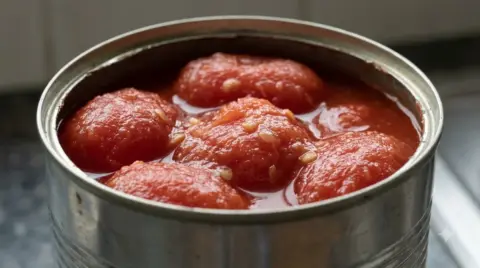
We also cover the winning brand in our Cento San Marzano tomatoes review. Cento was among the more expensive cans in the test, so it suits buyers who want the top-rated result and accept the cost. Red Gold is the value choice from the same test. Pastene’s San Marzano, listed as an Agro Sarnese-Nocerino DOP can, was also in the lineup. For another imported brand, see our Strianese San Marzano tomatoes review.
Other cans in the test, including Muir Glen and Hunt’s, use the “San Marzano style” name instead of the DOP. Read the label to see which group a can belongs to before you compare prices.
A separate Taste of Home test, last updated on April 20, 2023, sorted its picks by use. It named Alessi Pomodoro San Marzano best for sauces, Mutti Pomodoro San Marzano best for soups, and Hunt’s San Marzano Style best for a homegrown flavor with a firm texture for dicing. Its article also says that only tomatoes grown in Italy get the name San Marzano, although it does not mention the DOP label.
Those 2023 results are a useful cross-check, not a current ranking. If you are choosing the best San Marzano tomatoes for a specific recipe, a sauce pick and a soup pick can differ, so match the can to the job rather than to one overall winner.

Pick by use
For a sauce or pizza, the best San Marzano tomatoes are usually an imported DOP can, which is the strongest choice because its tomatoes break down into a silky sauce. Plain eating needs a different can, since the same tests found imports mushy and bland when eaten raw. They also suit a simple pasta al pomodoro with San Marzano tomatoes, where the tomatoes are the main flavor.
The metallic notes some tasters found in the imports disappeared once the tomatoes were cooked into sauce. That is why a DOP can is worth the extra cost for sauce, but not always for salads or dishes that need firm pieces.
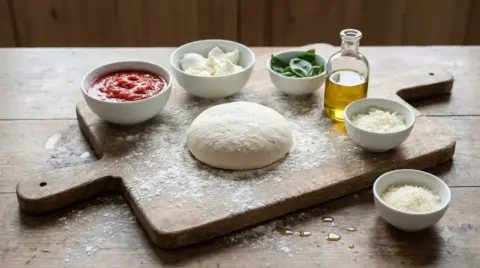
If you cook pizza often, the best San Marzano tomatoes for pizza are the ones that turn silky once cooked, which is the result the sauce tests reported for imported DOP cans. Whole peeled cans also give you control, because you decide how chunky the sauce gets when you crush the tomatoes. Our homemade pizza sauce recipe puts the best San Marzano tomatoes to use.
- Pizza sauce: choose an imported DOP can and crush the tomatoes by hand.
- Plain eating: the imports were mushy plain, so test a firmer can first.
- Chunky dishes: test one can before a large batch, because firmness varies by brand.
Read the label before you buy
Check for the EU PDO emblem, the Agro Sarnese-Nocerino origin and an ingredient list with only tomatoes, juice, salt and sometimes basil. Those three checks separate the real best San Marzano tomatoes from look-alikes on the same shelf.
The name “San Marzano” on the front of a can does not settle the question on its own. Read the full label, including the origin and the ingredient list. If you cannot confirm the origin from the label, treat the can as a San Marzano style product.
- Find the EU PDO emblem on the can.
- Confirm the Agro Sarnese-Nocerino origin on the label, since that is how to find the best San Marzano tomatoes you can trust.
- Read the ingredient list and look for calcium chloride or citric acid.
- Treat “San Marzano style” alone as a style description, not a protected origin.
Common mistakes when buying San Marzano tomatoes
The most common mistake is paying for a DOP label when you only need firm chunks, or buying a firmer style can when you need a silky sauce. Both choices waste money on the wrong texture. Buying the best San Marzano tomatoes is less about the brand on the front and more about matching the can to the dish.
Another mistake is assuming one can works for every recipe, or that a smooth base needs whole tomatoes at all; see our guide to the best tomato passata for that job. The same test showed one brand performing well in sauce and poorly plain, so try a single can in the dish you plan to cook before you buy a multipack.
- Treating “San Marzano style” as the same as DOP.
- Buying imported cans for plain eating, where the test found them mushy.
- Ignoring the ingredient list and its firming agents.
- Choosing by price alone: the test’s best buy came in cheaper than the winner.
Frequently Asked Questions
What does DOP mean on a tomato can?
DOP stands for protected designation of origin, an EU label for tomatoes grown in a defined area. For San Marzano, the area is Agro Sarnese-Nocerino in Italy, and the can carries the PDO emblem to show it.
Are US-grown San Marzano tomatoes real San Marzanos?
They are San Marzano style tomatoes from American growers, not the protected Italian product. America’s Test Kitchen found they generally do not resemble genuine imports and that most contain calcium chloride.
Are San Marzano tomatoes worth the price?
The best San Marzano tomatoes earn their price in sauce, where the imported tomatoes in the test broke down into a rich, silky texture. For plain eating or chunky dishes, a cheaper firmer can may suit you better.
Why do some San Marzano cans taste mushy?
Imported San Marzano tomatoes were described as mushy and bland when tasted plain in the test. Some US-style cans fell apart on the fork, so the texture depends on the can type.
Is a plain can or a sauce can better for pizza?
For pizza sauce, the best San Marzano tomatoes in the sauce test were imported DOP cans, which gave the silkiest result. Whole peeled tomatoes that you crush yourself give you the most control over texture.
Do San Marzano tomatoes contain additives?
Most US-style cans contain calcium chloride and citric acid. Imported DOP cans contain only tomatoes, juice, salt and sometimes basil, as the test page describes.
What is the difference between San Marzano and Roma tomatoes?
Compared with Roma, the best San Marzano tomatoes are thinner and more pointed, so the two are easy to tell apart once you know the shape. The USDA introduced the Roma in 1955, and it is a cross involving San Marzano, which is its genetic base.
Start with an imported DOP can when you want the best San Marzano tomatoes for sauce, and check the ingredient list before you pay for the label. If you want firm pieces for plain eating or chunky dishes, a US-style can is a reasonable buy, as long as you accept the calcium chloride. Either way, compare the label first, then the price.
 8 min readGear & PantryStrianese San Marzano Tomatoes Review: What the Label Tells YouUpdated Nov 10, 2026
 9 min readGear & PantryMutti San Marzano Tomatoes Amazon: What You Are BuyingUpdated Nov 10, 2026
 9 min readGear & PantryCento San Marzano Tomatoes Review: What the Label Really MeansUpdated Nov 10, 2026
 8 min readGear & PantryFrantoio Muraglia Olive Oil Review: Honest Verdict for 2026Updated Nov 10, 2026
 8 min readGear & PantryGraza vs California Olive Ranch: Honest 2026 ComparisonUpdated Nov 10, 2026
 8 min readGear & PantryBest Gluten Free Pizza Crust Mix: 4 Honest Picks for 2026Updated Nov 12, 2026