
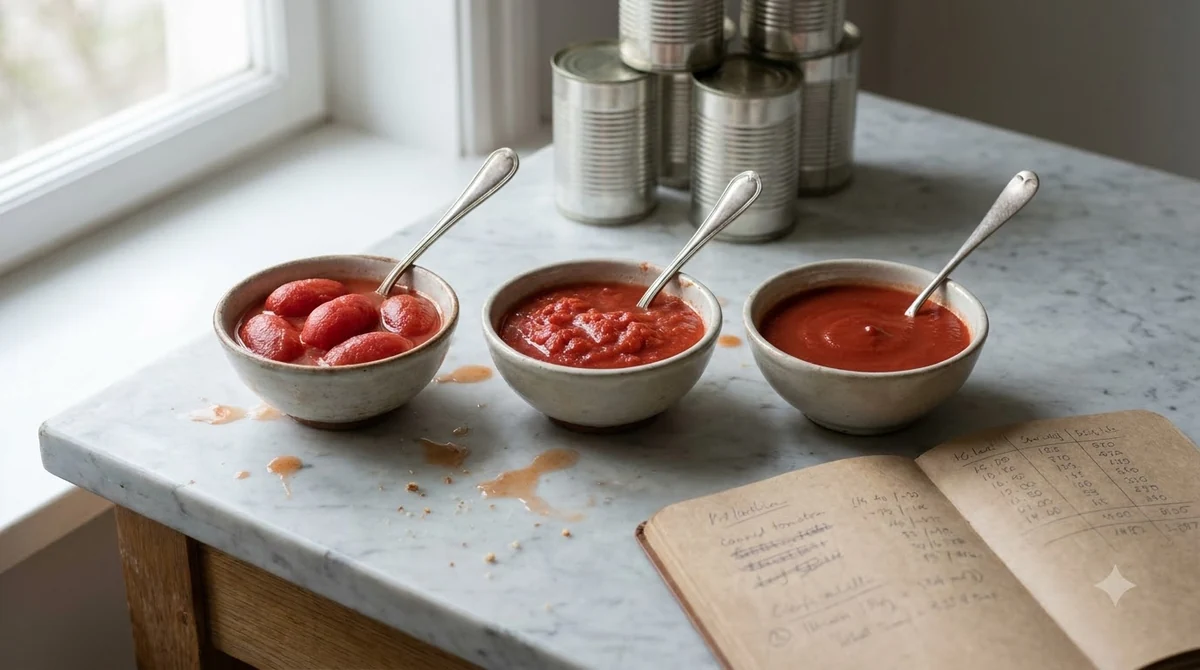

Rao’s vs Carbone marinara comes down to price and tomato style. Rao’s is typically about $7 for a 24-ounce jar, while Carbone has been reported at around $10 a jar. Both are premium jarred sauces, so budget and taste decide the winner.
Rao’s suits weekly pasta nights on a budget. Carbone suits cooks who want the brighter tomato flavor a reviewer praised and will pay more for it.
Rao’s vs Carbone Marinara Side by Side
Rao’s vs Carbone marinara is closer than the price gap suggests. Both sauces build on tomatoes, olive oil, onion, garlic and basil, but they differ on price, jar size and how the tomatoes are described. Rao’s runs about $7 per 24-ounce jar, while Carbone is about $10.

Rao’s homemade marinara is usually sold in 24-ounce jars at grocery stores, and Food Network’s editors put the standard price at about $7. Costco sells Rao’s in multi-packs, so the jar price alone is misleading there.
Carbone’s red sauces come in 24-ounce or 32-ounce jars according to a 2025 Tasting Table review, which does not state the size for the marinara. Check the label on the jar you plan to buy before comparing prices.
| Feature | Rao’s Homemade Marinara | Carbone Marinara |
|---|---|---|
| Typical price | About $7 for 24 oz | Around $10 a jar |
| Jar size | 24 oz standard, 28 oz in Costco packs | 24 oz or 32 oz (check the label) |
| Tomatoes | Whole peeled tomatoes or sweet Italian plum tomatoes, depending on the source | Italian tomatoes grown in volcanic soil |
| Tomato puree or citric acid | Avoided, per a 2026 Tasting Table comparison | Not stated in the review |
| Sugar | Described as sugar-free by Food Network | 5 g per half cup |
| Cooking method | Slow-simmered in small batches, per the brand as reported | Slow-cooked in small batches for about an hour |

Ingredients and What They Change in the Sauce
In rao’s vs carbone marinara, the ingredient list is where the two differ most, and Rao’s is the shorter list. Rao’s sauce uses whole peeled tomatoes, olive oil, onions, garlic, salt, pepper, oregano and basil, with no tomato puree or citric acid, according to Tasting Table’s jarred marinara comparison.
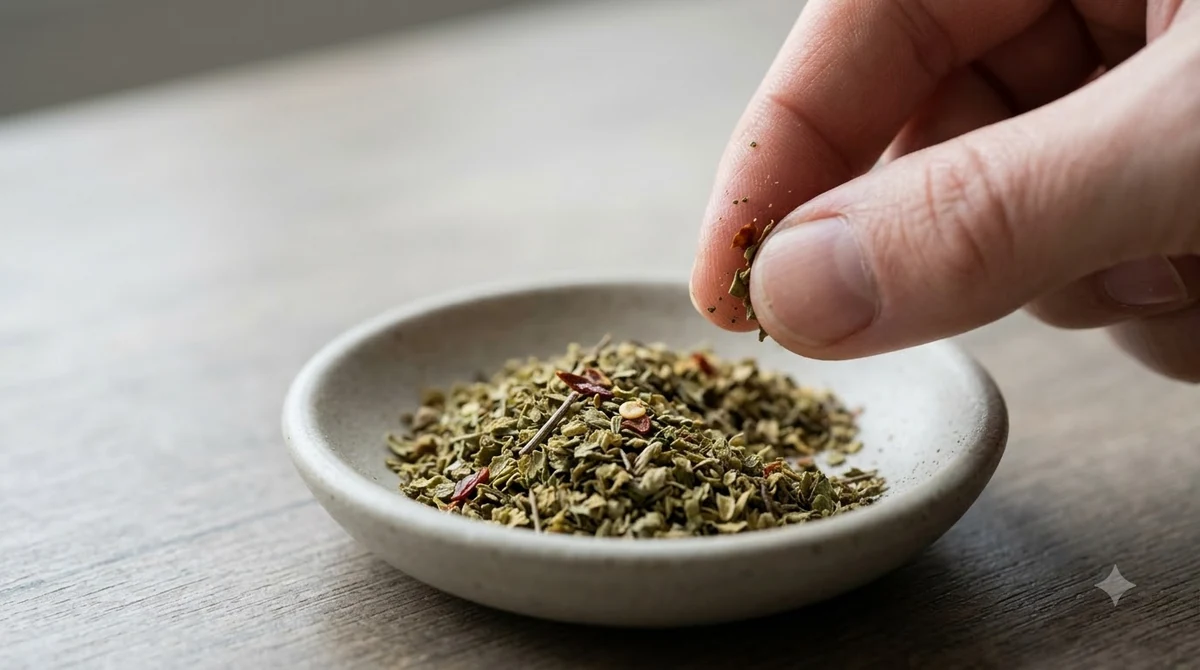
The article argues that puree often acts as a flavor base and citric acid extends shelf life, so leaving them out changes how the sauce tastes. Food Network describes Rao’s as made with sweet Italian plum tomatoes, olive oil, onions, garlic and seasonings, so the tomato wording differs between sources.
Carbone’s marinara is described in a 2025 Tasting Table review as made with Italian tomatoes grown in volcanic soil, onions, garlic, olive oil, salt, basil and oregano. The same review calls the sauce non-GMO and slow-cooked in small batches for about an hour, and lists 90 calories, 7 grams of fat and 5 grams of sugar per half cup. The 2026 Tasting Table comparison reports that Rao’s describes its sauce as slow-simmered in small batches with tomatoes from Southern Italy, which is a brand claim as reported. To make your own version, see how to make marinara sauce.
Price, Value and Where to Buy
Price is where Rao’s vs Carbone marinara differs most. Rao’s costs about 29 cents per ounce at $7 for 24 ounces, while Carbone at about $10 a jar comes to roughly 42 cents per ounce if the jar is 24 ounces, or about 31 cents if it is 32 ounces. Both prices come from sources dated 2025 and 2026, so check the current shelf price before you buy.
Food Network reports that two 28-ounce jars of Rao’s cost about $11 at Costco with a membership, which works out to roughly 20 cents per ounce. That makes the warehouse pack the lowest unit price among the figures found for this comparison, as shown in Food Network’s roundup of jarred marinara.
Newman’s Own marinara is about $3.50 for 24 ounces, according to the 2026 Tasting Table comparison, which makes it the budget option. The 2025 Tasting Table review says Carbone costs about four times more than mass-market jars like Prego or Ragu.
Which Marinara Should You Buy?
Choosing between Rao’s vs Carbone marinara comes down to budget. Choose Rao’s for everyday pasta, and choose Carbone when you want a brighter tomato flavor and accept a higher price per jar.
- Pick Rao’s if you cook pasta several times a week and want the lowest cost per ounce.
- Pick Rao’s if you can buy a warehouse multi-pack, since the per-ounce price drops.
- Pick Rao’s if you want a sauce that Food Network describes as sugar-free.
- Pick Carbone for a special dinner where the sauce is the star of the plate.
- Pick Carbone if you prefer the clean, bright tomato flavor one reviewer described.
The 2025 Tasting Table review of Carbone’s sauces describes the marinara as bright, clean tasting and versatile, and it is the source for the Carbone price and nutrition figures here. That keeps the Rao’s vs Carbone marinara comparison tied to named sources. Read the full review in Tasting Table’s review of Carbone pasta sauces.

Rao's Homemade Marinara Sauce, 24 oz
Pros & ConsViewHide
Reasons to buy
- 24 oz jar of marinara made with Italian tomatoes
- Short ingredient list that avoids tomato puree and citric acid, per Tasting Table
- 4.7-star average on Amazon
Reasons to avoid
- Listing shows few ratings compared with big supermarket sauces
- Price per jar can vary a lot between sellers and multi-packs
What Could Not Be Confirmed and How to Check
The brands’ own product pages could not be read for this Rao’s vs Carbone marinara comparison, so the facts here come from editorial reviews and retailer listings. Rao’s calories and sodium per serving were not found in any source, so they are left out.
- Rao’s nutrition panel: read the jar label for calories and sodium.
- Carbone marinara jar size: the sources give 24 oz or 32 oz, so confirm on the label.
- Current price: prices change by store and by sale, so check the shelf or the retailer page.
- Ratings: the 2026 Tasting Table comparison reports nearly five-star ratings for Rao’s on Amazon and Walmart, so check current reviews there.
Frequently Asked Questions
Is Rao’s vs Carbone marinara cheaper per jar?
Yes, in the sources reviewed, Rao’s vs Carbone marinara favors Rao’s on price. Rao’s is about $7 for a 24-ounce jar, while Carbone is around $10 a jar. Warehouse multi-packs can lower the cost per ounce for Rao’s further.
Does Carbone marinara have sugar?
The 2025 Tasting Table review lists 5 grams of sugar per half cup for Carbone marinara. Food Network describes Rao’s as sugar-free, so compare labels in a Rao’s vs Carbone marinara choice if sugar matters to you.
Is Rao’s or Carbone better for pizza?
The sources do not compare rao’s vs carbone marinara on pizza directly. The Carbone reviewer found the marinara versatile for pasta, pizza and dipping, while Rao’s is the lower-cost choice for everyday use. For a simple pizza use, see this marinara pizza recipe.
Are both marinaras made with fresh ingredients?
The 2026 Tasting Table comparison says Rao’s avoids tomato puree and citric acid, which keeps its list short. The Carbone review lists hand-picked tomatoes, onions, garlic, olive oil, salt, basil and oregano, and does not describe the ingredients as fresh.
How do I compare Rao’s vs Carbone marinara on a label?
Compare the ingredient list, sugar per serving and cost per ounce, since jar sizes differ. Look for tomato puree and citric acid, because the 2026 Tasting Table comparison says Rao’s avoids both, while the Carbone review does not mention either. To widen the field beyond these two jars, see our guide to the best jarred pasta sauces.
Rao’s vs Carbone marinara ends in a simple choice: start with Rao’s if price per serving matters most, and try Carbone when the sauce is the centerpiece of the meal. Check the label on the jar you buy, because sizes, sugar and tomato sourcing can vary by product and by year. For another pantry comparison, see Graza vs California Olive Ranch, or browse the gear and pantry guides.
 8 min readGear & PantryCarbone Marinara Sauce Review: Ingredients, Price and Who Should Buy ItUpdated Nov 16, 2026
 10 min readGear & PantryRao’s Marinara Sauce Review: Ingredients, Sizes and Who It SuitsUpdated Nov 16, 2026
 8 min readGear & PantryRummo Pasta Review: Bronze-Cut Texture, Price and Who Should BuyUpdated Nov 8, 2026
 8 min readGear & PantryMutti Passata Review: Ingredients, Taste and ValueUpdated Nov 8, 2026
 8 min readGear & PantryWhat Is Panettone? Origin, Ingredients and How to Eat ItUpdated Nov 5, 2026
 9 min readGear & PantryHow to Make Marinara Sauce at Home: A Simple Step-by-Step GuideUpdated Nov 10, 2026