
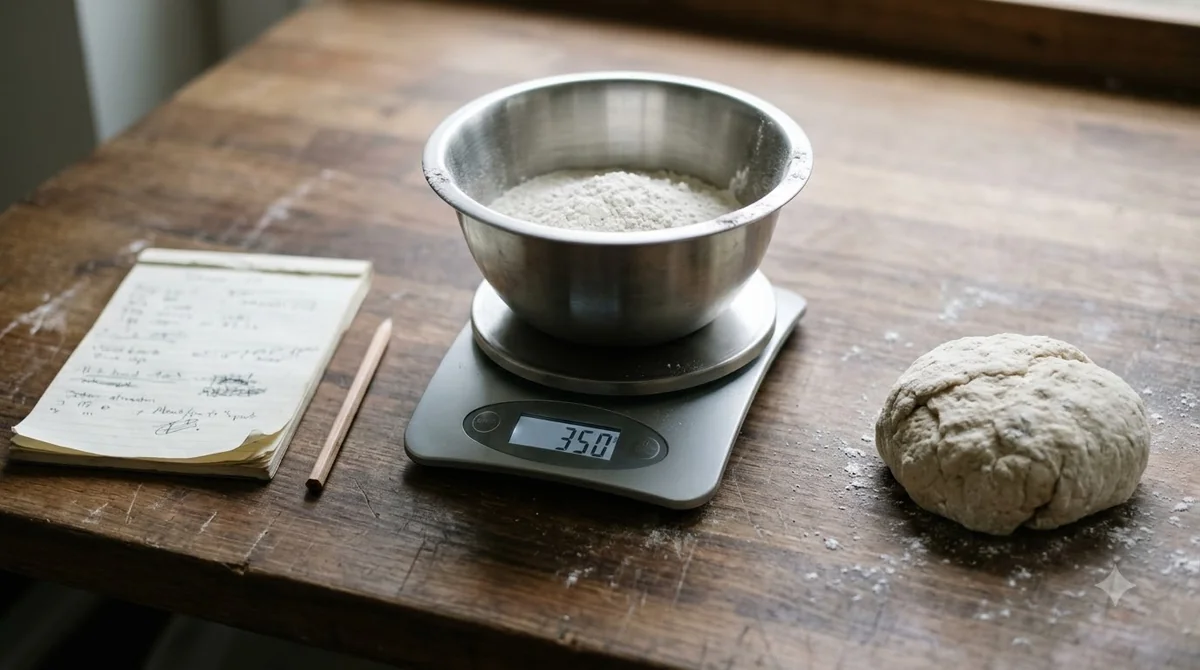

An egg yolk pasta dough uses extra yolks to make a richer, more golden sheet that is softer to handle. The America’s Test Kitchen egg pasta dough uses 2 cups of flour, 2 whole eggs and 6 yolks, plus 2 tablespoons of olive oil. Yolks add fat and color, so the dough feels tender, but it also needs careful handling because it is more delicate than a whole-egg dough.
What Makes an Egg Yolk Pasta Dough Different?
An egg yolk pasta dough replaces part of the whole egg with yolks, which gives a richer flavor, a deeper color and a silkier texture.
Whole eggs contribute both white and yolk, so they add protein and water. Yolks are mostly fat and emulsifiers, so a yolk-heavy dough tends to be softer and less elastic than a standard fresh pasta dough. That is why the sheet feels more tender on the plate but can tear more easily during rolling.
Yolk dough suits thin, delicate shapes such as tagliatelle, ravioli and tortellini, where a rich bite matters more than a firm chew.
How Many Egg Yolks Should You Use?
The America’s Test Kitchen recipe uses 2 whole eggs and 6 yolks for 2 cups of flour, and it raises the yolks to seven if you use a high-protein flour such as King Arthur.
The yolk count is the main lever for richness, so change it in small steps rather than swapping whole eggs for yolks all at once.
- Standard all-purpose flour: 2 whole eggs plus 6 yolks for 2 cups of flour.
- High-protein flour such as King Arthur: 2 whole eggs plus 7 yolks for the same flour amount.
- Richer, softer dough: add a yolk at a time and check the texture before adding more.
Flour type changes the amount of yolk you need, so use the same brand and type each time you adjust a recipe. Write down the flour weight and the yolk count together, so you can repeat a result that worked.
Separate the yolks carefully. Even a small amount of white can make the dough slacker than the recipe intends, so crack each egg into a small bowl first and move the yolk only when the white is clear of it.
Store leftover yolks covered in the refrigerator and use them within a day or two, since the dough recipe relies on fresh, cold eggs for a consistent texture.
How Do You Mix and Knead Egg Yolk Dough?
Mix the eggs, yolks and oil first, then combine them with the flour and knead until the dough is smooth and only barely tacky.
In a food processor, the America’s Test Kitchen method takes about 45 seconds until the dough is cohesive, soft and barely tacky. By hand, you mix the eggs, yolks and oil with a fork in a separate bowl, stir them into the flour, and knead for about 3 minutes.
- Put the flour in a large bowl, and beat the eggs, yolks and olive oil together in another bowl.
- Stir the wet ingredients into the flour until a shaggy dough forms.
- Knead on the counter for about 3 minutes, then for another 1 to 2 minutes until the dough forms a smooth ball.
- If the dough sticks, add flour up to 1/4 cup, 1 tablespoon at a time. If it will not come together, add water up to 1 tablespoon, 1 teaspoon at a time.
- Shape the dough into a 6-inch cylinder, wrap it, and let it rest at room temperature.
Add liquid slowly. Yolk dough is rich, and a little extra water can make it sticky and hard to roll, so the flour and water adjustments should be small.
Why Does an Egg Yolk Dough Need to Rest?
Resting lets the flour absorb the liquid evenly, so the dough rolls out more smoothly and holds its shape.
The America’s Test Kitchen recipe rests the wrapped dough at room temperature for at least 30 minutes, and up to 4 hours. King Arthur’s fresh pasta recipe also calls for a rest of at least 30 minutes, wrapped at room temperature. Use the longer end of the range if the dough feels tight when you start rolling.
Keep the dough wrapped in plastic during the rest. An unwrapped surface dries out, and dry edges crack when you roll them.
How Do You Roll and Cut Yolk Dough Without Tearing It?
Roll the dough in stages, dust it lightly with flour, and keep the portion you are not using covered so it stays soft.
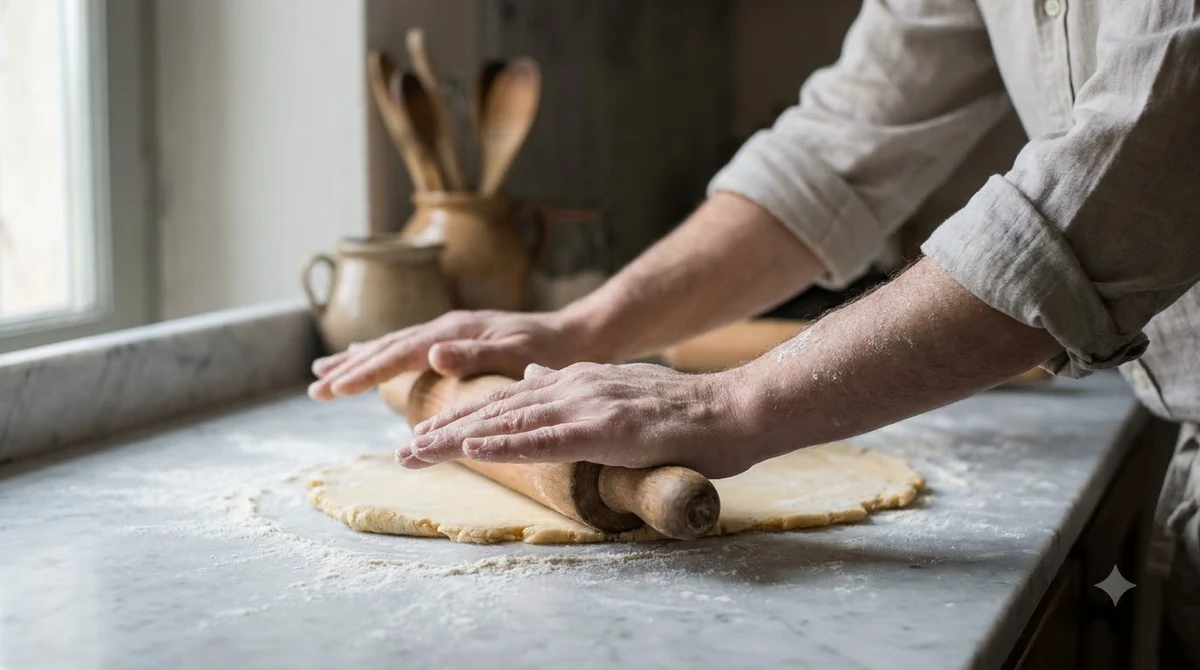
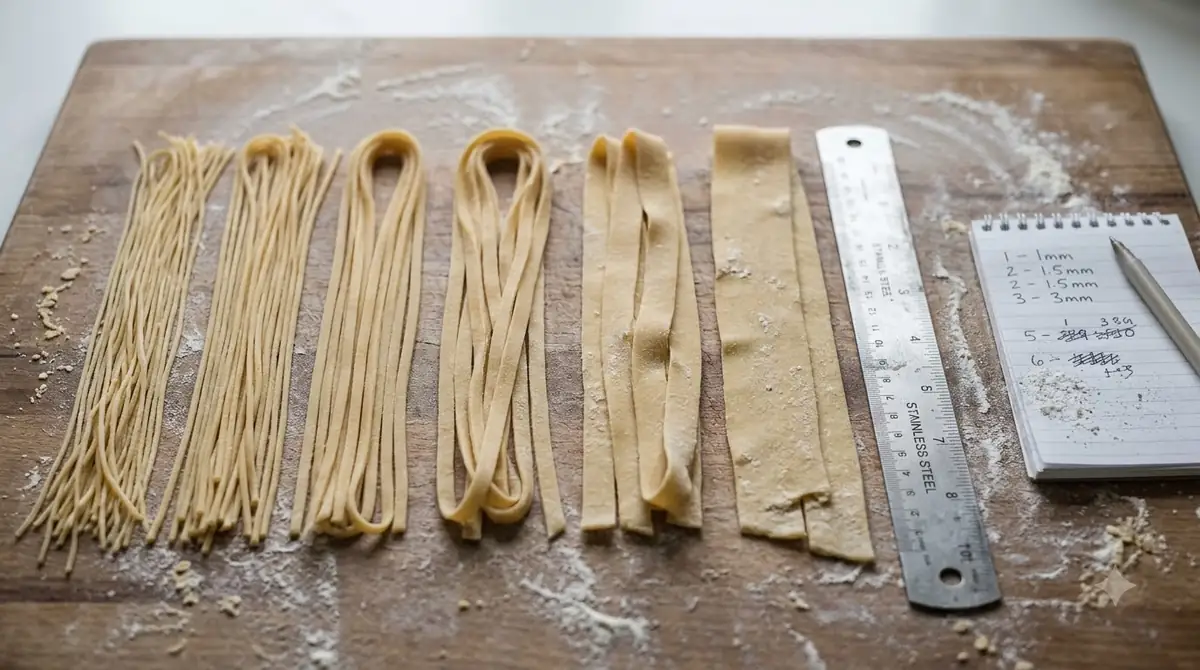
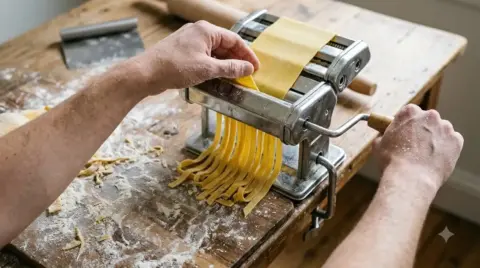
Cut the dough into 4 to 6 pieces before rolling, so each piece is easy to control. Flatten each piece slightly with your hand, then pass it through the machine on a wide setting first, folding and rerolling if the sheet looks uneven. Thinner settings need more care with yolk dough, because the sheet can tear where the fat is concentrated.
Dust the sheets with flour only as needed. Too much flour makes the dough dry on the surface and can stop the layers from sticking when you seal filled shapes.
Frequently Asked Questions
How many egg yolks go in pasta dough?
The America’s Test Kitchen recipe uses 2 whole eggs and 6 yolks for 2 cups of flour, and seven yolks if you use a high-protein flour such as King Arthur.
Is egg yolk pasta dough better than whole egg dough?
It depends on the shape. Yolk dough is richer and more tender, which suits delicate shapes, while whole-egg dough is more elastic and easier to handle for long sheets.
How long should egg yolk pasta dough rest?
Rest it wrapped at room temperature for at least 30 minutes, and up to 4 hours. Longer resting gives a more relaxed dough.
Why is my egg yolk dough sticky?
The dough may have too much liquid or not enough kneading. Add flour up to 1/4 cup, one tablespoon at a time, and knead until smooth before adding any more.
An egg yolk dough rewards a light hand. Measure the yolks carefully, knead until the dough is smooth, and let it rest before rolling. Once you know how your flour behaves, small changes in yolk count give you a richer dough that suits the shapes you cook most.
 5 min readLearnFresh Pasta for 6 People: Flour, Eggs and PortionsUpdated Nov 13, 2026
 5 min readLearnHomemade Tagliatelle: Simple Egg Pasta Dough and MethodUpdated Nov 13, 2026
 5 min readLearnFresh Pasta for 4 People: How Much Dough to MakeUpdated Nov 13, 2026
 8 min readLearnFresh Pasta Dough Recipe: Ingredients, Kneading and Resting TimesUpdated Nov 6, 2026
 6 min readLearnHomemade Capellini: Egg Dough, Cutting and Cooking GuideUpdated Nov 13, 2026
 6 min readLearnHomemade Mafaldine: 2 Methods With Egg or Semolina DoughUpdated Nov 13, 2026