
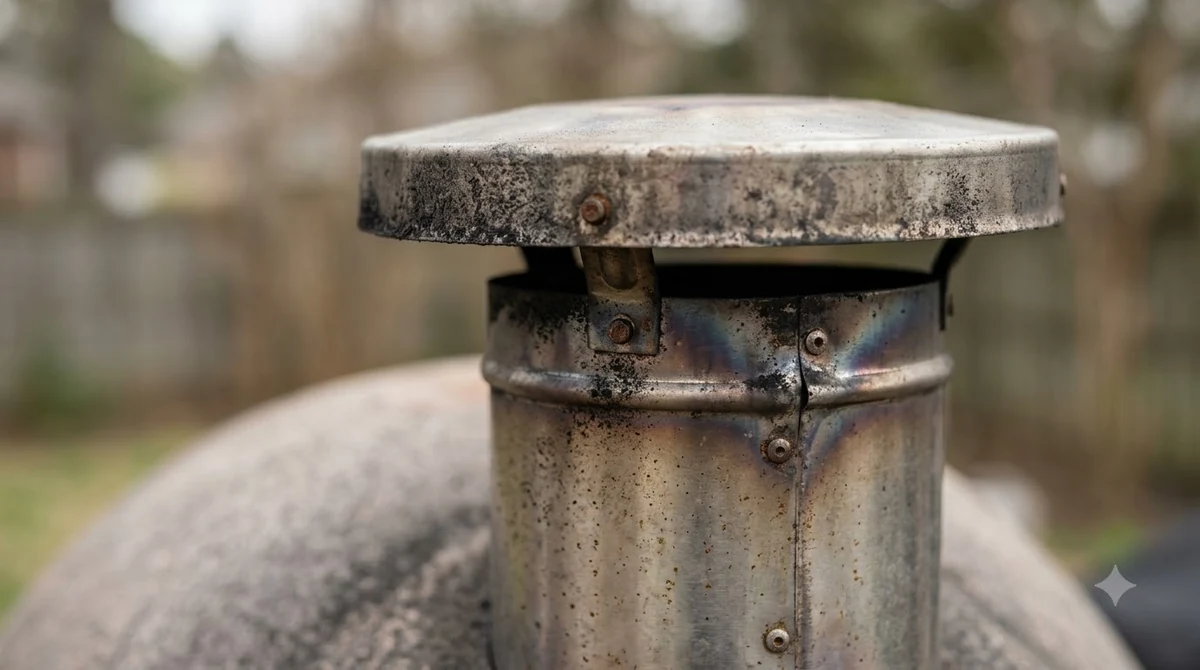

Gozney Dome smoking is usually a fuel, airflow or residue problem. The Dome manual does not list smoke as a gas fault, so the checks below use its wood, burner, venturi and cleaning sections. Work through them in order before you contact support.
If your Gozney Dome smoking comes from a wood fire, check the wood and fuel load first. If it comes from gas, check the burner and venturi. If you smell gas, shut it off at once and follow the manual.
This is a gas and fire appliance. Follow the manual, never use lighter fluid or petrol to start or boost a fire, and do not light the burner while you leak test.
What the Manual Says About Gozney Dome Smoking
The Dome manual names overloading and a thin ember bed as causes of excess smoke on wood, but it does not list smoke as a gas fault. Start with the Gozney Dome Technical Manual, which covers the wood fire, the gas troubleshooting table and the venturi.
For gozney dome smoking on wood, the wood section warns that overloading can cause excess smoke and flame. It also says that if there are too few glowing embers in the fire bed, adding fuel produces excessive smoke, so suitable kindling should be added first.
The gas troubleshooting table covers a small flame, failure to ignite and a noisy flame. It has no line for smoke, so a gas smoke cause cannot be confirmed from the manual alone. The sections below cover what the manual does describe for gozney dome smoking.
If the oven will not light at all, see Gozney Dome won’t light first. Separate the two cases before you start. A wood fire and a gas burner use different checks, so a gozney dome smoking report should first say which fuel was running.
Check Wood Moisture and Wood Type First
Wood at 10 to 20 percent moisture is a good range, and 16 percent is the manual’s optimum, so wet or sappy wood is the first fuel to rule out.
| Wood | Manual guidance | Why it matters |
|---|---|---|
| Kiln-dried hardwood such as ash, alder, oak, beech or hickory | Recommended | Dense wood with more energy, so it gives more heat than soft wood. |
| Pine, fir, cedar, spruce, redwood or other soft and sappy wood | Do not use | The manual says these tend to produce creosote that builds up in the burner and oven. |
| Treated, painted or stained wood | Do not use | The manual’s wood safety section rules it out for the oven. |
| Freshly cut wood | Do not use | Wet wood is outside the 10 to 20 percent moisture range. |
For gozney dome smoking on wood fires, the manual does not say how long wood must be dried, so buy wood that states its moisture content or test it before you fire. Wood that is wet on the outside can still hold water inside, so a dry look alone does not settle the question.
When you change wood type or buy a new batch, note how the first firing behaved. A repeat of gozney dome smoking after a wood change points to the new fuel, while smoke from the same wood points back to the fire itself.
The manual’s ventilation note also says that if you are unsure about the required extraction, you should not use the oven.
Keep the Wood Fire Small and Feed It Properly
Overloading is a named cause of gozney dome smoking in the manual, so add wood in small amounts onto a bed of glowing embers rather than a large fresh charge.
- Light the fire in the center of the oven and keep it moderate for the first 30 to 60 minutes, as the manual’s first firing steps describe.
- Once the fire is established, move it over and keep feeding it for about 30 minutes, or until the oven is fully saturated.
- Before you add a new fuel charge, check that there are enough glowing embers to ignite it. If there are too few, add suitable kindling first.
- Match the kindling to the flame you want. The manual suggests 1 to 2 inch pieces for large rolling flames and 2 to 4 inch pieces for small flames.
- Do not overfeed the fire. There should never be flames coming out of the mouth of the oven.
The rope sealed door is an optional accessory with adjustable vents that control the amount of smoke and steam in the oven. The manual says never to use the door when the gas burner is lit.
If gozney dome smoking continues after you have fed the fire correctly, look at the fire bed. Smoke that appears each time you add fuel, even with a steady ember bed, is a reason to stop and let the oven settle before you try again.
Clear the Gas Burner and Venturi
A yellow flame or extra noise can mean debris is blocking the venturi, and an insect-clogged burner tube can cause a fire beneath the oven. Inspect both before each firing, and check the burner first if the gozney dome smoking appears with a yellow flame.
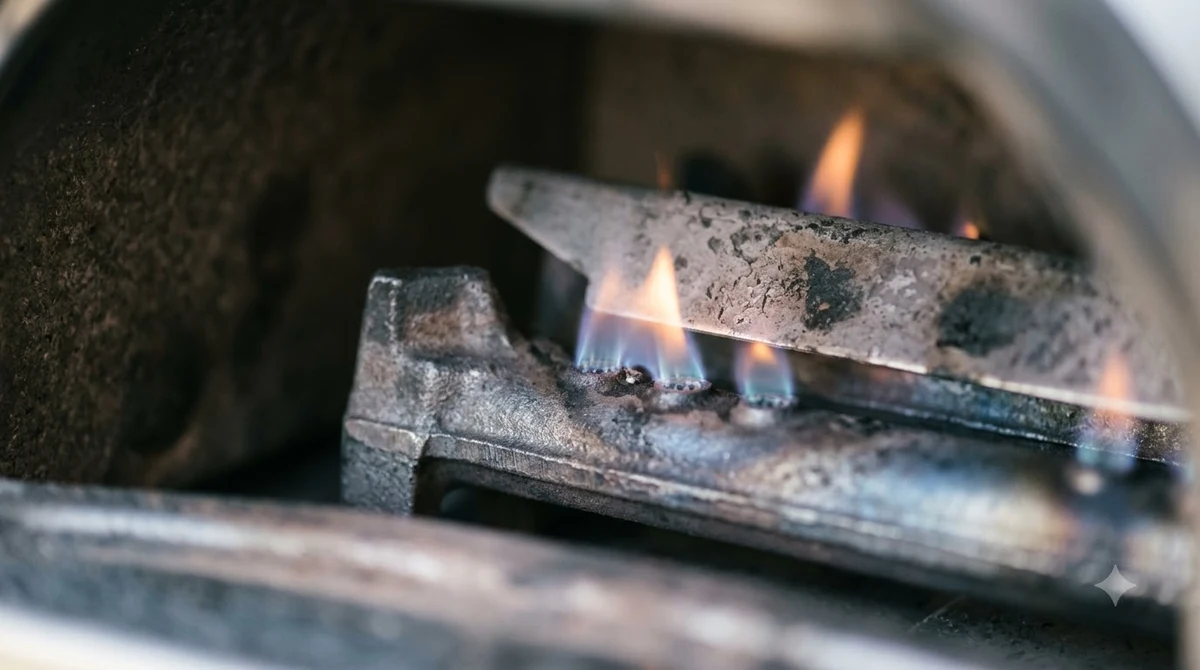
The manual asks you to check the burner tube for insects and insect nests before each fire-up. It also asks you to check the oven, burner and venturi for blockages such as food residue before use.
When the oven is off and cool, remove the maintenance hatch and use a vacuum with a long plastic nose to clear debris from the venturi. The manual also advises checking inside the dock for debris regularly.
Burn Off or Brush Out Soot
The manual says that heating the oven above 650°F for three hours burns off food debris and soot, and a flue extension helps reduce soot build-up around the mouth arch. Cleaning residue is the last routine step in any gozney dome smoking check. More oven guides are in the by use and model section.
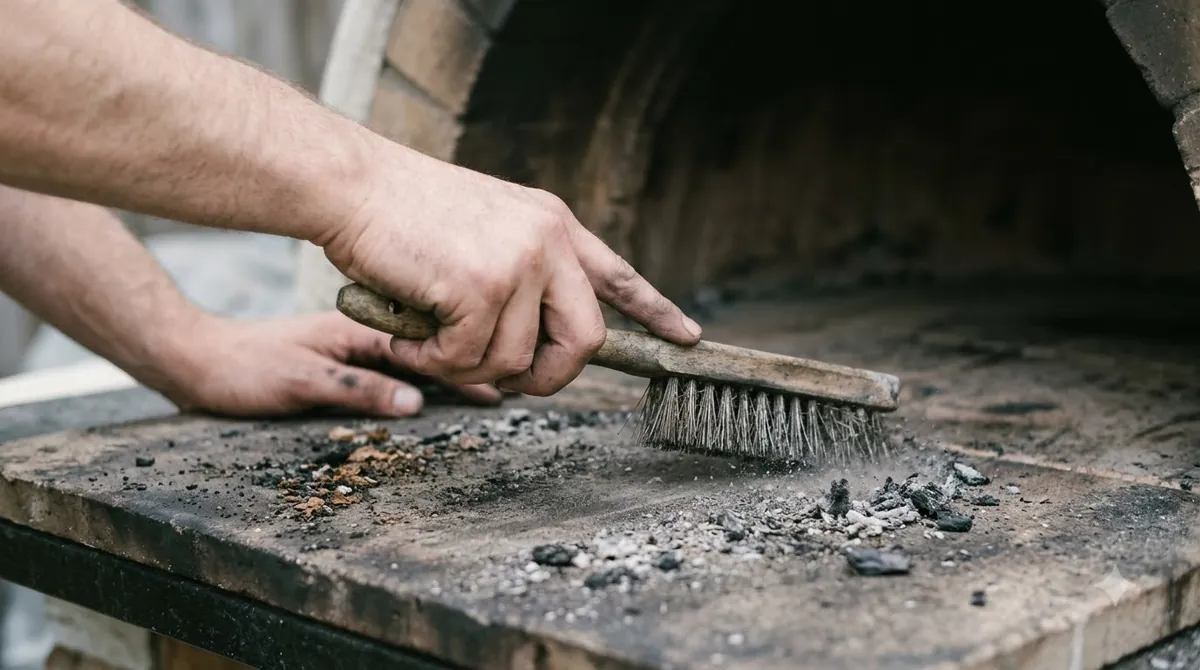
The Gozney Academy cleaning guide describes the same burn-off, followed by a vacuum once the oven has cooled.
If soot is left after the burn-off, wait for the oven to cool, then use a soft brush without much pressure so you do not damage the oven. Remove loose debris with a vacuum that has a plastic attachment.
The flue extension is an optional accessory. The manual says it improves efficiency and helps reduce soot build-up inside the oven. The manual does not say that soot alone causes smoke, so treat soot as residue to remove, not as a confirmed cause. Our Gozney Dome cleaning guide covers the full routine.
When Smoke Continues and What to Do Next
If gozney dome smoking continues after the fuel and burner checks, stop firing and contact Gozney support, because the manual gives no gas smoke cause to act on. Do not keep adjusting the gas to test it.
- Turn the gas off at the cylinder first, then wait 3 minutes before you remove the regulator and turn the control dial to off.
- If you smell gas, shut the gas off, put out any flames, move away from the oven and call your gas supplier or the fire department.
- Leave gas connections to a qualified installer, service agency or gas supplier. The manual says installation and service must be done by them.
- If the problem persists after the troubleshooting steps, contact Gozney for further support.
Frequently Asked Questions
Can I use lighter fluid to get a smoky fire going?
No. Lighter fluid is not a fix for gozney dome smoking. The manual says never to use flammable liquids such as barbecue lighting fluid, petrol or lighter fluid to start or boost a fire in the oven. Keep these liquids well away from the oven while it is in use.
Does the rope sealed door help control smoke?
Yes, the optional rope sealed door has adjustable vents that control the amount of smoke or steam in the oven. The manual says never to use it when the gas burner is lit, and to make sure the flame is out and the dial is off before you install it.
Can wet wood make a Gozney Dome smoke?
Wood outside the manual’s 10 to 20 percent moisture range should be checked first. The manual does not name moisture as a direct smoke cause, so treat it as a factor to rule out for gozney dome smoking rather than a confirmed cause.
Is smoke with a gas smell an emergency?
Yes. Shut the gas off, put out any flames, move away from the appliance and call your gas supplier or the fire department. The manual says not to light any appliance, touch electrical switches or use a phone in the building.
When should I contact Gozney about smoke?
Contact Gozney support if smoke continues after you have checked the wood, fire bed, burner, venturi and soot. The manual says to contact Gozney if a problem persists after the troubleshooting steps.
If gozney dome smoking continues after these checks, stop firing rather than adjusting the gas or the fire over and over. Keep the manual with the oven and note what fuel you were burning when the smoke started, so support has the details they need. For the oven’s specs and fuel options, read the Gozney Dome overview and compare add-ons in the Gozney Dome accessories guide.
 7 min readBy Use & ModelGozney Dome S1 Natural Gas: What the Manual Says and What It Does NotUpdated Nov 7, 2026
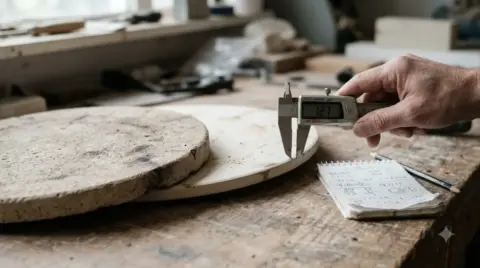 7 min readBy Use & ModelGozney Roccbox Stone Cracked: What the Manual Says and What to DoUpdated Nov 10, 2026
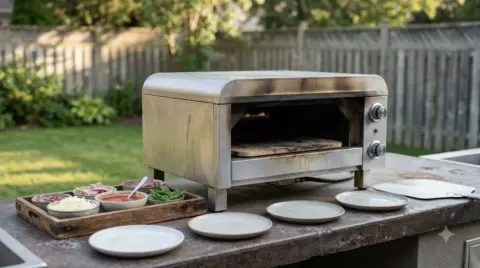 9 min readBy Use & ModelGozney Arc XL Natural Gas: What the Manual SaysUpdated Nov 7, 2026
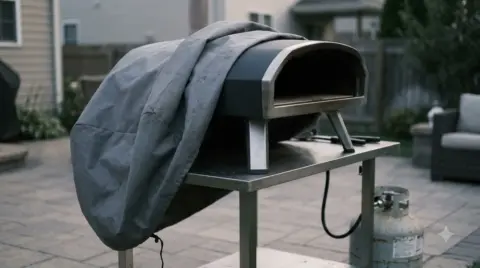 8 min readBy Use & ModelGozney Dome S1 Manual: Gas Setup, Leak Test and First FiringUpdated Nov 6, 2026
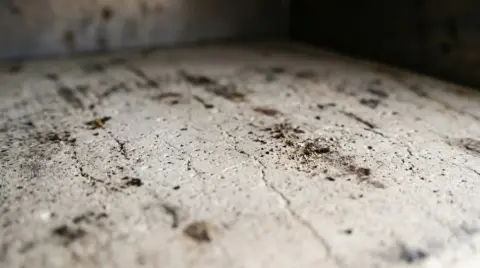 10 min readBy Use & ModelGozney Dome Manual: Setup, Gas Connection and First FiringUpdated Nov 10, 2026
 8 min readBy Use & ModelBreville Pizzaiolo Stone Cracked: What the Manual SaysUpdated Nov 7, 2026