
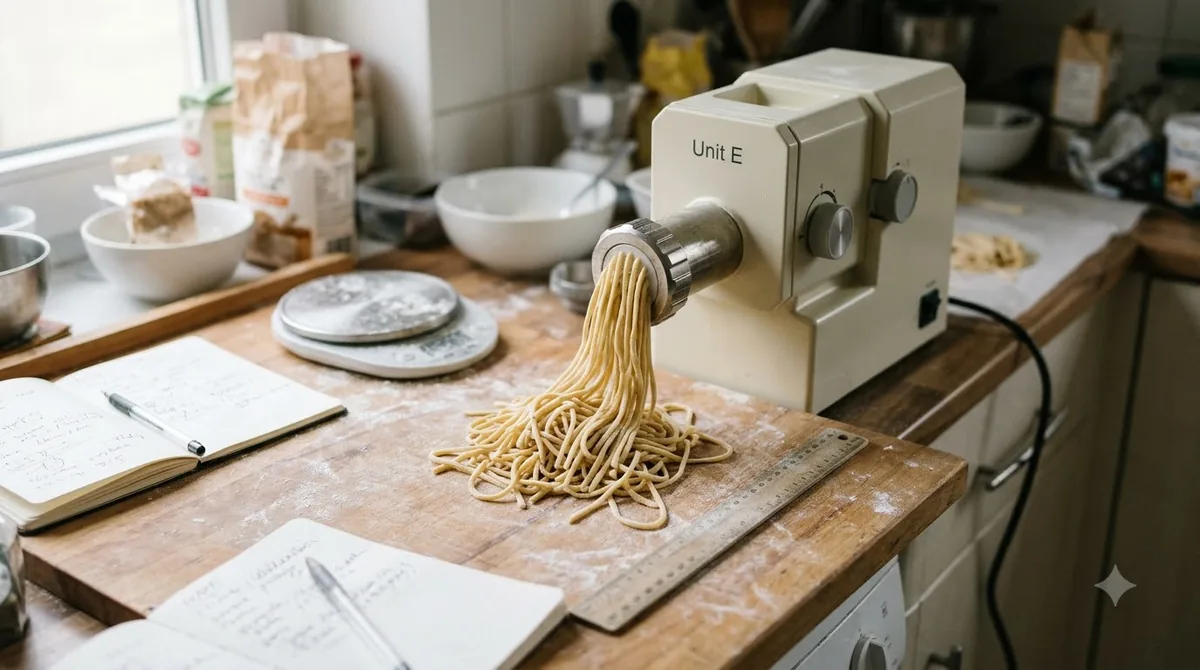

High protein pasta is pasta made with legume flours or added protein, and it usually lists more grams of protein per serving than standard durum pasta. The gap is real, but it depends on the type, the serving size and whether the figure is for dry or cooked pasta. Read the label before you compare two boxes side by side, because the numbers on the front of a package are not always on the same basis.
How Much Protein Is in High Protein Pasta?
Plain cooked durum pasta contains about 5.8 g of protein per 100 g, so that figure is the baseline for any high protein claim; it comes from durum wheat, explained in our guide on what durum wheat is. According to Wikipedia’s pasta article, the nutrition table for unenriched pasta lists 5.8 g of protein per 100 g cooked. That baseline is low, which is why legume and enriched pastas stand out on the shelf.
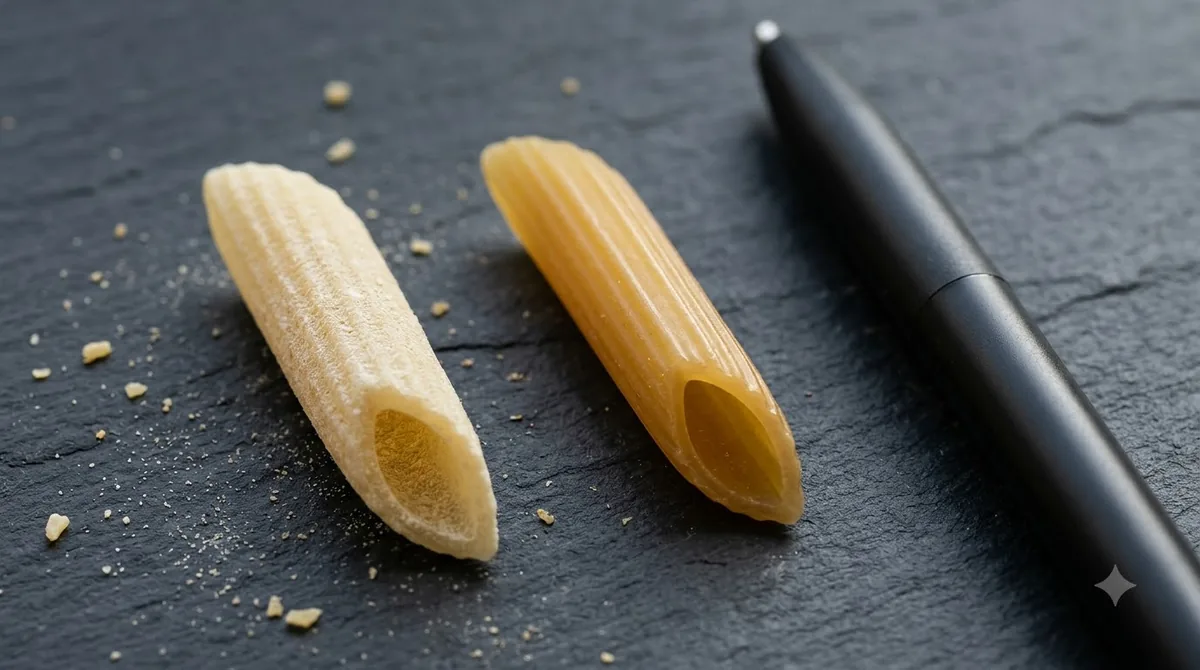
Two details change the number you see on a box. First, a serving is often written in dry grams or ounces, while a cooked cup weighs much more and holds less protein per cup. Second, some brands list protein per 2 oz dry serving and others list it per 3.5 oz. A high protein pasta that shows 20 g on one box may not be directly comparable with a box that shows 20 g on a different serving basis.
When you compare two high protein pastas, write down the serving size in grams first. Then check whether the protein figure is for dry or cooked pasta. This small step prevents most of the confusion that shows up in product reviews and ranking lists. A high protein pasta that looks like a winner on the front of the box can fall behind once both numbers are placed on the same basis, so the label deserves a closer look than the headline claim.
Which High Protein Pasta Types Have the Most Protein?
Edamame and red lentil pastas listed the highest protein in a Chowhound test published on April 5, 2026, at 42 to 44 g and 26 g per 3.5 oz serving. The same article gave 17 to 23 g for most wheat-based and chickpea-based boxes. Lupini bean pasta also appears in the mix, with lower numbers in that test than the top legume options.
| Pasta type (as tested) | Protein per 3.5 oz | Fiber per 3.5 oz |
|---|---|---|
| The Only Bean (edamame) | 44 g | Not listed |
| Explore Cuisine (edamame spaghetti) | 42 g | Not listed |
| Whole Foods 365 (red lentil) | 26 g | Not listed |
| Brami (lupini bean and semolina) | 21 g | 9 g |
| Banza (chickpea) | 20 g | 13 g |
| Goodles | 18 g | 12 g |
| Barilla | 17 g | Not listed |
Lentil pasta often sits between the legume leaders and the chickpea group in this test, but the spread overlaps. Chowhound used the same 3.5 oz serving for every brand, so the table compares like with like. It does not say whether each figure was for dry or cooked weight, so check the package before you plan a meal around it.
A seller’s own comparison lists lupini pasta at 20 g of protein per serving, with 15 g of fiber and 6 g of net carbs. The comparison chart does not label its serving basis, so treat it as a marketing figure rather than a neutral test result. The same page lists chickpea pasta at 11 g and traditional wheat pasta at 7 g per serving, which are also on an unstated basis.
How High Protein Pasta Compares With Regular Pasta
Chickpea pasta has about 8.13 g of protein per 100 g cooked, compared with 5.80 g for white wheat pasta and 5.99 g for whole wheat pasta. The same comparison shows chickpea pasta with more fiber than white wheat pasta and fewer carbs than either wheat pasta per 100 g, based on a table by Michael Joseph, MSc, ANutr, at NutritionAdvance’s chickpea pasta analysis, last updated May 4, 2023.
| Per 100 g, cooked | Chickpea | White wheat | Whole wheat |
|---|---|---|---|
| Protein | 8.13 g | 5.80 g | 5.99 g |
| Fiber | 3.25 g | 1.8 g | 3.9 g |
| Carbohydrates | 20.18 g | 30.9 g | 30.1 g |
| Calories | 132 kcal | 158 kcal | 149 kcal |
The table shows that a high protein pasta does not always mean a higher-fiber pasta. Whole wheat pasta carries more fiber than the chickpea pasta in this table (3.9 g against 3.25 g), even though chickpea pasta has more protein and fewer carbohydrates. Whether that trade-off suits you depends on how you plan your meals and how the pasta tastes once cooked.
How High Protein Pasta Cooks and Tastes
Enriched wheat pasta tastes closest to regular pasta, while edamame and red lentil types can turn chewy or gummy. Chowhound described one wheat-based brand as indistinguishable from regular wheat pasta, and a chickpea brand as silky and close to wheat pasta in texture. Edamame spaghetti became stringy and gummy when cooked, and red lentil penne stayed too chewy or too gummy across the cook times the reviewer tried.
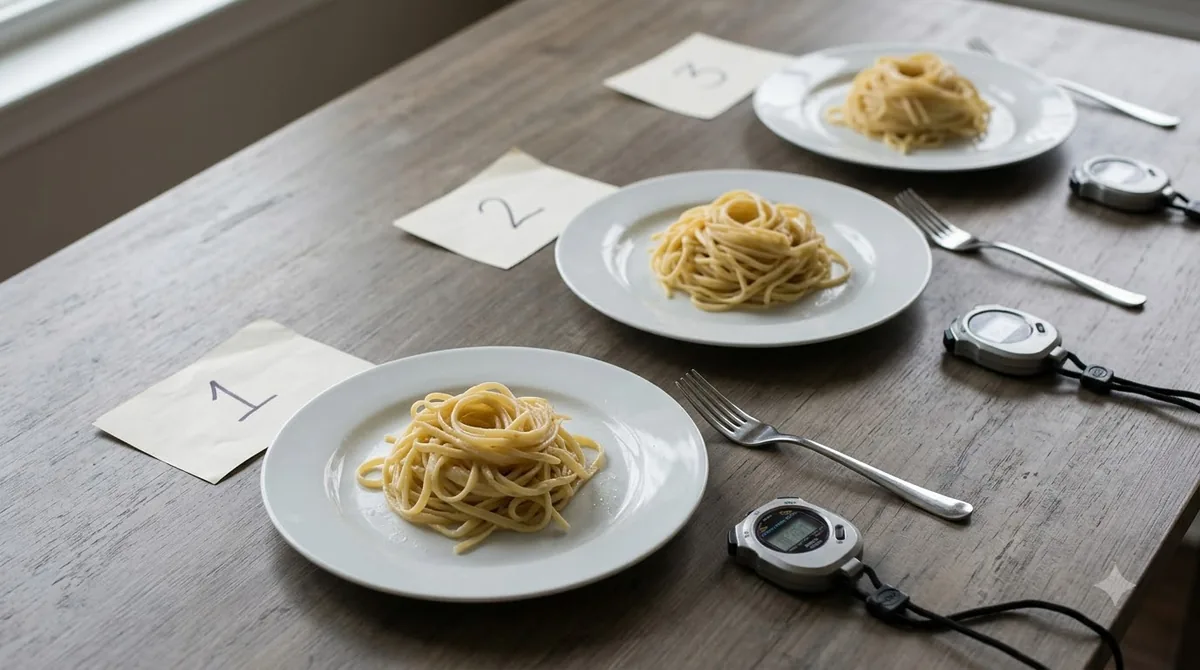
Because cook times vary, follow this routine the first time you cook a new high protein pasta:
- Read the cooking time on the package, and for the basic method see how to cook pasta al dente.
- Start tasting at the package time, then again every minute, because some legume pastas in the Chowhound test were still firm at the package time.
- Drain once it reaches the texture you want, then sauce it right away. Salt the water as you normally would; see whether you should salt pasta water.
The test also noted that one red lentil brand was undercooked at package directions and stayed tough even with extra minutes. If that happens, switch to a different shape or brand rather than overcooking the pasta until it falls apart.
Common Mistakes When Buying High Protein Pasta
The most common mistake is comparing protein numbers that use different serving sizes or different weight bases. A box that lists 2 oz dry and another that lists 3.5 oz will look very different even when the pasta is similar. Two boxes can show the same grams on different bases, so a comparison only works when both figures use the same serving.
- Judging only the front label instead of the Nutrition Facts panel.
- Expecting a legume pasta to cook exactly like durum wheat pasta.
- Draining edamame or lentil pasta on a timer without tasting it first.
Is High Protein Pasta Right for Your Kitchen?
High protein pasta suits cooks who want more grams per plate and are willing to accept a different texture. It is a practical choice when you cook for people who already like legume-based dishes. It is less suitable if you need a pasta that behaves exactly like regular durum pasta in a delicate sauce or a baked dish. If your goal is fewer carbohydrates instead, compare these low carb pasta alternatives.
This article does not give dietary advice, and it does not say how much protein you need. The Nutrition Facts panel on the box shows the grams of protein per serving, and that is the most reliable figure to use when you compare products. The exact percent Daily Value thresholds for “high” and “good source” protein claims were not confirmed from the sources used for this article, so read those terms on the label itself.
Frequently Asked Questions
Which high protein pasta has the most protein?
In the April 2026 Chowhound test, edamame pastas listed the most protein, with The Only Bean at 44 g and Explore Cuisine’s edamame spaghetti at 42 g per 3.5 oz. Red lentil pasta from Whole Foods 365 came next at 26 g. Compare the same serving size on each package before you decide.
Does high protein pasta taste like regular pasta?
Some do and some do not. Chowhound described one wheat-based brand as indistinguishable from regular wheat pasta, while edamame and red lentil types were more chewy or gummy. Taste a small portion before cooking for a crowd.
Why does some high protein pasta turn gummy?
Legume-based pastas can become gummy or stringy, and in the Chowhound test edamame spaghetti turned stringy and gummy when cooked. Start tasting at the package time and drain once the texture suits you.
How much protein is in regular pasta?
Unenriched cooked pasta contains about 5.8 g of protein per 100 g, according to the nutrition table cited on Wikipedia’s pasta article. Dried pasta weighs less, so the figure per dry gram differs. Check the package for the serving basis.
Should I compare dry or cooked weight on the label?
Compare the same basis for every box. Cooked pasta weighs more than dry pasta because it absorbs water, so a cooked-weight figure and a dry-weight figure cannot be compared directly. Check which basis each package uses before you decide.
If you want the most protein per plate, start with edamame or red lentil pasta and accept a chewier texture. If you want something that tastes closest to regular pasta, choose a protein-enriched wheat or chickpea option and expect a smaller gap in grams. Test one high protein pasta box at a time, and write down the serving size so the next purchase is an easy comparison.
 9 min readLearnHow Much Pasta Per Person Do You Really Need?Updated Nov 10, 2026
 8 min readLearnHigh Hydration Pizza Dough: What It Is and How to Handle ItUpdated Nov 10, 2026
 8 min readLearnTubetti vs Ditalini: Are They Really Different?Updated Nov 10, 2026
 5 min readLearnFresh Pasta for 4 People: How Much Dough to MakeUpdated Nov 13, 2026
 9 min readLearnShould You Salt Pasta Water? Yes, Here Is How MuchUpdated Nov 10, 2026
 8 min readLearnHow to Get Pizza Oven Hotter at HomeUpdated Nov 7, 2026