
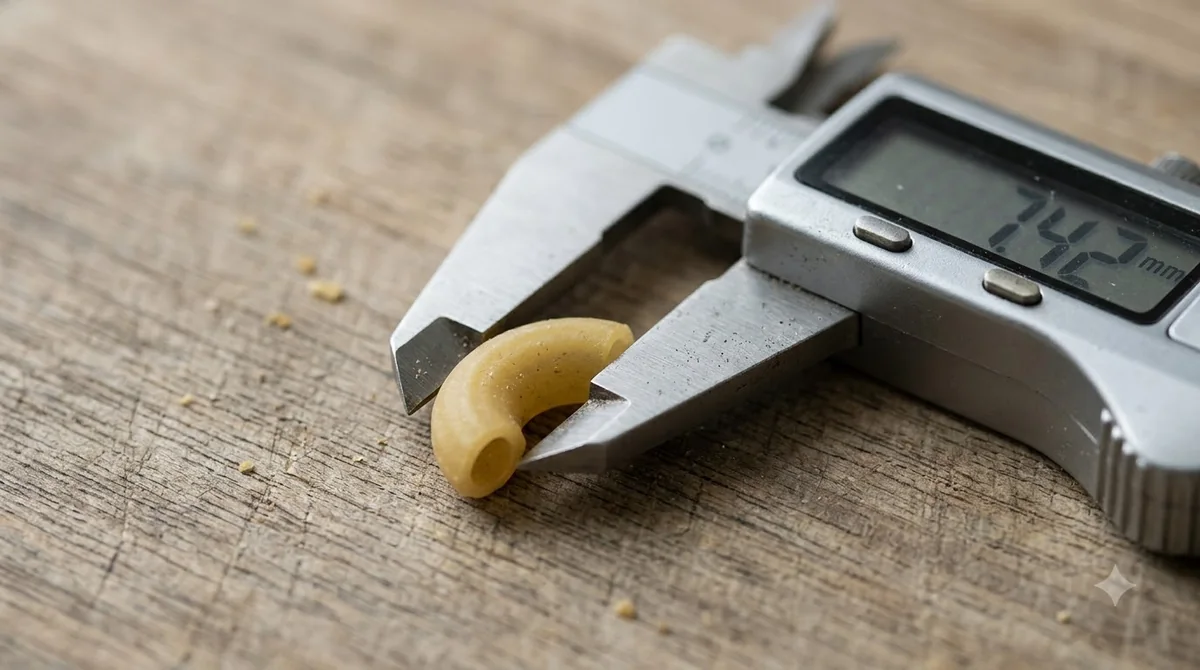

The tubetti vs ditalini question has a short answer: they are two names for nearly the same small tube pasta. Tubetti is usually described as slightly wider, and both are used mainly in soups. Recipes and packaging often treat them as interchangeable, so most cooks can swap one for the other without changing the dish.
For tubetti vs ditalini in soup, pick either one and let the cooking time on the box guide you. Only a recipe that names one shape needs an exact match.
| Pick | Best for | Key fact |
|---|---|---|
| Tubetti | Soups and legume dishes where a slightly wider tube is wanted | Typically no wider than 1.3 cm (0.5 in), about 0.6 cm long |
| Ditalini | Classic minestrone and pasta e fagioli | Cooks in about 8 to 9 minutes, according to DeLallo |
Tubetti vs Ditalini: What They Have in Common
In tubetti vs ditalini, both are small, short, hollow tubes, and both are used mostly in soups and cold pasta salads.
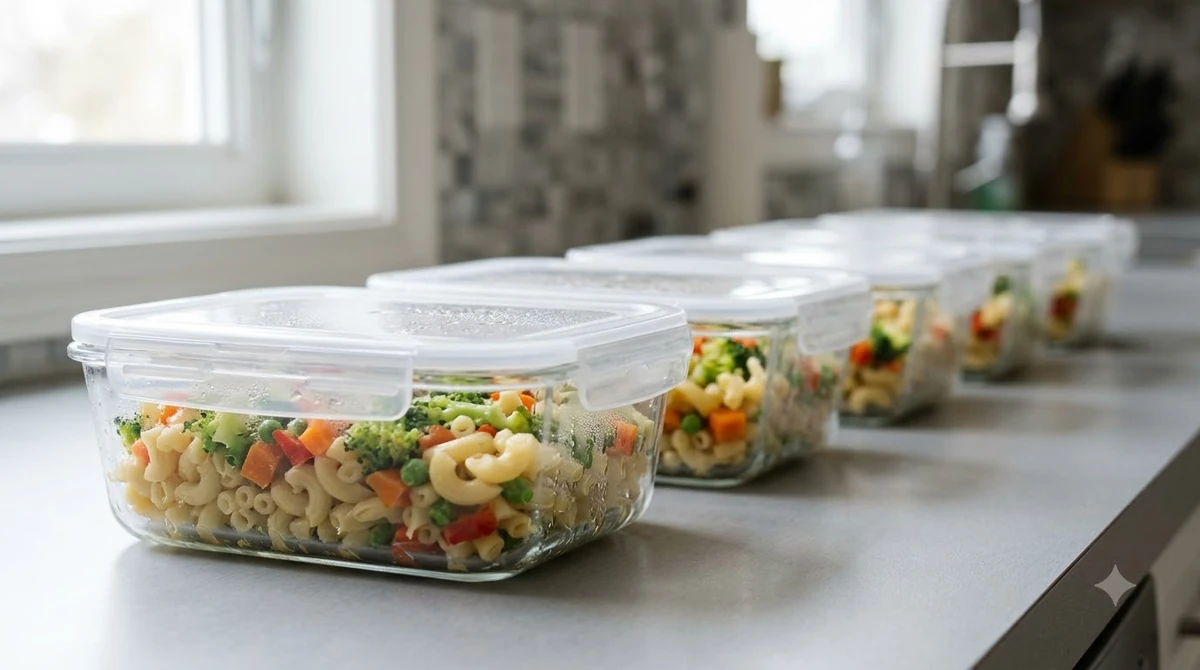
Ditalini means “little thimbles” in Italian, a reference to its small tubular shape (see our ditalini pasta guide for more on the cut). Wikipedia also lists tubettini as another name for the same pasta and does not describe any difference between the two.
Tubetti means “little tubes,” and our tubetti pasta overview covers the cut on its own, so both names describe the same basic idea. That overlap explains why store shelves and recipe blogs mix the terms. The shape in the bowl is usually a small, straight tube either way.
Tubetti vs Ditalini Size: How They Compare
In the tubetti vs ditalini size comparison, tubetti is generally a little wider, but none of the sources we read gives a millimeter figure for ditalini, so check the package if you need an exact size.
DeLallo, a pasta maker, says tubetti tends to be slightly wider than ditalini and calls the two a very similar shape. The same page gives no measurements, so the difference is best read as small rather than precise.
The only measured figures come from a different source. Delighted Cooking reports that tubetti is typically no wider than half an inch (1.3 centimeters), and that most packaged tubetti is cut to about one-quarter inch (0.6 centimeters) long. Those numbers describe tubetti only, so do not assume they apply to every ditalini box.
| Feature | Tubetti | Ditalini |
|---|---|---|
| Meaning | Little tubes | Little thimbles |
| Width | Typically no wider than 1.3 cm (0.5 in) | Slightly narrower, no millimeter figure published |
| Length | About 0.6 cm (0.25 in) | Very short pieces |
| Cook time | About 8 to 12 minutes for packaged pasta, on average | About 8 to 9 minutes |
| Common uses | Soups, broths, tomato sauces, legume dishes | Soups, minestrone, pasta e fagioli, cold salads |
Length varies too. Delighted Cooking notes that most manufacturers package tubetti in short pieces, while some restaurants serve the long form, so the 0.6 cm figure describes the typical box rather than every tubetti you might be served.
Ditali is a larger sibling, and ditaloni is larger still, according to The Pasta Project. That site notes that all three sizes come in smooth and grooved versions, with grooved shapes holding heavier sauces better. If a recipe calls for something chunkier than either tube, look at ditali before you reach for a wider tube. Our ditaloni pasta guide covers the largest of the three sizes.
Origin and Naming: Where the Two Names Come From
In the tubetti vs ditalini origin story, the sources do not agree on where ditalini began, and tubetti is credited to a different region, so origin does not clearly separate the two shapes.
Wikipedia links the growth of ditalini production to the industrial age in Apulia, Italy, and describes it as a mass-produced pasta today. DeLallo places its origin in Puglia, the Italian name for the same region, but its body text says ditalini is popular in Sicily. Those are different claims about one shape, so read the origin as unsettled rather than fixed.
Delighted Cooking credits tubetti to Campania in southern Italy. That is a separate region from the Apulia claim for ditalini, which is why the origin story does not explain the naming overlap.
The Pasta Project explains that “ditale” means thimble in Italian, and the family is named in three sizes: ditaloni (big thimbles), ditali (little thimbles) and ditalini (very little thimbles). The same site notes that packaging often uses these names loosely. In one case the author bought a packet labeled ditaloni that her husband identified as ditali, so the name on the front of a box may not match the shape inside.
How Long to Cook Tubetti and Ditalini
Cook either shape for the time printed on the box, usually around 8 to 9 minutes, and add it late to soup so it keeps its shape.
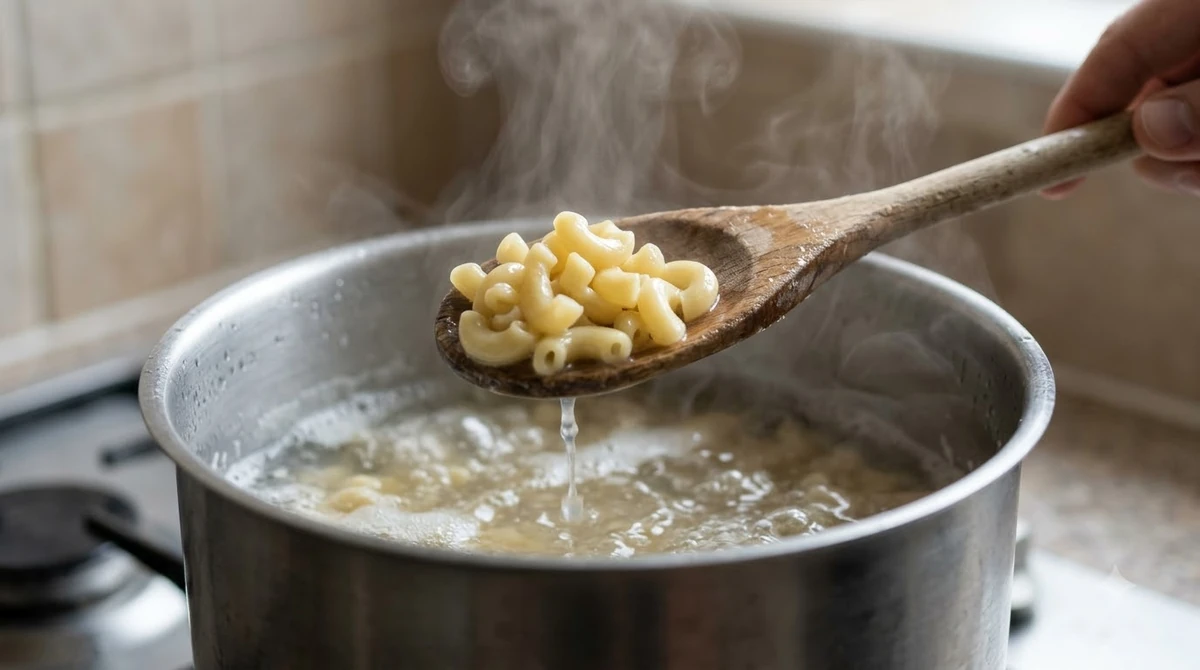
DeLallo gives 8 to 9 minutes for ditalini. Delighted Cooking gives a wider range of about 8 to 12 minutes for packaged pasta in general. The gap matters because brands differ, so treat the box as the most reliable guide and the sources as a starting point.
The surface of the pasta also matters. The Pasta Project says grooved pasta is usually served with heavier sauces, while smooth pasta suits soups and lighter sauces. For a clear broth, a smooth box is the more natural fit.
For tubetti and ditalini alike, a simple routine works well:
- Read the cooking time on the box and start tasting one minute before it ends.
- Boil the pasta in well-salted water until al dente, then drain it.
- For soup, stir it into the simmering pot during the final few minutes so it does not turn mushy.
- Serve soon, because pasta left sitting in soup keeps softening.
Tubetti vs Ditalini: Which Pasta Should You Choose
Choose ditalini when a recipe names it, especially minestrone or pasta e fagioli, and choose tubetti when a recipe asks for a slightly wider tube.
The Pasta Project describes ditalini as pretty small and mostly used in soups. It suggests that the larger ditali and ditaloni suit creamier soups, salads, pasta bakes, and tomato, meat or seafood sauces. DeLallo adds that ditalini also turns up in pasta bakes, mac and cheese and simple dishes with peas, so the uses overlap more than the names suggest.
Soup is the main job for both. Wikipedia says ditalini is ideal for soups because its small size lets it fit well on a spoon, and it lists pasta e fagioli and pasta salads among its uses. Delighted Cooking names minestrone and Italian wedding soup as common homes for tubetti, along with broths, tomato-based sauces and legume dishes.
Substitution is simple in most recipes. DeLallo calls tubetti a very similar shape and a good swap for ditalini, so a pantry with only one of them is not a problem when you compare tubetti vs ditalini on the shelf. Wikipedia adds that in Campania, small tubes like these are often paired with creamy sauces, or with peas and beans, which lodge in the pasta’s center.
- Use ditalini when a recipe names it, especially for minestrone or pasta e fagioli.
- Use tubetti when a recipe asks for a slightly wider bite or lists it by name.
- Check the box for the cooking time, since brands vary within the 8 to 12 minute range.
Frequently Asked Questions
Tubetti vs ditalini: are they the same pasta?
They are very close. Wikipedia treats ditalini and tubettini as the same pasta, and tubetti is described as slightly wider, so the difference is small.
Is tubettini the same as ditalini?
Wikipedia lists tubettini as another name for ditalini. Packaging does not always follow that rule, so check the ingredient list and shape if a recipe is specific.
Can I use tubetti instead of ditalini in soup?
Yes. In a tubetti vs ditalini swap, DeLallo calls tubetti a good substitute, and both shapes are used in the same soups, including minestrone.
Tubetti vs ditalini: which one cooks faster?
The sources list ditalini at about 8 to 9 minutes and packaged tubetti at about 8 to 12 minutes. Brands differ, so the time printed on your box is the one to follow.
Are there gluten-free tubetti and ditalini?
Delighted Cooking says gluten-free tubetti exists, but it does not name a brand. Check the label of the specific box you plan to buy, because shape names are used loosely and an ingredient list is the only reliable guide.
Why does a box say ditalini but look like tubetti?
The Pasta Project notes that small pasta names are used loosely, and packaging often mixes ditali, ditalini and ditaloni. Our bow tie pasta vs farfalle comparison shows the same naming overlap in another shape. The tube in the bowl may be the same even when the label differs.
When tubetti vs ditalini comes up in a recipe, buy the shape it names. If it only calls for small tube pasta, either works well in soup, so let the cooking time on the box decide the timing. Browse more shapes in our pasta and pizza learning guides, add the pasta late, and taste often.
 8 min readLearnCappelletti vs Tortellini: Shape, Filling and How They Are ServedUpdated Nov 6, 2026
 8 min readLearnShells Pasta: What They Are and How to Cook ThemUpdated Nov 7, 2026
 8 min readLearnWhat Is Gnocchi? Ingredients, Types and How They Are CookedUpdated Nov 6, 2026
 7 min readLearnJumbo Shells Pasta: What They Are and How to Cook ThemUpdated Nov 10, 2026
 8 min readLearnFusilli Bucati Pasta: What Makes This Hollow Spiral DifferentUpdated Nov 6, 2026
 8 min readLearnTubetti Pasta: Size, Uses and Cook Time ExplainedUpdated Nov 10, 2026