

The amatriciana sauce recipe is a tomato sauce from Amatrice, a small town in the Lazio region of central Italy, built on guanciale, pecorino and dried chili. It is one of the best-known pasta sauces from central Italy, and it is simple enough to make on a weeknight. The main choices that change the result are the cured pork, the cheese, and whether garlic or onion goes in.
What Is an Amatriciana Sauce Recipe?
An amatriciana sauce recipe is a tomato-based sauce that comes from Amatrice, in the province of Rieti, and it is registered as a traditional speciality in both the EU and the UK. The sauce is made by rendering guanciale, adding tomato, and finishing with grated pecorino.
Italy recognizes the dish as a traditional agri-food product of Lazio, and the town itself is its reference point. Recipes outside Amatrice vary, but most cooks in Rome and beyond still start from the same pork, cheese and chili base. The history of the dish is closely tied to the town and its surroundings.
The sauce is a close relative of pasta alla gricia, which uses the same guanciale and pecorino but no tomato. Tomato entered the gricia base only in the late 18th century, so the tomato version is the newer of the two. The first written record of pasta with tomato sauce appears in Francesco Leonardi’s 1790 cookbook, which makes the amatriciana sauce recipe a fairly recent addition to the Italian table. Our pasta alla gricia recipe shows the version without tomato.
Which Ingredients Belong in an Amatriciana Sauce?
The core list for any amatriciana sauce recipe is guanciale, pecorino, tomato, dried chili, black pepper, olive oil, dry white wine and salt. Each one has a clear job, and most of the disagreement is about the pork and the cheese.
Guanciale is the foundation of the sauce, and what guanciale is is worth reading if you have never bought it. It is a salt-cured meat product made from pork jowl or cheeks, and its name comes from guancia, the Italian word for cheek. Cooks in Rome usually rub it with salt and black pepper, while some producers add other spices. Its rendered fat thickens and flavours the sauce, and its taste is stronger than pancetta, with a more delicate texture. Pancetta is a substitute when guanciale is hard to find, not an equal swap (compare pancetta vs guanciale), and the curing process for guanciale explains why the two differ.
The cheese is either pecorino romano or pecorino di Amatrice, and what pecorino romano is covers the first of the two. The Amatrice version is named for the town and is associated with the Sibillini or Monti della Laga areas. Either pecorino is grated over the pasta to finish the sauce.
Tomatoes, dried chili and dry white wine round out the sauce. Olive oil is the most common fat for frying, although lard (strutto) appears in older versions. Garlic and onion are the most debated additions. The municipal government of Amatrice has said that the only ingredients in a true amatriciana sauce are guanciale, pecorino and white wine, and many handbooks list onion as unfavoured rather than required.
How to Make the Amatriciana Sauce Recipe, Step by Step
Render the guanciale slowly, build the sauce in its fat, simmer the tomato until it thickens, and finish the pasta with cheese and a little cooking water.
Work through this amatriciana sauce recipe in order, keeping the heat moderate so the fat renders without the meat hardening.
- Cut the guanciale into strips or small cubes and start it over moderate heat so the fat melts out slowly.
- Cook until the fat has rendered and the edges of the meat are crisp, then drain off only the excess fat.
- Add the dried chili and let it warm in the fat for a short time, without letting it scorch.
- Pour in the dry white wine and let it reduce until most of the liquid has cooked off.
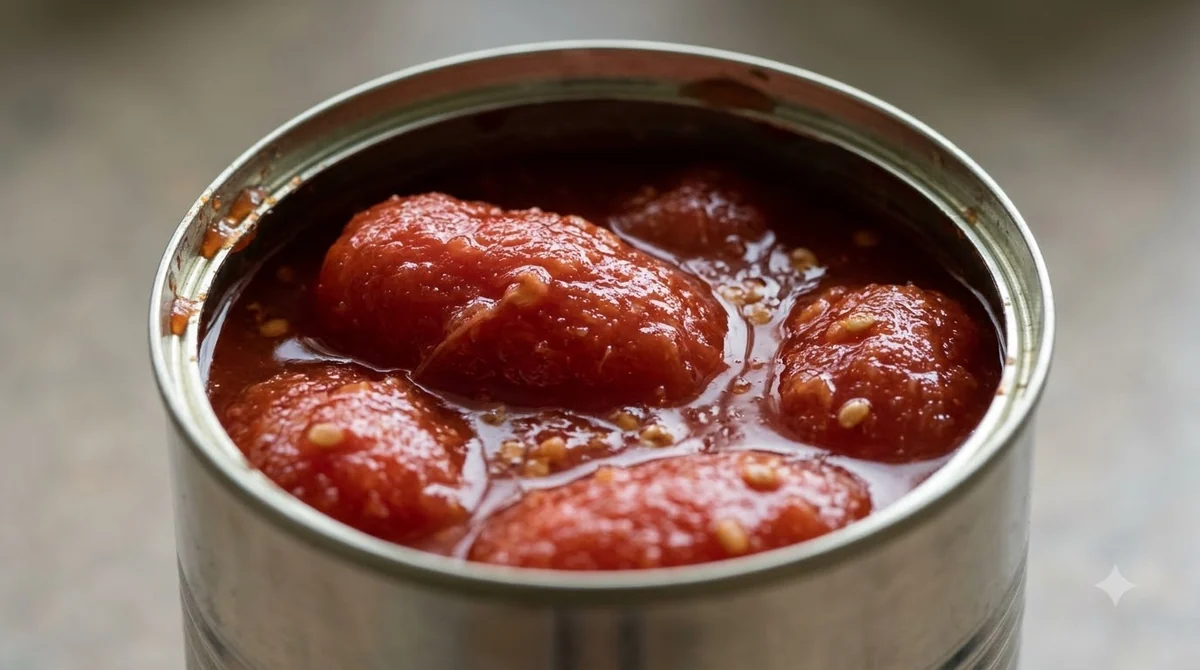
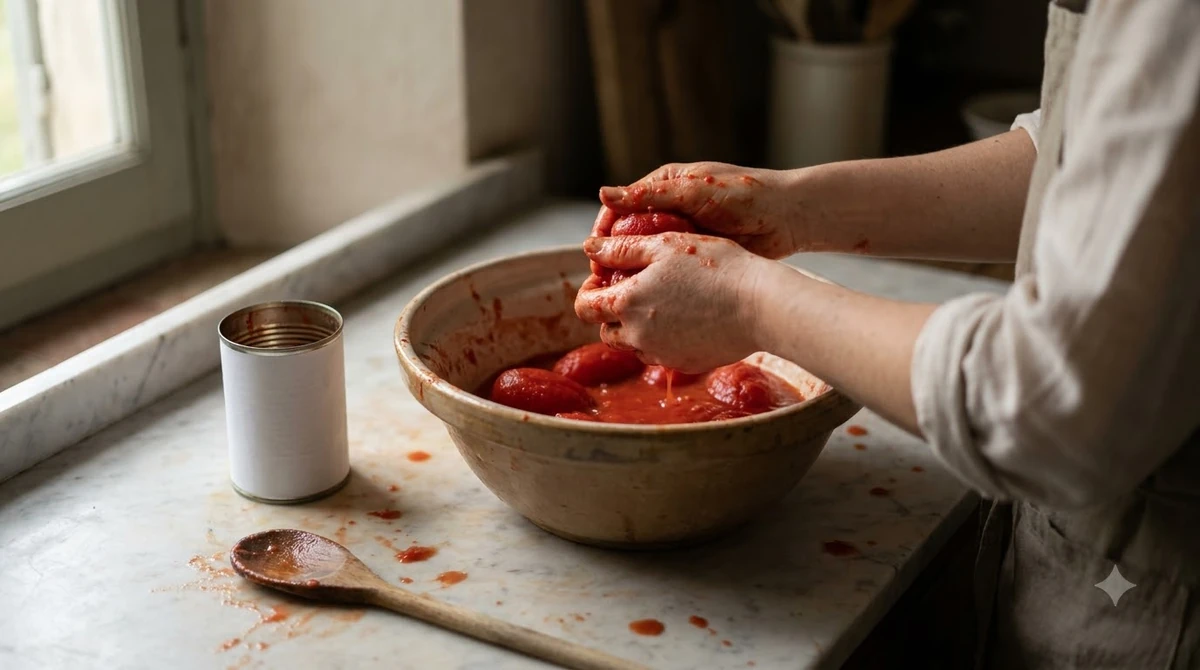
- Add the tomatoes, crushed by hand or cut into pieces, and simmer until the sauce thickens.
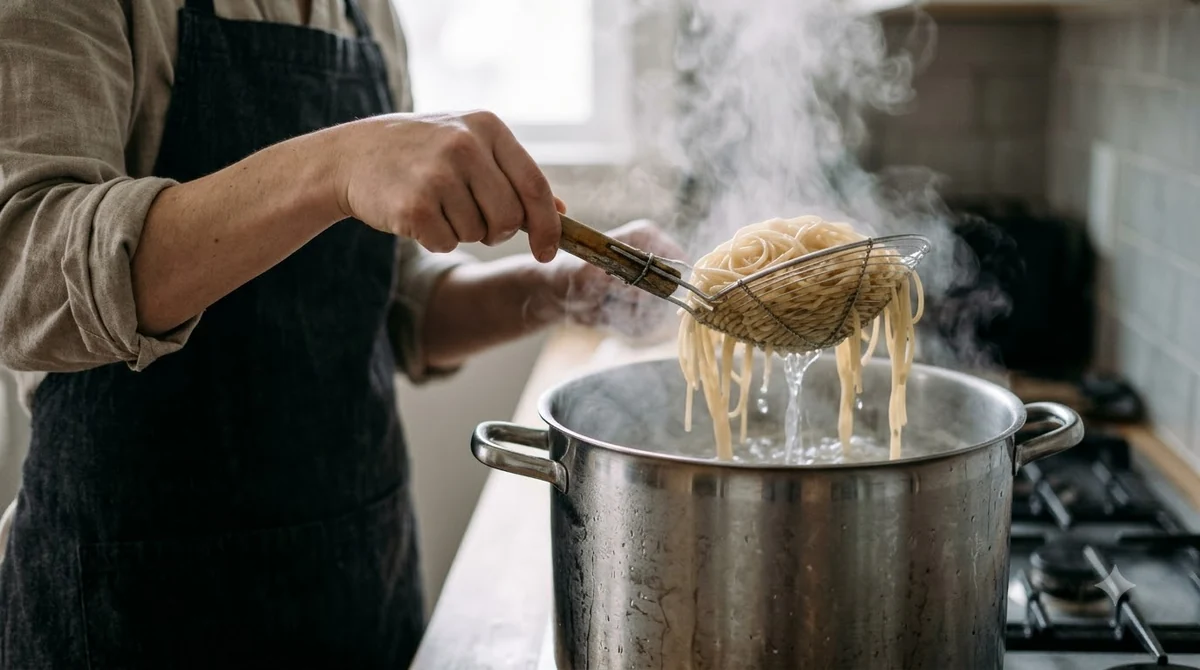
- Cook the pasta in well-salted water until al dente, following the time on the package, and reserve some of the starchy water.
- Toss the drained pasta in the sauce with grated pecorino, adding a splash of the reserved water to loosen it.
The history sources do not give tested amounts, so here is one published home version of an amatriciana sauce recipe for scale. Taste of Home’s spaghetti all’amatriciana serves 6 and uses 12 ounces of guanciale or pancetta, 2 medium carrots, 1 large onion, 2 tablespoons of butter, 4 garlic cloves, 1/2 cup of dry red wine, one 28-ounce can of whole tomatoes, 2 tablespoons of olive oil, 1/4 teaspoon of crushed red pepper flakes and 16 ounces of spaghetti.
It crisps the pork for 5 to 8 minutes, cooks the vegetables for 5 to 7 minutes, simmers the tomatoes for 30 to 40 minutes and saves 1 cup of pasta water. It is a modern variant, because it adds carrot, onion, red wine and herbs that the Amatrice view above does not favour, so use its amounts as a guide to scale rather than as the traditional recipe.

Which Pasta Works Best With Amatriciana?
Bucatini is the most common pairing in Rome today, while Amatrice traditionally served the sauce with spaghetti.
Bucatini is a long, hollow pasta, usually 25 to 30 cm long with a diameter of about 3 mm, and it comes from Lazio. The hole through the centre lets the sauce reach the inside of each strand, which is why it suits a thick, guanciale-rich sauce. The shape and its name come from the Italian word buco, meaning hole.
Amatrice itself traditionally served spaghetti pasta, so it is the historical alternative to bucatini. Rome’s preference for bucatini is the sources’ main point on pasta choice.
Where the Name and the Tomato Came From
The name of the amatriciana sauce recipe is tied to Amatrice, and the earliest known written recipes date from the early 20th century, long after the tomato had reached Italian kitchens.
In 1914, Amedeo Pettini’s cookbook gave what appears to be the first recipe named “spaghetti all’amatriciana”, and it used pork belly rather than guanciale. In 1930, Ada Boni’s book distinguished the tomato version from a tomato-free dish called spaghetti alla marchiciana, which resembles gricia.
The origin of the word gricia itself is unclear, and historians link it either to traders from Valtellina or to a hamlet near Amatrice. These dates show the earliest attested use in print, not the moment the sauce was invented.
Common Mistakes With the Sauce
Most errors in an amatriciana sauce recipe come from swapping the pork or the cheese and from draining the pasta too early.
- Treating pancetta or bacon as a direct equal of guanciale, when its flavour is milder and its texture is different.
- Adding garlic or onion by default, although the town does not favour either in its version.
- Letting the guanciale burn before the tomato goes in, which makes the whole sauce bitter.
- Draining the pasta and tossing it dry, so the sauce slides off instead of coating each strand.
- Skipping the reserved pasta water, which is the easiest way to loosen a thick sauce.
Keep the pork and the cheese as close to the traditional choices as you can, and the rest of the sauce will follow.
Frequently Asked Questions
Is amatriciana the same as gricia?
No. Amatriciana is a tomato sauce, while gricia uses the same guanciale and pecorino base without tomato. The amatriciana sauce recipe is essentially the gricia recipe with tomato added.
Can I use pancetta instead of guanciale?
Yes, as a substitute. Guanciale has a stronger flavour and a more delicate texture, so pancetta will give a milder amatriciana sauce recipe than the traditional one.
Should garlic go into an amatriciana sauce recipe?
Traditionally, no. The municipal government of Amatrice says the true version uses guanciale, pecorino and white wine, and onion is also not favoured.
Which cheese should I use?
Pecorino romano or pecorino di Amatrice are the two traditional choices named in the sources. The Amatrice version is associated with the Sibillini or Monti della Laga areas.
How long does guanciale take to cure?
The brining stage takes a few weeks, then the meat is air-cured for weeks to months until it loses about 30 percent of its original weight. The sources do not give a single total duration.
Is there one fixed amatriciana sauce recipe?
No. Versions of the amatriciana sauce recipe differ by household and region, so the core ingredients matter more than any fixed set of amounts, and the home version above differs from the Amatrice one. The step list above is the traditional outline, and the Taste of Home version in the method section shows one set of amounts if you want numbers.
Start with real guanciale, use a good tomato, and keep garlic out unless you are deliberately making a different dish. Save some pasta water before you drain, because it helps the sauce cling. A simple, well-made amatriciana sauce recipe depends far more on the pork and the cheese than on any extra seasoning.
 8 min readLearnPasta alla Gricia Recipe: Guanciale, Pecorino and Black PepperUpdated Nov 10, 2026
 6 min readLearnHow to Make Bucatini All’Amatriciana: Step-by-Step Roman RecipeUpdated Nov 13, 2026
 9 min readLearnArrabbiata Sauce Recipe: How to Make Spicy Roman Tomato SauceUpdated Nov 10, 2026
 8 min readLearnHomemade Pizza Sauce Recipe: 3 Easy Tomato TipsUpdated Nov 10, 2026
 8 min readLearnPink Sauce Recipe: How to Make Creamy Tomato Pasta Sauce at HomeUpdated Nov 11, 2026
 8 min readLearnRagu Bianco Recipe: A Tomato-Free White Meat SauceUpdated Nov 11, 2026