
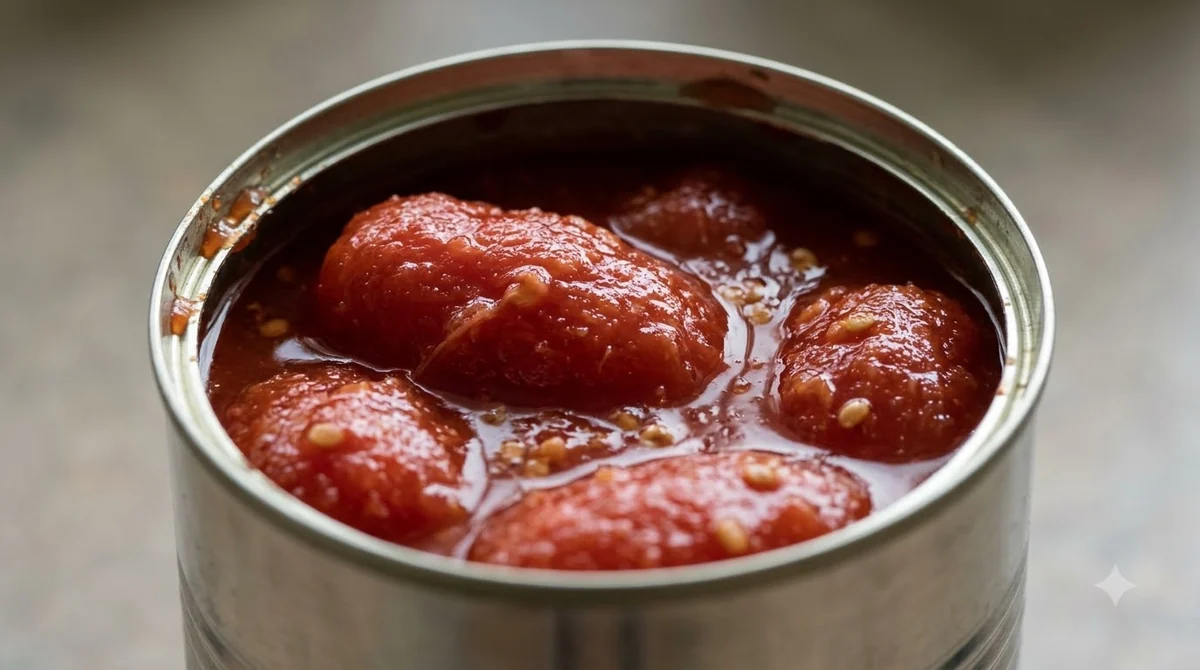

An arrabbiata sauce recipe gives you a spicy tomato sauce from Rome, built on garlic, chili, tomatoes, parsley and olive oil. The name means “angry” in Italian, a nod to its heat. Its short ingredient list makes the chili level the main decision.
The method is short, but small choices change the result. This arrabbiata sauce recipe guide covers where the sauce comes from, what each ingredient does, how to build the flavor, and how to control the heat.
What is arrabbiata sauce?
Arrabbiata sauce is a spicy tomato sauce from Lazio, particularly Rome, that was developed in the 1950s and 1960s. According to Wikipedia’s arrabbiata sauce entry, it took shape when spicy food was fashionable in Roman cooking.
The name is Italian for “angry.” In Roman dialect, arrabbiato describes a flavor pushed to excess. Dishes cooked with plenty of oil, garlic and peperoncino to provoke a strong thirst are called arrabbiato, so the word suits a sauce that bites.
The typical base contains no meat. The listed ingredients are tomatoes, garlic, peperoncino, parsley and extra virgin olive oil. Restaurant and packaged versions can differ, so read the label or menu description if you want a meat-free sauce.
Core ingredients and why they matter
A classic arrabbiata sauce recipe uses tomatoes, garlic, peperoncino, parsley and extra virgin olive oil, and each one has a clear job.
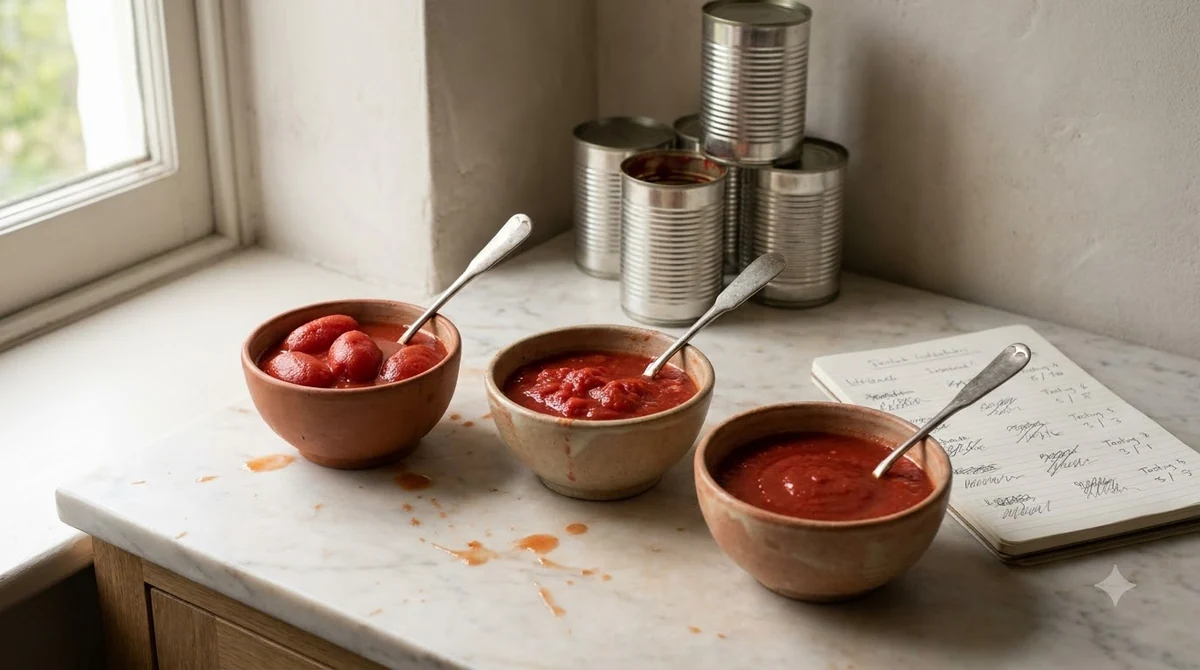
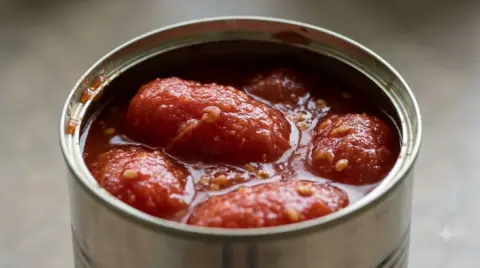
- Tomatoes form the body of the sauce. Well-flavored canned tomatoes are a practical choice when fresh tomatoes are out of season.
- Garlic gives a sharp, savory base that softens as it cooks into the oil.
- Peperoncino is the source of the heat and the reason the sauce has its name.
- Parsley is added at the end for a fresh, green finish that balances the chili.
- Extra virgin olive oil (see what extra virgin olive oil is) carries the chili flavor and forms the cooking base.
Because the list is short, each ingredient shows up clearly in the finished sauce. Good olive oil and well-flavored tomatoes matter more in an arrabbiata sauce recipe than in a long recipe with many seasonings, since nothing else is there to hide a flat taste. Buy the best tomatoes and oil your budget allows, and keep the garlic and chili in proportion to them. For another simple Italian tomato sauce, this one with fried eggplant, see pasta alla norma with ricotta salata.
How to make an arrabbiata sauce recipe at home
To make arrabbiata sauce, cook garlic and chili gently in olive oil, add the tomatoes, simmer until the sauce thickens, and finish with parsley.
The sources read for this guide do not give exact amounts or cooking times, so take quantities from a tested arrabbiata sauce recipe rather than from memory. The steps below follow the core method shared by the ingredients.
- Warm extra virgin olive oil in a wide pan over low heat.
- Add sliced garlic and chili, and cook until the garlic is fragrant but not browned, since browned garlic turns bitter.
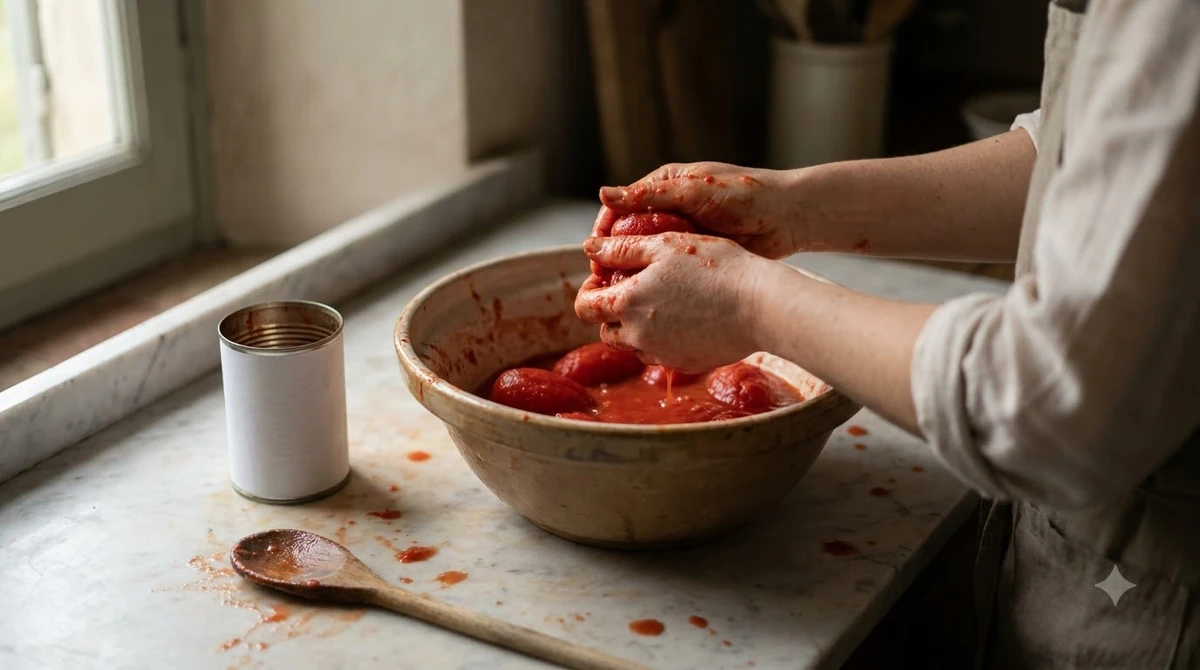
- Crush the tomatoes by hand or with a spoon, then add them to the pan.
- Simmer until the sauce thickens and the raw tomato taste fades. The same method is shown in how to make marinara sauce.
- Stir in chopped parsley off the heat, then taste for salt and heat.
Hand-crushed tomatoes keep some texture, while a blender gives a smooth sauce. Either works with the same arrabbiata sauce recipe, so choose the texture you prefer.
The order of the steps has a clear logic. Cooking the garlic and chili in oil first lets their flavor move into the fat, which then coats the tomatoes as they go in. Adding the parsley last keeps its color and fresh taste, because long simmering dulls it. If you change the order, expect a flatter sauce with less aroma, and taste more often so you can correct the balance before the pan reduces too far.

Controlling the chili heat
Calabrian peperoncino rates 15,000 to 30,000 Scoville heat units, so the same amount of chili can taste very different from one batch to the next. Wikipedia’s peperoncino entry notes that the Scoville rating is only a rough guide, because heat varies widely among cultivars.
Cooks in Italy use peperoncini with moderation, and flavor is valued above heat. Add the chili in stages, simmer, and taste before adding more. Heat grows slightly as the sauce reduces, so the finished arrabbiata sauce recipe often tastes hotter than the first spoonful.
If you want a milder result, keep the chili modest and let the tomatoes and garlic carry more of the flavor. Any arrabbiata sauce recipe you follow should be adjusted this way, because the chili you buy may be hotter or milder than the one a recipe author used.
Cheese and variations
Grated Parmesan or pecorino romano is a listed variation of arrabbiata sauce, and it is a matter of taste rather than a rule.
Hard cheese adds salt and savory depth, which can soften the chili. Some arrabbiata sauce recipe versions finish with cheese at the table, while others stir a little into the pan. Add a small amount, taste, and adjust before serving.
Serving arrabbiata sauce with pasta
An arrabbiata sauce recipe is a pasta sauce, and the cookbook record of tomato sauce on pasta goes back to 1790. Wikipedia’s tomato sauce entry names L’Apicio moderno as the first known use of tomato sauce with pasta.
When you serve an arrabbiata sauce recipe with pasta, a few habits help the sauce cling to the noodles:
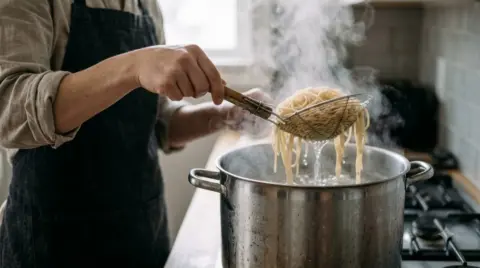
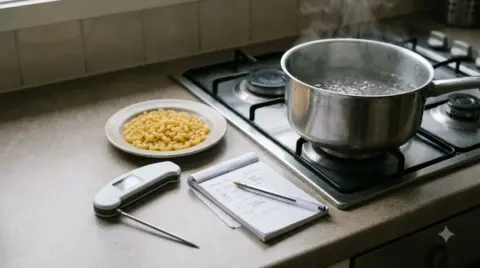
- Check the package for the cooking time, and cook the pasta to the time printed on it (how to cook pasta al dente has the technique).
- Reserve a cup of starchy cooking water before draining, and use a splash to loosen the sauce, as explained in starchy pasta water for sauce.
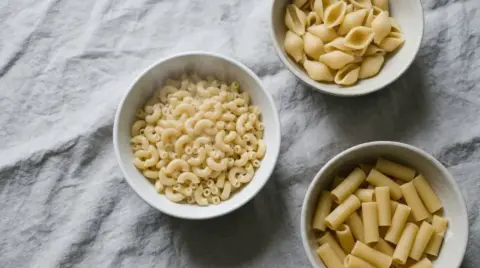
- Choose shapes with ridges or hollows, such as penne pasta, which hold the sauce better than smooth, thin strands.
An arrabbiata sauce recipe suits anyone who enjoys a clear chili bite and a tomato base without heavy cream or meat. It is a poor fit for guests or children who avoid heat, and for anyone who wants a mild, rich sauce. In that case, reduce the chili sharply or choose a milder tomato sauce for the pan.
Common mistakes and what to check
The most common mistake is adding all the chili at once, because the heat builds as the sauce reduces.
- Adding all the chili before tasting the sauce.
- Browning the garlic, which makes the sauce bitter.
- Leaving out the parsley, which adds freshness against the heat.
- Seasoning too early, before the sauce has reduced and concentrated.
Tasting is the simplest check. Taste once the tomatoes have simmered, again near the end, and once more after the parsley goes in. Each check tells you whether the sauce needs salt, more chili, or a longer simmer, and it is the habit that separates a balanced arrabbiata sauce recipe from one that is merely hot.
Leftover sauce should be cooled and refrigerated promptly. The USDA publishes current guidance on how long cooked food can be kept, so check that source for storage periods rather than relying on a number from memory.
What this guide has not verified
Exact quantities, cooking times and storage periods are not confirmed in this guide, so use a tested recipe for amounts and check current USDA guidance for storage.
The sources read for this page covered the origin, the ingredient list, the meaning of the name and the chili heat range. They did not give amounts or times for a complete recipe, so those figures are left out rather than estimated. To check them, compare two tested recipes from established cooking publications and note where their tomato and chili amounts differ.
Frequently Asked Questions
What does arrabbiata mean?
Arrabbiata means “angry” in Italian, and the name refers to the sauce’s strong chili heat. In Roman dialect, arrabbiato describes a flavor pushed to excess, so the word signals a sauce meant to bite.
Is arrabbiata sauce from Rome?
Yes. Arrabbiata sauce comes from the Lazio region of Italy, particularly Rome. According to Wikipedia, it was developed in the 1950s and 1960s, when spicy food was fashionable in Roman cooking.
Does arrabbiata sauce contain meat?
The typical base contains no meat. The listed ingredients are tomatoes, garlic, peperoncino, parsley and extra virgin olive oil. Restaurant and packaged versions can differ, so check the ingredient list of any arrabbiata sauce recipe or product before you buy or order.
Can I add cheese to arrabbiata?
Yes. Adding cheese to an arrabbiata sauce recipe is allowed, and grated Parmesan or pecorino romano is a listed variation. Add a small amount, taste, and adjust, because hard cheese brings its own salt and can soften the chili.
How hot is peperoncino?
Calabrian peperoncino rates 15,000 to 30,000 Scoville heat units, according to Wikipedia’s peperoncino entry. That range is a rough guide only, because heat varies between cultivars, so taste as you cook.
What is peperoncino?
Peperoncino is an Italian chili pepper. According to Wikipedia, the diminutive suffix “ino” means smaller, and the green fruit turns red as it ripens. Calabria is well known for its peperoncini, which are dried, crushed, pickled or made into paste.
How do I keep arrabbiata from getting too hot?
Add chili gradually, taste after the sauce has simmered, and remember that heat grows as it reduces. If it turns out too spicy, a little more tomato or a small amount of cheese can soften the bite.
Taste the sauce before it is finished. Start mild, add chili in small steps, and finish with parsley. A tested arrabbiata sauce recipe will give you exact amounts for your first batch, and your own taste will decide the heat from there.
 8 min readLearnPink Sauce Recipe: How to Make Creamy Tomato Pasta Sauce at HomeUpdated Nov 11, 2026
 8 min readLearnPizza Al Taglio Recipe: Roman Sheet-Pan Pizza You Can Make at HomeUpdated Nov 10, 2026
 6 min readLearnHow to Make Bucatini All’Amatriciana: Step-by-Step Roman RecipeUpdated Nov 13, 2026
 8 min readLearnAmatriciana Sauce Recipe: Guanciale, Pecorino and TomatoUpdated Nov 10, 2026
 8 min readLearnHomemade Pizza Sauce Recipe: 3 Easy Tomato TipsUpdated Nov 10, 2026
 8 min readLearnRagu Bianco Recipe: A Tomato-Free White Meat SauceUpdated Nov 11, 2026