
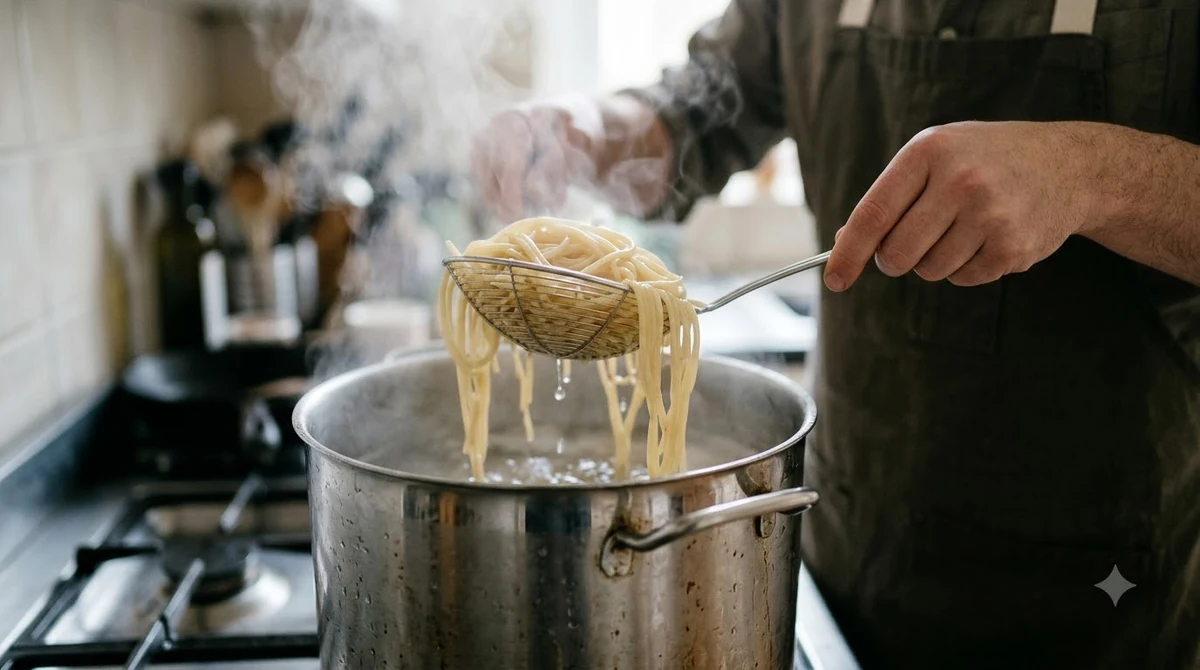

How to make cacio e pepe without clumping comes down to heat and starch. Keep the pan off direct heat when the cheese goes in, grate the pecorino finely, and use enough starchy pasta water to carry the cheese. When the cheese melts slowly into the water, it forms a smooth sauce instead of stringy lumps.
Clumping is the most common way cacio e pepe fails. The pasta looks dry and the cheese forms sticky balls at the bottom of the bowl. The fix is not complicated, but it does depend on controlling the temperature and the starch, which is why many recipes that look simple still go wrong.
Why Does Cacio e Pepe Clump?
Cacio e pepe is built on a simple emulsion of melted pecorino Romano, black pepper and starchy cooking water. The starch in the water helps the cheese proteins bind to the liquid, so the sauce stays smooth as it cools on the pasta.
Clumping happens when the cheese proteins tighten and separate. Too much heat is the usual cause, because it pushes the cheese into a stringy, rubbery state that turns lumpy. Too little starch makes the problem worse, since nothing is there to hold the sauce together.
How Hot Should the Pan Be for Cacio e Pepe?
Take the pan off the burner before you add the cheese. Residual heat from the pasta and the pan is enough to melt pecorino gently, while a hot pan causes the cheese to clump.
A physics-based study of cacio e pepe, reported in a 2025 news article on cheesy pasta sauce and lumps, identified excessive heat as the factor that denatures the cheese proteins and causes the lumpy stage. The article’s advice is to melt the cheese into a warm, stable base rather than to cook it over a flame.
How Much Starch Do You Need in Cacio e Pepe?
The starch level matters more than most cooks expect. The same 2025 study reported a target of about 2 to 3 percent starch relative to the weight of the cheese. Below about 1 percent, the sauce is likely to lump, and above about 4 percent it turns stiff.
In a classic pot, the starch comes from the pasta water itself. Its starch content is unpredictable, so a cook cannot easily measure it. That is one reason the traditional method needs careful timing and a good stir, rather than a fixed recipe.
| Problem | Likely cause | What to try |
|---|---|---|
| Stringy, rubbery cheese balls | Pan too hot when cheese is added | Pull the pan off the heat first |
| Dry, grainy clumps | Not enough starchy water | Add a splash of reserved pasta water and keep stirring |
| Sauce looks thin and oily | Too much water, or cheese added too fast | Add cheese gradually and toss longer |
| Sauce stiff and gummy | Too much starch relative to cheese | Loosen with a little more hot pasta water |
How Do You Grate Pecorino So It Melts Smoothly?
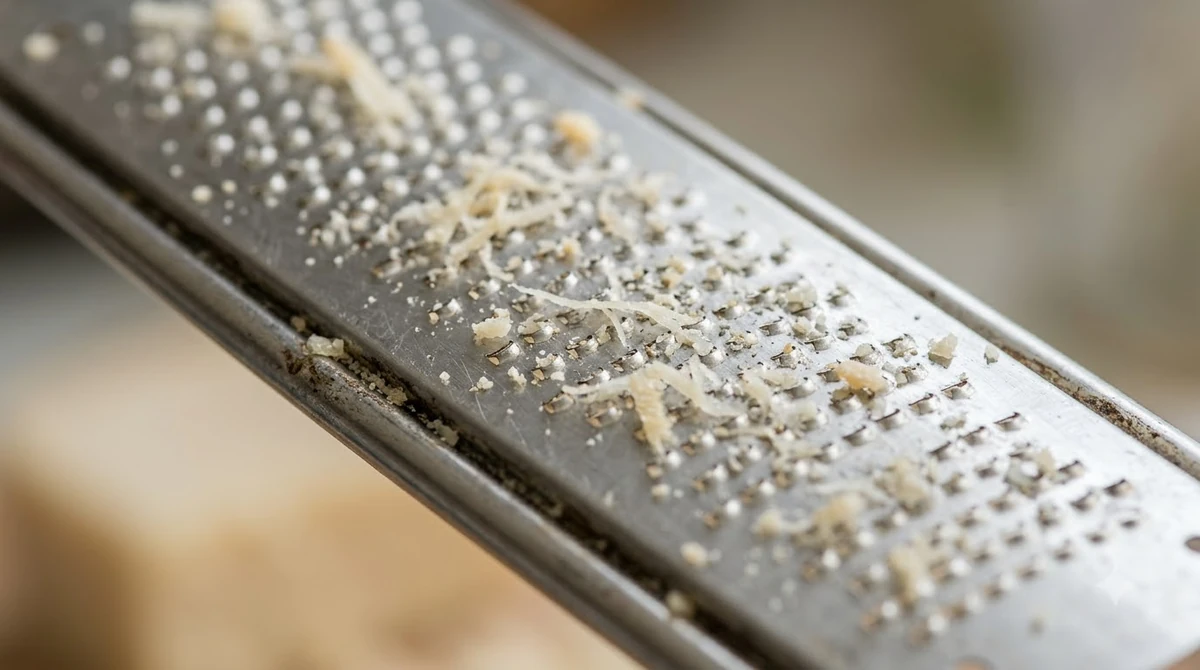
Grate the pecorino very finely and bring it to the pan at room temperature. Fine shreds melt quickly and evenly, while coarse chunks sit in the sauce and stay lumpy.
Grate the cheese just before you use it, not hours ahead, because pre-grated cheese is often coated to stop it sticking together, which can interfere with melting. Freshly grated pecorino gives a cleaner, more even sauce.
How to Make Cacio e Pepe Without Clumping: The Traditional Method
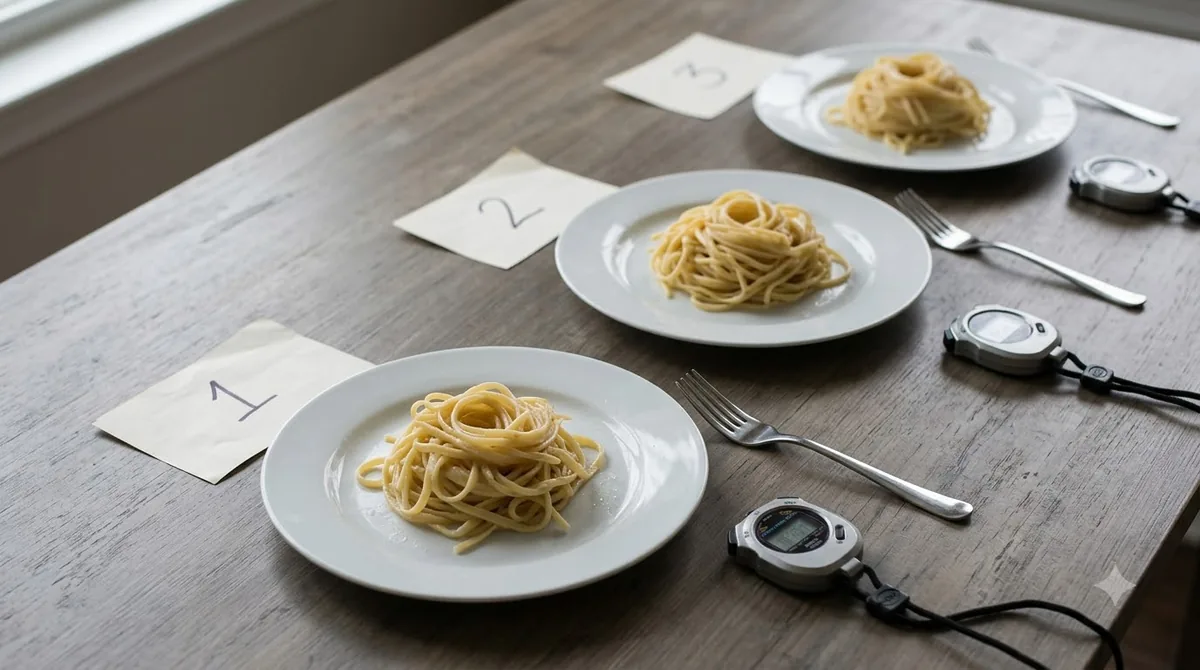
The classic method is simple: boil the pasta in salted water, reserve some of the cooking water, and add the pasta to the grated pecorino and pepper with a splash of hot starchy water. The heat from the pasta melts the cheese, and the starch helps bind it into a sauce.
- Toast the black pepper briefly in a dry pan, then remove the pan from the heat.
- Cook the pasta until just shy of al dente, and reserve a cup of the starchy water before draining.
- Add the pasta and a splash of hot water to the pan, then toss vigorously to coat.
- Add the pecorino a handful at a time, tossing and adding water as needed until the sauce is glossy and clings to the pasta.
The sauce should look creamy and loose when you serve it. It tightens as it sits, so eat it straight away.
Can You Use a Blender for Cacio e Pepe?
Some cooks use a blender to make a starch base first, which helps the cheese distribute evenly. This approach is a departure from the traditional method and is more of a shortcut for home cooks who struggle with lumps.
The 2025 study method works by dissolving a small amount of potato or corn starch in water, heating it until it forms a gel, cooling that base slightly, and then stirring in the pecorino. The article’s example used 4 grams of starch in 40 grams of water, with another 80 grams of water added to cool the base, and 160 grams of Pecorino. It is a precise method, so weigh every ingredient if you try it.
Frequently Asked Questions
Why does my cacio e pepe clump even when I follow the recipe?
The most common cause is a pan that is too hot when the cheese goes in. Take the pan off the heat, add the cheese gradually, and use enough starchy pasta water.
Should I use pecorino Romano or parmesan?
Classic cacio e pepe uses pecorino Romano, which has a sharper flavor than parmesan. Parmesan can work, but it changes the taste and needs the same careful melting.
Is it better to use butter in cacio e pepe?
The traditional dish has no butter. Butter can help the sauce feel richer, but it is not necessary when the starch and heat are controlled.
Can I reheat cacio e pepe without clumping?
Reheating is risky because the cheese can tighten further. Add a splash of hot water and warm the pasta gently in a pan over low heat, tossing until the sauce loosens.
A smooth cacio e pepe depends on controlling heat and giving the cheese enough starch to stay together. Take the pan off the flame, grate finely, and add the pecorino gradually. Serve it right away, while the sauce is glossy.
 8 min readLearnCacio e Pepe Recipe: Simple Method for a Creamy SauceUpdated Nov 10, 2026
 8 min readLearnPaglia e Fieno Pasta: What It Is and How to Make ItUpdated Nov 11, 2026
 7 min readLearnSalsiccia e Friarielli Pizza Recipe: How to Make It at HomeUpdated Nov 11, 2026
 5 min readLearnHow to Make Tiramisu Without Eggs: Creamy No-Cook DessertUpdated Nov 13, 2026
 6 min readLearnHow to Make Pappardelle by Hand Without a Pasta MachineUpdated Nov 13, 2026
 5 min readLearnHow to Make Pasta by Hand Without a MachineUpdated Nov 13, 2026