
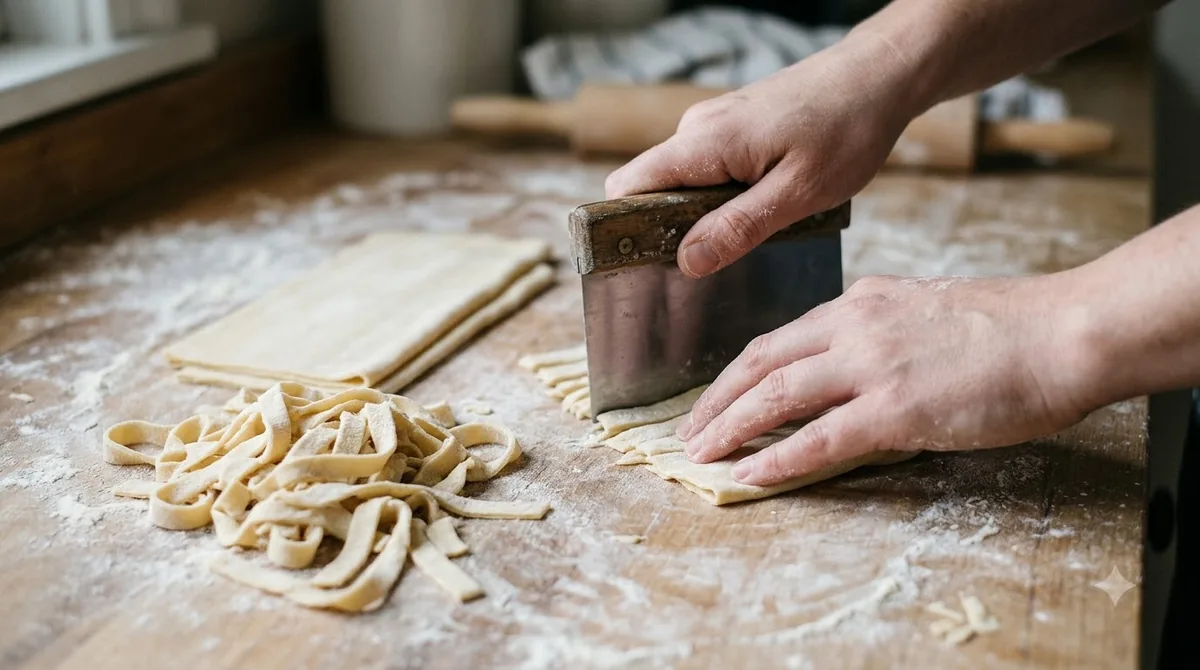

Learning how to make farfalle takes only a rolled sheet of fresh dough, a knife and your fingers. Cut the sheet into small rectangles about 4 to 5 cm wide and 2 cm long, pinch the middle of each piece into a bow-tie shape, and dry the shapes for at least 30 minutes before cooking. No special mold is needed.
What Is Farfalle and Where Does the Name Come From?
Farfalle is a bow-tie pasta whose name means “butterflies” in Italian, and it is often sold as bow-tie pasta in the United States.
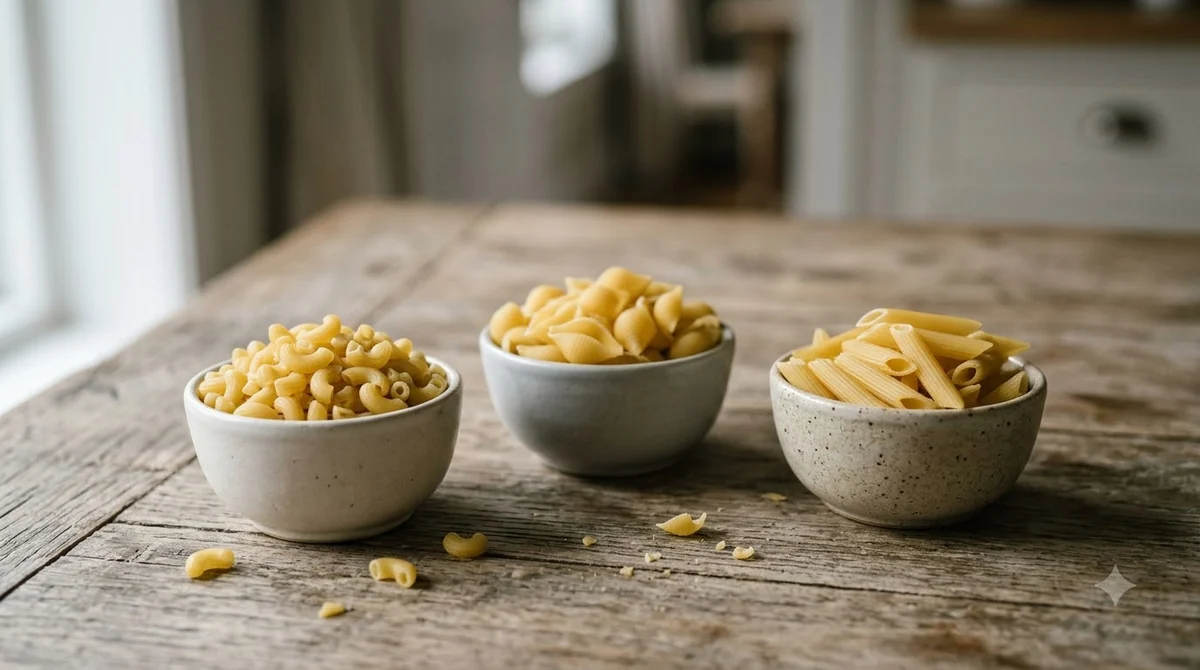
According to CooksInfo’s farfalle guide, the shape is pinched in the middle, which gives each piece two wings and a small waist. Dried farfalle is about 1 1/2 inches (4 cm) long, so it fits easily on a fork.
The shape is traced to the 16th century in Lombardy and Emilia-Romagna, and in Emilia-Romagna the local name for it is strichetti. Farfalle is usually made from durum wheat, but plain and whole-wheat versions exist, and fresh versions are often colored with beetroot or spinach.
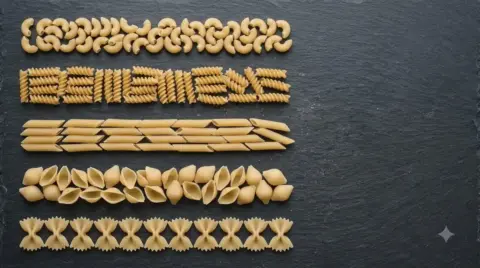
Variants include farfalline, which are miniature bow ties, and farfalloni, which are larger. Farfalle rigate has a ridged edge.
How to Make Farfalle by Hand at Home
Roll the dough into a sheet, cut it into rectangles, and pinch each one in the middle. The whole process is simple once you have done a few batches, and the pinch matters more than any tool.
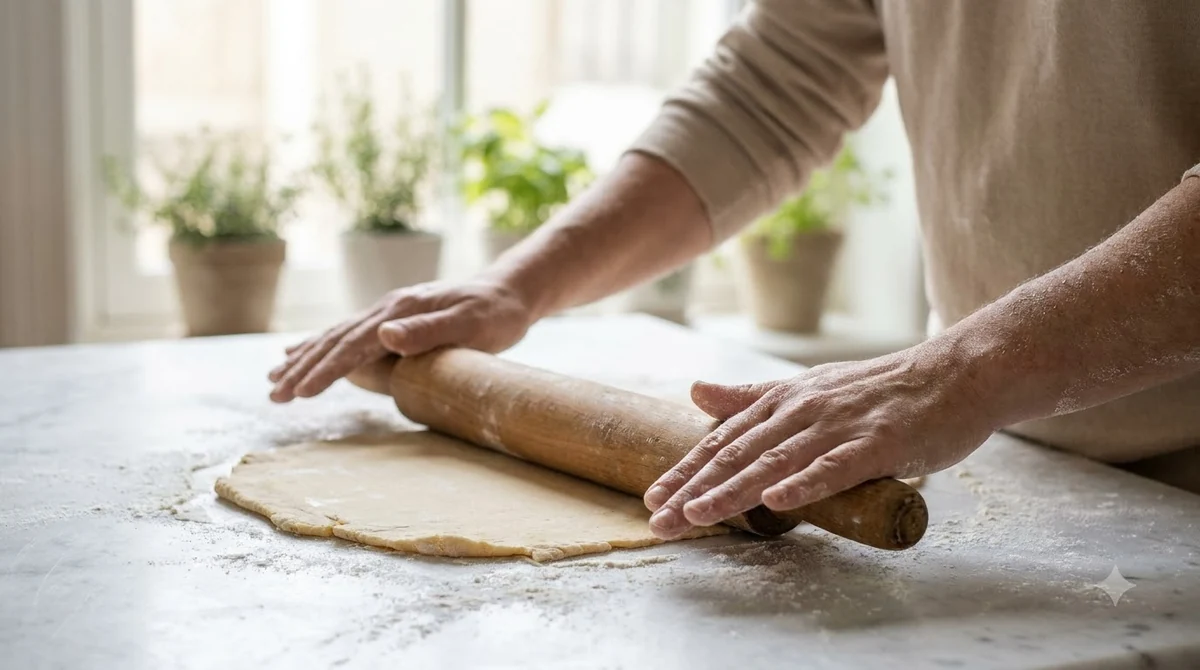
The Pasta Evangelists method cuts a large, even sheet into strips about 4 to 5 cm wide and 2 cm long. Then you take the two short sides of each strip with your fingers and pinch them into the middle until you have a bow-tie shape.
- Roll the dough into a thin, even sheet of uniform thickness, so every piece cooks at the same rate.
- Cut the sheet into rectangles about 4 to 5 cm wide and 2 cm long. A fluted pastry wheel leaves a ruffled edge.
- Pinch the two short ends of each rectangle toward the middle, so the ends meet at the center.
- Press the center to hold it, and leave a small opening so the water can reach the inside of the pasta.
- Spread the shapes on a tray dusted with flour or semolina and let them dry for at least 30 minutes before cooking.
A dab of water on the pinch can help the two sides stick, but use only a little, since extra moisture makes the dough sticky and hard to handle.
What Dough Works Best for Homemade Farfalle?
An egg dough with a firm texture holds the pinch best, so use a recipe with enough egg to be pliable but not so wet that it sticks.
The America’s Test Kitchen egg pasta dough uses 2 cups (10 ounces or 283 grams) of all-purpose flour, 2 large eggs plus 6 large yolks, and 2 tablespoons of extra-virgin olive oil. It is kneaded for about 3 minutes by hand, then rested at room temperature for at least 30 minutes.
The Pasta Evangelists recipe calls for 00 flour, which is finer and gives a smoother sheet. Either flour works, but adjust the water sparingly. Add only small amounts if the dough is too dry to hold together.
What Mistakes Should You Avoid When Shaping Farfalle?
Most problems come from a sheet that is too thick, cut pieces that are uneven, or pinches that are too tight in the middle.
A sheet that is too thick makes the shapes heavy and chewy in the center, while a sheet that is too thin tears when you pinch it. Cut pieces of similar size so they cook at the same rate. Pinch firmly enough that the shape holds, but keep the center slightly open so water can cook the inside.
Dust the shapes with flour or semolina before they sit, because wet pasta sticks to the tray and loses its outline. Do not stack the pieces while they are still damp.
How Long Should You Cook Homemade Farfalle?
Cook homemade farfalle in salted boiling water until it is just tender, then drain it and add the sauce right away.
CooksInfo notes that farfalle should be cooked until just tender to the bite, because overcooked pasta turns slimy. Fresh farfalle cooks faster than dried, so start tasting early and do not rely on a package time. The Pasta Evangelists guide also advises drying the shapes for at least 30 minutes before cooking, which helps them hold their form in the water.
Reserve a little of the cooking water before you drain. Adding a splash to the sauce helps it coat the wings of the bow ties evenly.
Which Sauces Work Best With Farfalle?
Farfalle suits simple tomato sauce with olive oil, pesto in a cold pasta salad, and creamy sauces, seafood and heavy meat sauces.
The pinched center and wings give the pasta more surface area than a plain tube, so the sauce collects in the folds. Chunky sauces with bits of meat or vegetables work especially well, because each piece traps a little of the ragù. Light sauces such as olive oil with garlic also suit farfalle, because the shape keeps the oil from pooling on the plate.
A regional example from Lombardy is farfalle cremasca, which is served with amaretti, butter and sage, a sweet and savory combination that shows how flexible the shape can be.
Frequently Asked Questions
How do you make farfalle without a pasta machine?
Roll the dough by hand with a rolling pin as thin as you can, then cut and pinch it as you would with machine-rolled dough. The shapes will be thicker, so they may need a minute or two longer to cook.
How long should homemade farfalle dry before cooking?
Let the shapes dry for at least 30 minutes on a tray dusted with flour or semolina before you cook them.
Is farfalle the same as bow-tie pasta?
Yes, in the United States farfalle is usually sold under the name bow-tie pasta, so the two names refer to the same shape.
Why do my farfalle fall apart in the pot?
The dough is often too dry or too thin at the pinch. Use a firm dough, press the center firmly, and dry the shapes before cooking so they hold their form.
Making farfalle by hand is a good way to practice fresh pasta without a special machine. Cut even pieces, pinch the center gently, and let the shapes dry before cooking. A few practice batches will give you a consistent bow tie that cooks evenly and holds any sauce you choose.
 7 min readLearnBow Tie Pasta vs Farfalle: Same Shape, Two NamesUpdated Nov 14, 2026
 6 min readLearnHomemade Farfalle: Cutting and Pinching Bow TiesUpdated Nov 13, 2026
 8 min readLearnFarfalline Pasta: The Miniature Bow-Tie ExplainedUpdated Nov 10, 2026
 6 min readLearnHow to Make Tortellini by Hand: Dough, Filling and ShapingUpdated Nov 13, 2026
 6 min readLearnHow to Make Gnocchi by Hand: Potatoes, Dough and ShapingUpdated Nov 13, 2026
 6 min readLearnHow to Make Cavatelli at Home: Ricotta Dough and Hand ShapingUpdated Nov 13, 2026