
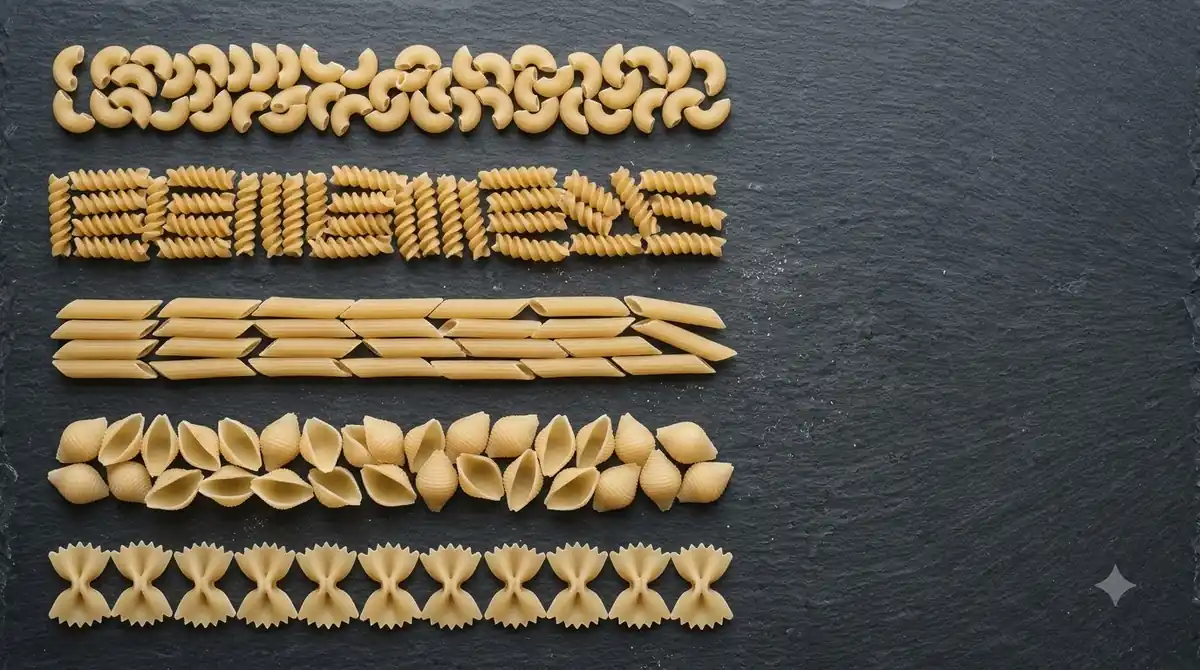

Homemade farfalle is a flat rectangle or oval of dough, with two sides trimmed into a ruffled edge and the middle pinched together. The usual dough is durum semolina with water, and the shape can be made by hand with a knife, a pastry wheel and a steady pinch.
The name means “butterflies” in Italian, and outside Italy the same shape is usually called bow-tie pasta. If you want to make homemade farfalle without a machine, the steps are simple: cut the sheet into small pieces, pinch each one at the center and let it dry before cooking.
What Is Farfalle and Where Does It Come From?
Farfalle is a bow-tie shape from northern Italy, and it was traditionally made by hand.
The Wikipedia entry on farfalle gives the Italian name as “butterflies” and notes that the shape is called bow tie in the United States. The Pasta Project places its origin in Lombardy and Emilia-Romagna in the 16th century, and it says the shape can still be made by hand as it was in the past.
How to Shape Farfalle by Hand
To shape farfalle by hand, cut the dough into small rectangles or ovals, trim the two short sides into a ruffle, and pinch the center so the two ends spread into wings. For the shape’s history and uses, read about farfalle pasta basics.
The shape is simple, but the pinch decides how the bow looks, so take your time with it. Work with one section of dough at a time and keep the rest covered so it does not dry out.
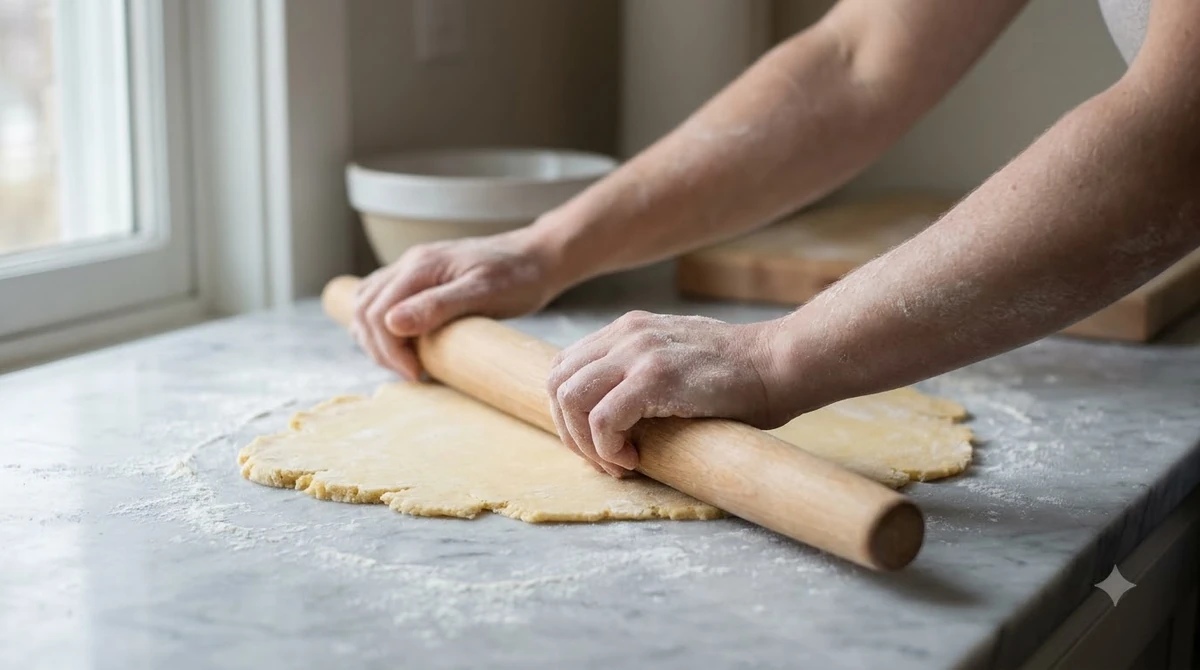
- Roll the dough into a thin sheet and cut it into strips about two fingers wide.
- Cut each strip into small rectangles, or use a pastry wheel for a ruffled edge on the two short sides.
- Hold a rectangle at the middle and pinch it firmly so the center closes.
- Open the two ends slightly so the shape looks like a bow tie.
- Place the pieces on a floured tray in a single layer while you finish the batch.
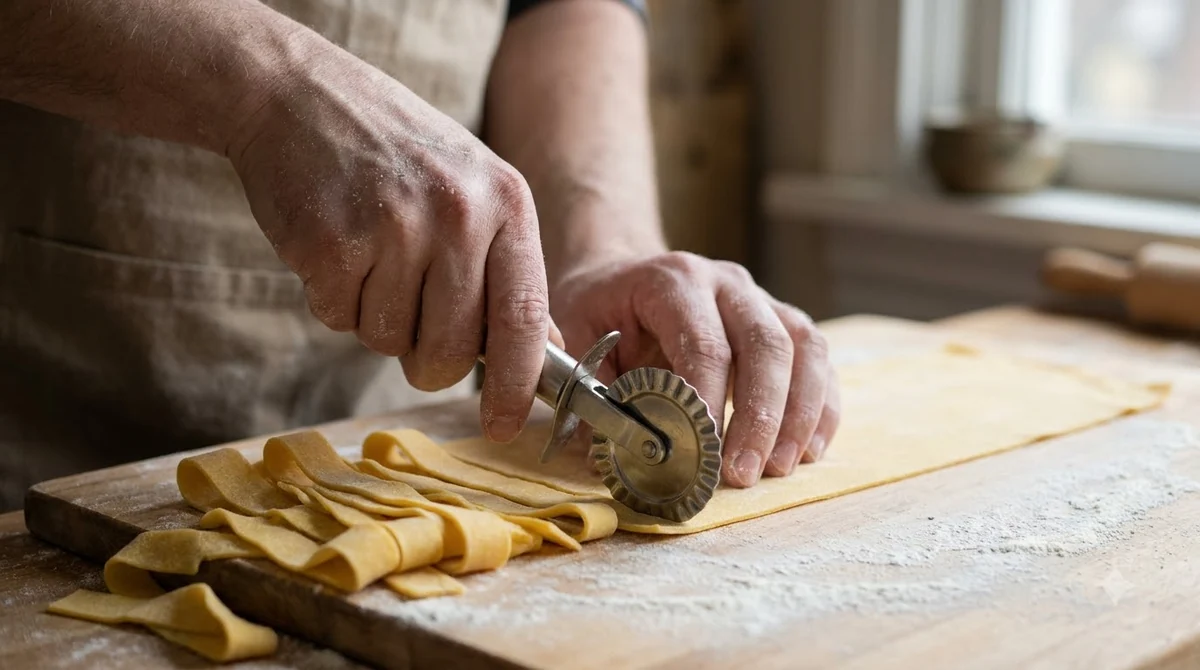
What Dough Works Best for Homemade Farfalle?
A durum semolina dough with water is the traditional choice, because it is firm enough to hold the pinch. Names confuse many shoppers, so see bow tie pasta and farfalle.
The Pasta Project recipe uses 400 grams of durum semolina, a pinch of salt and 220 milliliters of water, and it says the quantity serves four people. Mix the flour and salt, add the water gradually, then knead until the dough is smooth and firm. Rest it covered before you roll it out. A whole-wheat version also exists, and it needs a little more water to come together.
Common Mistakes When You Shape Farfalle
The most common problems are pinching too loosely, letting the shapes dry out before they are sealed, and cutting pieces of uneven size. Another shape that starts from rolled dough is covered in shaping fusilli on a skewer.
A loose pinch lets the bow open in the pot, while a very thin sheet may tear at the center. Cut pieces of similar size so they cook at the same rate, and keep unused dough covered so the edges stay pliable.
How Long Should Homemade Farfalle Cook?
Cook fresh farfalle in plenty of salted boiling water until it is tender, which is usually much quicker than dried pasta.
The exact time depends on the thickness of your dough, so start tasting a piece a couple of minutes after it returns to the boil. The center should be tender with no raw flour taste. For the cooking time of dried farfalle, check the package.
Tips for Your First Batch of Homemade Farfalle
Your first batch of homemade farfalle is mainly a test of the pinch. Cut a few pieces, shape them and cook one before you commit to the full tray, since this shows whether the dough is too thin or too thick.
Knowing how to make farfalle at home comes down to three things: even pieces, a firm center pinch and a dough that rests before you roll it. Homemade farfalle keeps its bow shape best when the rectangles are cut cleanly, and a dull blade tends to drag the edges out of shape.
Keep the trimmings. Scraps can be re-rolled once, though the dough will be less tender the second time, so use them for a small test batch rather than the main tray. Over a few attempts, the pinch becomes quick, and each homemade farfalle looks more like the bow tie you pictured. Compare your pieces side by side with a few dried bow ties from the store, since the comparison shows whether your wings open the right amount and whether the ruffled edges match.
Frequently Asked Questions
Is farfalle the same as bow-tie pasta?
Yes. Farfalle is the Italian name, and bow tie is the common name used in the United States for the same shape.
How do you make farfalle without a pasta machine?
Roll the dough by hand with a rolling pin into a thin sheet, cut it into small rectangles, and pinch the center of each piece. A pasta machine helps with an even thickness, but it is not required for this shape.
How long should homemade farfalle dry before cooking?
The sources used here do not give a drying time, so check the recipe you follow. Keep the shapes on a floured tray in a single layer until you are ready to cook them.
Why do my farfalle fall apart in the pot?
The most likely causes are a pinch that was not sealed firmly, a sheet that was rolled too thin, or pieces that were cooked too long. Check the pinch first, then adjust the thickness of the next batch.
Homemade farfalle rewards a little patience, since the pinch is the step that makes the shape. Start with a small batch, check that each center stays closed, and cook a test piece before you commit the whole tray. A simple dough and clean cuts will give you a neat bow every time.
 6 min readLearnHow to Make Farfalle by Hand: Shaping Bow-Tie Pasta at HomeUpdated Nov 13, 2026
 7 min readLearnBow Tie Pasta vs Farfalle: Same Shape, Two NamesUpdated Nov 14, 2026
 8 min readLearnFarfalline Pasta: The Miniature Bow-Tie ExplainedUpdated Nov 10, 2026
 6 min readLearnHomemade Fettuccine by Hand: Rolling and Cutting Without a MachineUpdated Nov 13, 2026
 6 min readLearnHomemade Capellini: Egg Dough, Cutting and Cooking GuideUpdated Nov 13, 2026
 5 min readLearnHomemade Pappardelle: Dough, Rolling and Cutting by HandUpdated Nov 13, 2026