
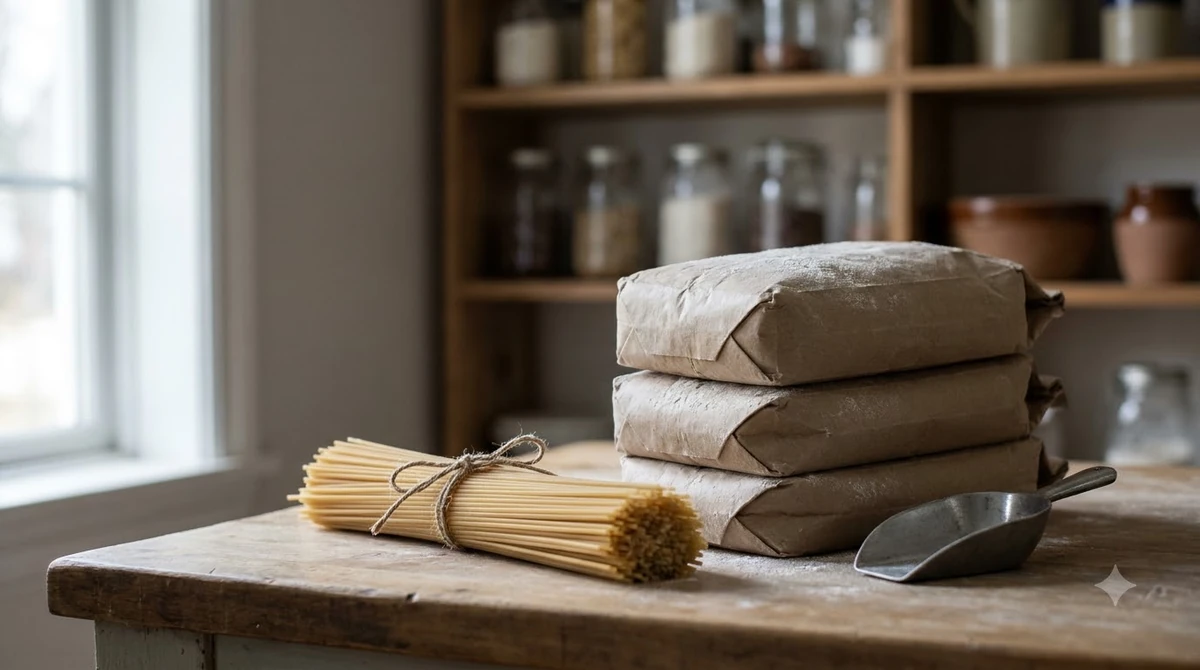

Learning how to make cavatelli starts with a soft ricotta dough, a short rest, and a quick thumb or fork press that curls each small piece. The method is simpler than most fresh pasta because there is no sheet to roll and no machine to clean. Most of the skill lies in draining the ricotta properly and keeping the dough soft without letting it turn sticky.
This cavatelli recipe from scratch follows a classic ricotta-based dough and explains each step in the order you will meet it in the kitchen. It covers the shaping technique, why the pieces are frozen before cooking, and how to tell when the pasta is done.
What Goes Into Cavatelli Dough?
Cavatelli dough is built from drained ricotta, 00 flour, an egg, a small amount of water, and salt. The ricotta gives the dough its tenderness and a faint dairy flavour that plain flour-and-water pasta does not have.
One widely followed version uses 15 ounces (425 grams) of ricotta, 3½ cups (420 grams) of 00 flour, one egg, ¼ cup (60 ml) of water and one teaspoon of salt. The Marcellina in Cucina ricotta cavatelli recipe drains the ricotta for one to four hours in a lined fine-mesh strainer until it is crumbly. Excess whey left in the cheese will change the texture of the dough, so do not skip this step.
Combine the ricotta and egg first, then add the flour and salt. Drizzle in the water a little at a time until the dough holds together. It should be soft but not sticky, and it does not need to be as smooth as bread dough. If it is too wet, add flour a spoonful at a time. If it is too dry and crumbly, add a few drops of water.
Cover the dough and let it rest at room temperature for about 30 minutes before shaping. The rest makes the dough easier to roll into ropes without tearing.
How to Shape Cavatelli by Hand
Roll the dough into ropes about half an inch thick, cut them into small pieces, and press each piece against a gnocchi board or the tines of a fork to create the curl and ridges. If you want to know what the shape is traditionally served with, read about cavatelli pasta basics.
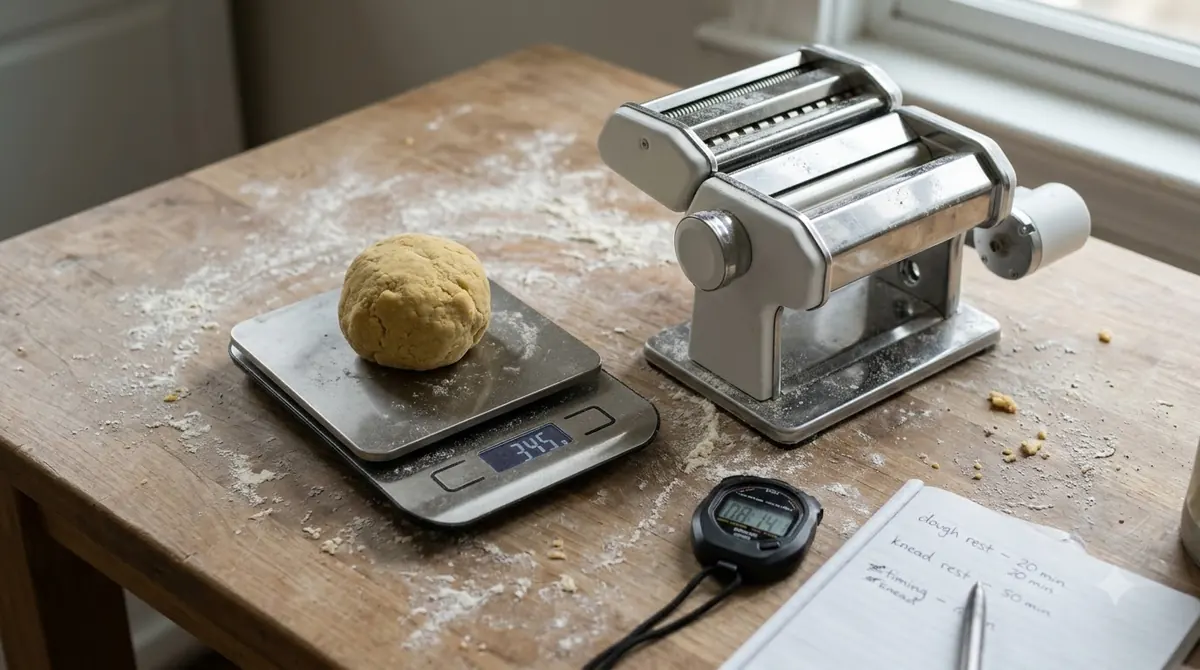
Start by cutting the dough into manageable portions. Roll each one into a rope about ½ inch (roughly 1 cm) across. Cut the rope into pieces about ¾ to 1 inch (2 to 2.5 cm) long. Dust the work surface lightly with flour when the dough sticks, but avoid heavy dusting on the board, which makes the dough harder to roll.
For the shape, lay one piece on a gnocchi board or the tines of a fork. Press firmly with two fingers and drag the piece toward you. The dough curls into a shell and picks up an indentation on one side. A gnocchi board gives deeper ridges that hold sauce well. A fork works too, but the dough can catch between the tines, so dust them lightly before each batch.
Place the shaped pieces in a single layer on a tray dusted with fine semolina or flour. Do not let them touch, or they will stick together as they rest.
Why Should You Freeze Cavatelli Before Cooking?
Freezing the shaped pieces for about an hour keeps the ridges and curl intact when they hit boiling water. Pasta cooked straight after shaping tends to slump and lose its outline. Two hand-formed shapes often confused with each other are covered in orecchiette and cavatelli compared.
The Clean Eating Couple cavatelli method recommends tossing the balls in flour before shaping, then freezing them until firm. Once frozen, shake off the excess flour in a mesh strainer. That step matters because flour left on the pasta can make the cooking water cloudy and give the cooked pasta a gummy coating.
Frozen cavatelli keep in a sealed freezer bag for several months. There is no need to thaw them. Cook them straight from the freezer, adding a minute or two if the pot cools down a lot.
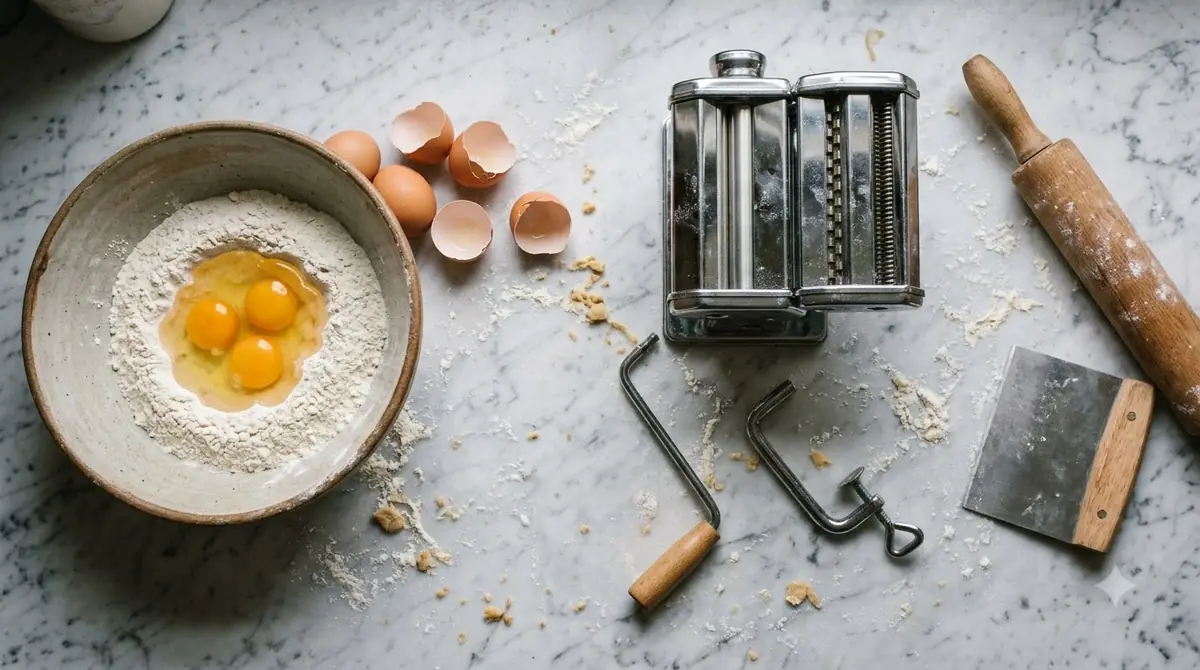
How Long Should You Cook Cavatelli?
Cook cavatelli in well-salted boiling water for about four to five minutes, or until the pieces float to the top of the pot. Another shape made without a machine is explained in shaping orecchiette with your thumb.
Use a generous pot of water and a good pinch or two of salt. Stir once after adding the pasta so the pieces do not clump. When they rise, lift one out and bite it. It should be tender with a slight bite in the centre. Drain them, reserving a small cup of the cooking water to loosen the sauce.
Ricotta Dough or Flour-and-Water Dough for Cavatelli?
Ricotta dough is softer and more forgiving, which makes it a good choice for a first attempt. A dough made only from flour and water is firmer and needs more kneading, so the shaping feels different in the hand.
If you follow a recipe without ricotta, check how much water it uses and expect a stiffer dough that holds its shape without much resting. The technique for rolling and pressing stays the same. Only the handling and the feel of the dough change.
Common Mistakes When Learning How to Make Cavatelli
Most problems come from wet ricotta, too much flour on the board, or pieces that are shaped and then left to sit at room temperature.
- Skipping the drain step, which leaves the dough loose and sticky.
- Rolling the dough too thin, so the pieces lose their shape in the pot.
- Crowding the tray, which makes the shaped pieces fuse together.
- Cooking the pasta straight from shaping without freezing it first.
Frequently Asked Questions
What flour is best for cavatelli?
The recipes reviewed here use 00 flour, which is finely milled and gives a soft, tender bite. All-purpose flour can work, but it may need a little more or less water depending on its protein content.
Do I need a special cavatelli machine?
No. A gnocchi board or a fork is enough. A machine speeds up the work, but the hand method gives you the same shape with a little more practice.
Why does the dough need to rest?
Resting for about 30 minutes lets the flour absorb moisture from the ricotta and eggs, so the dough relaxes and rolls out into ropes without tearing.
Can I make cavatelli ahead?
Yes. Shape the pieces, freeze them on a floured tray until firm, then bag them. Cook them from frozen when you are ready to serve.
Once you have shaped a batch, the process gets faster with each attempt. Keep the dough soft, drain the ricotta well, and freeze the pieces before they go into the pot. A plate of cavatelli made this way holds sauce well and has a light, tender bite that suits simple tomato, broccoli, or sausage sauces.
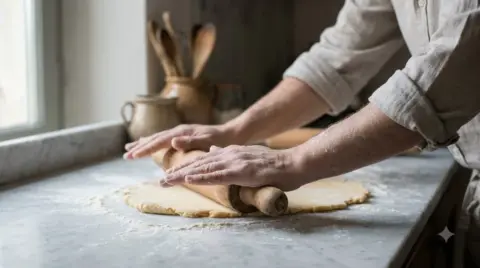 5 min readLearnHomemade Cavatelli: Ricotta Dough and Hand Shaping GuideUpdated Nov 13, 2026
 6 min readLearnHow to Make Trofie: Hand-Rolled Dough and Shaping StepsUpdated Nov 13, 2026
 6 min readLearnHow to Make Gnocchi by Hand: Potatoes, Dough and ShapingUpdated Nov 13, 2026
 6 min readLearnHow to Make Tortellini by Hand: Dough, Filling and ShapingUpdated Nov 13, 2026
 6 min readLearnHow to Make Farfalle by Hand: Shaping Bow-Tie Pasta at HomeUpdated Nov 13, 2026
 5 min readLearnBest Sauce for Cavatelli: Ragu, Ricotta and Fresh TomatoUpdated Nov 13, 2026