
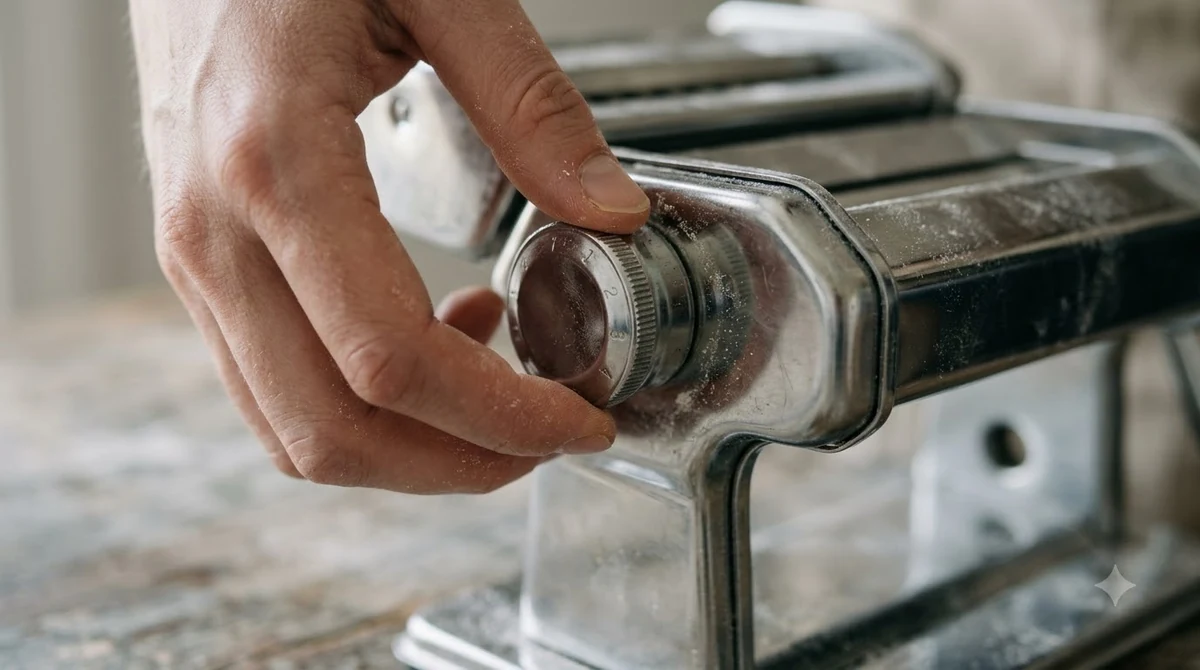

How to make malloreddus at home starts with durum semolina, warm water and a short rest. Each small dough piece is pressed over a ridged board or a sieve, which gives the grooved shape that holds sauce well. The dough is simple, and the shaping takes practice, so most people get a steady rhythm after a few batches.
What Malloreddus Are
Malloreddus are small, ridged semolina pasta from Sardinia. They are also called gnocchetti sardi, which means little Sardinian gnocchi, although they are made from dough, not potatoes.
The shape is curled and hollow, with grooves across the outside. Those grooves catch tomato and sausage sauces, which is one reason malloreddus are often served with a rich ragù rather than a light oil dressing.
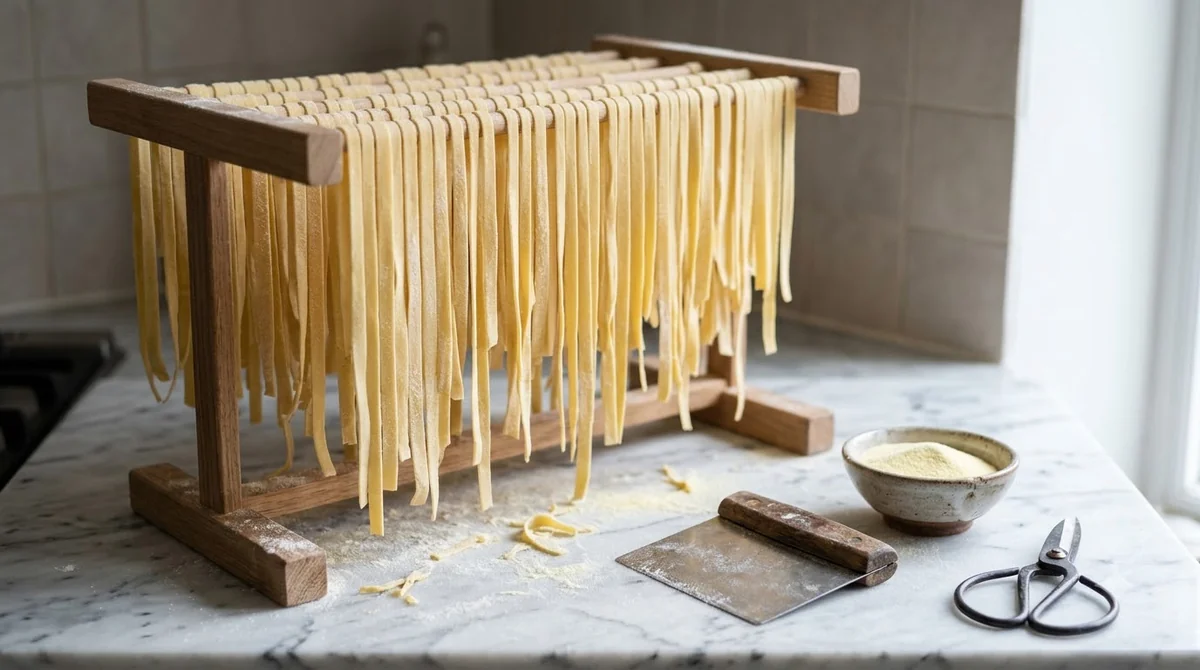
Recipes differ on whether saffron belongs in the dough. Many modern versions leave it out, and the Recipes from Italy guide treats saffron as an optional variation for the Campidanese style.
Malloreddus Dough at Home
The base dough uses semolina, water and a little salt. A common home version uses 300 g of semolina, about 160 ml of lukewarm water and half a teaspoon of salt dissolved in that water.
- Dissolve the salt in the lukewarm water. If you use saffron, add a small pinch of saffron to this water as well.
- Mound the semolina on a board or in a bowl and make a well in the center.
- Pour the water in slowly and draw the flour in with your fingers until a firm dough forms.
- Knead until the dough is smooth, then wrap it in plastic wrap or a clean towel and rest it for about 30 minutes.
The rest gives the semolina time to hydrate, so the dough rolls more easily and keeps its shape on the board. If the dough feels dry and crumbly, add water one teaspoon at a time rather than all at once.
How to Make Malloreddus Step by Step
Shaping is the part that takes practice. Work with one portion at a time and keep the rest covered so it does not dry out on the counter.
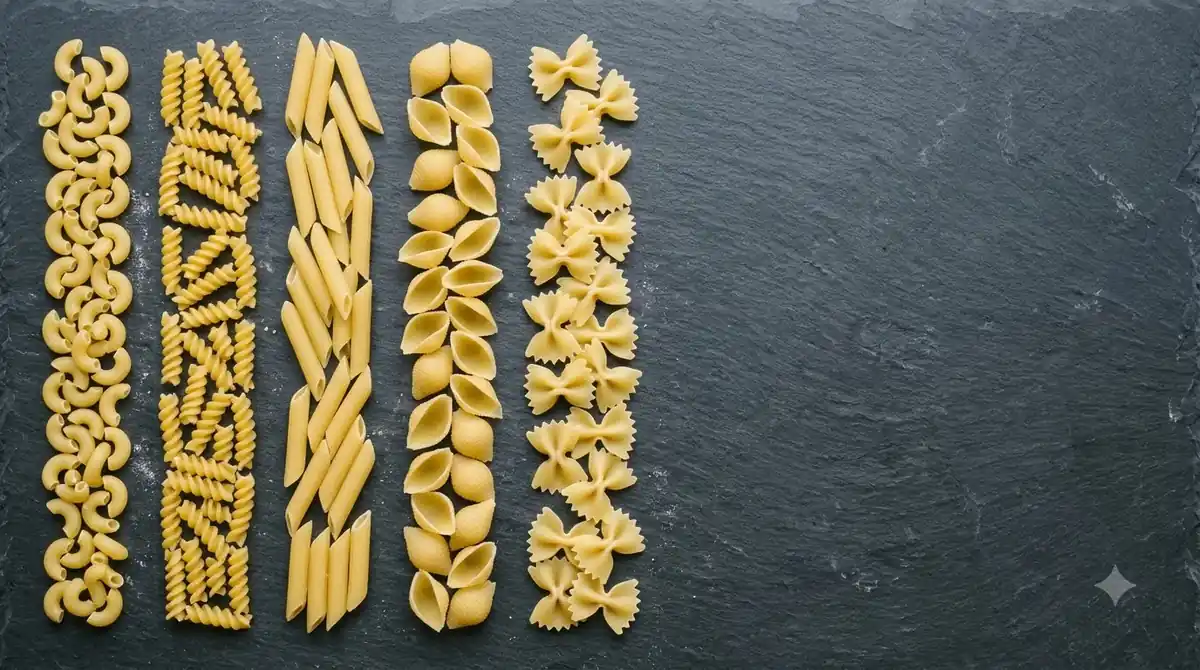
- Divide the rested dough into several pieces and keep them covered.
- Roll one piece into a rope about 1 cm thick.
- Cut the rope into thin coins, about the size of a fingertip.
- Press each coin against a ridged board or a fork, pulling it away with your thumb so the dough curls and gets grooves on one side.
- Place the finished pieces on a floured tray in a single layer.
The traditional tool is a round reed sieve called su cibiru, and a wooden board with ridges is a common modern alternative. The Essential Italy guide describes the same board method with a fork, which works if you do not own a board.
Flour the tray lightly so the pieces do not stick. Shape the whole batch before you start cooking so the pasta stays fresh and even.
Cooking and Serving Malloreddus
Cook malloreddus in plenty of well-salted boiling water. Fresh pieces take about 4 to 6 minutes, and the sources differ slightly on the exact time, so start tasting at four minutes.
| Part | Home amount or time |
|---|---|
| Semolina | 300 g for a standard batch |
| Lukewarm water | About 160 ml |
| Dough rest | About 30 minutes, covered |
| Cooking, fresh | About 4 to 6 minutes |
Drain the pasta when it is just tender and toss it straight into the sauce with a splash of the cooking water, so the grooves pick up the sauce while it is still warm.
The classic partner is malloreddus alla Campidanese, a sausage and tomato sauce finished with grated pecorino. The sauce clings to the ridges, which is the practical reason the shape pairs so well with it. Thicker meat sauces and simple tomato butter sauces also work.
Common Mistakes With Homemade Malloreddus
Most first attempts fail for one of two reasons: the dough is too dry to hold a shape, or the pieces are too thick to curl. Both are easy to fix once you know what to look for.
A dough that cracks at the edges needs a few more drops of water and a longer rest. A dough that sticks to the board needs a light dusting, not a heavy one, because too much flour makes the surface dry and the grooves less defined.
If the coins look flat rather than curled, press harder with your thumb and pull the piece toward you in a single quick movement. Keep the coins small, because larger pieces do not curl well and cook unevenly.
Frequently Asked Questions
Are malloreddus the same as gnocchi?
No. Malloreddus are made from semolina dough and water, while gnocchi are usually made from potato or flour and egg. The name gnocchetti sardi translates roughly to small Sardinian gnocchi, but the ingredients are different.
Does the dough need saffron?
No. The base dough is semolina, water and salt. Saffron is an optional variation, and it is most often associated with the Campidanese style.
Do malloreddus contain egg?
The traditional dough is made from semolina, water and salt only, with no egg. That is one reason the pasta is firm and holds its ridges during cooking.
Can I use a fork instead of a board?
Yes. Pressing each coin against the tines of a fork and pulling it away with your thumb creates the grooves. A ridged board gives more even results, but a fork is enough for a home batch.
Can I make malloreddus ahead of time?
You can shape the pieces in advance and keep them covered and lightly floured on a tray. Cook them close to serving time, because fresh pasta loses its texture if it sits for a long time.
Malloreddus reward a steady hand and a little patience. Rest the dough, keep the coins small and press each one until it curls. Served with a simple sausage and tomato sauce, the shape holds the sauce well and makes a satisfying plate for a home dinner.
 5 min readLearnHow to Make Culurgiones: Sardinian Filled Pasta at HomeUpdated Nov 13, 2026
 7 min readLearnMalloreddus Pasta: What It Is and How to Cook ItUpdated Nov 6, 2026
 7 min readLearnPillus Pasta: A Sardinian Ribbon Pasta Served in BrothUpdated Nov 11, 2026
 8 min readLearnFregola Pasta: A Simple Guide to This Sardinian ShapeUpdated Nov 10, 2026
 8 min readLearnWhat Is Fregola? A Simple Guide to This Sardinian PastaUpdated Nov 7, 2026
 7 min readLearnHow to Make Pasta Puttanesca: A Quick Classic RecipeUpdated Nov 13, 2026