
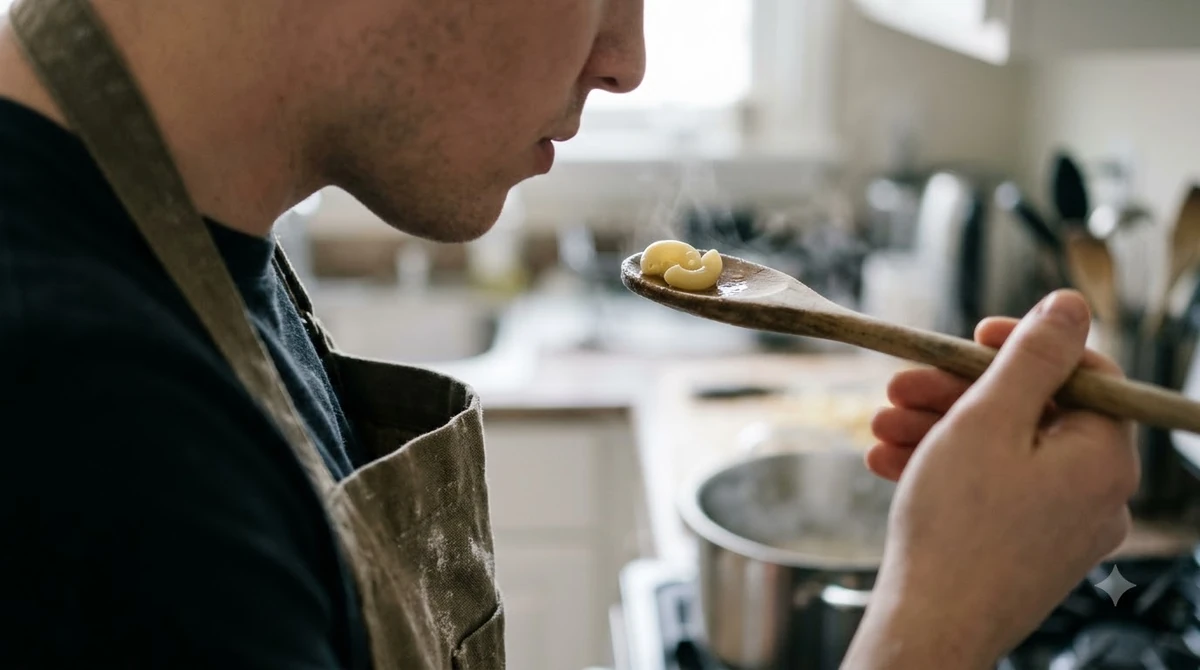

Fregola pasta is a small, toasted semolina pasta from Sardinia, Italy, shaped into tiny balls. It is made from durum wheat semolina and water, and the pieces are usually toasted in an oven. It suits brothy dishes and tomato or seafood sauces, but it is less common in stores than most Italian shapes, so you may need an Italian food shop or an online retailer.
What Fregola Pasta Is Made Of
Fregola pasta is made from durum wheat semolina and water, rolled by hand into balls and usually toasted in the oven, according to The Pasta Project’s Sardinian fregola recipe.
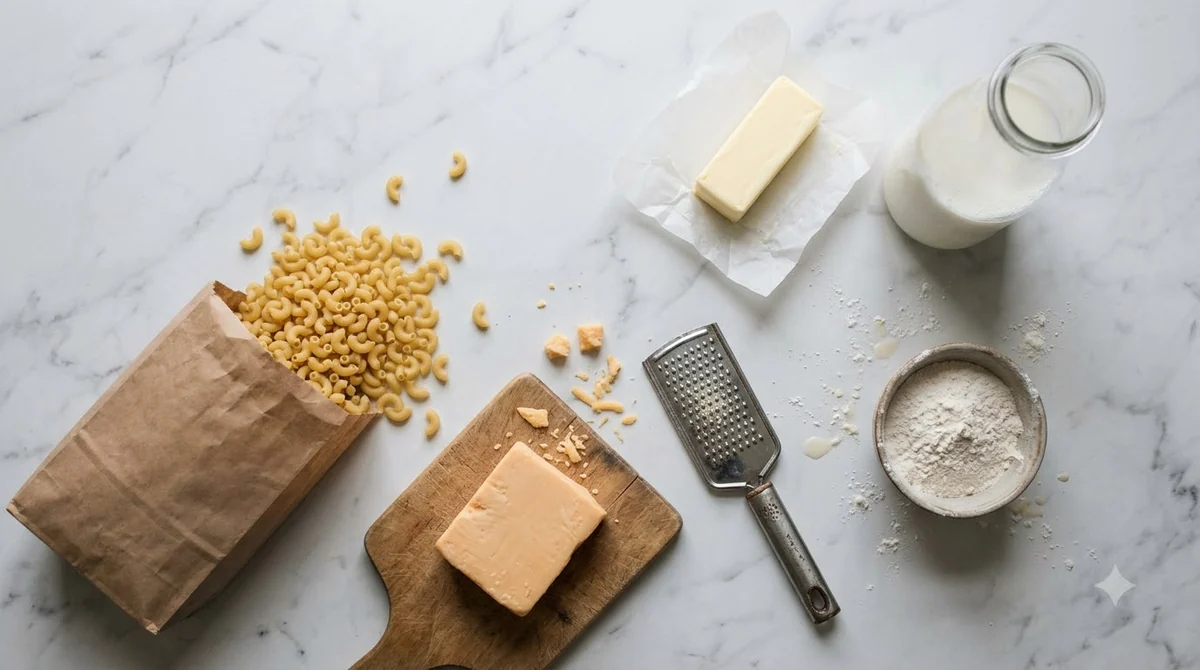
Short pastas are made by extrusion, which pushes dough through a shaped die, according to Wikipedia’s pasta entry. Fregola takes a different route, because the dough is rolled into small balls instead of forced through a die.
Size is the main variable you will notice. Wikipedia describes the balls as typically 2 to 3 mm in diameter and notes that fregola is produced in varying sizes. Check the size on the package before you follow a timing written for a different brand. Other tiny shapes, such as those covered in pastina pasta, are sized differently, so do not swap timings between them.
Fresh and dried versions both exist. The Pasta Project notes that fresh fregola tends to cook a bit faster than the dried kind, so the label matters more than a general rule. Both Wikipedia and The Pasta Project name toasting as part of the usual method.
Where Fregola Pasta Comes From
Fregola pasta is a Sardinian pasta, and Wikipedia says the first references to it date back to the 14th century.
The Pasta Project calls fregola uniquely Sardinian and says it is not found in other Italian regions. Wikipedia describes a typical preparation that simmers fregola in a tomato-based sauce with clams, as described in Wikipedia’s entry on fregula.
Availability is the practical limit for most cooks outside Italy. The Pasta Project says fregola is not as widely available as other typical Italian pastas and can be bought online or at some Italian food shops. Plan the purchase before you plan the dinner. For a shorter overview of the shape, see what fregola is.
Fregola looks similar to acini di pepe and couscous, and cooks also compare it with orzo pasta, another small shape. Wikipedia notes that its form is closer to maftoul and moghrabieh, and it says it is unknown whether the method came from North African couscous recipes or developed on its own. Our guide to cooking orzo step by step shows how that smaller shape behaves in the pot.

How to Cook Fregola Pasta
Fregola pasta cooks in about 15 minutes in broth or sauce, with liquid added gradually until the pieces are tender but still slightly al dente.
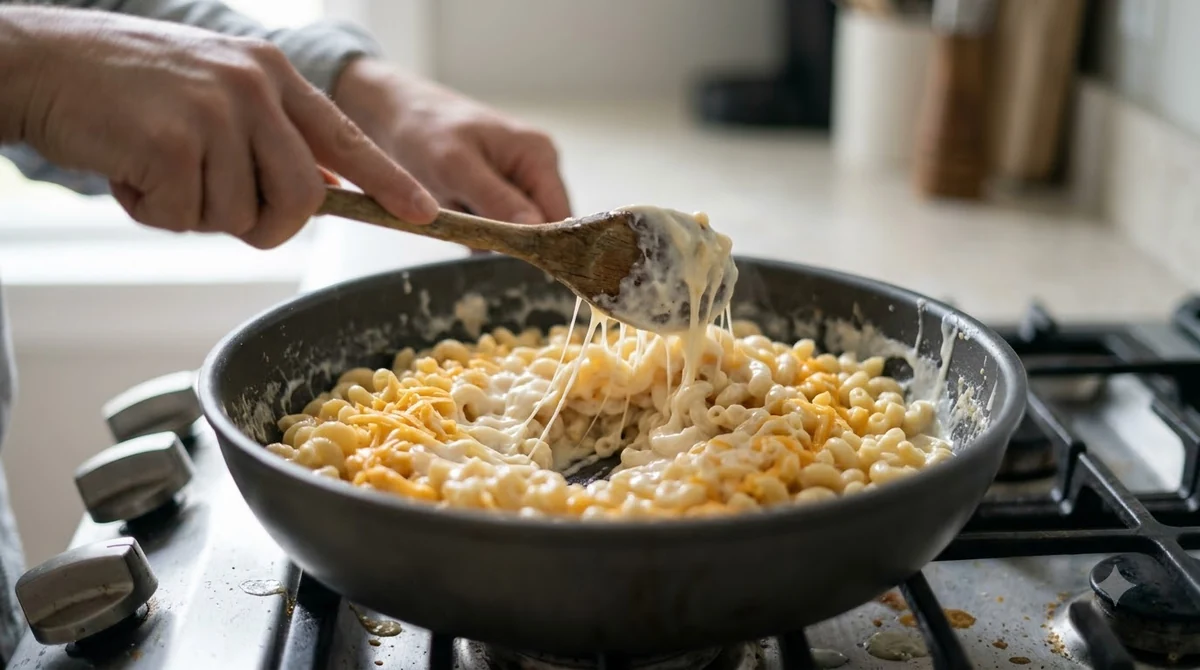
- Build the base. The Pasta Project’s lamb version lists onion, bay leaves, white wine and sun-dried tomatoes as ingredients, so start with a similar base in the pan.
- Add broth gradually. That recipe uses 300 g of fregola with 1 liter of lamb broth, added a little at a time, much as you would cook risotto.
- Keep extra liquid on hand. The same recipe says that if you run out of broth, you can add water.
- Cook to tender but slightly al dente. A clam version from Caroline’s Cooking cooks the pasta for around 15 minutes until it is tender but still slightly al dente.
- Season at the end. The Pasta Project advises seasoning the dish after it finishes cooking, since broth can already carry plenty of salt.
The clam version works differently. Caroline’s Cooking cooks the fregola inside the sauce, using 2 cups of fish stock or vegetable or chicken stock for 1 cup of fregola. The pasta cooks until the liquid is absorbed into the sauce, so you do not drain it.
For plain boiling water, the sources read for this article give no timing. Check the package directions before you rely on any number, and treat the 15-minute figures as recipe timings rather than a universal rule for every brand.
Fregola Pasta at a Glance
Fregola pasta is a Sardinian semolina shape typically made as balls of 2 to 3 mm, and recipe timings put it at about 15 minutes in broth or sauce. The table below lists each point with the source behind it and what to check on your own package.
| Question | What the sources say | What to check on the package |
|---|---|---|
| Origin | Sardinia, Italy (The Pasta Project) | Country of origin on the label |
| Shape | Small toasted balls, typically 2 to 3 mm (Wikipedia) | Ball size, since sizes vary |
| Fresh or dried | Fresh fregola tends to cook a bit faster (The Pasta Project) | Whether the product is fresh or dried |
| Cooking time | About 15 minutes in broth or sauce (The Pasta Project, Caroline’s Cooking) | Time for the cooking method you plan to use |
| Availability | Limited; online or some Italian food shops (The Pasta Project) | Stock at your retailer or shop |
Read the table as a starting point for fregola pasta. Recipe timings and ball sizes can differ between brands, so the label is the final word.
Buying and Storing Fregola Pasta
Keep a finished fregola dish for up to 3 days in the refrigerator, and reheat it to 75°C (165°F), according to The Pasta Project.
The Pasta Project says it is the finished dish, not the dry pasta alone, that can be kept this way. Reheat leftovers until they reach that temperature. Check current USDA guidance on storing leftovers for your own kitchen practice.
Dried pasta generally doubles in size once it is cooked, according to Wikipedia’s pasta entry. That figure describes pasta in general, so use the recipe’s portion guidance for fregola rather than assuming the same expansion.
Common Mistakes With Fregola Pasta
The recipes above point to a few mistakes that matter most: adding all the liquid at once, cooking the pasta until it is soft all the way through, and seasoning too early.
- Adding all the broth at once. The lamb recipe adds it gradually, so you can stop when the pasta reaches the texture you want.
- Cooking until fully soft. The clam recipe stops at tender but still slightly al dente, as the source describes, and cooking pasta al dente covers the texture test.
- Salting before tasting. The Pasta Project advises seasoning after cooking, because the broth and any cheese you add may already be salty.
- Confusing it with couscous or acini di pepe. Wikipedia says it looks similar, but its form is closer to maftoul and moghrabieh.
- Reheating leftovers too lightly. Reheat until the dish reaches 75°C (165°F), as the source recommends.
Taste the pasta when the recipe says it should be done, and add liquid in small amounts so you can stop at the right texture.
What the Sources Do Not Confirm
The sources read for this article do not confirm a boiling time for fregola in plain salted water, a standard size for every brand, or a detailed description of its flavor.
Those gaps matter most if you are cooking fregola pasta for the first time. Read the package directions for time and size, and use the broth or clam methods above as a guide rather than a fixed rule.
A practical check is to cook a small portion first and taste it. Adjust the liquid or the cooking time for the next batch, based on what you see in your own pot.
Frequently Asked Questions
Is fregola pasta the same as couscous?
No. Fregola and couscous look similar, but Wikipedia says the form of fregola is closer to maftoul and moghrabieh. It also says it is unknown whether its method came from North African couscous recipes.
How long does fregola pasta take to cook?
The recipes read for this article time it at about 15 minutes. The clam version cooks until tender but still slightly al dente, while the lamb version adds broth gradually. Check the package for the timing that applies to your product.
Can you use fresh fregola pasta?
Yes, fresh and dried fregola both exist. The Pasta Project says fresh fregola tends to cook a bit faster than the dried kind, so check your timing if you switch between them.
Where can you buy fregola pasta?
The Pasta Project says fregola is not as widely available as other typical Italian pastas. It can be bought online or at some Italian food shops, so compare stock before you plan a recipe.
How long do leftovers keep?
The Pasta Project advises keeping a finished dish in the refrigerator for up to 3 days and reheating it to 75°C (165°F). Check current USDA guidance for your own storage practice.
What is fregola traditionally served with?
Wikipedia describes a common preparation with clams in a tomato-based sauce. The Pasta Project pairs fregola with lamb and broth, and it suggests pecorino Romano as an optional topping.
For a first attempt, the broth method gives you the most control over texture, because you add liquid in stages. Use the clam recipe when you want a tomato-based dish, and read the package directions for timing before you commit to a plan.
 8 min readLearnWhat Is Fregola? A Simple Guide to This Sardinian PastaUpdated Nov 7, 2026
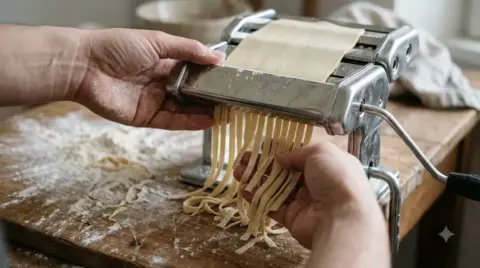 7 min readLearnPillus Pasta: A Sardinian Ribbon Pasta Served in BrothUpdated Nov 11, 2026
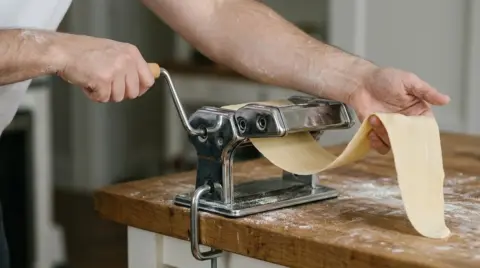 5 min readLearnHow to Make Culurgiones: Sardinian Filled Pasta at HomeUpdated Nov 13, 2026
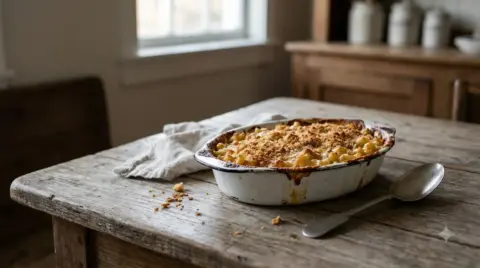 8 min readLearnTimballo Recipe: How to Bake This Italian Pasta Drum at HomeUpdated Nov 11, 2026
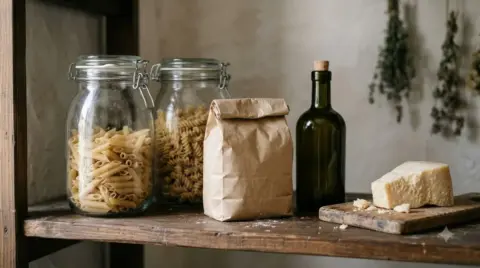 8 min readLearnFusilli Bucati Pasta: What Makes This Hollow Spiral DifferentUpdated Nov 6, 2026
 8 min readLearnWhat Is Vermicelli? A Simple Guide to This Thin PastaUpdated Nov 7, 2026