
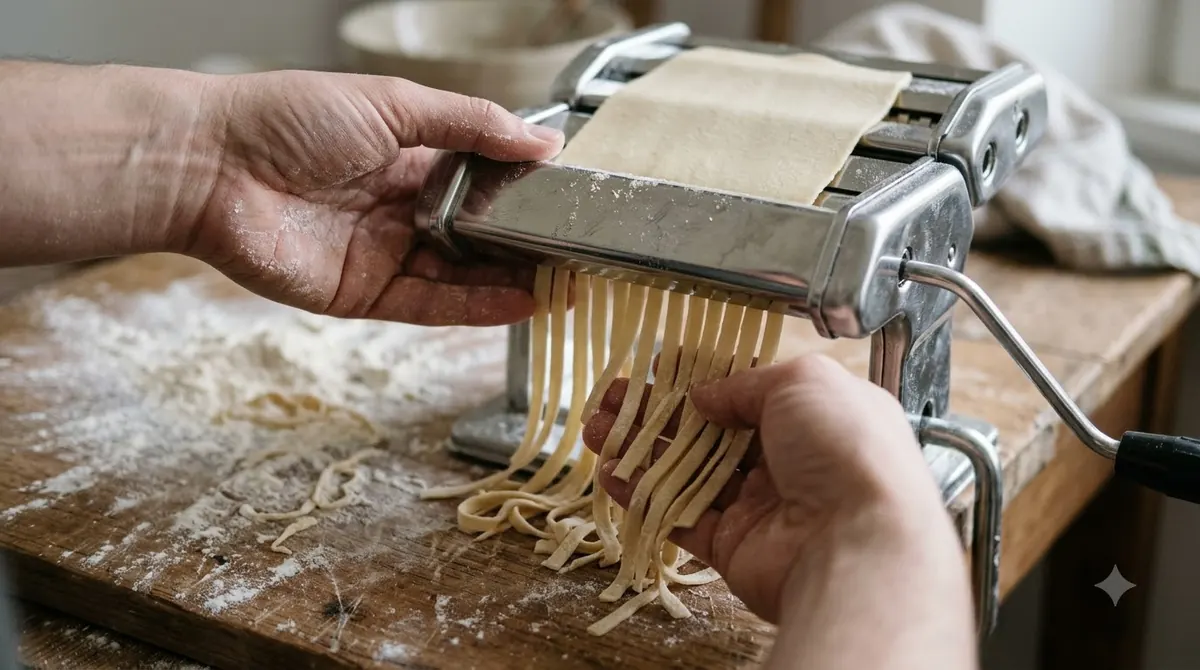

Pillus pasta is a thin, noodle-like egg ribbon pasta from Sardinia, Italy, usually served in beef broth with pecorino cheese. It is a regional pasta, so most home cooks will not find it on a standard shelf. This page covers where it comes from, how it is cooked and what to use when you cannot buy it.
The sources behind this article do not publish exact dough ratios or a cook time, so those details are left out. Use a recipe that lists its own amounts and check the texture as you cook.
What Pillus Pasta Is
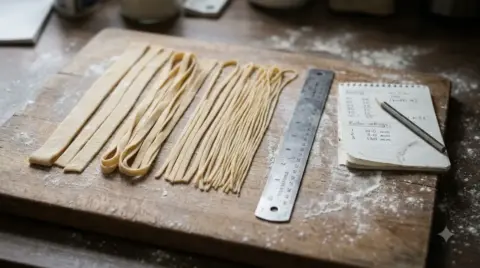
Pillus is a noodle-like pasta cut into thin ribbon strips, made from flour and eggs. Its shape is the main thing that sets it apart from short pasta.
Wikipedia’s Pillus entry describes the pasta as cut into thin ribbon strips. It links the flour to durum wheat. Cooksense adds that the dough is kneaded for a long time.
When you see pillus pasta on a menu or in a shop, look for flat, thin ribbons rather than tubes or twists. That strip shape is the clearest visual clue that separates it from short Sardinian shapes such as malloreddus.
Neither page gives a flour-to-egg ratio, so any ratio you find elsewhere is a recipe choice, not a sourced rule. Pick a recipe that states its amounts and follows the ribbon shape. Thin strips suit a light broth better than a heavy sauce, which helps explain why the traditional serving is in broth.
Where It Comes From
Pillus comes from Sardinia, particularly around Oristano, according to the sources read. Both sources agree on this region.
Wikipedia and Cooksense give the same region without naming a specific village. Two pages agreeing on the island and town is useful, but neither describes a detailed history, so a specific village of origin is not confirmed here.
Several details remain unconfirmed in the sources read: the exact dough ratio for pillus pasta, its cook time, the village where it started, and how older home kitchens shaped it. Check Sardinian cookbooks or local producers before you follow a recipe that claims these details.
If you want a local account, look for Sardinian food sources that name the town and its traditions. Treat older regional names with care, since spelling varies between sources.
How It Is Cooked
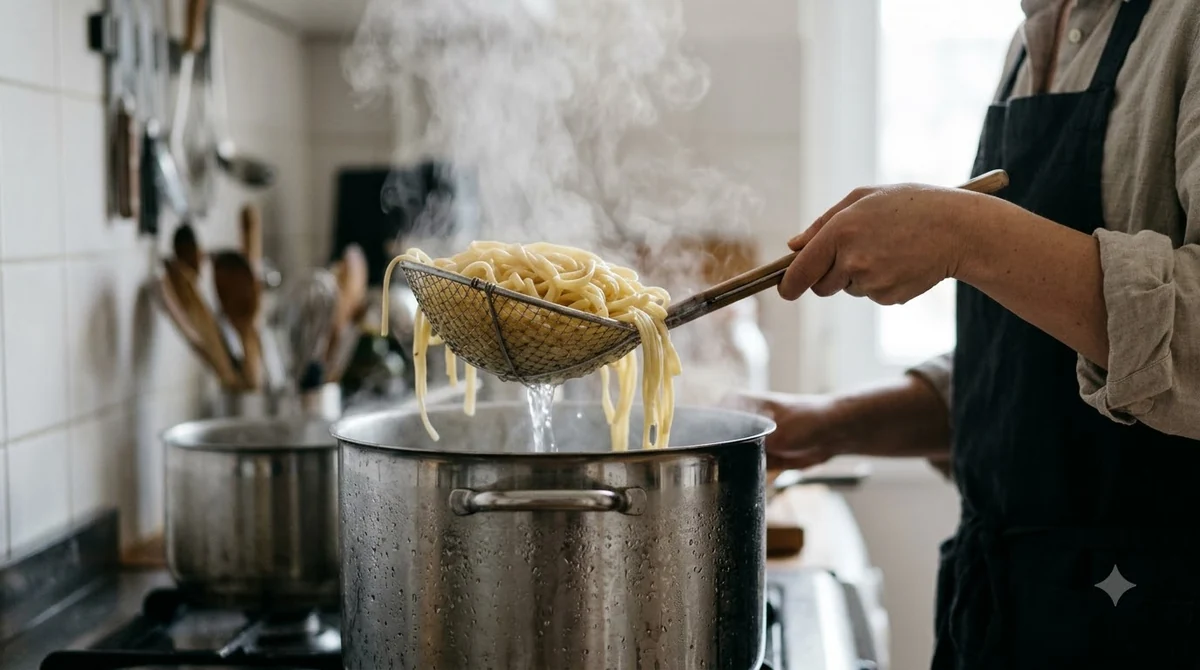
Pillus is cooked in beef broth, or sometimes sheep broth, and served with pecorino cheese. Neither source gives a cook time, so the timing has to come from your recipe or the package.
| Step | What the sources say | What to do |
|---|---|---|
| Dough | Flour and eggs, kneaded for a long time | Use a recipe with stated amounts and knead until smooth |
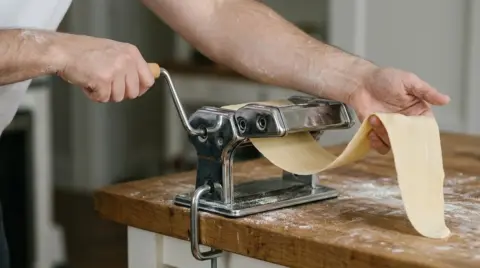
| Shape | Thin ribbon strips | Cut strips of an even width so they cook together |
| Cooking liquid | Beef broth, sometimes sheep broth | Simmer the strips in a well-flavored broth |
| Cook time | Not stated in the sources read | Check your recipe or package and taste a strip |
| Serving | Pecorino cheese | Grate the cheese over the bowl just before serving |
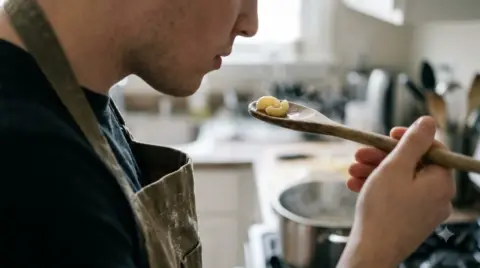
Because no source gives a time, judge doneness by texture rather than trusting a number. Thin ribbons cook faster than thick ones, but the exact minutes depend on how thin the dough is rolled. Taste a strip at intervals and stop when it is tender but still holds its shape.
The main mistake with pillus pasta is overcooking. Thin strips reach doneness faster than thick pasta, so pull a test strip early. Add the pecorino to each bowl rather than the pot, so the cheese does not clump in the hot broth.
Do not assume a different broth is traditional. The sources name beef broth and sheep broth only, so start there and adjust the seasoning to taste.
Regional Versions
In Busachi, pillus is flavored with toasted saffron ground to a powder. Lisanzedas, a related dish, is oven-baked in layers rather than served as ribbons.
The lisanzedas description is different in shape and cooking. The sources describe disks about 7 to 8 inches across, layered and baked like lasagne, with a meat stew filling and pecorino. The variants named in the sources include:
- Busachi: pillus flavored with toasted saffron, ground to a powder
- Near Cagliari: lisanzedas flavored with saffron
- Giba: lisanzedas flavored with fennel
If you are choosing between the two for a dinner, decide by the cooking method. Pillus pasta suits a light first course in broth, while lisanzedas suits a baked dish with a meat filling that needs more time in the oven.
The meat stew and pecorino are the common thread across lisanzedas, not the pasta shape. Expect local names to vary, and check the regional source when you buy or cook one of these variants.
Where It Fits in Sardinian Pasta
Sardinia has several named pastas besides pillus pasta, including malloreddus, fregula and filindeu. The Sardinian cuisine article on Wikipedia covers these, but does not mention pillus.
- Malloreddus: a tapered durum semolina pasta traditionally flavored with saffron
- Fregula: dry semolina worked into small lumps, served with clams or in meat-broth soups
- Filindeu: fine semolina woven into strands, served with sheep broth and fresh cheese
Knowing these names helps when you read Sardinian menus. Pillus pasta is a ribbon, while these shapes are lumped, woven or tapered, so do not swap them without checking the recipe.
Substitutes When You Cannot Find It
Thin egg ribbons such as tagliolini or tagliatelle are the closest common shapes to pillus, though no source names them as equivalents. Choose the thinnest egg ribbon you can find.
- Tagliolini: the finest egg ribbon, closest in width to pillus
- Tagliatelle: a wider ribbon that holds broth less delicately
- Check the package for cook time, since it varies by brand and thickness
If you make pillus pasta at home, the same rule applies: a recipe with stated amounts beats a guess. Use the same flour and egg proportions for any ribbon you roll, then adjust by feel.
A substitute is a judgment call, not a sourced rule. Cook a small portion in broth first to see how it behaves before you serve a full batch.
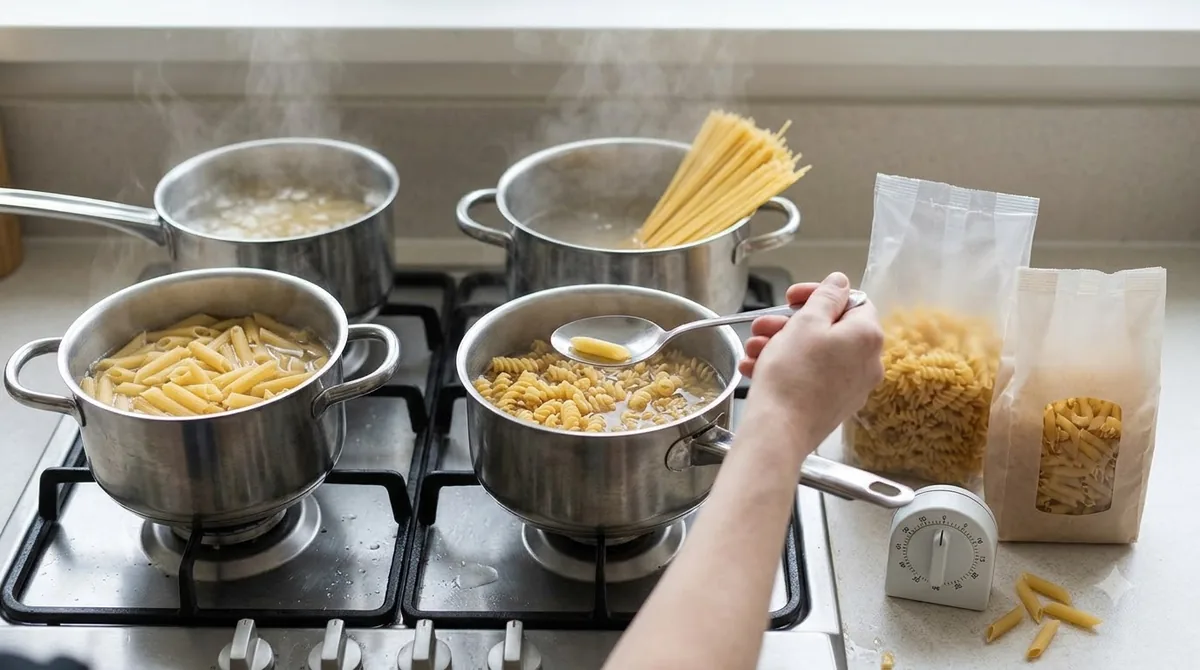
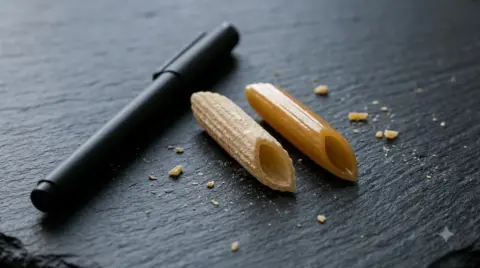
Avoid short or ridged shapes such as penne. Their thick walls and ridges change the texture in broth, so they do not match the thin ribbon the sources describe.
Frequently Asked Questions
Is pillus pasta made with eggs?
Yes. Both Wikipedia and Cooksense describe pillus as made from flour and eggs. Neither gives an egg-to-flour ratio, so use a recipe that states its own amounts before you start. A recipe for pillus pasta that uses water alone and no eggs does not match the sources, so check the ingredient list first.
Where is pillus pasta from?
Pillus comes from Sardinia, particularly around Oristano. Both encyclopedia entries agree on the region, but neither names a village of origin, so check Sardinian food sources for more detail.
What is pillus pasta served with?
Pillus is typically cooked in beef broth, or sometimes sheep broth, then served with pecorino cheese. The sources read do not describe a meat sauce for pillus itself.
How long do you cook pillus pasta?
Neither source gives a cook time. Check your recipe or the package, then taste a strip as it cooks to judge doneness by texture instead.
What is lisanzedas?
Lisanzedas is a related dish that is oven-baked in layers like lasagne, with a meat stew filling and pecorino. The sources describe disks about 7 to 8 inches across, which is why it is not the same as the ribbon pasta.
If you find pillus pasta, follow a recipe that lists its dough ratios and cook time, since the sources read do not give them. If you cannot find it, use a thin egg ribbon and test a small batch in broth before cooking for a crowd.
 8 min readLearnPansoti Pasta: The Ligurian Triangles Served With Walnut SauceUpdated Nov 6, 2026
 5 min readLearnHow to Make Culurgiones: Sardinian Filled Pasta at HomeUpdated Nov 13, 2026
 8 min readLearnFregola Pasta: A Simple Guide to This Sardinian ShapeUpdated Nov 10, 2026
 8 min readLearnWhat Is Fregola? A Simple Guide to This Sardinian PastaUpdated Nov 7, 2026
 5 min readLearnMafaldine Substitute: Ribbon Pastas to Use InsteadUpdated Nov 13, 2026
 7 min readLearnPizzoccheri Pasta: Buckwheat Ribbons From ValtellinaUpdated Nov 10, 2026